Yoon Eun-Jeong, Jeong Seok Hoon
Department of Laboratory Medicine and Research Institute of Bacterial Resistance, Yonsei University College of Medicine, Seoul, South Korea.
Front Microbiol. 2021 Feb 18;12:614058. doi: 10.3389/fmicb.2021.614058. eCollection 2021.
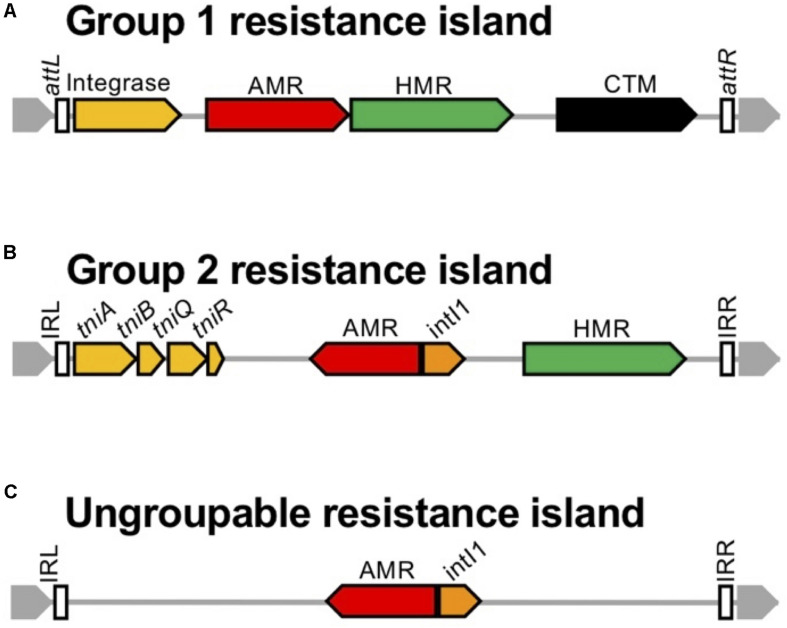
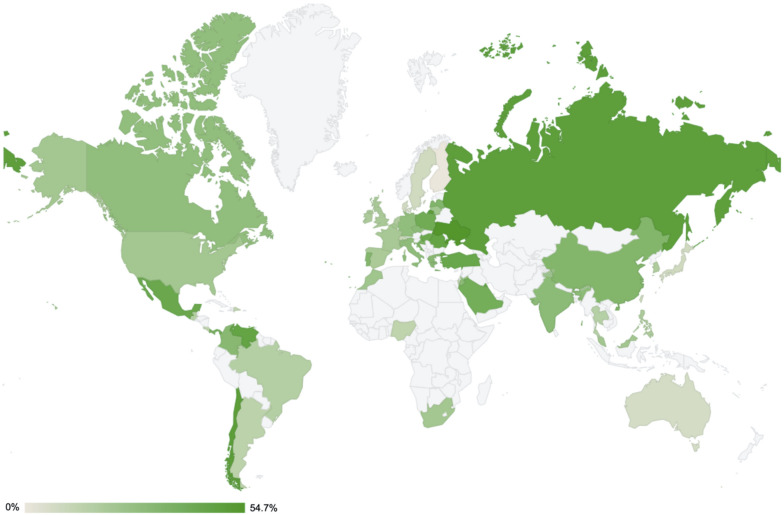
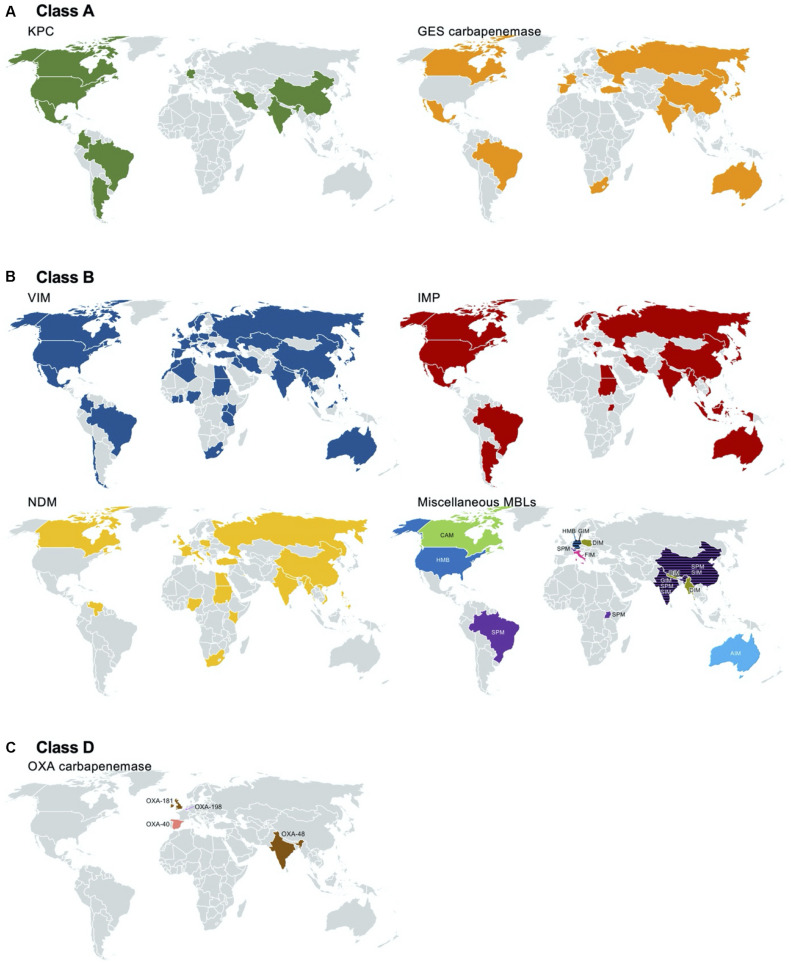
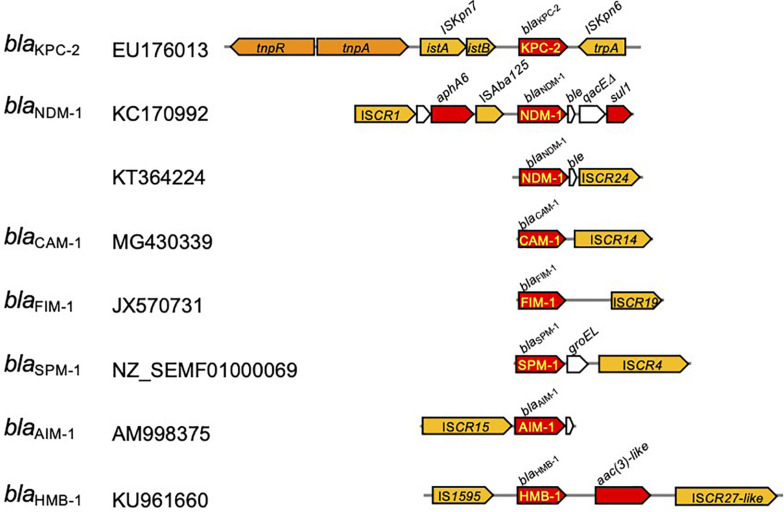
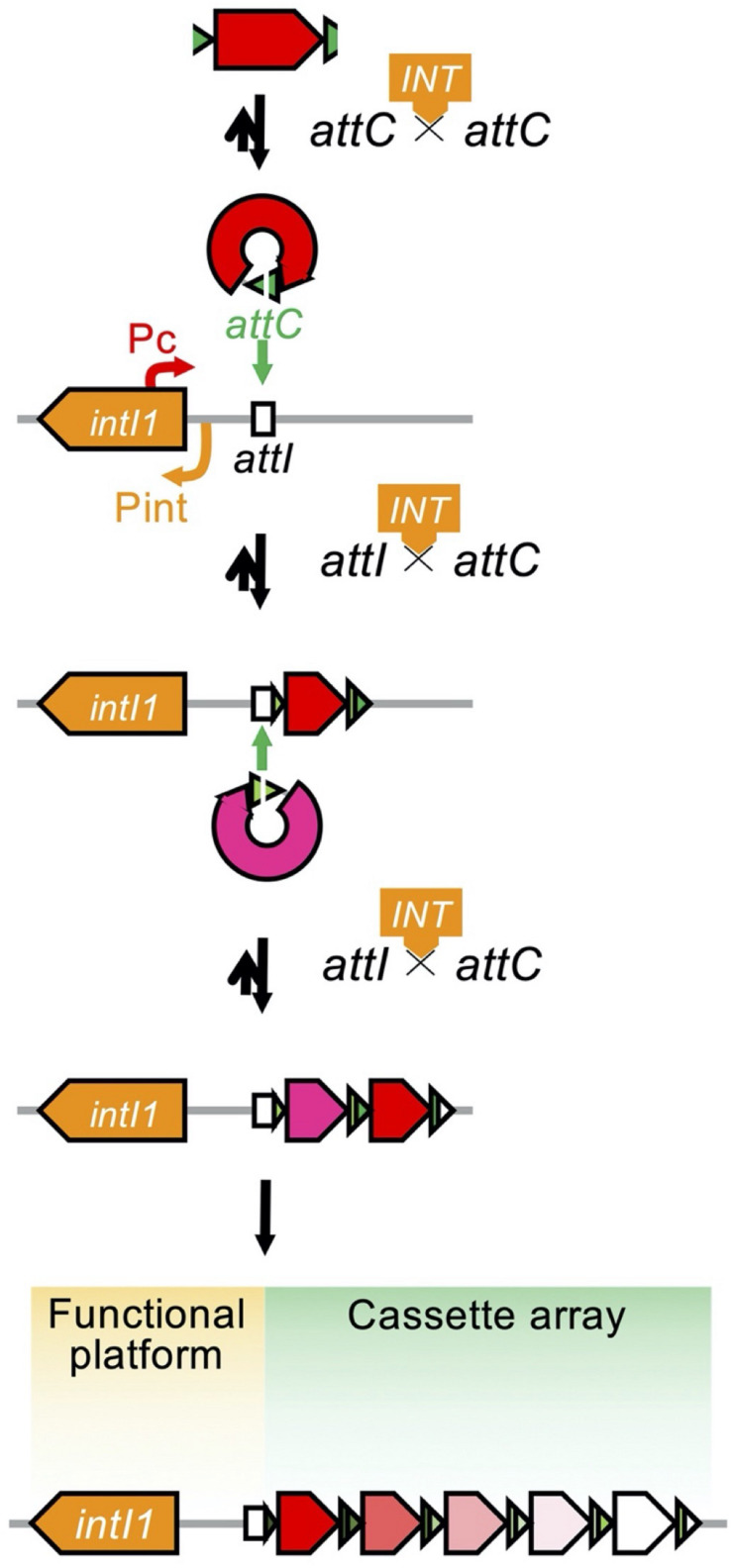
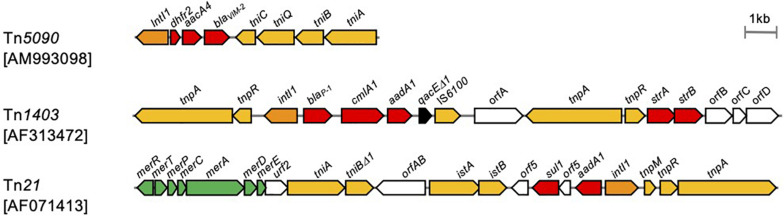
Carbapenem-resistant is one of the major concerns in clinical settings impelling a great challenge to antimicrobial therapy for patients with infections caused by the pathogen. While membrane permeability, together with derepression of the intrinsic beta-lactamase gene, is the global prevailing mechanism of carbapenem resistance in , the acquired genes for carbapenemases need special attention because horizontal gene transfer through mobile genetic elements, such as integrons, transposons, plasmids, and integrative and conjugative elements, could accelerate the dissemination of the carbapenem-resistant . This review aimed to illustrate epidemiologically the carbapenem resistance in , including the resistance rates worldwide and the carbapenemase-encoding genes along with the mobile genetic elements responsible for the horizontal dissemination of the drug resistance determinants. Moreover, the modular mobile elements including the carbapenemase-encoding gene, also known as the resistance islands, are scrutinized mostly for their structures.
耐碳青霉烯类是临床环境中的主要关注点之一,对由该病原体引起感染的患者的抗菌治疗构成了巨大挑战。虽然膜通透性以及固有β-内酰胺酶基因的去阻遏是该菌耐碳青霉烯类的全球普遍机制,但碳青霉烯酶的获得性基因需要特别关注,因为通过整合子、转座子、质粒和整合与接合元件等移动遗传元件进行的水平基因转移可加速耐碳青霉烯类菌的传播。本综述旨在从流行病学角度阐述该菌的耐碳青霉烯类情况,包括全球耐药率、碳青霉烯酶编码基因以及负责耐药决定因素水平传播的移动遗传元件。此外,对包括碳青霉烯酶编码基因(也称为耐药岛)在内的模块化移动元件,主要从其结构方面进行了审视。