Huang Huey-Jy, Campana Raffaela, Akinfenwa Oluwatoyin, Curin Mirela, Sarzsinszky Eszter, Karsonova Antonina, Riabova Ksenja, Karaulov Alexander, Niespodziana Katarzyna, Elisyutina Olga, Fedenko Elena, Litovkina Alla, Smolnikov Evgenii, Khaitov Musa, Vrtala Susanne, Schlederer Thomas, Valenta Rudolf
Division of Immunopathology, Department of Pathophysiology and Allergy Research, Center for Pathophysiology, Infectiology and Immunology, Medical University of Vienna, Vienna, Austria.
Laboratory of Immunopathology, Department of Clinical Immunology and Allergology, Sechenov First Moscow State Medical University, Moscow, Russia.
Front Immunol. 2021 Feb 12;11:594978. doi: 10.3389/fimmu.2020.594978. eCollection 2020.
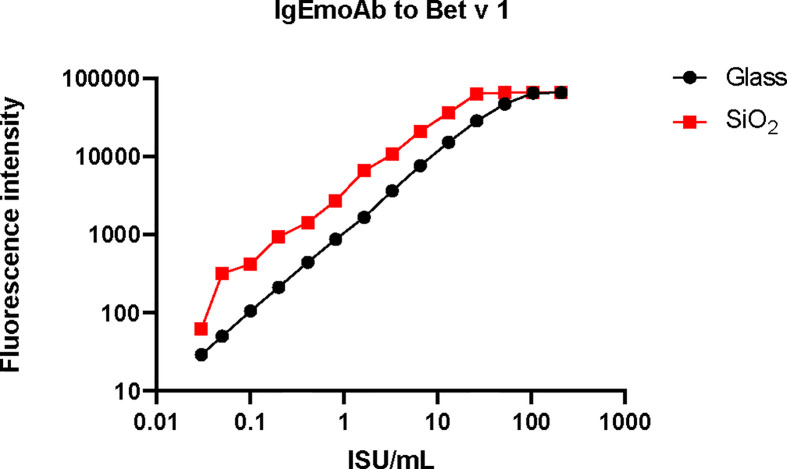
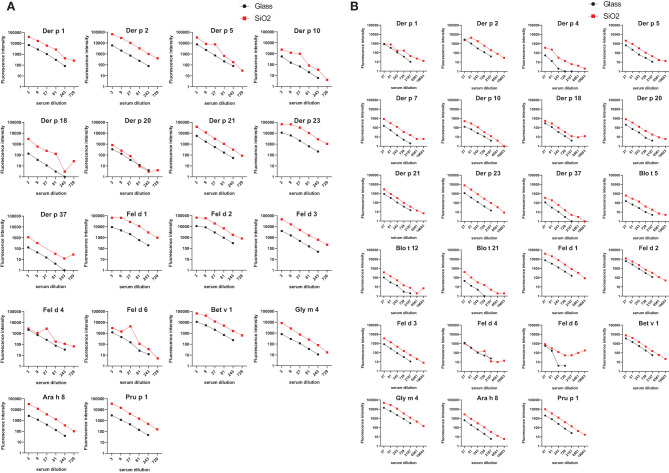
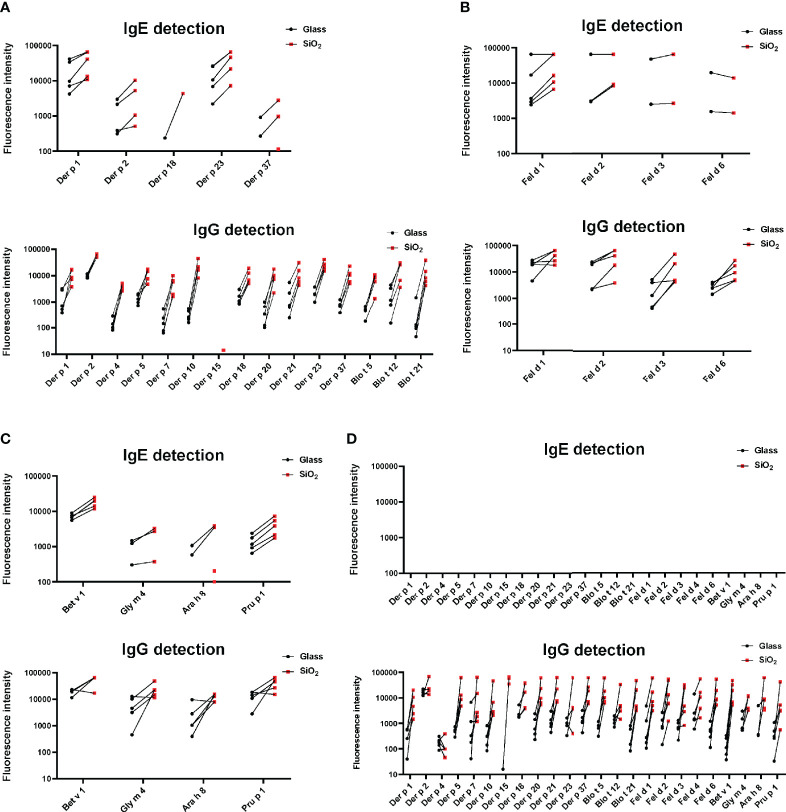
More than 30% of the world population suffers from allergy. Allergic individuals are characterized by the production of immunoglobulin E (IgE) antibodies against innocuous environmental allergens. Upon allergen recognition IgE mediates allergen-specific immediate and late-phase allergic inflammation in different organs. The identification of the disease-causing allergens by demonstrating the presence of allergen-specific IgE is the key to precision medicine in allergy because it allows tailoring different forms of prevention and treatment according to the sensitization profiles of individual allergic patients. More than 30 years ago molecular cloning started to accelerate the identification of the disease-causing allergen molecules and enabled their production as recombinant molecules. Based on recombinant allergen molecules, molecular allergy diagnosis was introduced into clinical practice and allowed dissecting the molecular sensitization profiles of allergic patients. In 2002 it was demonstrated that microarray technology allows assembling large numbers of allergen molecules on chips for the rapid serological testing of IgE sensitizations with small volumes of serum. Since then microarrayed allergens have revolutionized research and diagnosis in allergy, but several unmet needs remain. Here we show that detection of IgE- and IgG-reactivity to a panel of respiratory allergens microarrayed onto silicon elements is more sensitive than glass-based chips. We discuss the advantages of silicon-based allergen microarrays and how this technology will allow addressing hitherto unmet needs in microarray-based allergy diagnosis. Importantly, it described how the assembly of silicon microarray elements may create different microarray formats for suiting different diagnostic applications such as quick testing of single patients, medium scale testing and fully automated large scale testing.
全球超过30%的人口患有过敏症。过敏个体的特征是针对无害环境过敏原产生免疫球蛋白E(IgE)抗体。一旦识别出过敏原,IgE会介导不同器官中过敏原特异性的速发和迟发性过敏炎症。通过证明过敏原特异性IgE的存在来鉴定致病过敏原是过敏精准医学的关键,因为它能够根据个体过敏患者的致敏情况定制不同形式的预防和治疗方法。30多年前,分子克隆开始加速致病过敏原分子的鉴定,并使其能够作为重组分子生产。基于重组过敏原分子,分子过敏诊断被引入临床实践,并能够剖析过敏患者的分子致敏情况。2002年,有研究表明微阵列技术能够在芯片上组装大量过敏原分子,用于用少量血清快速进行IgE致敏的血清学检测。从那时起,微阵列过敏原彻底改变了过敏领域的研究和诊断,但仍有一些未满足的需求。在这里,我们表明,检测固定在硅元件上的一组呼吸道过敏原的IgE和IgG反应性比基于玻璃的芯片更敏感。我们讨论了基于硅的过敏原微阵列的优势,以及这项技术将如何满足基于微阵列的过敏诊断中迄今未满足的需求。重要的是,它描述了硅微阵列元件的组装如何创建不同的微阵列形式,以适应不同的诊断应用,如对单个患者的快速检测、中等规模检测和全自动大规模检测。