Paragominas Campus, Universidade Federal Rural da Amazônia, Paragominas, Pará, Brazil.
Parauapebas Campus, Universidade Federal Rural da Amazônia, Parauapebas, Pará, Brazil.
PLoS One. 2021 Mar 11;16(3):e0248161. doi: 10.1371/journal.pone.0248161. eCollection 2021.
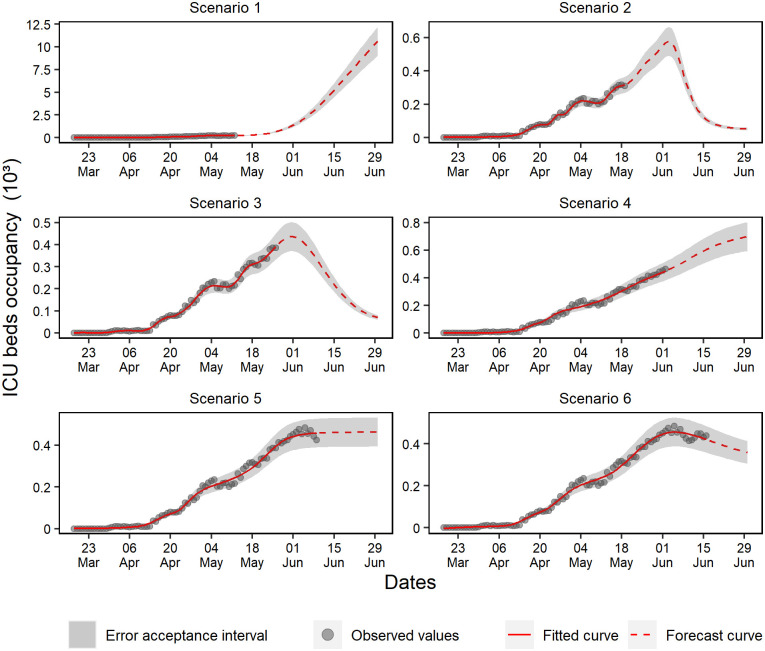
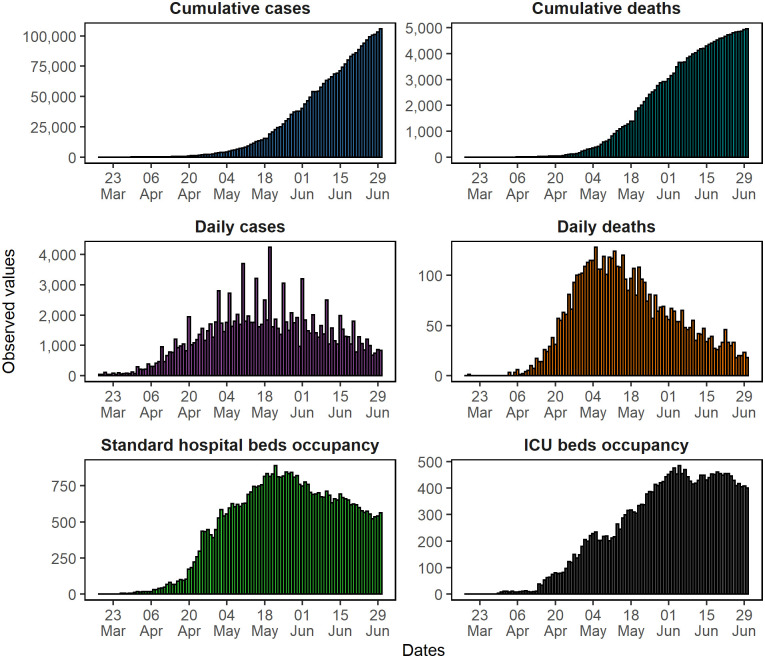
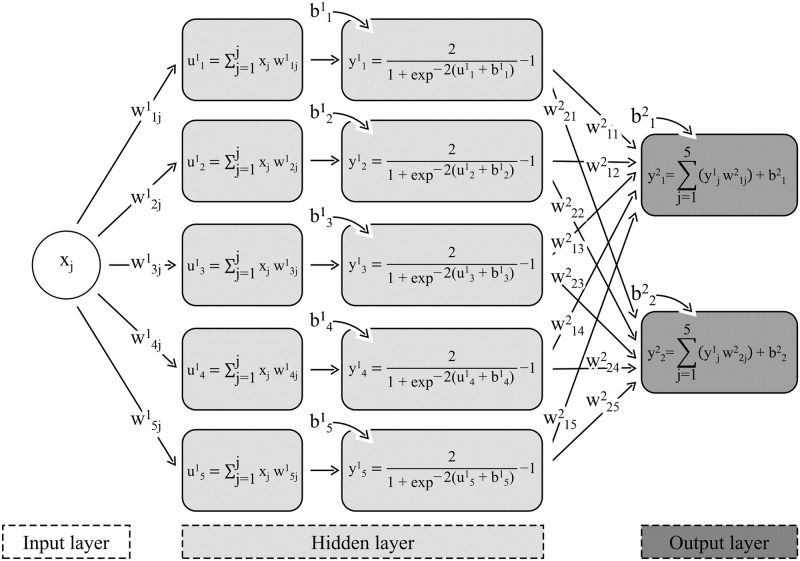
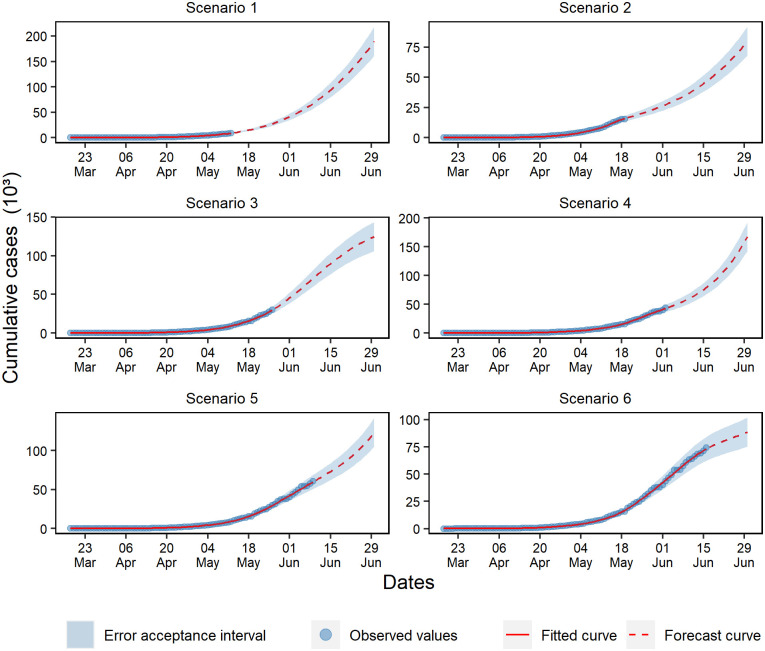
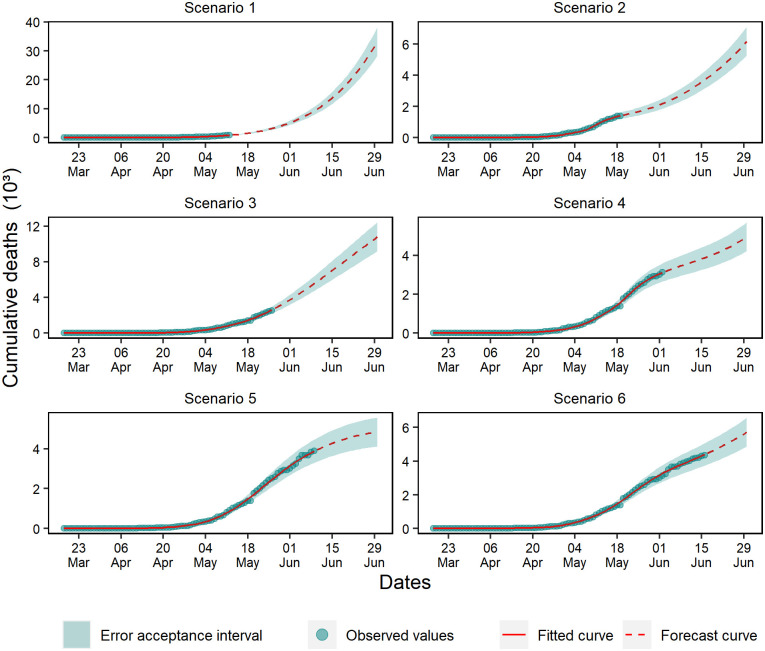
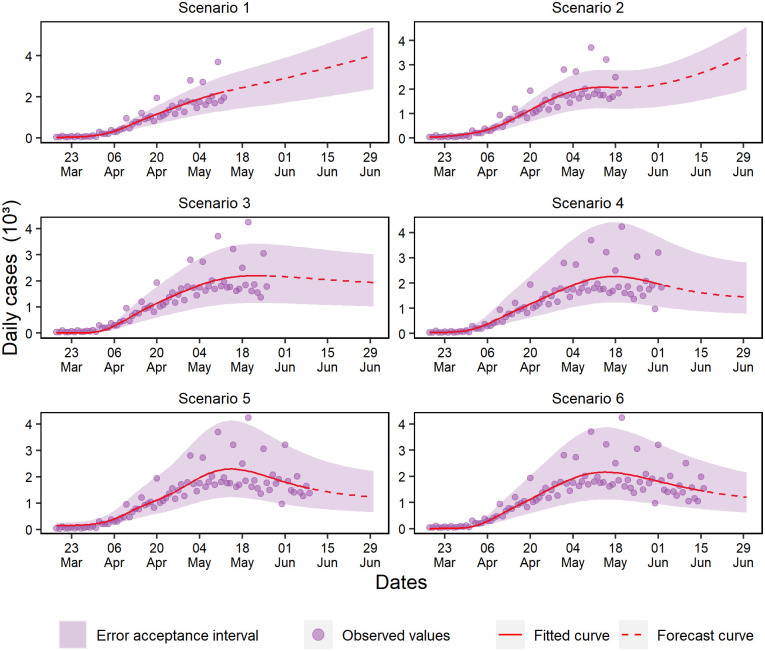
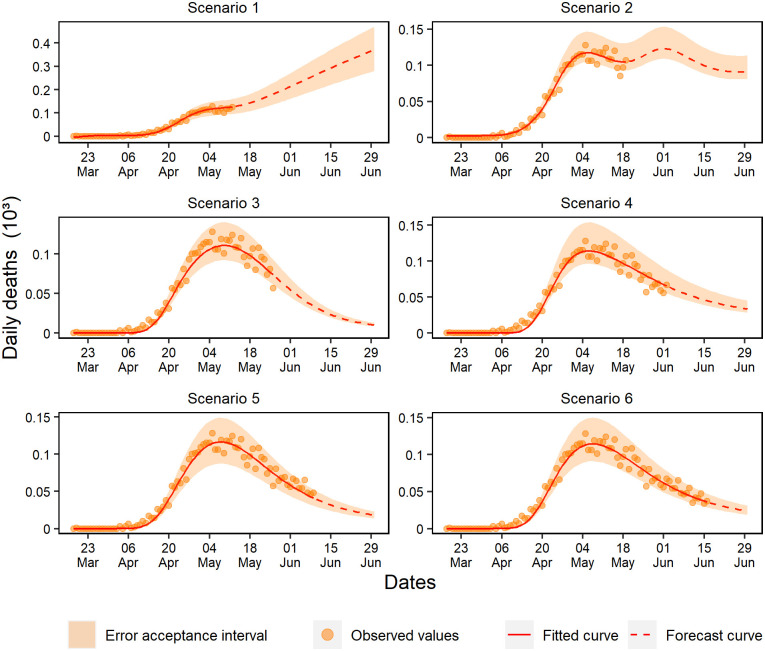
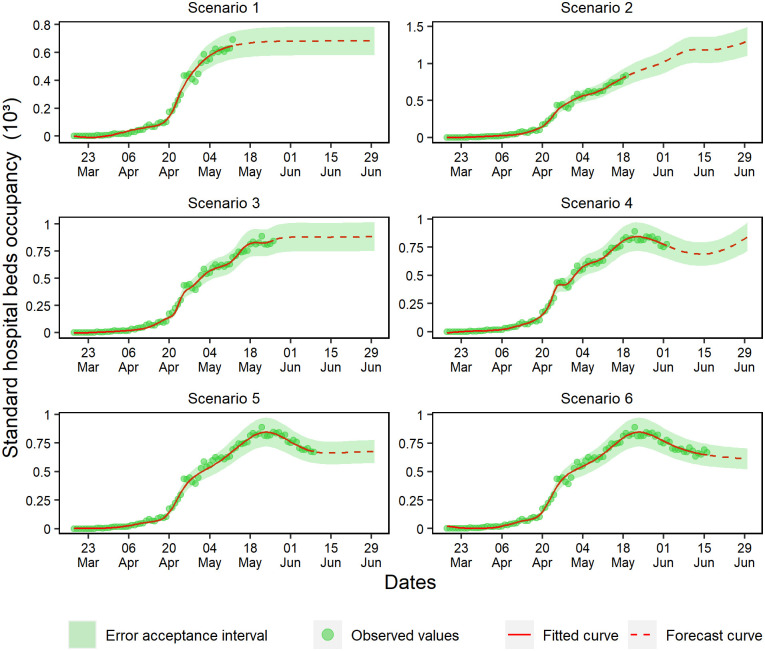
The first case of the novel coronavirus in Brazil was notified on February 26, 2020. After 21 days, the first case was reported in the second largest State of the Brazilian Amazon. The State of Pará presented difficulties in combating the pandemic, ranging from underreporting and a low number of tests to a large territorial distance between cities with installed hospital capacity. Due to these factors, mathematical data-driven short-term forecasting models can be a promising initiative to assist government officials in more agile and reliable actions. This study presents an approach based on artificial neural networks for the daily and cumulative forecasts of cases and deaths caused by COVID-19, and the forecast of demand for hospital beds. Six scenarios with different periods were used to identify the quality of the generated forecasting and the period in which they start to deteriorate. Results indicated that the computational model adapted capably to the training period and was able to make consistent short-term forecasts, especially for the cumulative variables and for demand hospital beds.
巴西首例新型冠状病毒于 2020 年 2 月 26 日报告。21 天后,在巴西亚马逊地区第二大州报告了首例病例。帕拉州在抗击疫情方面存在困难,包括漏报和检测数量低,以及城市之间的地域距离大,而这些城市的安装医院容量又各不相同。由于这些因素,基于数学数据驱动的短期预测模型可能是一个很有前途的举措,可以帮助政府官员采取更灵活和可靠的行动。本研究提出了一种基于人工神经网络的方法,用于预测 COVID-19 病例和死亡的日和累计数,以及预测医院床位的需求。使用了六个不同时间段的情景来识别生成的预测的质量以及开始恶化的时间段。结果表明,计算模型能够很好地适应训练期,并能够进行一致的短期预测,特别是对于累计变量和医院床位需求。