Departments of Surgery and Immunology, University of Pittsburgh School of Medicine, Pittsburgh, PA, United States.
Thomas E. Starzl Transplantation Institute, University of Pittsburgh School of Medicine, Pittsburgh, PA, United States.
Front Immunol. 2021 Feb 23;12:611910. doi: 10.3389/fimmu.2021.611910. eCollection 2021.
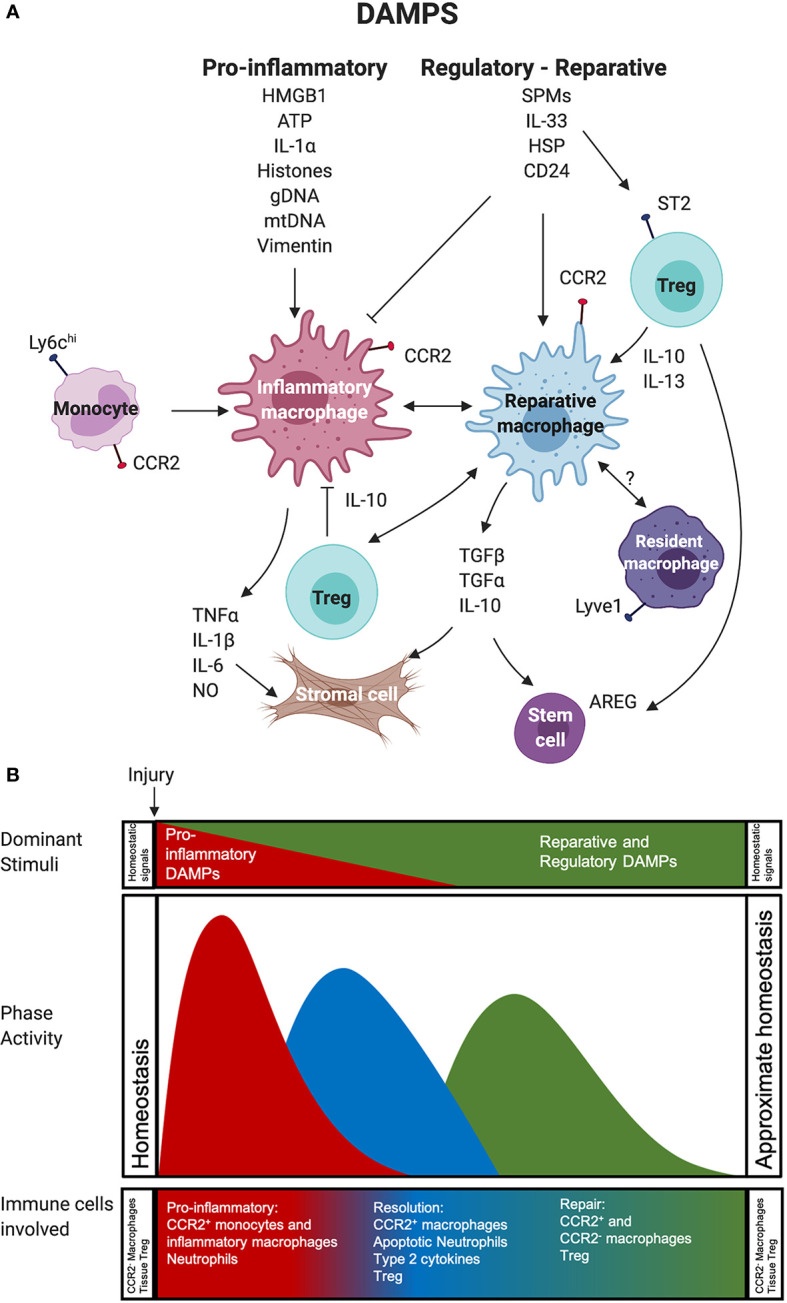
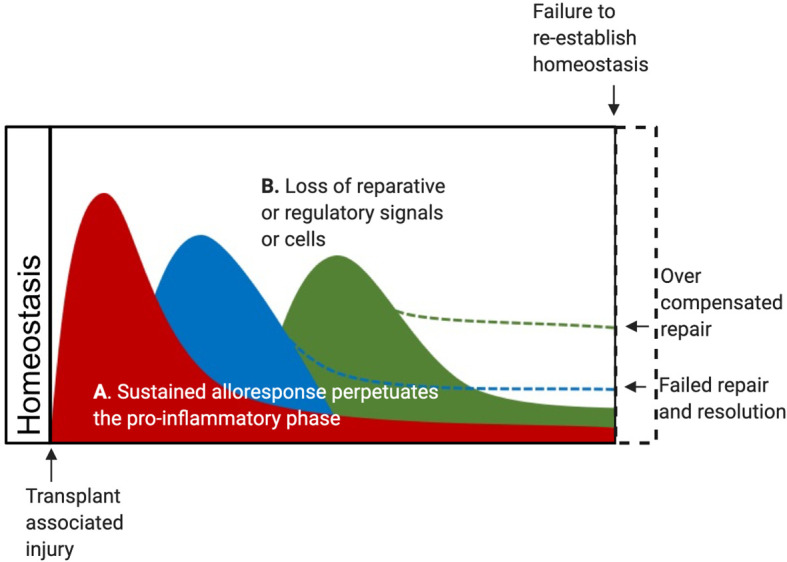
Detrimental inflammatory responses after solid organ transplantation are initiated when immune cells sense pathogen-associated molecular patterns (PAMPs) and certain damage-associated molecular patterns (DAMPs) released or exposed during transplant-associated processes, such as ischemia/reperfusion injury (IRI), surgical trauma, and recipient conditioning. These inflammatory responses initiate and propagate anti-alloantigen (AlloAg) responses and targeting DAMPs and PAMPs, or the signaling cascades they activate, reduce alloimmunity, and contribute to improved outcomes after allogeneic solid organ transplantation in experimental studies. However, DAMPs have also been implicated in initiating essential anti-inflammatory and reparative functions of specific immune cells, particularly Treg and macrophages. Interestingly, DAMP signaling is also involved in local and systemic homeostasis. Herein, we describe the emerging literature defining how poor outcomes after transplantation may result, not from just an over-abundance of DAMP-driven inflammation, but instead an inadequate presence of a subset of DAMPs or related molecules needed to repair tissue successfully or re-establish tissue homeostasis. Adverse outcomes may also arise when these homeostatic or reparative signals become dysregulated or hijacked by alloreactive immune cells in transplant niches. A complete understanding of the critical pathways controlling tissue repair and homeostasis, and how alloimmune responses or transplant-related processes disrupt these will lead to new immunotherapeutics that can prevent or reverse the tissue pathology leading to lost grafts due to chronic rejection.
实体器官移植后有害的炎症反应是由免疫细胞感知病原体相关分子模式(PAMPs)和某些在移植相关过程中释放或暴露的损伤相关分子模式(DAMPs)引发的,这些过程包括缺血/再灌注损伤(IRI)、手术创伤和受者预处理。这些炎症反应引发并传播抗同种异体抗原(AlloAg)反应,并针对 DAMPs 和 PAMPs 或它们激活的信号级联反应,减少同种异体免疫,并有助于改善实验性同种异体实体器官移植后的结果。然而,DAMPs 也被认为在启动特定免疫细胞(特别是 Treg 和巨噬细胞)的基本抗炎和修复功能中发挥作用。有趣的是,DAMP 信号也参与局部和全身的动态平衡。在此,我们描述了新兴的文献,这些文献定义了移植后不良结果的产生原因,不仅是由于 DAMPs 驱动的炎症过多,还可能是由于成功修复组织或重新建立组织动态平衡所需的特定 DAMPs 子集或相关分子的存在不足。当这些动态平衡或修复信号在移植部位被同种异体反应性免疫细胞失调或劫持时,也会出现不良后果。对控制组织修复和动态平衡的关键途径的全面了解,以及同种免疫反应或移植相关过程如何破坏这些途径,将导致新的免疫疗法,可以预防或逆转导致慢性排斥导致移植物丢失的组织病理学。