Centre for Inflammatory Diseases, Department of Medicine, School of Clinical Sciences at Monash Health, Monash Medical Centre, Monash University, Clayton, VIC, Australia.
School of Health Medical and Applied Sciences, Central Queensland University, Rockhamptom, QLD, Australia.
Front Immunol. 2021 Feb 23;12:619366. doi: 10.3389/fimmu.2021.619366. eCollection 2021.
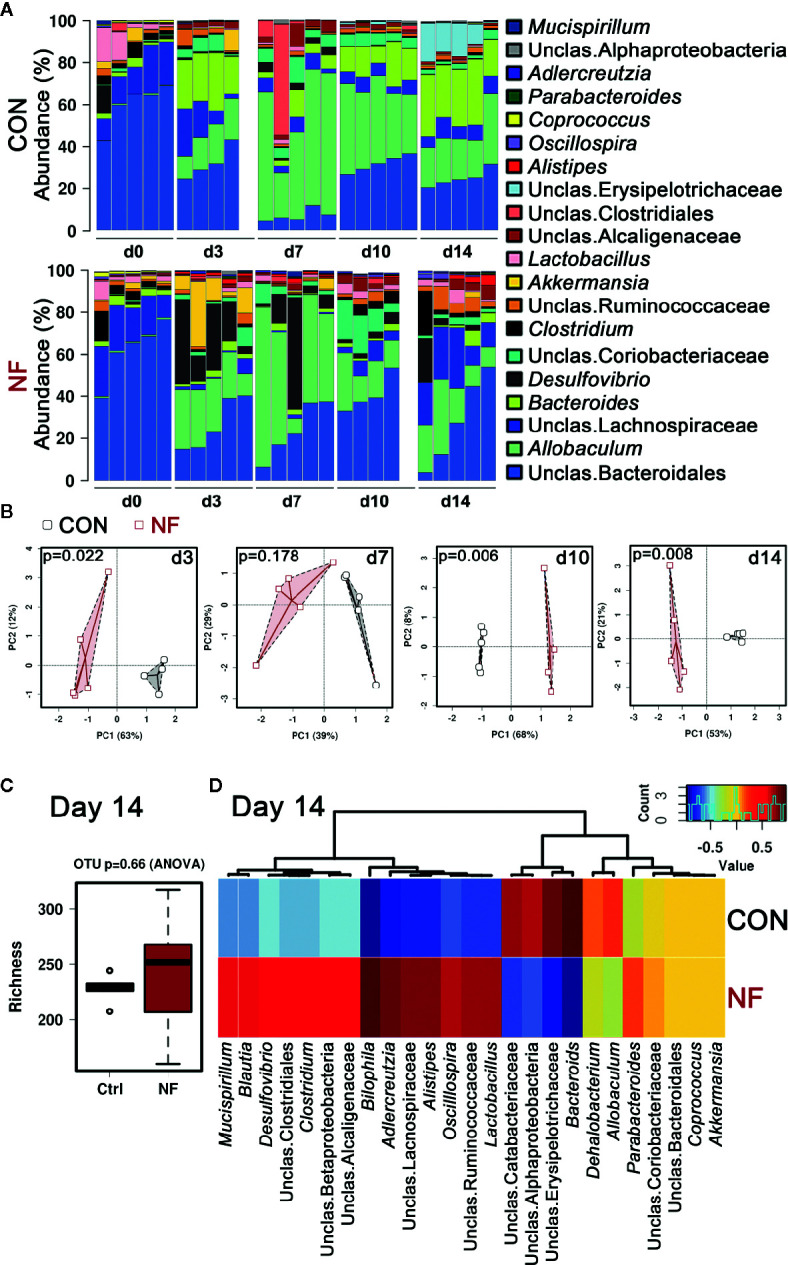
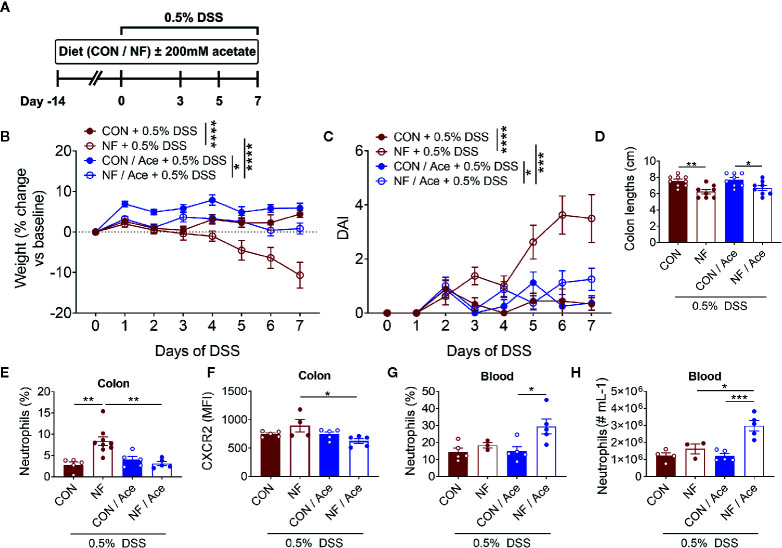
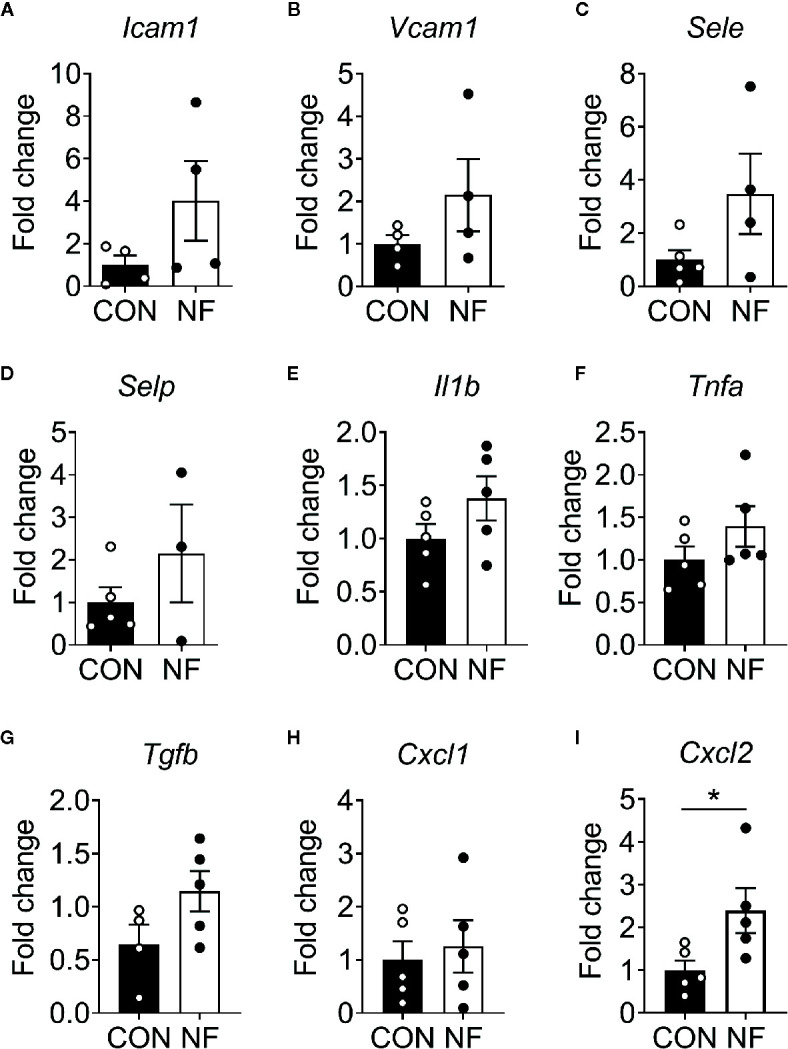
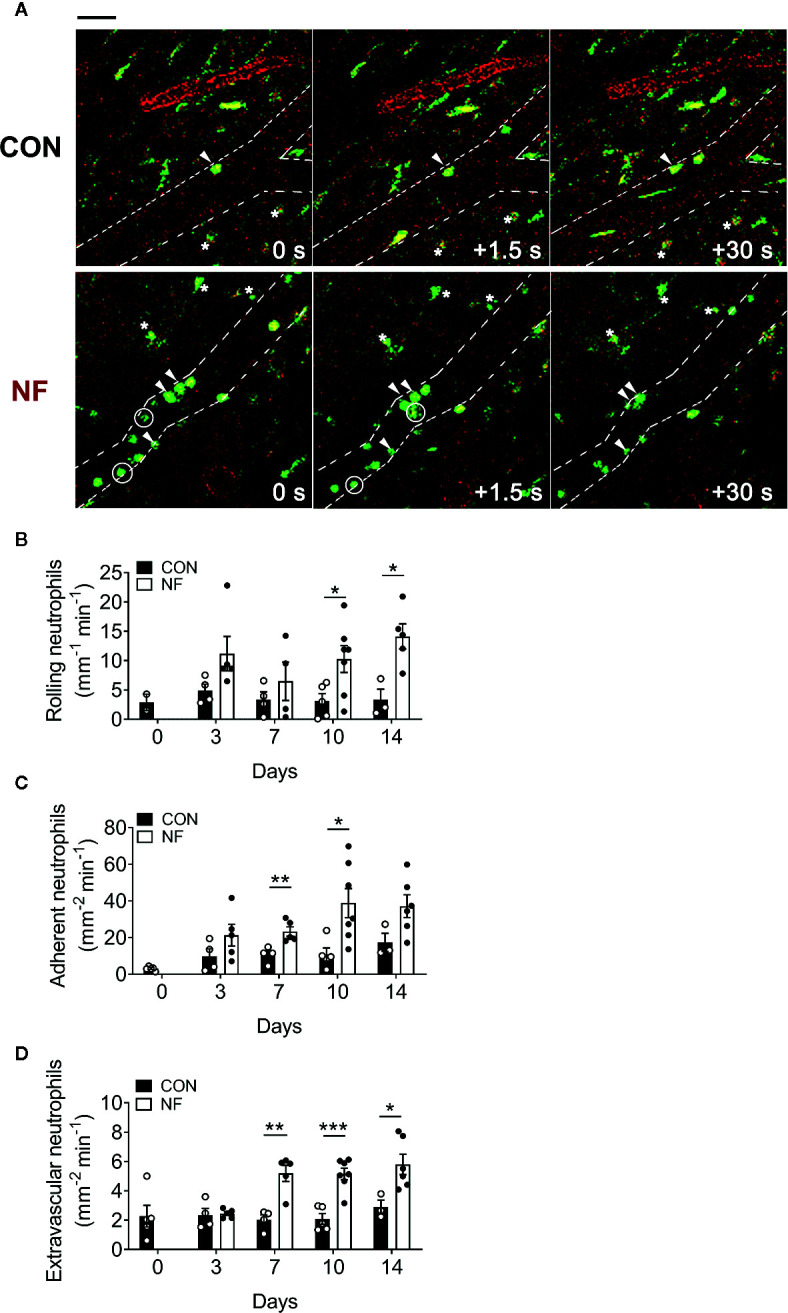
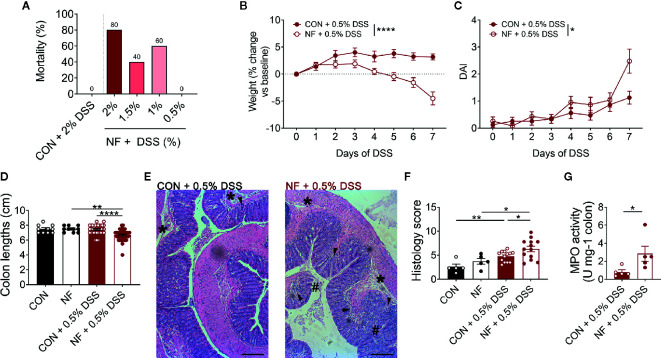
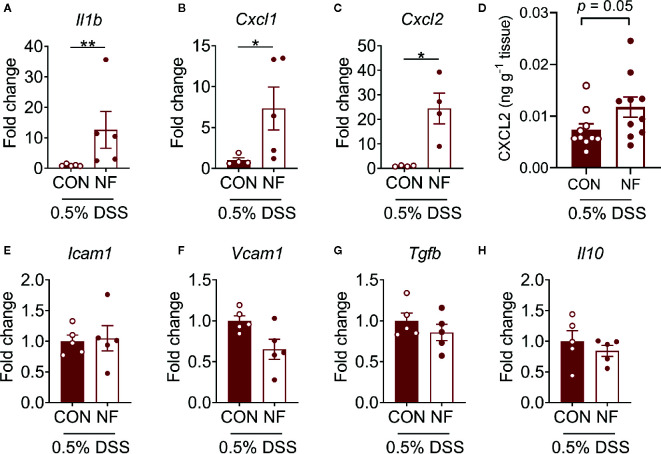
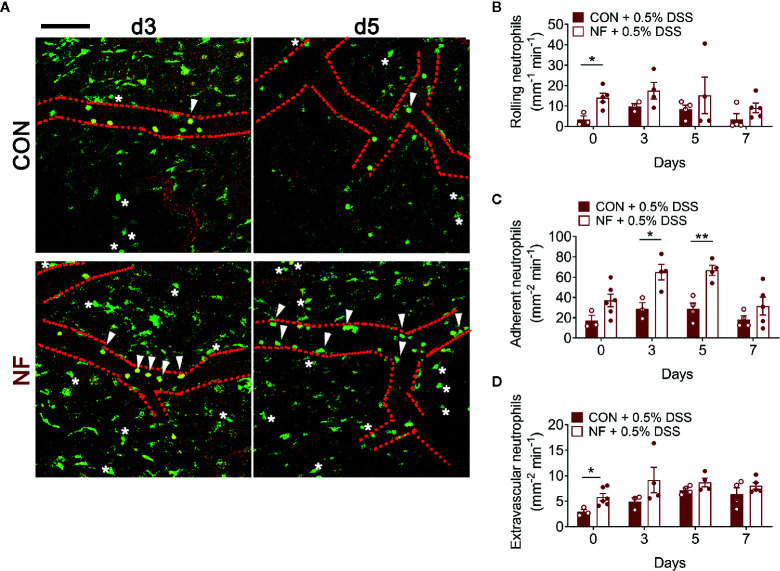
Ulcerative colitis is an inflammatory disease of the colon that is associated with colonic neutrophil accumulation. Recent evidence indicates that diet alters the composition of the gut microbiota and influences host-pathogen interactions. Specifically, bacterial fermentation of dietary fiber produces metabolites called short-chain fatty acids (SCFAs), which have been shown to protect against various inflammatory diseases. However, the effect of fiber deficiency on the key initial steps of inflammation, such as leukocyte-endothelial cell interactions, is unknown. Moreover, the impact of fiber deficiency on neutrophil recruitment under basal conditions and during inflammation is unknown. Herein, we hypothesized that a fiber-deficient diet promotes an inflammatory state in the colon at baseline and predisposes the host to more severe colitis pathology. Mice fed a no-fiber diet for 14 days showed significant changes in the gut microbiota and exhibited increased neutrophil-endothelial interactions in the colonic microvasculature. Although mice fed a no-fiber diet alone did not have observable colitis-associated symptoms, these animals were highly susceptible to low dose (0.5%) dextran sodium sulphate (DSS)-induced model of colitis. Supplementation of the most abundant SCFA, acetate, prevented no-fiber diet-mediated enrichment of colonic neutrophils and colitis pathology. Therefore, dietary fiber, possibly through the actions of acetate, plays an important role in regulating neutrophil recruitment and host protection against inflammatory colonic damage in an experimental model of colitis.
溃疡性结肠炎是一种结肠炎症性疾病,与结肠中性粒细胞聚集有关。最近的证据表明,饮食会改变肠道微生物群的组成,并影响宿主-病原体相互作用。具体来说,膳食纤维的细菌发酵会产生短链脂肪酸(SCFAs)等代谢产物,这些代谢产物已被证明可以预防各种炎症性疾病。然而,纤维缺乏对白细胞-内皮细胞相互作用等炎症初始关键步骤的影响尚不清楚。此外,纤维缺乏对基础条件下和炎症期间中性粒细胞募集的影响尚不清楚。在此,我们假设纤维缺乏饮食会在基线时促进结肠的炎症状态,并使宿主更容易发生更严重的结肠炎病理。用无纤维饮食喂养 14 天的小鼠表现出肠道微生物群的显著变化,并表现出结肠微血管中中性粒细胞与内皮细胞相互作用增加。尽管单独用无纤维饮食喂养的小鼠没有观察到与结肠炎相关的症状,但这些动物对低剂量(0.5%)葡聚糖硫酸钠(DSS)诱导的结肠炎模型非常敏感。最丰富的 SCFA 乙酸盐的补充可预防无纤维饮食介导的结肠中性粒细胞增多和结肠炎病理学。因此,膳食纤维可能通过乙酸盐的作用,在实验性结肠炎模型中对调节中性粒细胞募集和宿主对炎症性结肠损伤的保护起着重要作用。