Keenan Research Centre for Biomedical Sciences. St. Michael's Hospital Unity Health Toronto, Toronto, Canada.
Department of Medicine, Faculty of Medicine, University of Toronto, Toronto, Canada.
Elife. 2021 Mar 15;10:e63407. doi: 10.7554/eLife.63407.
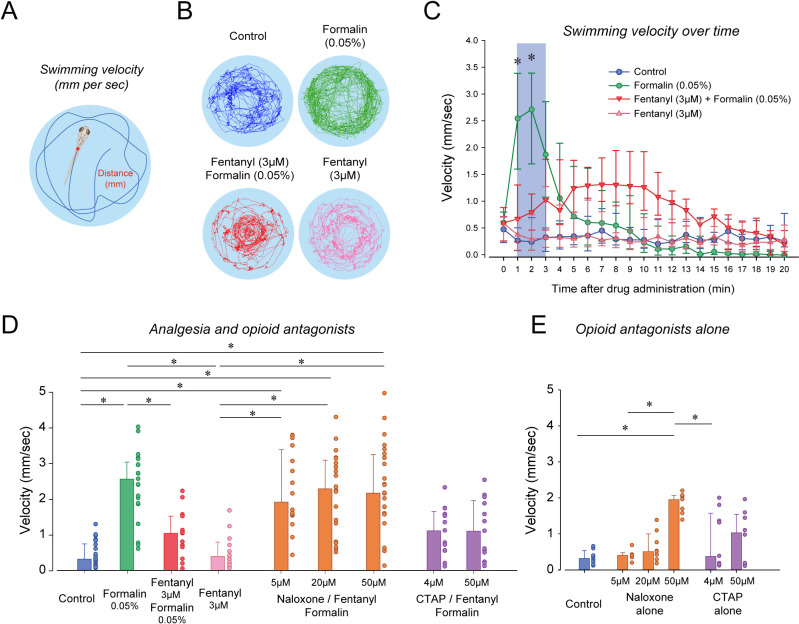
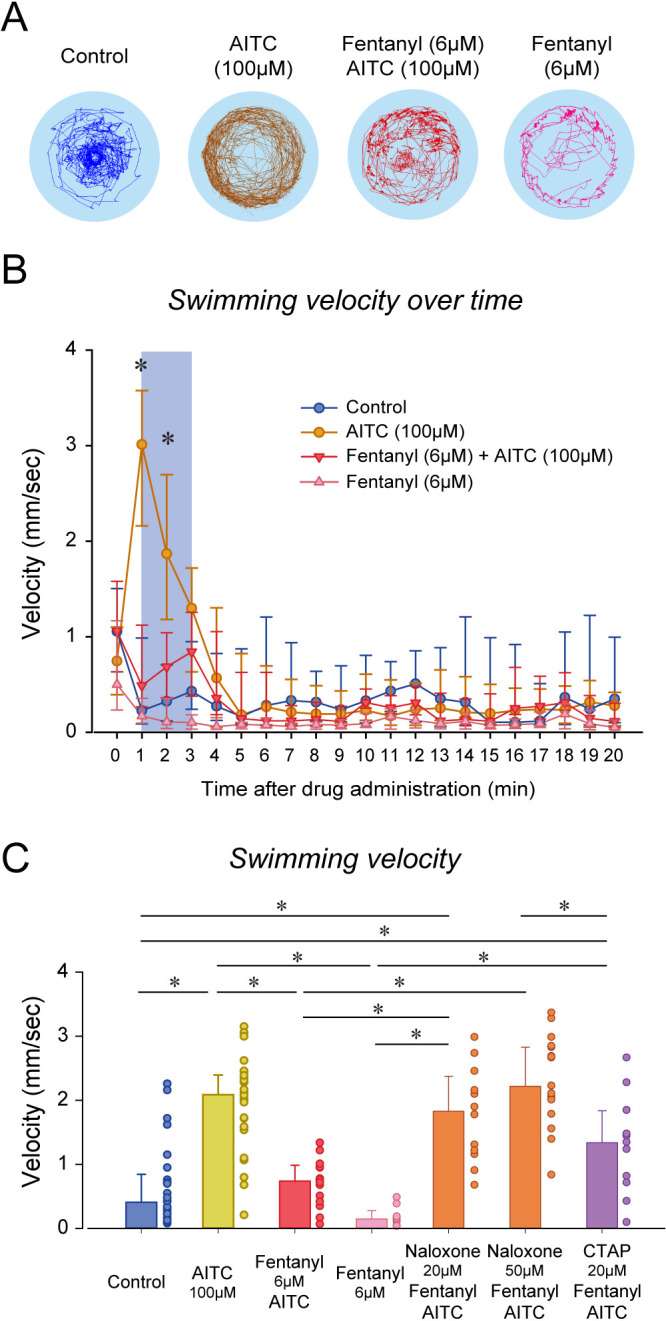
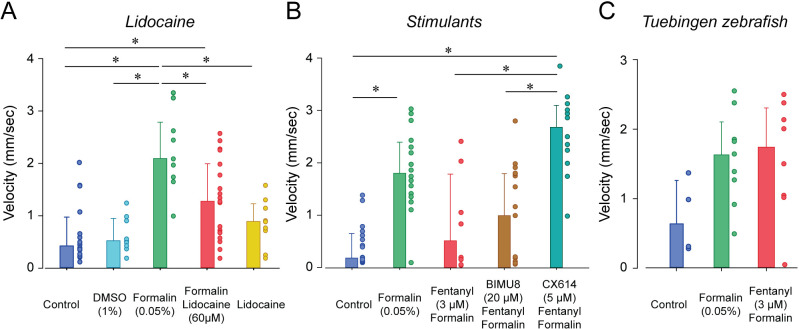
An opioid epidemic is spreading in North America with millions of opioid overdoses annually. Opioid drugs, like fentanyl, target the mu opioid receptor system and induce potentially lethal respiratory depression. The challenge in opioid research is to find a safe pain therapy with analgesic properties but no respiratory depression. Current discoveries are limited by lack of amenable animal models to screen candidate drugs. Zebrafish () is an emerging animal model with high reproduction and fast development, which shares remarkable similarity in their physiology and genome to mammals. However, it is unknown whether zebrafish possesses similar opioid system, respiratory and analgesic responses to opioids than mammals. In freely-behaving larval zebrafish, fentanyl depresses the rate of respiratory mandible movements and induces analgesia, effects reversed by μ-opioid receptor antagonists. Zebrafish presents evolutionary conserved mechanisms of action of opioid drugs, also found in mammals, and constitute amenable models for phenotype-based drug discovery.
阿片类药物滥用在北美地区蔓延,每年有数百万人因阿片类药物过量而死亡。阿片类药物(如芬太尼)靶向μ阿片受体系统,并导致潜在致命的呼吸抑制。阿片类药物研究的挑战在于寻找一种安全的止痛疗法,具有镇痛作用但无呼吸抑制。目前的发现受到缺乏适合筛选候选药物的动物模型的限制。斑马鱼()是一种新兴的动物模型,具有高繁殖率和快速发育的特点,其生理和基因组与哺乳动物有显著的相似性。然而,目前尚不清楚斑马鱼是否具有与哺乳动物相似的阿片系统、对阿片类药物的呼吸和镇痛反应。在自由活动的幼鱼斑马鱼中,芬太尼抑制下颌呼吸运动的速度并诱导镇痛,μ阿片受体拮抗剂可逆转这些作用。斑马鱼表现出阿片类药物的作用机制,与哺乳动物中的作用机制相同,这为基于表型的药物发现提供了合适的模型。