Laboratory Genetic Metabolic Diseases, Amsterdam UMC-AMC, University of Amsterdam, Amsterdam Gastroenterology and Metabolism, Amsterdam Cardiovascular Sciences, Meibergdreef 9, 1105 AZ, Amsterdam, the Netherlands.
Department of Cellular and Chemical Biology, Leiden University Medical Center, Einthovenweg 20, 2333 ZC, Leiden, The Netherlands.
Sci Rep. 2021 Mar 15;11(1):5932. doi: 10.1038/s41598-021-85455-4.
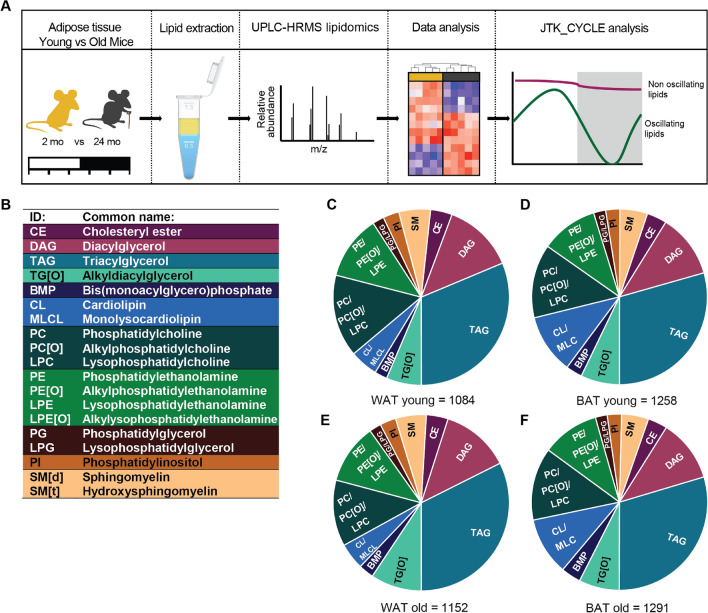
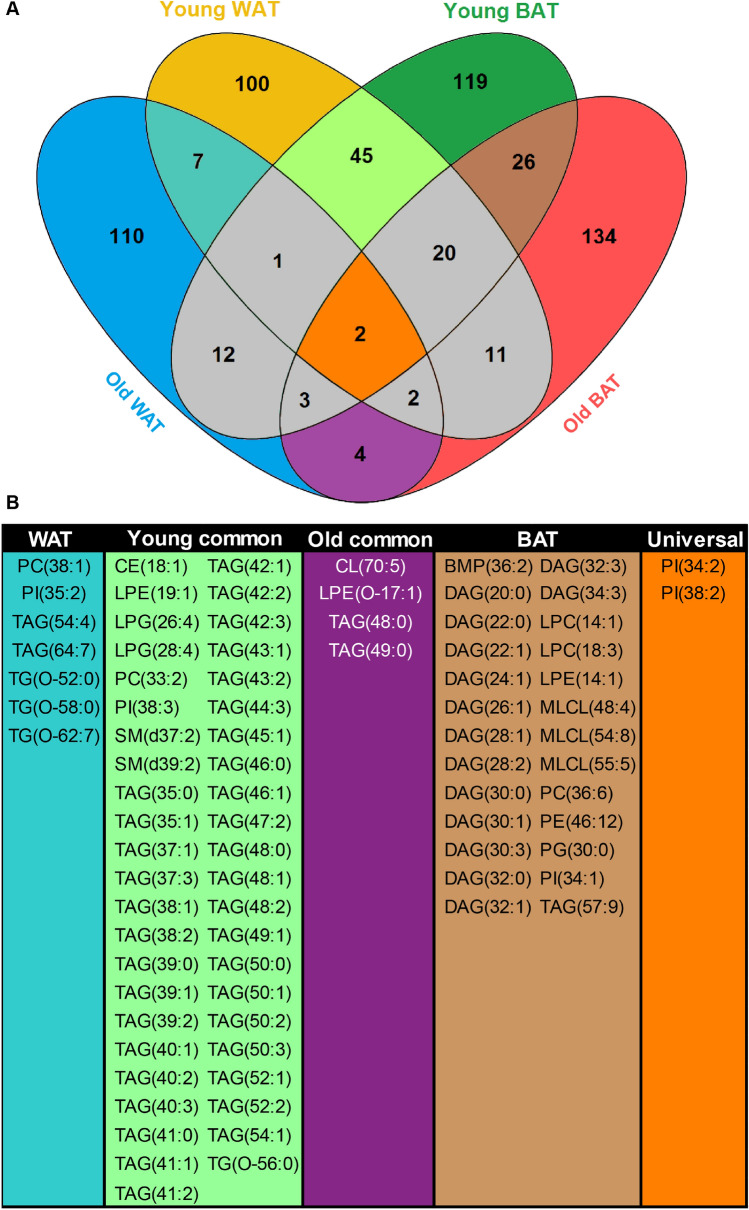
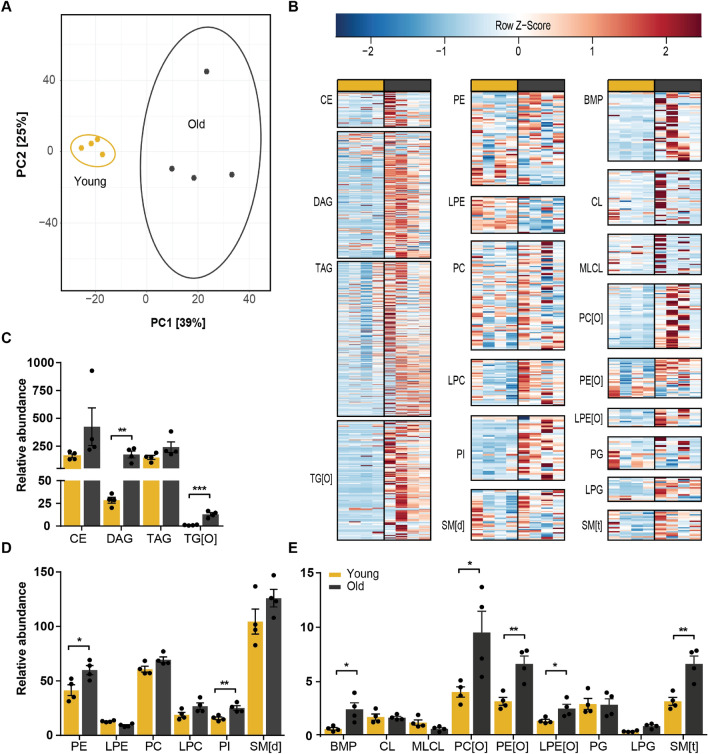
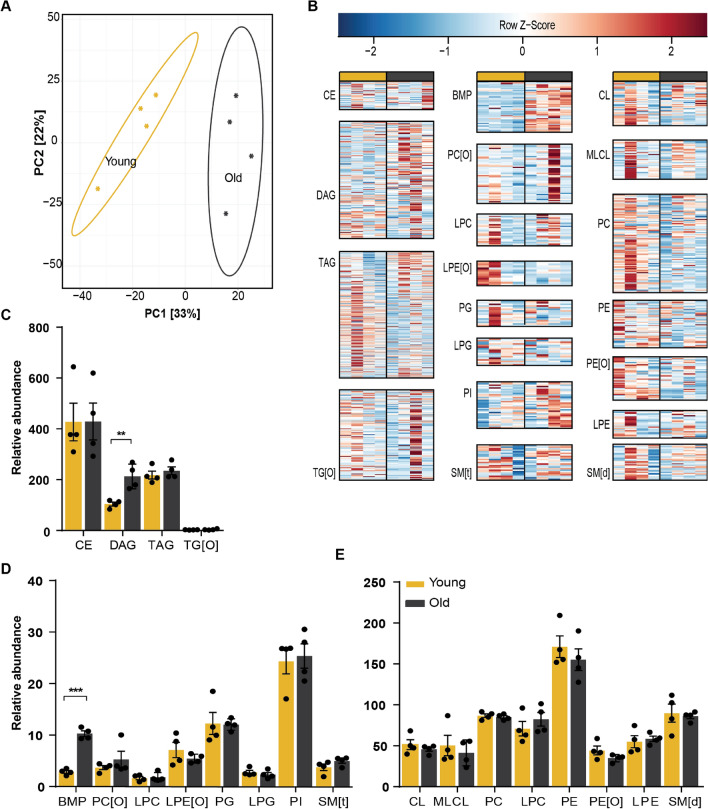
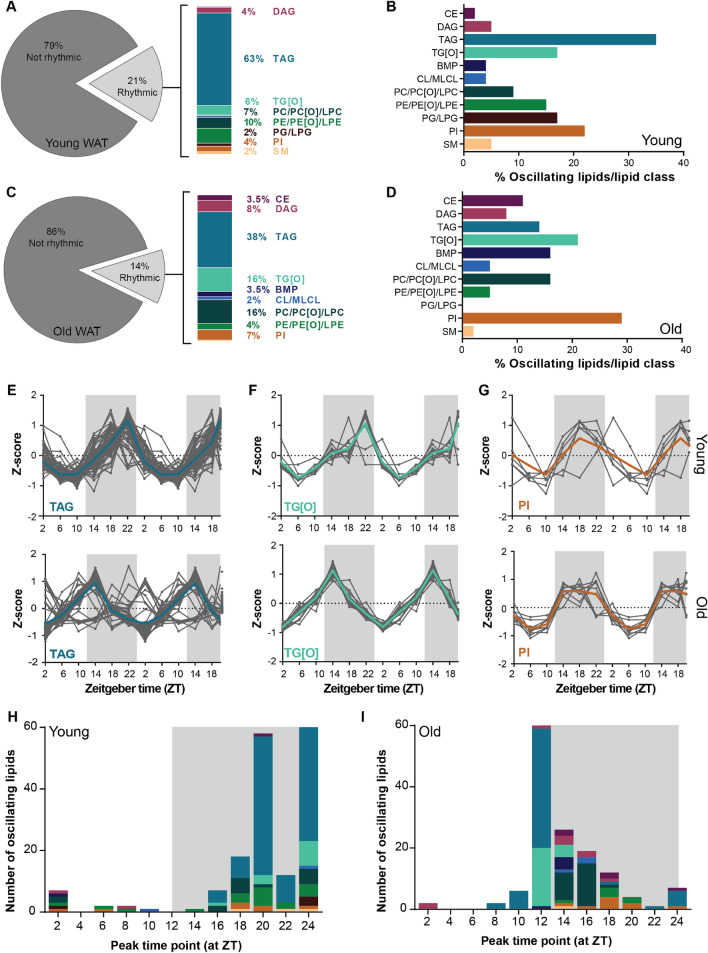
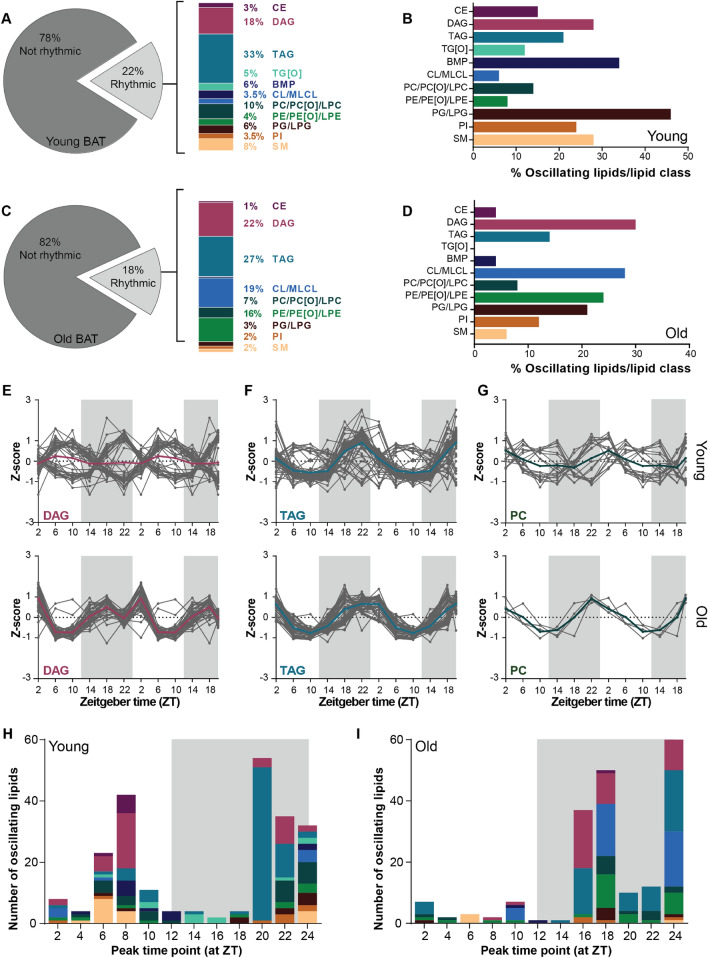
Lipid metabolism is under the control of the circadian system and circadian dysregulation has been linked to obesity and dyslipidemia. These factors and outcomes have also been associated to, or affected by, the process of aging. Here, we investigated whether murine white (WAT) and brown (BAT) adipose tissue lipids exhibit rhythmicity and if this is affected by aging. To this end, we have measured the 24 h lipid profiles of WAT and BAT using a global lipidomics analysis of > 1100 lipids. We observed rhythmicity in nearly all lipid classes including glycerolipids, glycerophospholipids, sterol lipids and sphingolipids. Overall, ~ 22% of the analyzed lipids were considered rhythmic in WAT and BAT. Despite a general accumulation of lipids upon aging the fraction of oscillating lipids decreased in both tissues to 14% and 18%, respectively. Diurnal profiles of lipids in BAT appeared to depend on the lipid acyl chain length and this specific regulation was lost in aged mice. Our study revealed how aging affects the rhythmicity of lipid metabolism and could contribute to the quest for targets that improve diurnal lipid homeostasis to maintain cardiometabolic health during aging.
脂质代谢受昼夜节律系统的控制,昼夜节律失调与肥胖和血脂异常有关。这些因素和结果也与衰老过程有关,或者受其影响。在这里,我们研究了小鼠白色(WAT)和棕色(BAT)脂肪组织的脂质是否表现出节律性,以及这种节律性是否受到衰老的影响。为此,我们使用全球脂质组学分析方法对超过 1100 种脂质进行了 24 小时脂质谱分析,以测量 WAT 和 BAT 的脂质 24 小时谱。我们观察到几乎所有脂质类别(包括甘油酯、甘油磷脂、固醇脂质和鞘脂)都具有节律性。总体而言,WAT 和 BAT 中有~22%的分析脂质被认为具有节律性。尽管随着年龄的增长脂质会普遍积累,但在这两种组织中,振荡脂质的比例分别下降到 14%和 18%。BAT 中脂质的昼夜变化似乎取决于脂质酰链长度,而这种特定的调节在老年小鼠中丧失。我们的研究揭示了衰老如何影响脂质代谢的节律性,并有助于寻找改善昼夜脂质动态平衡的靶点,以在衰老过程中维持心脏代谢健康。