Agriculture Department, Faculty of Environmental Sciences, King Abdulaziz University, P.O. Box 80208, Jeddah, 21589, Saudi Arabia.
The Strategic Center to Kingdom Vision Realization, King Abdulaziz University, Jeddah, Saudi Arabia.
Environ Sci Pollut Res Int. 2021 May;28(18):22241-22264. doi: 10.1007/s11356-021-13018-1. Epub 2021 Mar 18.
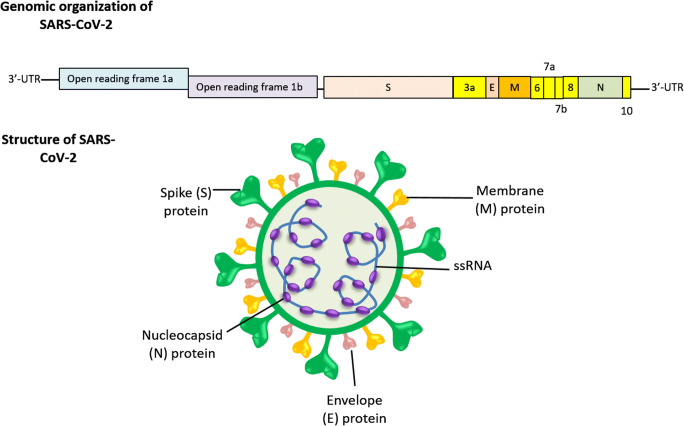
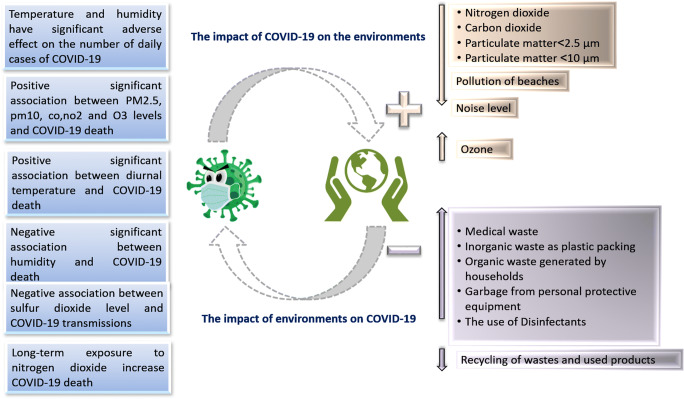
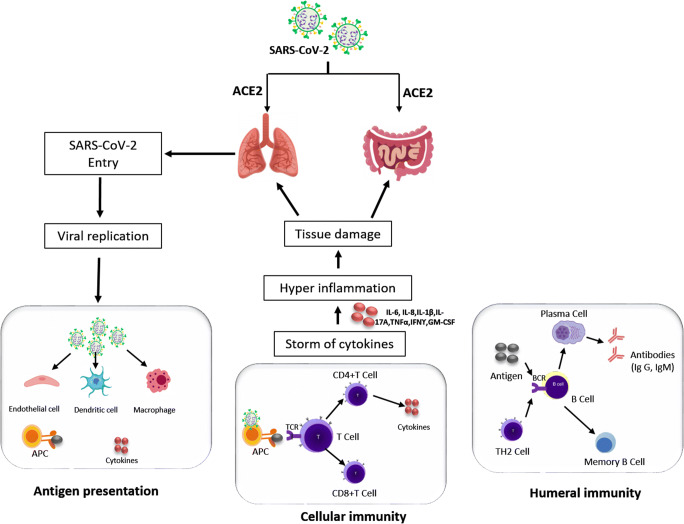
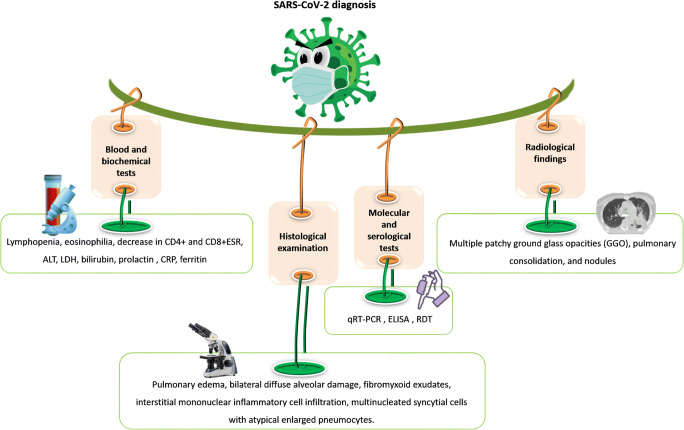
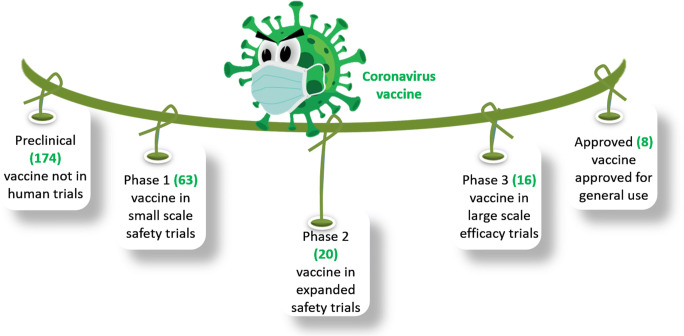
Diseases negatively impact the environment, causing many health risks and the spread of pollution and hazards. A novel coronavirus, severe acute respiratory syndrome coronavirus type 2 (SARS-CoV-2) has led to a recent respiratory syndrome epidemic in humans. In December 2019, the sudden emergence of this new coronavirus and the subsequent severe disease it causes created a serious global health threat and hazards. This is in contrast to the two aforementioned coronaviruses, SARS-CoV-2 (in 2002) and middle east respiratory syndrome coronavirus MERS-CoV (in 2012), which were much more easily contained. The World Health Organization (WHO) dubbed this contagious respiratory disease an "epidemic outbreak" in March 2020. More than 80 companies and research institutions worldwide are working together, in cooperation with many governmental agencies, to develop an effective vaccine. To date, six authorized vaccines have been registered. Up till now, no approved drugs and drug scientists are racing from development to clinical trials to find new drugs for COVID-19. Wild animals, such as snakes, bats, and pangolins are the main sources of coronaviruses, as determined by the sequence homology between MERS-CoV and viruses in these animals. Human infection is caused by inhalation of respiratory droplets. To date, the only available treatment protocol for COVID-19 is based on the prevalent clinical signs. This review aims to summarize the current information regarding the origin, evolution, genomic organization, epidemiology, and molecular and cellular characteristics of SARS-CoV-2 as well as the diagnostic and treatment approaches for COVID-19 and its impact on global health, environment, and economy.
疾病对环境产生负面影响,导致许多健康风险以及污染和危害的传播。一种新型冠状病毒,即严重急性呼吸系统综合征冠状病毒 2 型(SARS-CoV-2),导致了人类最近的呼吸系统综合征疫情。2019 年 12 月,这种新型冠状病毒的突然出现及其随后引起的严重疾病,对全球健康造成了严重威胁和危害。这与上述两种冠状病毒(SARS-CoV 于 2002 年和中东呼吸综合征冠状病毒 MERS-CoV 于 2012 年)形成鲜明对比,后两种冠状病毒更容易控制。世界卫生组织(WHO)于 2020 年 3 月将这种传染性呼吸道疾病称为“流行病爆发”。全球有 80 多家公司和研究机构与许多政府机构合作,共同开发有效的疫苗。迄今为止,已有六种授权疫苗注册。迄今为止,尚无批准的药物和药物科学家正在从开发到临床试验加速寻找针对 COVID-19 的新药。野生动物,如蛇、蝙蝠和穿山甲,是 MERS-CoV 与这些动物中病毒之间序列同源性所确定的冠状病毒的主要来源。人类感染是通过吸入呼吸道飞沫引起的。迄今为止,COVID-19 的唯一可用治疗方案是基于现有的临床症状。本综述旨在总结 SARS-CoV-2 的起源、进化、基因组组织、流行病学以及分子和细胞特征,以及 COVID-19 的诊断和治疗方法及其对全球健康、环境和经济的影响的现有信息。