de Souza Fernanda Sumika Hojo, Hojo-Souza Natália Satchiko, Batista Ben Dêivide de Oliveira, da Silva Cristiano Maciel, Guidoni Daniel Ludovico
Department of Computer Science, Federal University of São João del-Rei, Sao Joao del-Rei, MG, Brazil.
Laboratory of Immunopathology, Oswaldo Cruz Foundation - Minas, Belo Horizonte, MG, Brazil.
PLoS One. 2021 Mar 18;16(3):e0248580. doi: 10.1371/journal.pone.0248580. eCollection 2021.
Brazil became the epicenter of the COVID-19 epidemic in a brief period of a few months after the first officially registered case. The knowledge of the epidemiological/clinical profile and the risk factors of Brazilian COVID-19 patients can assist in the decision making of physicians in the implementation of early and most appropriate measures for poor prognosis patients. However, these reports are missing. Here we present a comprehensive study that addresses this demand.
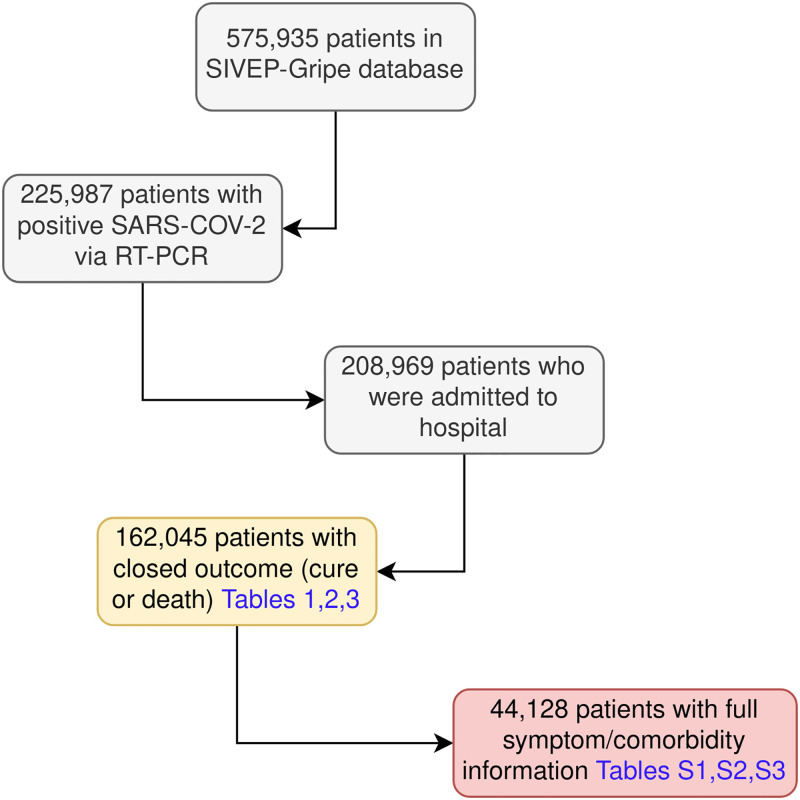
This data-driven study was based on the Brazilian Ministry of Health Database (SIVEP-Gripe) regarding notified cases of hospitalized COVID-19 patients during the period from February 26th to August 10th, 2020. Demographic data, clinical symptoms, comorbidities and other additional information of patients were analyzed.
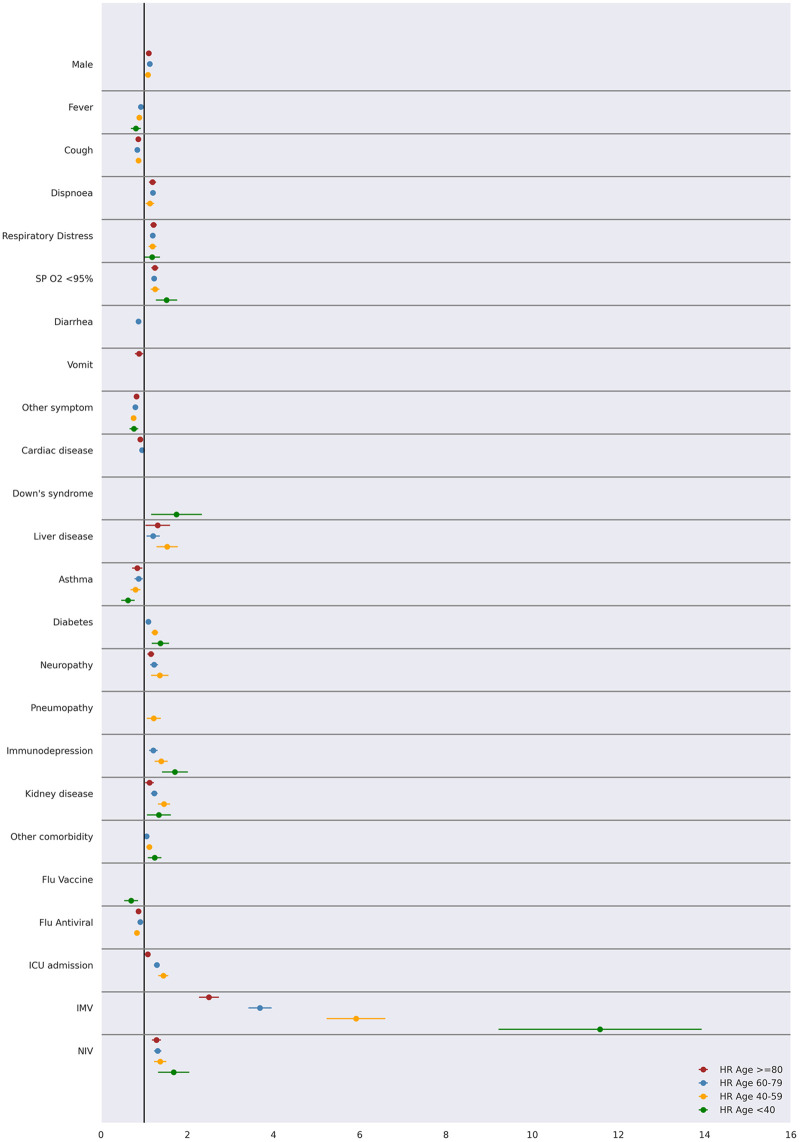
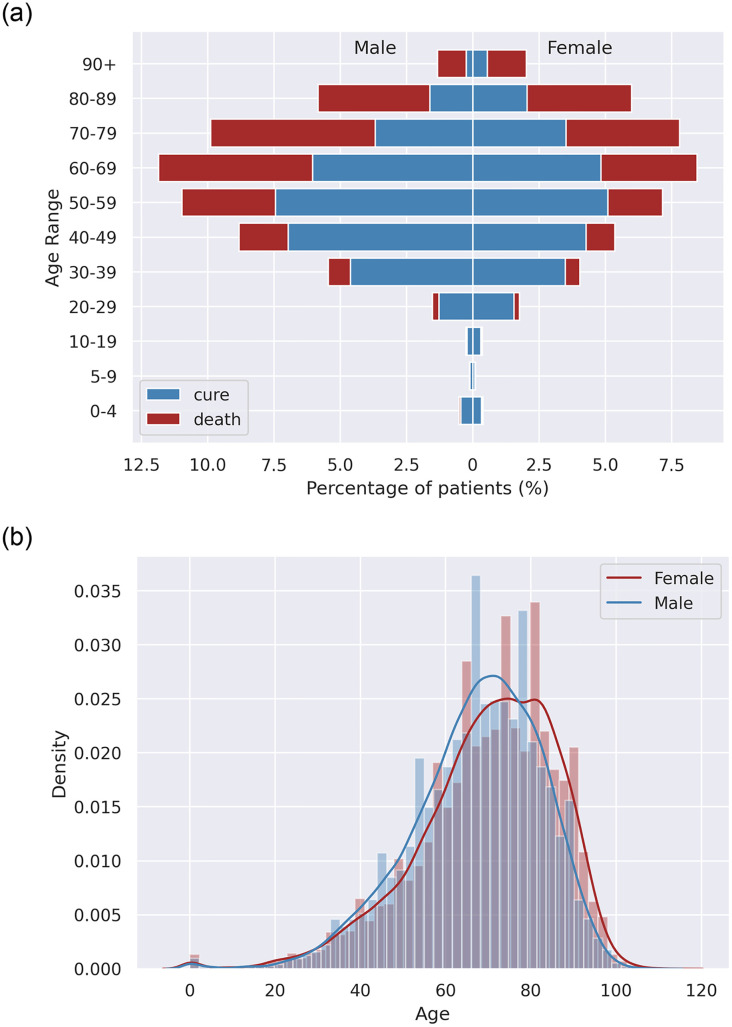
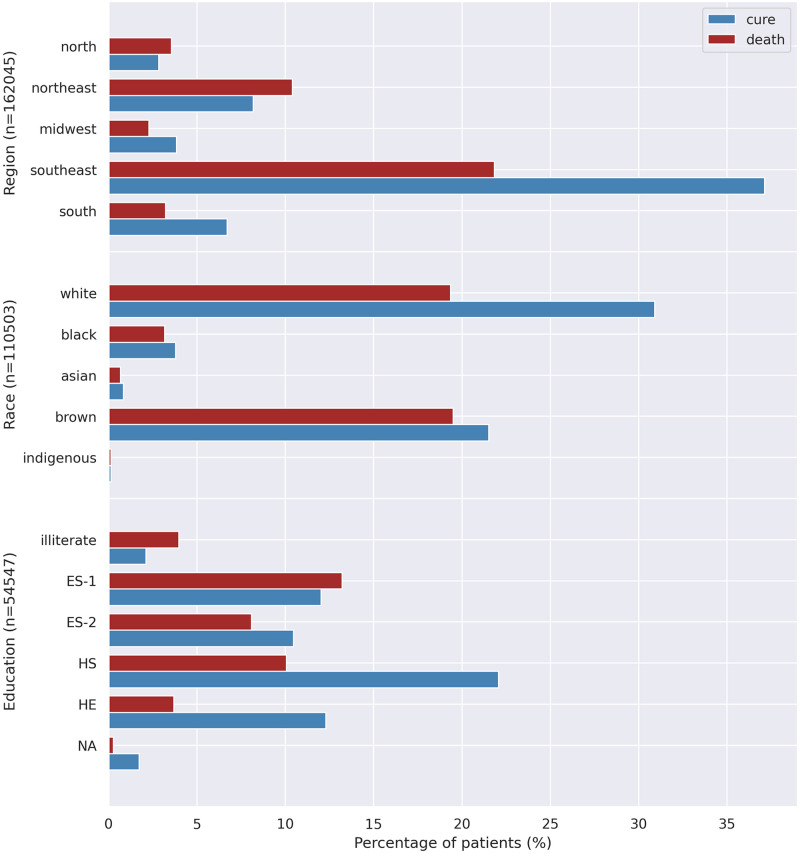
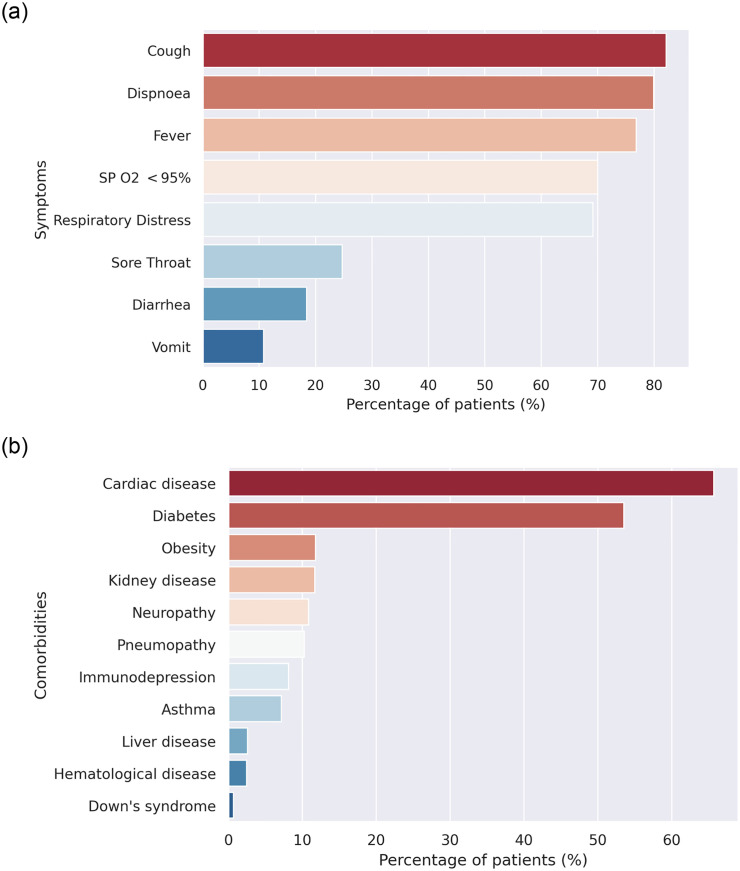
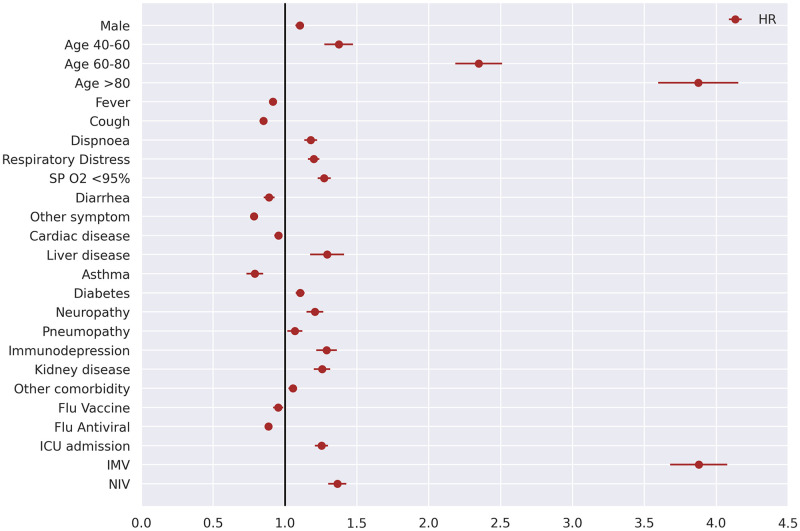
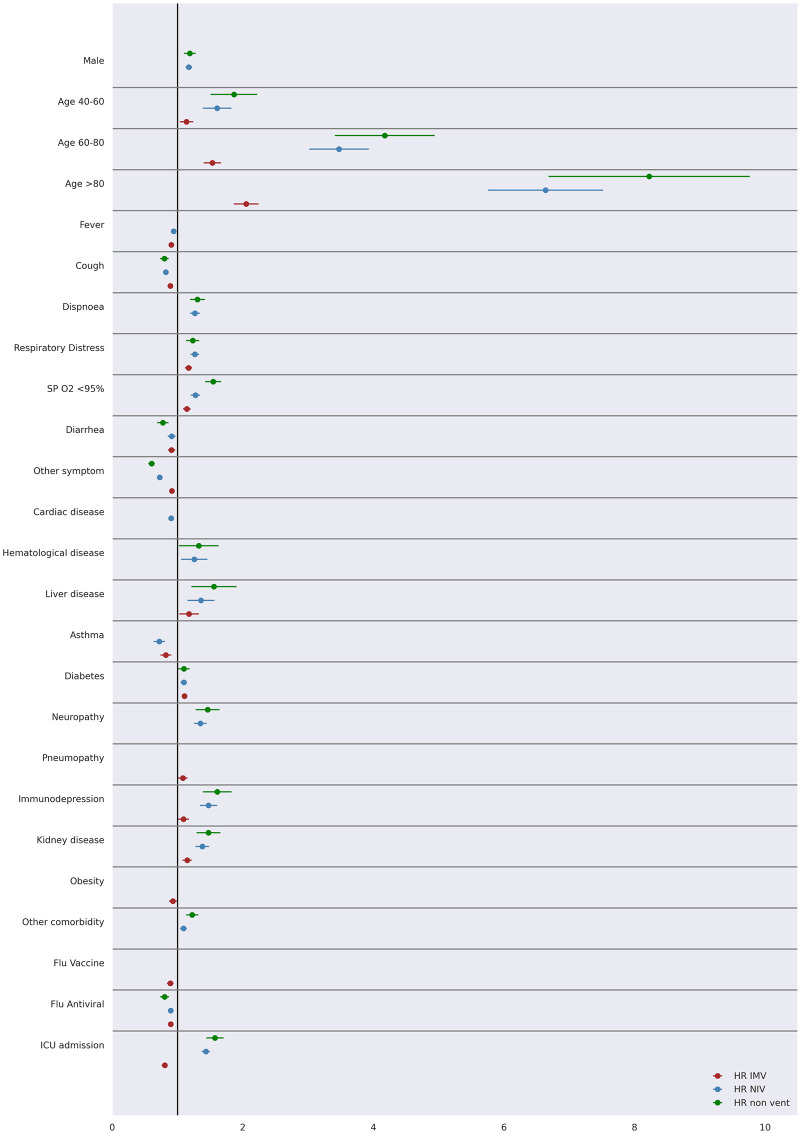
The hospitalization rate was higher for male gender (56.56%) and for older age patients of both sexes. Overall, the lethality rate was quite high (41.28%) among hospitalized patients, especially those over 60 years of age. Most prevalent symptoms were cough, dyspnoea, fever, low oxygen saturation and respiratory distress. Cardiac disease, diabetes, obesity, kidney disease, neurological disease, and pneumopathy were the most prevalent comorbidities. A high prevalence of hospitalized COVID-19 patients with cardiac disease (65.7%) and diabetes (53.55%) and with a high lethality rate of around 50% was observed. The intensive care unit (ICU) admission rate was 39.37% and of these 62.4% died. 24.4% of patients required invasive mechanical ventilation (IMV), with high mortality among them (82.98%). The main mortality risk predictors were older age and IMV requirement. In addition, socioeconomic conditions have been shown to significantly influence the disease outcome, regardless of age and comorbidities.
Our study provides a comprehensive overview of the hospitalized Brazilian COVID-19 patients profile and the mortality risk factors. The analysis also evidenced that the disease outcome is influenced by multiple factors, as unequally affects different segments of population.
在首例官方登记病例出现后的短短几个月内,巴西成为了新冠疫情的中心。了解巴西新冠患者的流行病学/临床特征及风险因素,有助于医生为预后不良患者制定早期且最合适的治疗措施。然而,目前缺少此类报告。在此,我们开展了一项全面研究以满足这一需求。
本数据驱动型研究基于巴西卫生部数据库(SIVEP - Gripe),该数据库记录了2020年2月26日至8月10日期间新冠住院患者的通报病例。分析了患者的人口统计学数据、临床症状、合并症及其他附加信息。
男性住院率更高(56.56%),且各年龄段的老年患者住院率也更高。总体而言,住院患者的致死率相当高(41.28%),尤其是60岁以上的患者。最常见的症状为咳嗽、呼吸困难、发热、低氧饱和度和呼吸窘迫。心脏病、糖尿病、肥胖症、肾病、神经系统疾病和肺病是最常见的合并症。观察到患有心脏病(65.7%)和糖尿病(53.55%)的新冠住院患者患病率较高,且致死率约为50%。重症监护病房(ICU)收治率为39.37%,其中62.4%死亡。24.4%的患者需要有创机械通气(IMV),其死亡率很高(82.98%)。主要的死亡风险预测因素为高龄和需要IMV。此外,社会经济状况已被证明会显著影响疾病结局,无论年龄和合并症如何。
我们的研究全面概述了巴西新冠住院患者的特征及死亡风险因素。分析还表明,疾病结局受多种因素影响,且对不同人群的影响程度不均。