Zinellu Angelo, Mangoni Arduino A
Department of Biomedical Sciences, University of Sassari, 07100 Sassari, Italy.
Discipline of Clinical Pharmacology, College of Medicine and Public Health, Flinders University and Flinders Medical Centre, Adelaide, SA 5042, Australia.
J Clin Med. 2021 Jan 14;10(2):286. doi: 10.3390/jcm10020286.
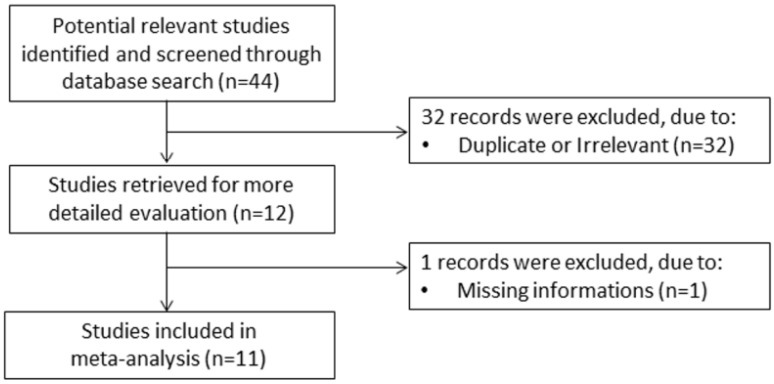
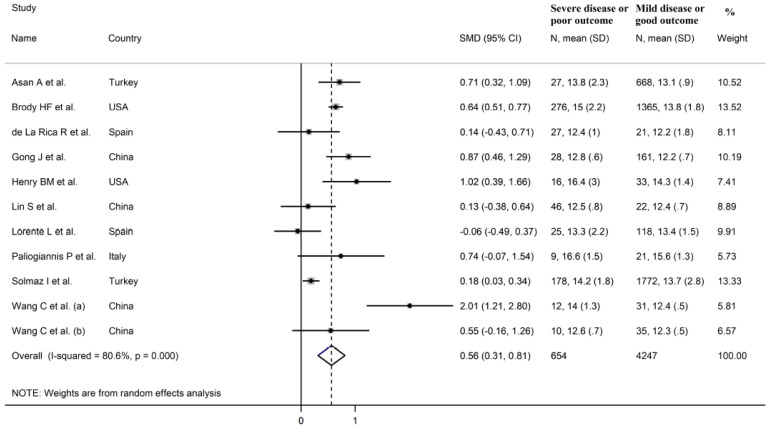
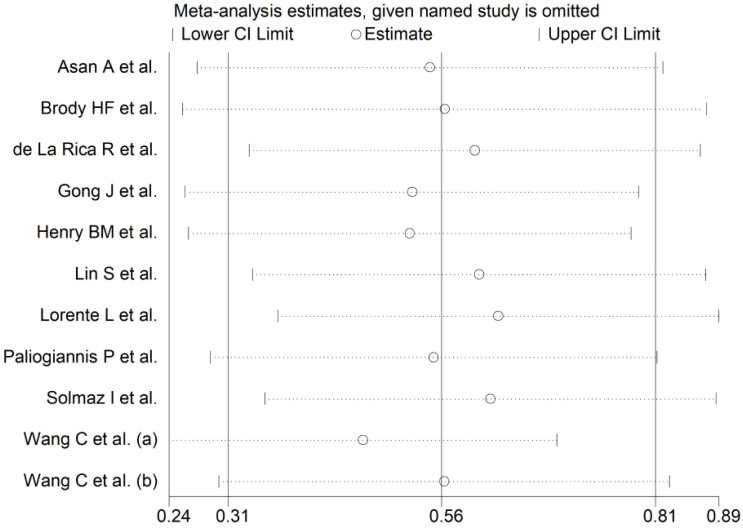
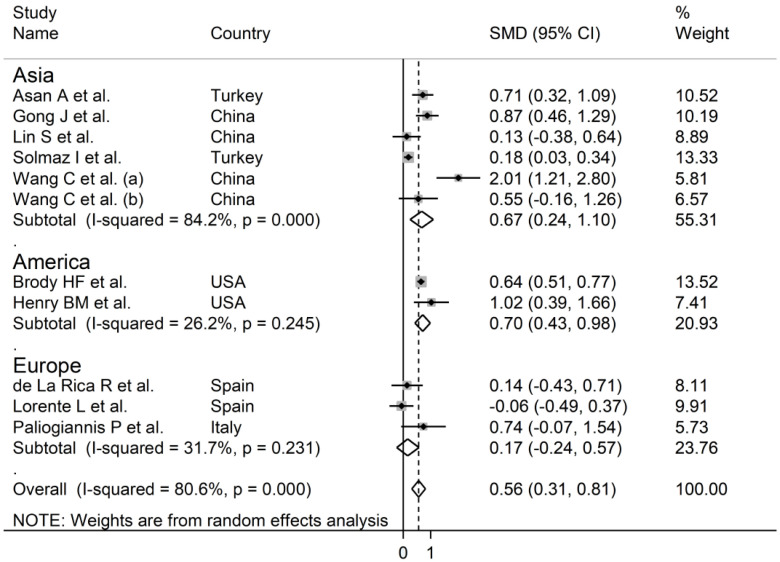
The identification of biomarkers predicting disease severity and outcomes is the focus of intense research in patients with severe acute respiratory syndrome coronavirus 2 (SARS-CoV-2 infection). Ideally, such biomarkers should be easily derivable from routine tests. We conducted a systematic review and meta-analysis of the predictive role of the red blood cell distribution width (RDW), a routine hematological test, in patients with SARS-CoV-2 infection. We searched the electronic databases PubMed, Web of Science and Scopus, from January 2020 to November 2020, for studies reporting data on the RDW and coronavirus disease 2019 (COVID-19) severity, defined as severe illness or admission to the intensive care unit (ICU), and mortality. Eleven studies in 4901 COVID-19 patients were selected for the meta-analysis. Pooled results showed that the RDW values were significantly higher in patients with severe disease and non-survivors (standard mean difference, SMD = 0.56, 95% CI 0.31 to 0.81, < 0.001). Heterogeneity between studies was extreme (I = 80.6%; < 0.001). In sensitivity analysis, the effect size was not modified when each study was in turn removed (effect size range, between 0.47 and 0.63). The Begg's ( = 0.53) and Egger's tests ( = 0.52) showed no evidence of publication bias. No significant correlations were observed between SMD and age, gender, whole blood count, end point, study geographic area, or design. Our meta-analysis showed that higher RDW values are significantly associated with COVID-19 severity and mortality. This routine parameter might assist with early risk stratification in patients with SARS-CoV-2 infection.
识别预测疾病严重程度和预后的生物标志物是严重急性呼吸综合征冠状病毒2(SARS-CoV-2感染)患者密集研究的重点。理想情况下,此类生物标志物应易于从常规检测中获得。我们对红细胞分布宽度(RDW)这一常规血液学检测指标在SARS-CoV-2感染患者中的预测作用进行了系统评价和荟萃分析。我们检索了2020年1月至2020年11月的电子数据库PubMed、Web of Science和Scopus,以查找报告RDW与2019冠状病毒病(COVID-19)严重程度(定义为重症疾病或入住重症监护病房(ICU))及死亡率数据的研究。对4901例COVID-19患者的11项研究进行了荟萃分析。汇总结果显示,重症患者和非幸存者的RDW值显著更高(标准平均差,SMD = 0.56,95%CI 0.31至0.81,P < 0.001)。研究间的异质性极高(I² = 80.6%;P < 0.001)。在敏感性分析中,依次剔除每项研究时效应量未改变(效应量范围在0.47至0.63之间)。Begg检验(P = 0.53)和Egger检验(P = 0.52)未显示发表偏倚的证据。未观察到SMD与年龄、性别、全血细胞计数、终点、研究地理区域或设计之间存在显著相关性。我们的荟萃分析表明,较高的RDW值与COVID-19的严重程度和死亡率显著相关。这一常规参数可能有助于SARS-CoV-2感染患者的早期风险分层。