Systems Medicine, School of Medicine, University of Dundee, Ninewells Hospital and Medical School, Dundee, UK.
Diabetologia. 2021 May;64(5):971-977. doi: 10.1007/s00125-020-05369-0. Epub 2021 Mar 18.
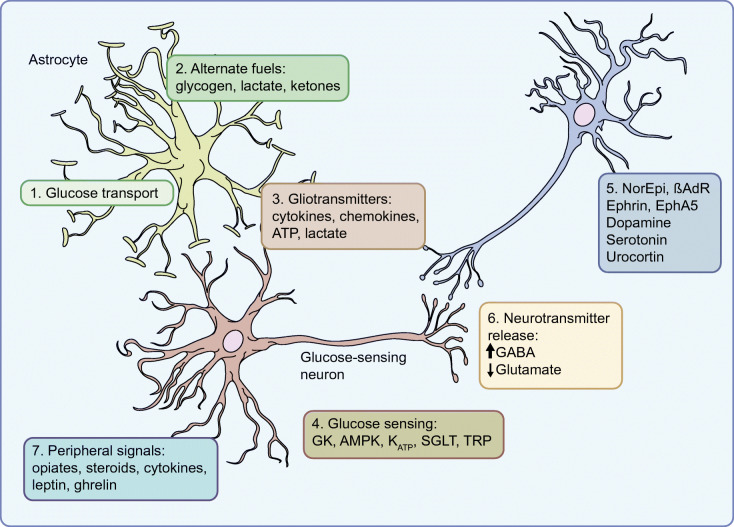
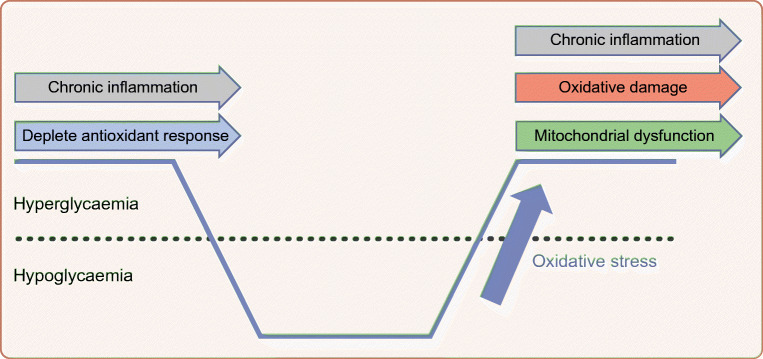
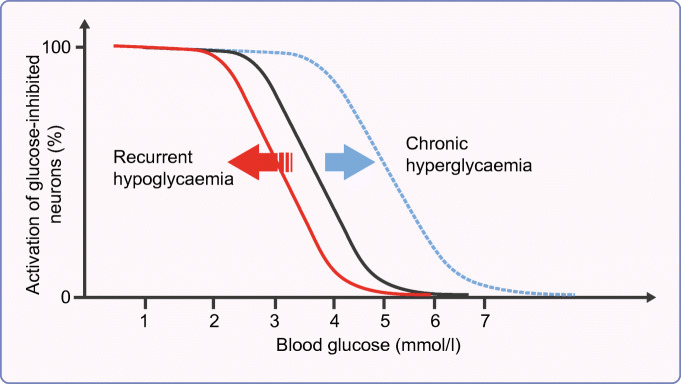
The discovery of insulin and its subsequent mass manufacture transformed the lives of people with type 1 and 2 diabetes. Insulin, however, was a drug with a 'dark side'. It brought with it the risk of iatrogenic hypoglycaemia. In this short review, the cellular consequences of recurrent hypoglycaemia, with a particular focus on the brain, are discussed. Using the ventromedial hypothalamus as an exemplar, this review highlights how recurrent hypoglycaemia has an impact on the specialised cells in the brain that are critical to the regulation of glucose homeostasis and the counterregulatory response to hypoglycaemia. In these cells, recurrent hypoglycaemia initiates a series of adaptations that ensure that they are more resilient to subsequent hypoglycaemia, but this leads to impaired hypoglycaemia awareness and a paradoxical increased risk of severe hypoglycaemia. This review also highlights how hypoglycaemia, as an oxidative stressor, may also exacerbate chronic hyperglycaemia-induced increases in oxidative stress and inflammation, leading to damage to vulnerable brain regions (and other end organs) and accelerating cognitive decline. Pre-clinical research indicates that glucose recovery following hypoglycaemia is considered a period where reactive oxygen species generation and oxidative stress are pronounced and can exacerbate the longer-term consequence of chronic hypoglycaemia. It is proposed that prior glycaemic control, hypoglycaemia and the degree of rebound hyperglycaemia interact synergistically to accelerate oxidative stress and inflammation, which may explain why increased glycaemic variability is now increasingly considered a risk factor for the complications of diabetes.
胰岛素的发现及其随后的大规模生产改变了 1 型和 2 型糖尿病患者的生活。然而,胰岛素是一种具有“阴暗面”的药物。它带来了医源性低血糖的风险。在这篇简短的综述中,讨论了反复发生的低血糖对细胞的影响,特别是对大脑的影响。本文以腹内侧下丘脑为例,强调了反复发生的低血糖如何对大脑中调节葡萄糖稳态和低血糖反调节反应的特殊细胞产生影响。在这些细胞中,反复发生的低血糖会引发一系列适应性变化,以确保它们对随后的低血糖更具弹性,但这会导致低血糖意识受损,以及严重低血糖的风险增加的悖论。这篇综述还强调了低血糖作为一种氧化应激源,如何加剧慢性高血糖引起的氧化应激和炎症增加,导致脆弱的大脑区域(和其他终末器官)受损,并加速认知能力下降。临床前研究表明,低血糖恢复后被认为是活性氧生成和氧化应激明显的时期,可能会加剧慢性低血糖的长期后果。有人提出,先前的血糖控制、低血糖和反弹性高血糖的程度协同作用,加速氧化应激和炎症,这可能解释了为什么血糖变异性增加现在越来越被认为是糖尿病并发症的一个危险因素。