Department of Critical Care Medicine, Union Hospital, Tongji Medical College, Huazhong University of Science and Technology, Wuhan, 430022, China.
Department of Otolaryngology Head and Neck Surgery, The Central Hospital of Wuhan, Tongji Medical College Huazhong University of Science and Technology, Wuhan, Hubei, China.
Int J Biol Sci. 2021 Jan 31;17(3):702-711. doi: 10.7150/ijbs.55552. eCollection 2021.
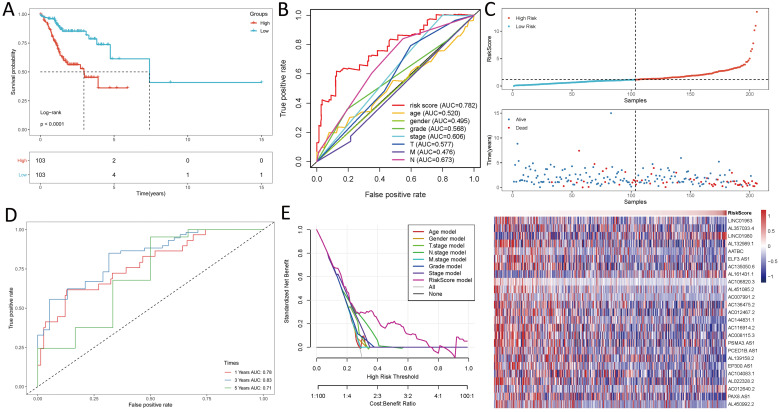
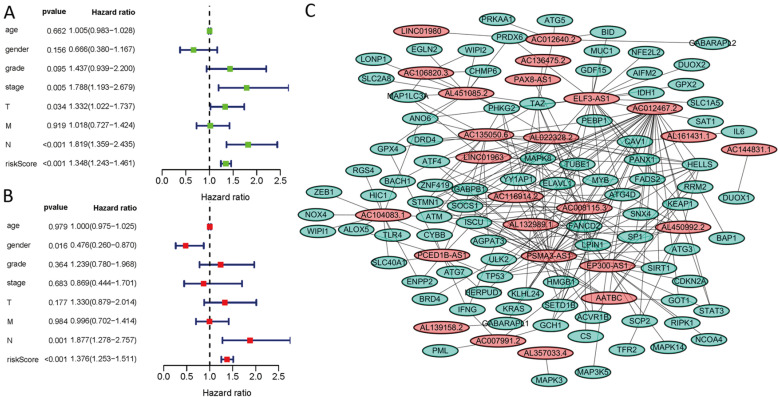
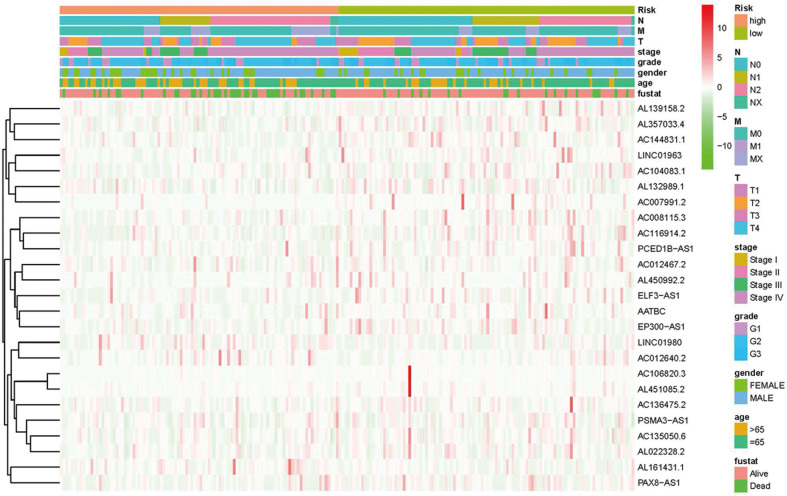
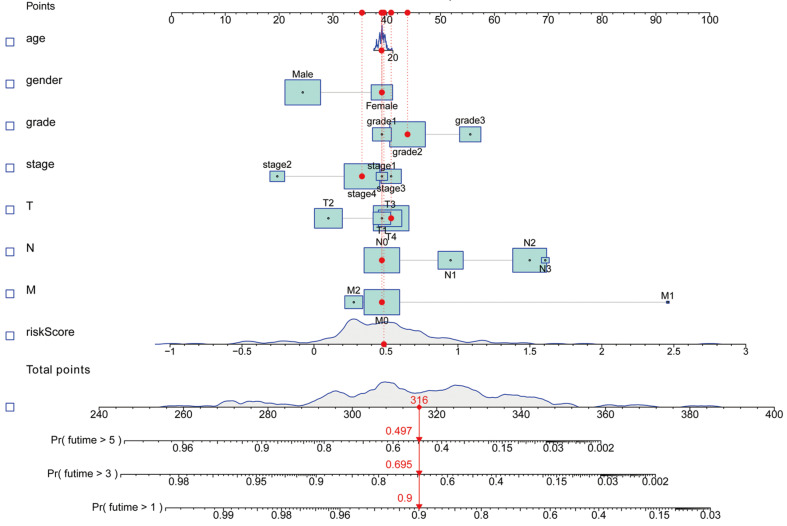
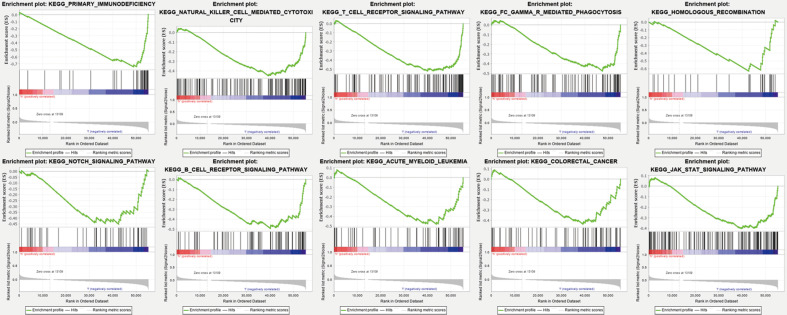
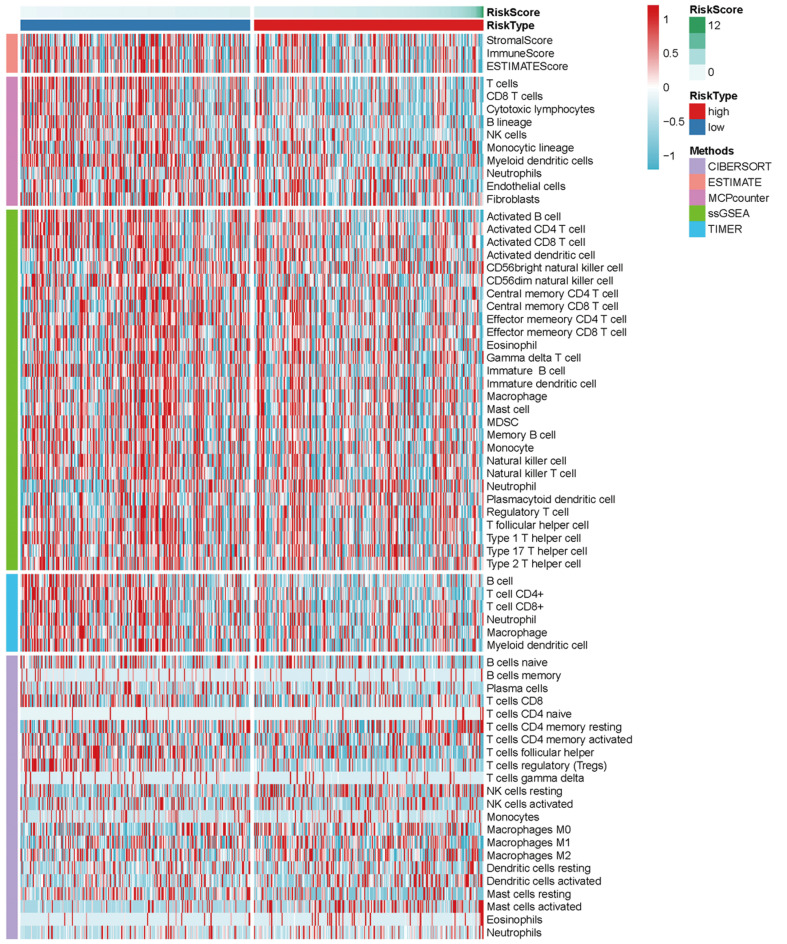
: Head and neck squamous cell carcinoma (HNSCC) are head and neck cancers. On the other hand, ferroptosis is a novel iron-dependent and ROS reliant type of cell death observed various disease conditions. : We constructed a prognostic multilncRNA signature based on ferroptosis-related differentially expressed lncRNAs in HNSCC. : We identified 25 differently expressed lncRNAs associated with prognosis of HNSCC. Kaplan-Meier analyses revealed the high-risk lncRNAs signature associated with poor prognosis of HNSCC. Moreover, the AUC of the lncRNAs signature was 0.782, underscoring their utility in prediction HNSCC prognosis. Indeed, our risk assessment model was superior to traditional clinicopathological features in predicting HNSCC prognosis. GSEA revealed the immune and tumor-related pathways in the low risk group individuals. Moreover, TCGA revealed T cell functions including cytolytic activity, HLA, regulation of inflammationp, co-stimulation, co-inhibition and coordination of type II INF response were significantly different between the low-risk and high-risk groups. Immune checkpoints such as PDCD-1 (PD-1), CTLA4 and LAG3, were also expressed differently between the two risk groups. A novel ferroptosis-related lncRNAs signature impacts on the prognosis of HNSCC.
头颈部鳞状细胞癌(HNSCC)是头颈部癌症。另一方面,铁死亡是一种新型的铁依赖性和 ROS 依赖性细胞死亡方式,在各种疾病状态下都有观察到。
我们构建了一个基于 HNSCC 中与铁死亡相关的差异表达 lncRNA 的预后多 lncRNA 特征。
我们鉴定了 25 个与 HNSCC 预后相关的差异表达 lncRNA。Kaplan-Meier 分析显示,高风险 lncRNA 特征与 HNSCC 的不良预后相关。此外,lncRNA 特征的 AUC 为 0.782,表明其在预测 HNSCC 预后方面具有实用性。事实上,我们的风险评估模型在预测 HNSCC 预后方面优于传统的临床病理特征。GSEA 揭示了低风险组个体中与免疫和肿瘤相关的途径。此外,TCGA 显示,低风险组和高风险组之间 T 细胞功能(包括细胞毒性活性、HLA、炎症调节、共刺激、共抑制和 II 型 INF 反应的协调)有显著差异。免疫检查点如 PDCD-1(PD-1)、CTLA4 和 LAG3 在两个风险组之间的表达也不同。
一个新的与铁死亡相关的 lncRNA 特征影响 HNSCC 的预后。