Zhang Yu, Yang Kui, Hou Song, Zhong Taiyang, Crush Jonathan
School of Geography and Ocean Science, Nanjing University, Nanjing, China.
School of Economics and Business Administration, Central China Normal University, Wuhan, China.
Food Nutr Res. 2021 Mar 8;65. doi: 10.29219/fnr.v65.5501. eCollection 2021.
In coping with the coronavirus disease 2019 (COVID-19) epidemic, cities adopted social isolation and lockdown measures; however, little is known about the impacts of these restrictions on household food security.
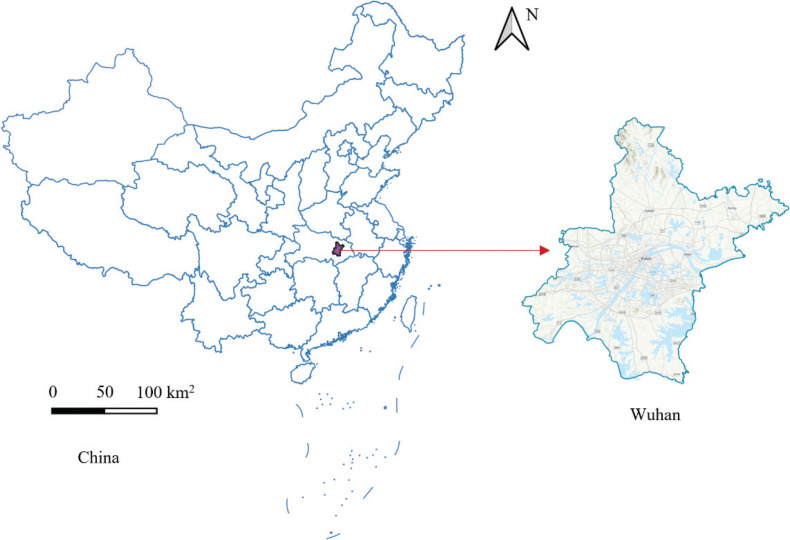
This study provides a timely assessment of household food insecurity (HFI) in the Chinese city of Wuhan during the COVID-19 epidemic period and also investigates its determinant factors.
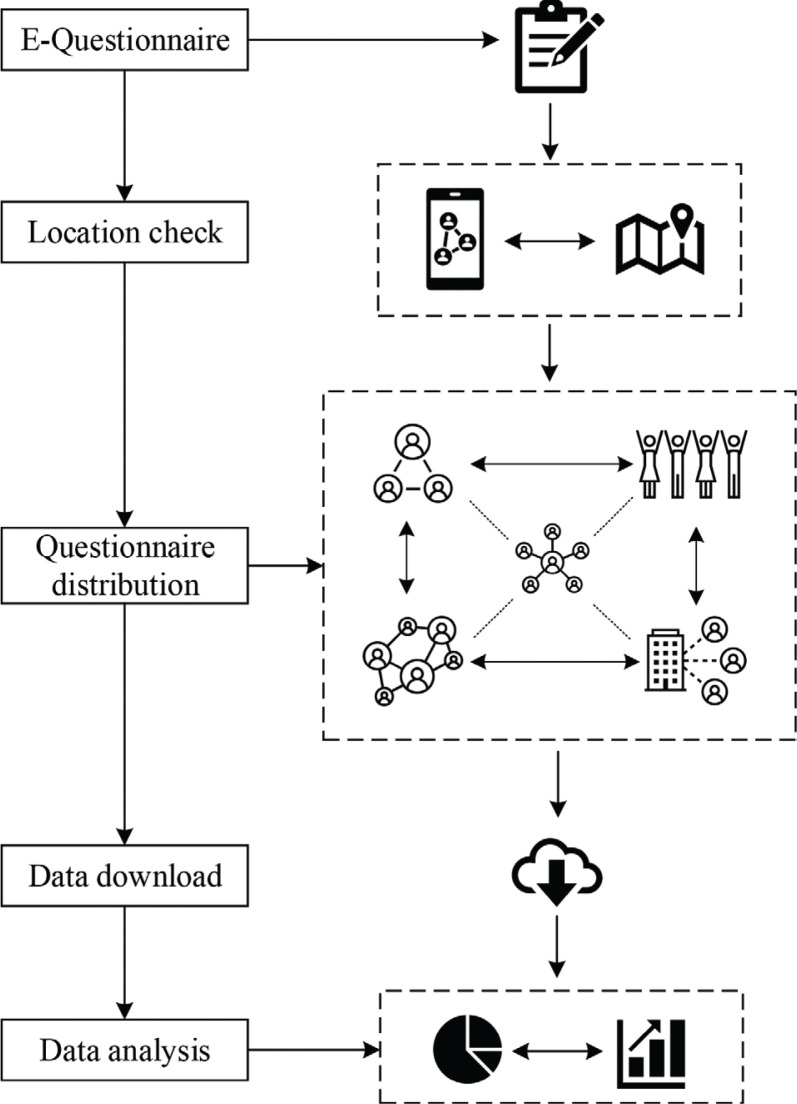
We collected valid data on food insecurity from 653 households in Wuhan via an online questionnaire in March 2020. The Household Food Insecurity Access Scale Score (HFIASS) was used to measure HFI, and a multiple linear regression model was used to determine the HFIASS.
The mean HFIASS in Wuhan was 9.42 (standard deviation: 5.82), with more than 50% of the households had an HFIASS < 9. Compared with normal conditions, lockdown measures had a huge negative impact on household food security. The results revealed that socio-demographic characteristics remained the underlying determinants of HFIASS during the epidemic. Households in Wuhan with local Hukou (city household registration) and self-owned property had a lower risk of food insecurity.
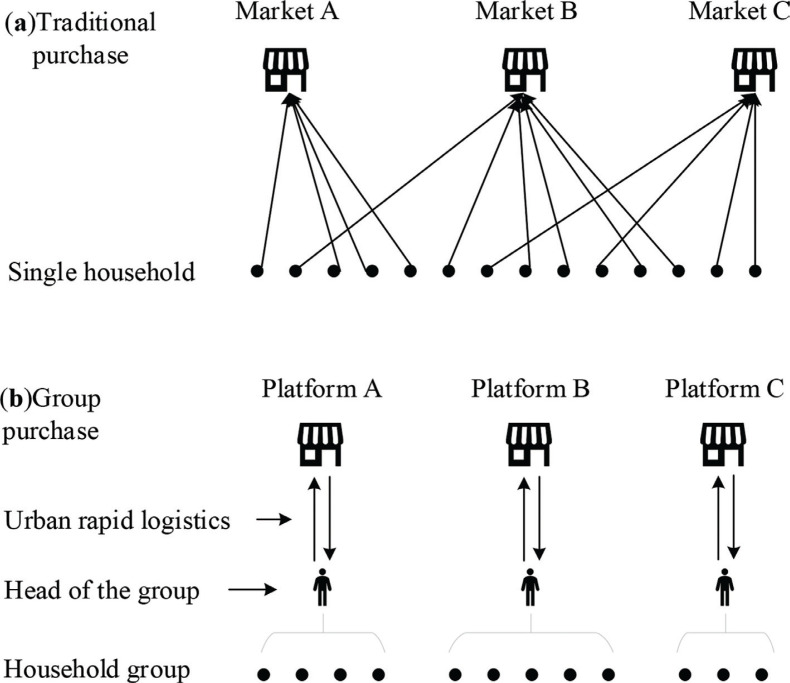
After the restriction of conventional food access channels, intermediary food purchase methods such as group purchasing, shopping with the help of neighborhood committees, property management agents, and volunteers became the most important or the only channel for residents to access food. There were similarities in the use of these intermediary channels. Based on the probability that the epidemic will continue and the probability of similar public health-related outbreaks in the future, the study calls for a more resilient and responsive sustainable food supply system by harnessing the capacity of communities, e-commerce and rapid logistics.
在应对2019年冠状病毒病(COVID-19)疫情期间,各城市采取了社会隔离和封锁措施;然而,对于这些限制措施对家庭粮食安全的影响却知之甚少。
本研究及时评估了COVID-19疫情期间中国武汉市家庭粮食不安全状况,并调查了其决定因素。
我们于2020年3月通过在线问卷收集了武汉市653户家庭粮食不安全的有效数据。采用家庭粮食不安全获取量表得分(HFIASS)来衡量家庭粮食不安全状况,并使用多元线性回归模型来确定HFIASS。
武汉市家庭粮食不安全获取量表得分的平均值为9.42(标准差:5.82),超过50%的家庭HFIASS<9。与正常情况相比,封锁措施对家庭粮食安全产生了巨大的负面影响。结果显示,社会人口学特征仍是疫情期间家庭粮食不安全获取量表得分的潜在决定因素。在武汉,拥有本地户口(城市户籍)和自有房产的家庭粮食不安全风险较低。
在传统粮食获取渠道受限后,团购、借助居委会、物业管理公司和志愿者购物等中间粮食购买方式成为居民获取粮食的最重要或唯一渠道。这些中间渠道的使用存在相似之处。基于疫情持续的可能性以及未来类似公共卫生相关疫情爆发的可能性,该研究呼吁通过利用社区、电子商务和快速物流的能力,建立一个更具弹性和响应能力的可持续粮食供应系统。