Department of Natural & Applied Sciences, Bentley University, Waltham, MA 02452, United States.
Center for Integration of Science and Industry, Bentley University, Waltham, MA 02452, United States; Department of Mathematical Sciences, Bentley University, Waltham, MA 02452, United States.
Vaccine. 2021 Apr 22;39(17):2458-2466. doi: 10.1016/j.vaccine.2021.03.022. Epub 2021 Mar 8.
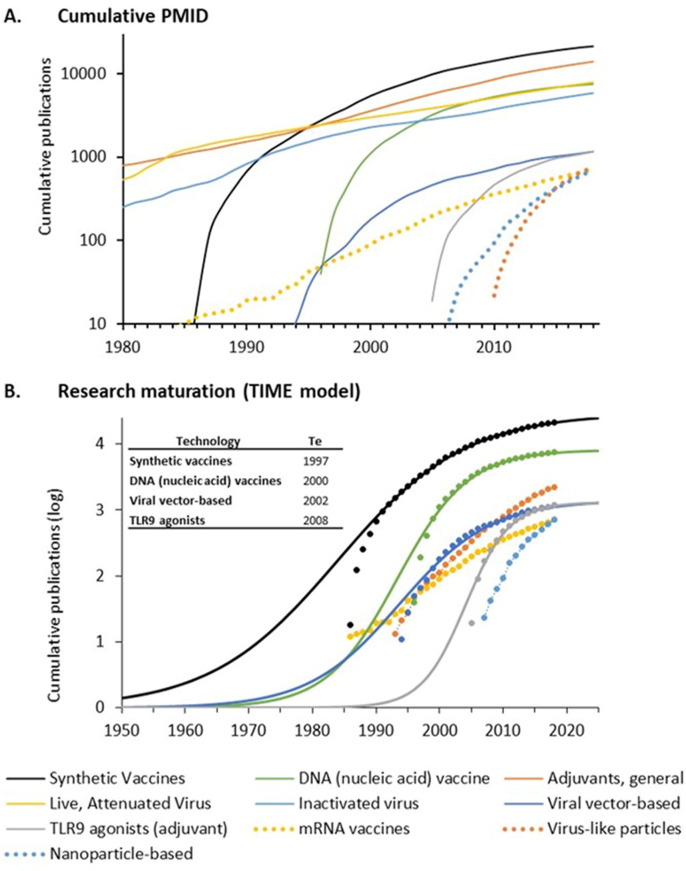
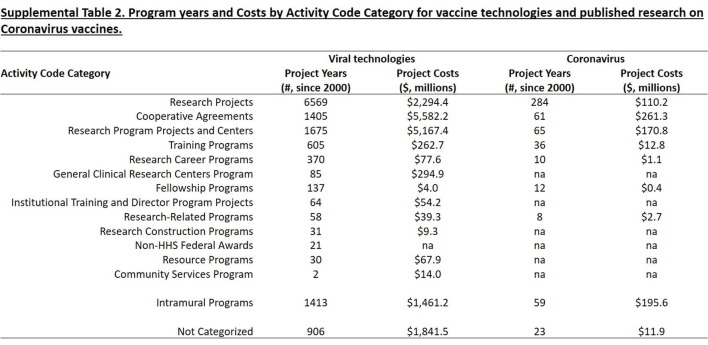
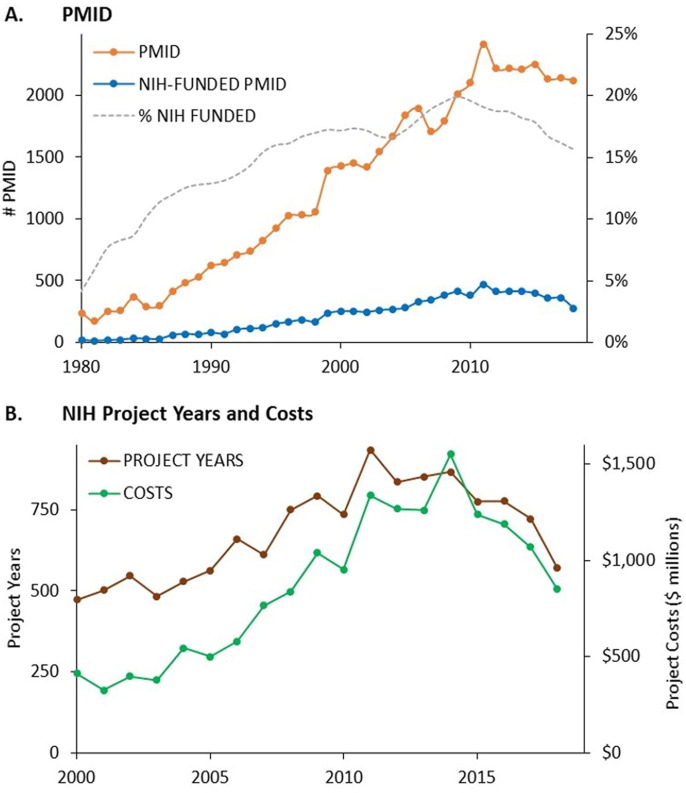
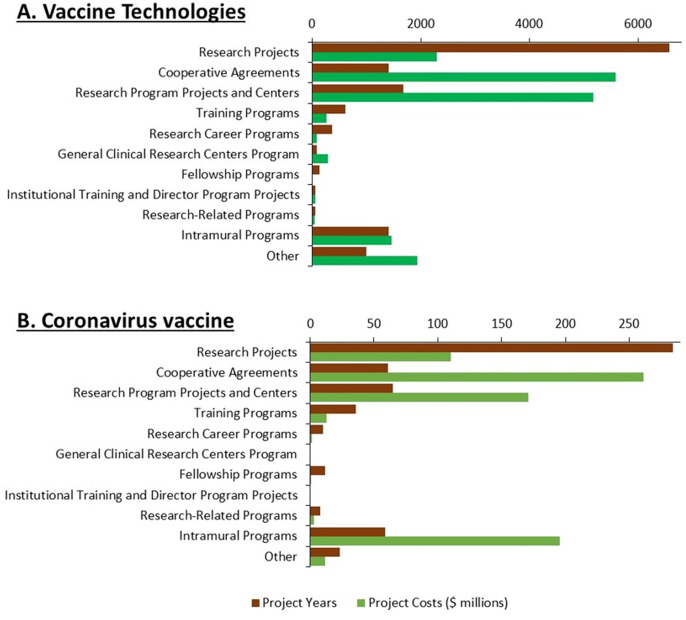
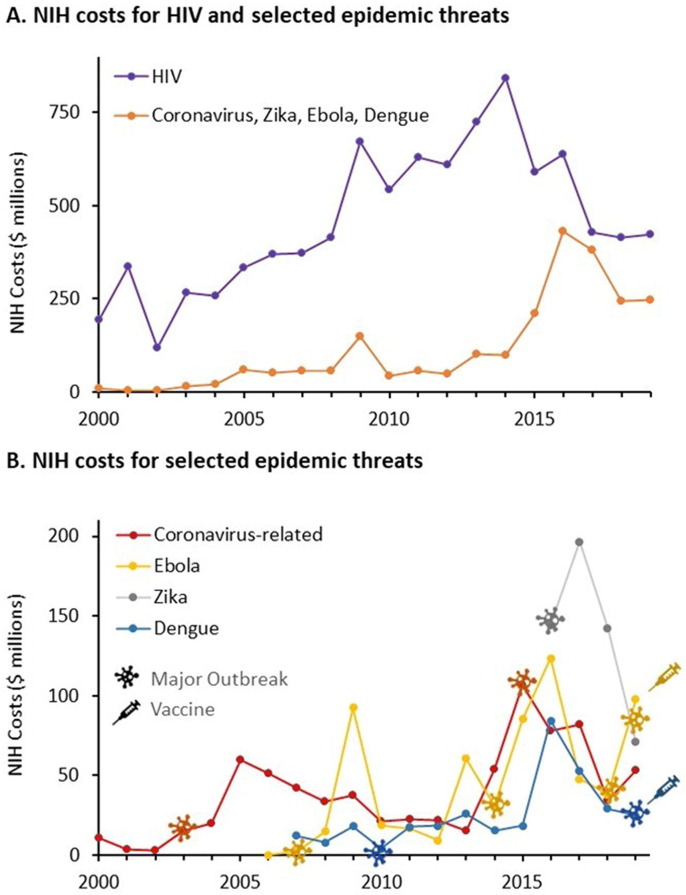
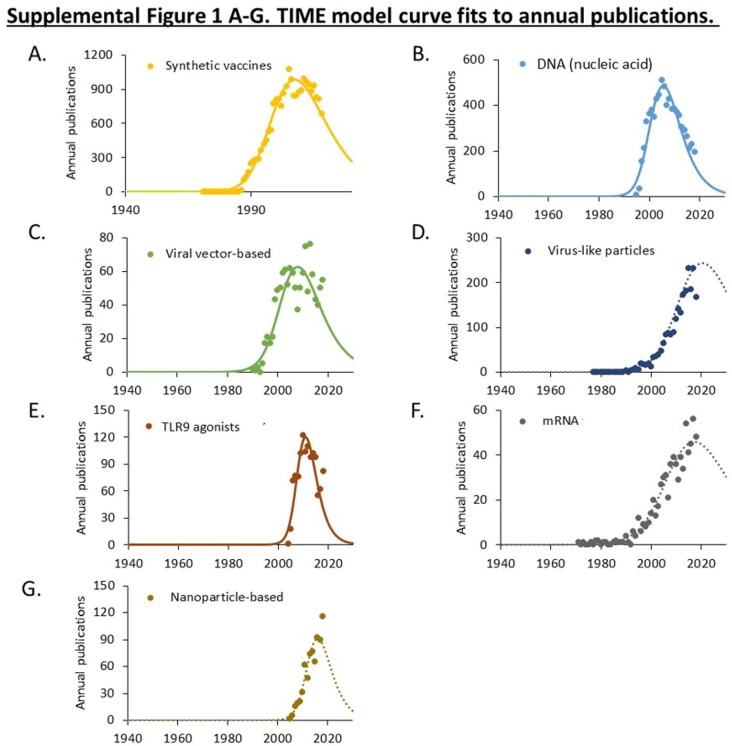
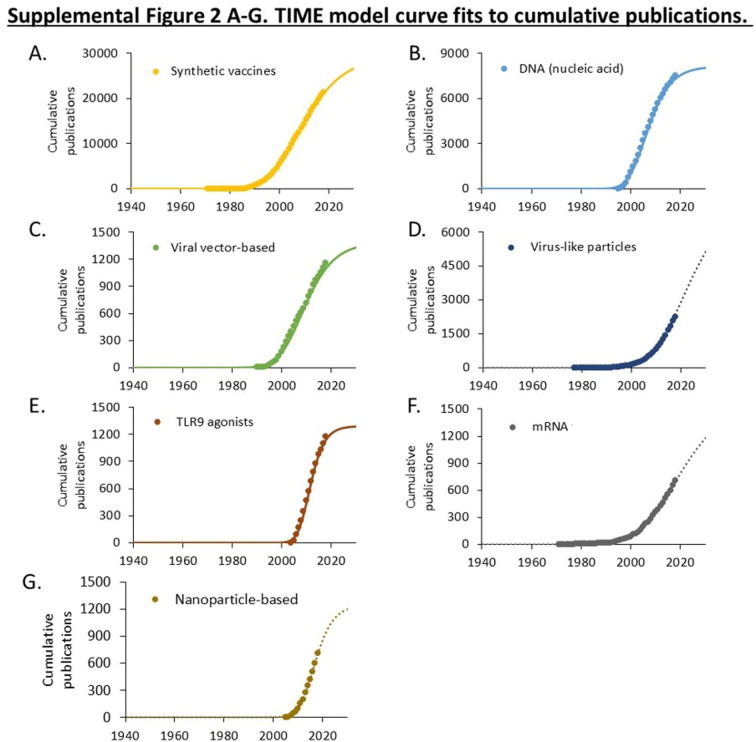
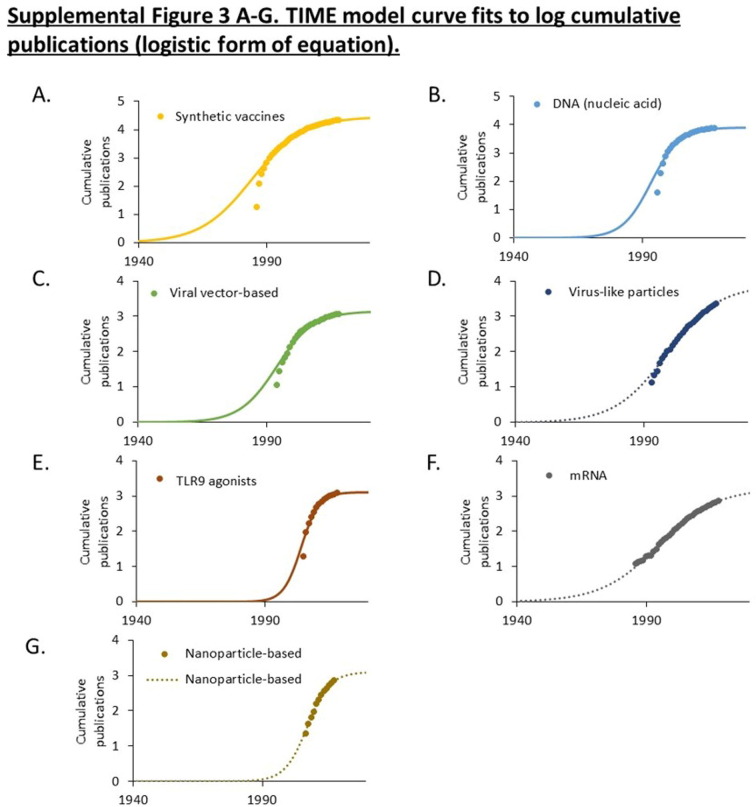
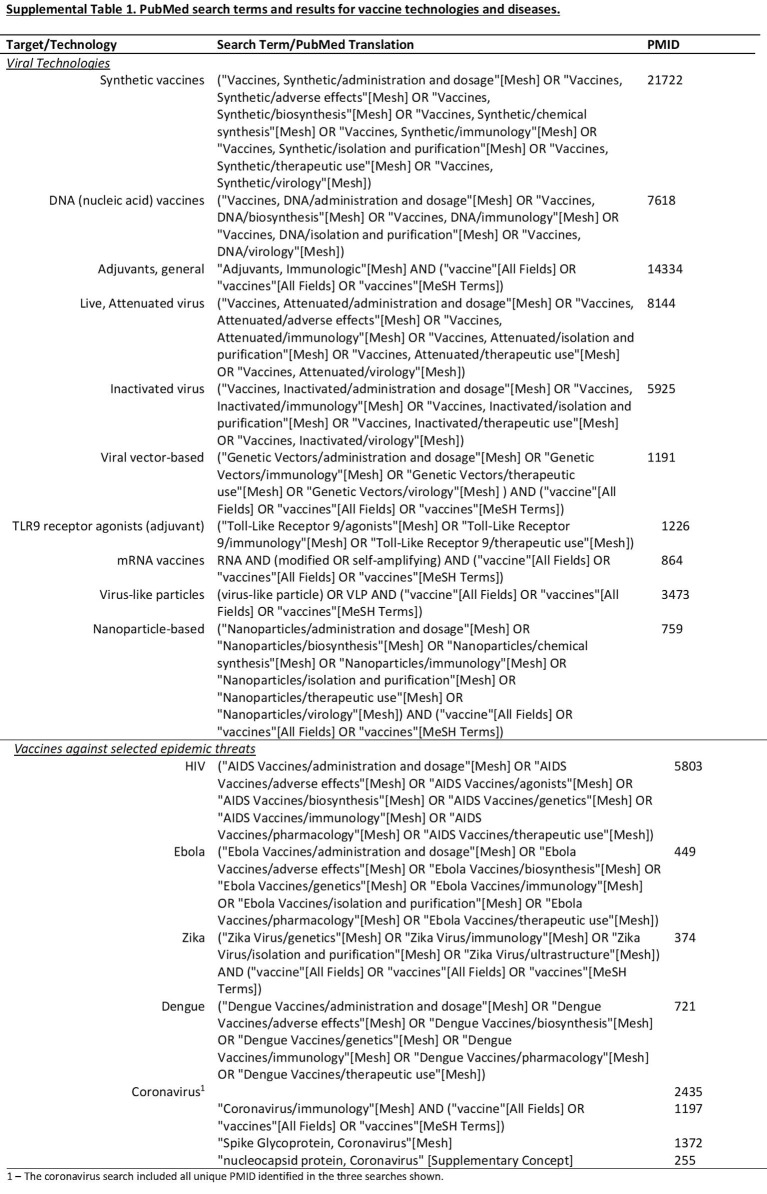
Rapid development of vaccines for COVID-19 has relied on the application of existing vaccine technologies. This work examines the maturity of ten technologies employed in candidate vaccines (as of July 2020) and NIH funding for published research on these technologies from 2000-2019. These technologies vary from established platforms, which have been used successfully in approved products, to emerging technologies with no prior clinical validation. A robust body of published research on vaccine technologies was supported by 16,358 fiscal years of NIH funding totaling $17.2 billion from 2000-2019. During this period, NIH funding for published vaccine research against specific pandemic threats such as coronavirus, Zika, Ebola, and dengue was not sustained. NIH funding contributed substantially to the advance of technologies available for rapid development of COVID-19 vaccines, suggesting the importance of sustained public sector funding for foundational technologies in the rapid response to emerging public health threats.
疫苗技术的快速发展依赖于现有疫苗技术的应用。本研究考察了截至 2020 年 7 月,在候选疫苗中使用的十种技术的成熟度,以及 NIH 对这些技术从 2000 年至 2019 年发表的研究的资助情况。这些技术从已被成功应用于获批产品的成熟平台,到尚无临床验证的新兴技术,各不相同。从 2000 年至 2019 年,NIH 在疫苗技术方面的研究得到了 16358 个财政年度共 172 亿美元的资助,这些研究为疫苗技术提供了坚实的基础。在此期间,NIH 对针对冠状病毒、寨卡病毒、埃博拉病毒和登革热等特定大流行威胁的疫苗研究的资助并未持续。NIH 的资助为快速开发 COVID-19 疫苗提供了现有技术的发展,这表明在应对新出现的公共卫生威胁时,持续的公共部门对基础技术的资助具有重要意义。