Center for Tropical and Emerging Global Diseases and Department of Cellular Biology, University of Georgia, Athens, Georgia, United States of America.
Department of Human Genetics, South Texas Diabetes and Obesity Institute, and Center for Vector-Borne Diseases, The University of Texas Rio Grande Valley, Brownsville/Edinburg/Harlingen, Texas, United States of America.
PLoS Negl Trop Dis. 2021 Mar 31;15(3):e0009141. doi: 10.1371/journal.pntd.0009141. eCollection 2021 Mar.
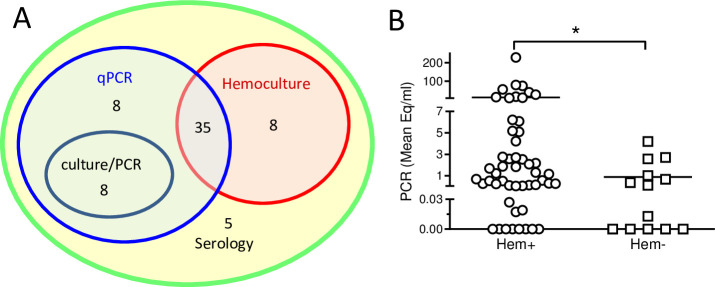
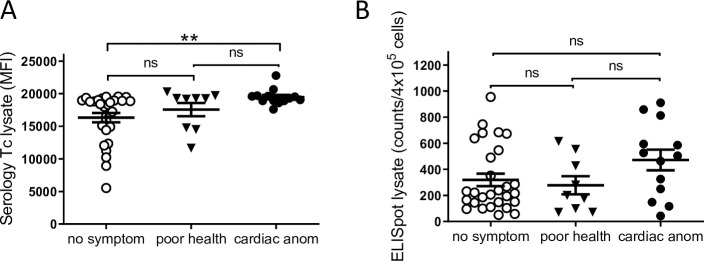
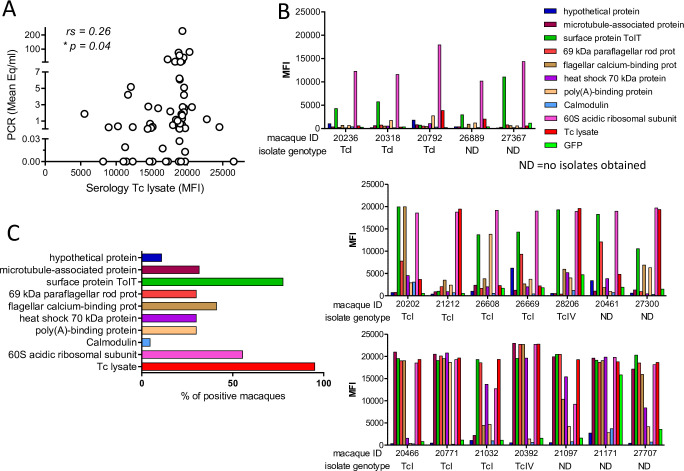
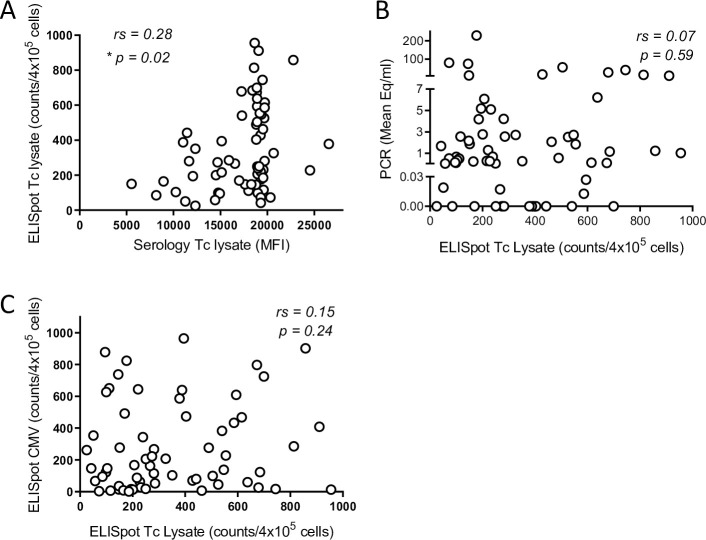
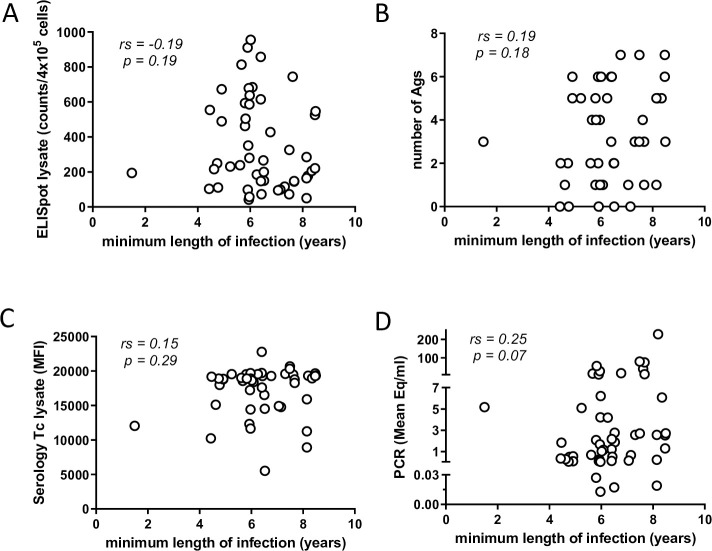
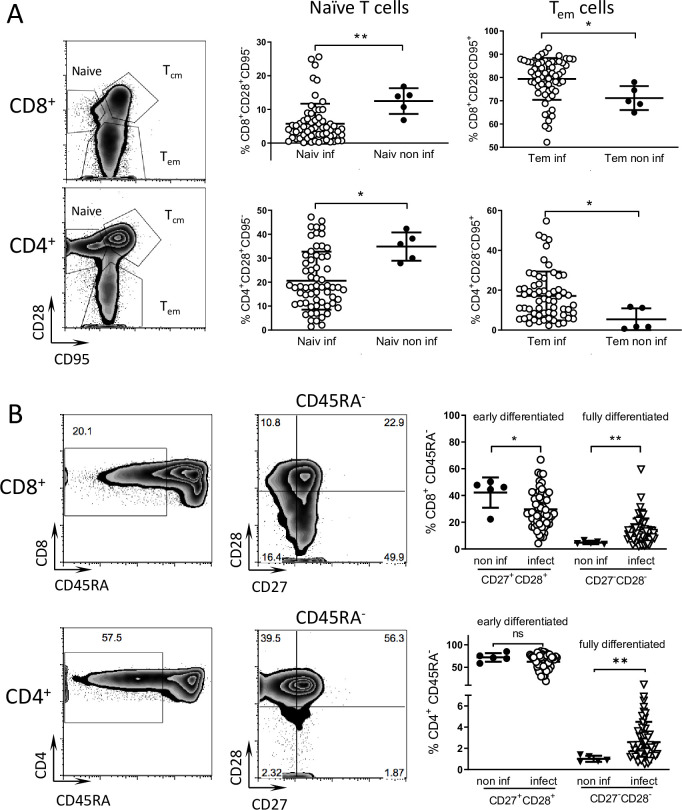
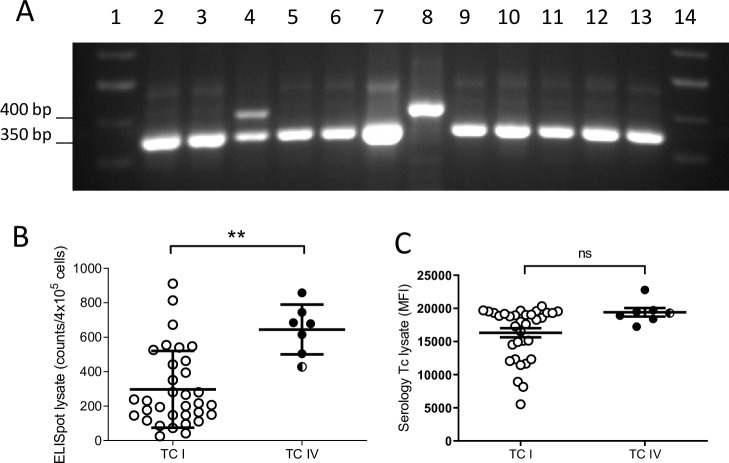
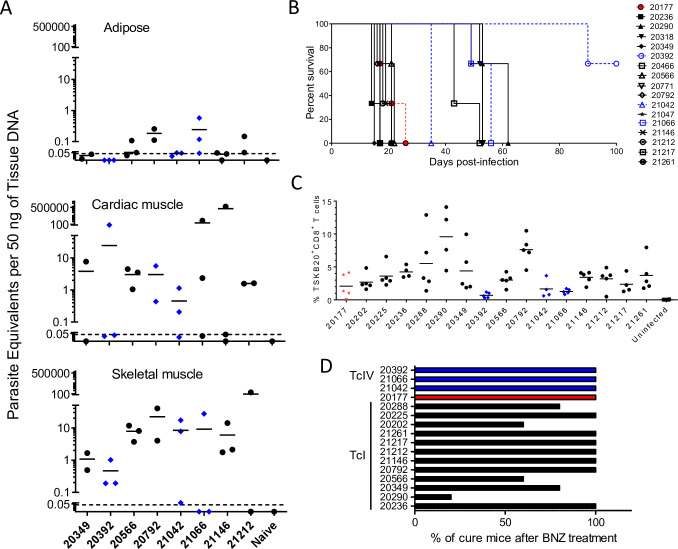
Trypanosoma cruzi, the causative agent of human Chagas disease, is endemic to the southern region of the United States where it routinely infects many host species. The indoor/outdoor housing configuration used in many non-human primate research and breeding facilities in the southern of the USA provides the opportunity for infection by T. cruzi and thus provides source material for in-depth investigation of host and parasite dynamics in a natural host species under highly controlled and restricted conditions. For cynomolgus macaques housed at such a facility, we used a combination of serial blood quantitative PCR (qPCR) and hemoculture to confirm infection in >92% of seropositive animals, although each method alone failed to detect infection in >20% of cases. Parasite isolates obtained from 43 of the 64 seropositive macaques were of 2 broad genetic types (discrete typing units, (DTU's) I and IV); both within and between these DTU groupings, isolates displayed a wide variation in growth characteristics and virulence, elicited host immune responses, and susceptibility to drug treatment in a mouse model. Likewise, the macaques displayed a diversity in T cell and antibody response profiles that rarely correlated with parasite DTU type, minimum length of infection, or age of the primate. This study reveals the complexity of infection dynamics, parasite phenotypes, and immune response patterns that can occur in a primate group, despite being housed in a uniform environment at a single location, and the limited time period over which the T. cruzi infections were established.
克氏锥虫是引起人类恰加斯病的病原体,流行于美国南部地区,那里有许多宿主物种经常受到感染。美国南部许多非人类灵长类动物研究和繁殖设施采用的室内/室外住房配置为克氏锥虫感染提供了机会,从而为在高度控制和限制的条件下对天然宿主物种中的宿主和寄生虫动态进行深入研究提供了来源材料。对于在这种设施中饲养的食蟹猴,我们使用了一系列血清定量 PCR(qPCR)和血培养相结合的方法来确认>92%的血清阳性动物感染,但每种方法单独检测都未能发现>20%的感染病例。从 64 只血清阳性食蟹猴中获得的 43 个寄生虫分离株属于 2 种广泛的遗传类型(离散型单位,(DTU) I 和 IV);在这些 DTU 分组内和分组之间,分离株在生长特性和毒力、引起宿主免疫反应以及在小鼠模型中对药物治疗的敏感性方面表现出广泛的差异。同样,这些猴子在 T 细胞和抗体反应谱上表现出多样性,这些反应很少与寄生虫 DTU 类型、感染的最短时间或灵长类动物的年龄相关。这项研究揭示了尽管在单一地点的统一环境中饲养,但在感染确立的有限时间内,感染动态、寄生虫表型和免疫反应模式的复杂性。