Faculty of Psychology and Educational Sciences, Université Libre de Bruxelles, 1050 Brussels, Belgium.
Department of Communication Studies, Faculty of Social Sciences, Antwerp University, 2000 Antwerp, Belgium.
Int J Environ Res Public Health. 2021 Mar 11;18(6):2867. doi: 10.3390/ijerph18062867.
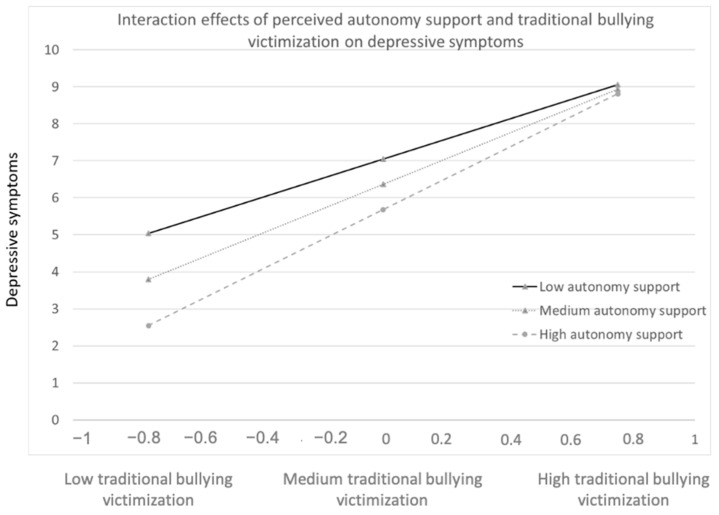
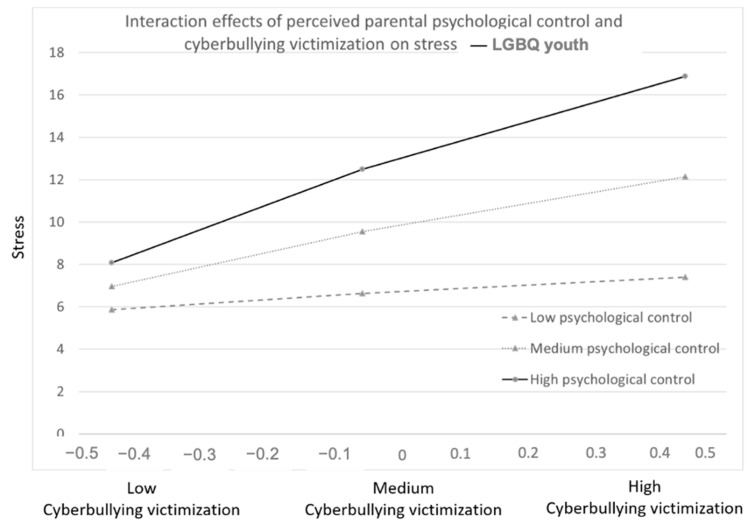
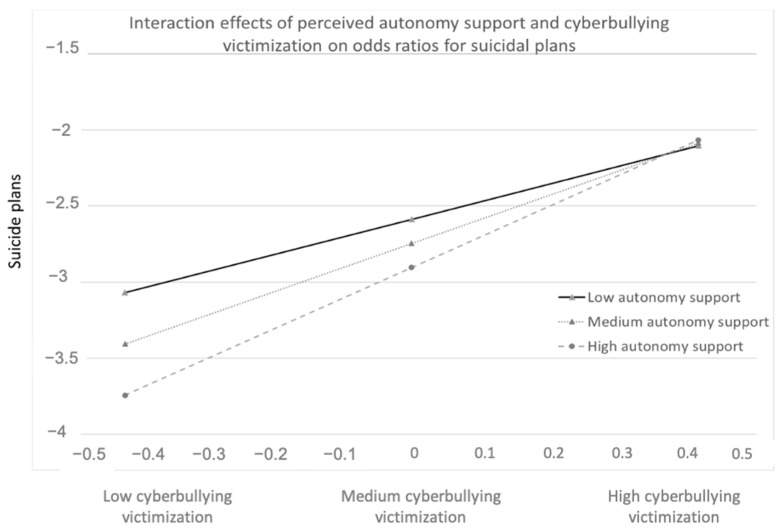
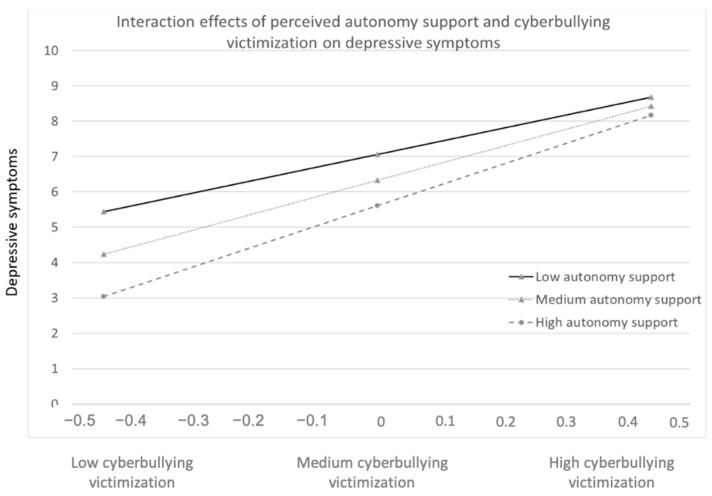
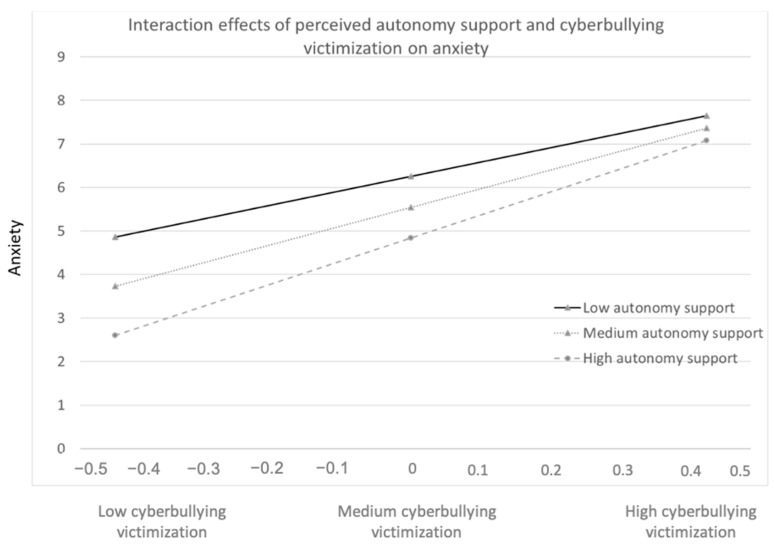
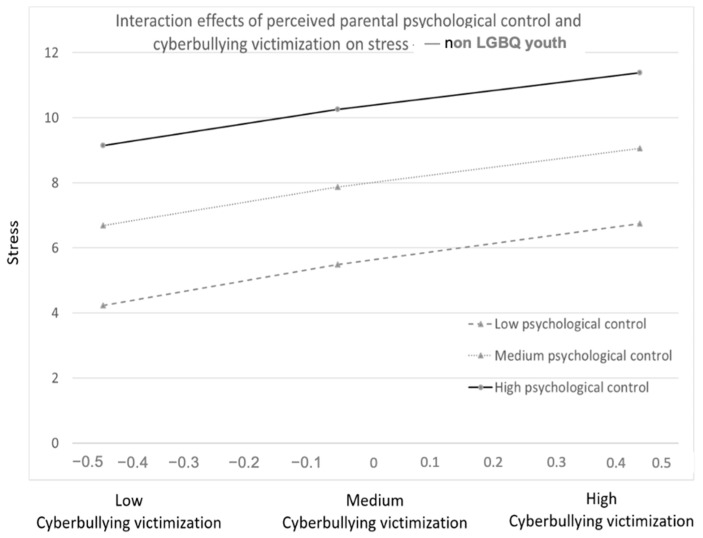
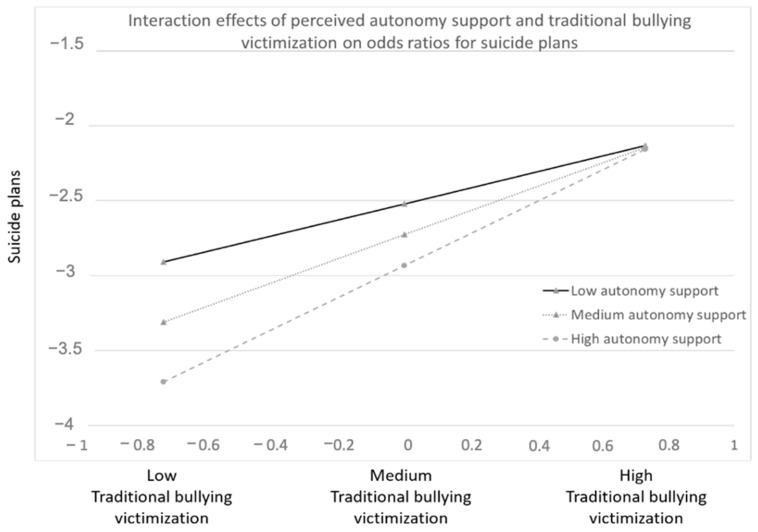
Cyberbullying victimization is associated with mental health problems and reported to occur more in nonheterosexual orientation youth (lesbian, gay, bisexual, and questioning (LGBQ)) than among heterosexual youth. Parental support may protect against mental health problems after being victimized, but nonsupportive parental influences may also exacerbate harm. This study investigated whether parenting dimensions (autonomy support, psychological control) moderated the associations between bullying victimization and mental health problems among heterosexual and LGBQ adolescents. An anonymous survey was completed by 1037 adolescents (M age = 15.2 ± 1.9, 50% female). Regression analyses examined associations between victimization, sexual orientation, and mental health problems, and investigated the moderating role of parenting. Both forms of victimization were associated with higher mental health problems. LGBQ youth experienced more depressive symptoms and suicidal ideation than heterosexual youth. Lower levels of parental psychological control and higher levels of autonomy support were related to having fewer mental health problems. However, perceived autonomy support appeared less protective when adolescents experienced more frequent victimization. Moreover, parental psychological control was related to heightened risk for suicidal plans specifically among LGBQ youth and also exacerbated the association between cyberbullying victimization and stress among LGBQ youth. These findings underscore the need to address parenting in whole-school antibullying and mental health promotion programs.
网络欺凌受害与心理健康问题有关,据报告,在非异性恋倾向的青年(女同性恋、男同性恋、双性恋和疑问者(LGBQ))中比在异性恋青年中更为常见。父母的支持可能有助于预防受害后的心理健康问题,但不支持的父母影响也可能加剧伤害。本研究调查了父母教养维度(自主支持、心理控制)是否调节了欺凌受害与异性恋和 LGBQ 青少年心理健康问题之间的关联。1037 名青少年(M 年龄=15.2±1.9,50%为女性)完成了匿名调查。回归分析检验了受害、性取向和心理健康问题之间的关联,并调查了父母教养的调节作用。两种形式的受害都与更高的心理健康问题有关。LGBQ 青年比异性恋青年经历更多的抑郁症状和自杀意念。较低水平的父母心理控制和较高水平的自主支持与较少的心理健康问题有关。然而,当青少年遭受更频繁的受害时,感知到的自主支持似乎保护作用较小。此外,父母的心理控制与 LGBQ 青年自杀计划的风险增加有关,也加剧了网络欺凌受害与 LGBQ 青年压力之间的关联。这些发现强调了在全校反欺凌和促进心理健康计划中需要解决父母教养问题。