Sánchez-Castillo Anaís, Vooijs Marc, Kampen Kim R
Department of Radiation Oncology (MAASTRO), GROW School for Oncology and Developmental Biology, Maastricht University Medical Center, P.O. 616, 6200 MD Maastricht, The Netherlands.
Laboratory for Disease Mechanisms in Cancer, Department of Oncology, KU Leuven and Leuven Cancer Institute (LKI), Herestraat 49, 3000 Leuven, Belgium.
Cancers (Basel). 2021 Mar 10;13(6):1191. doi: 10.3390/cancers13061191.
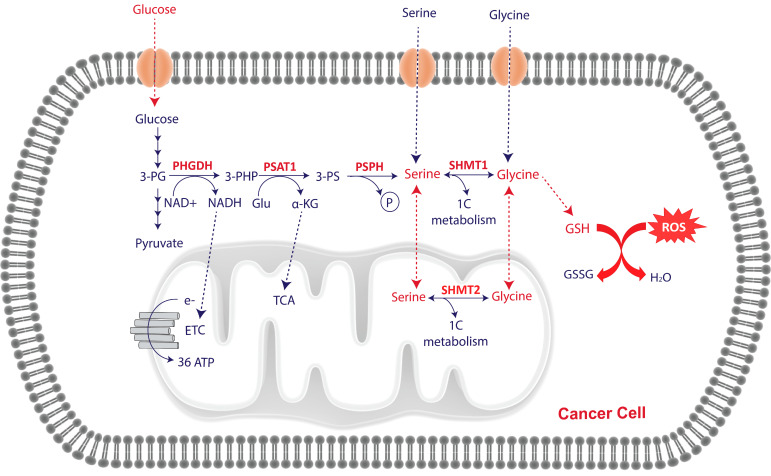
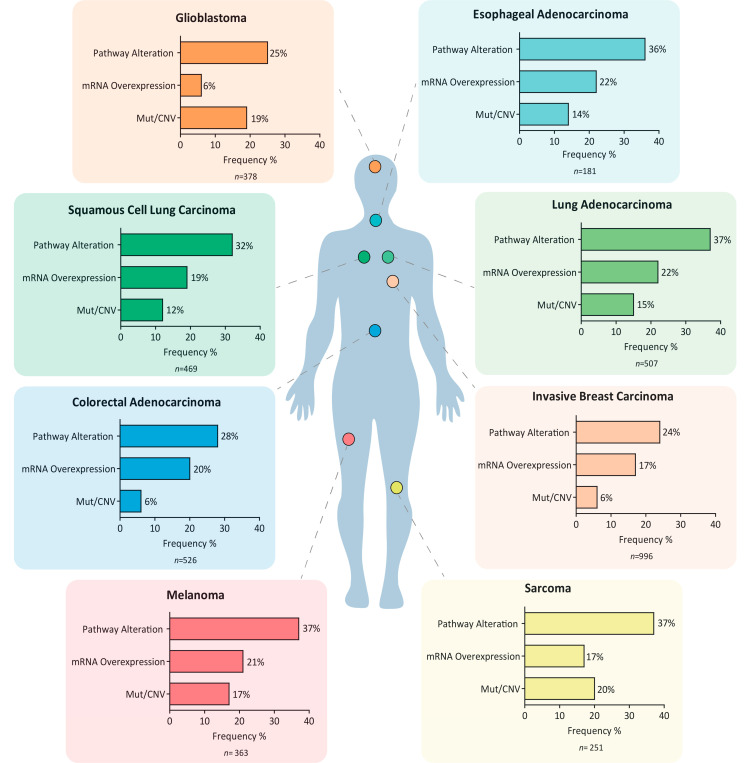
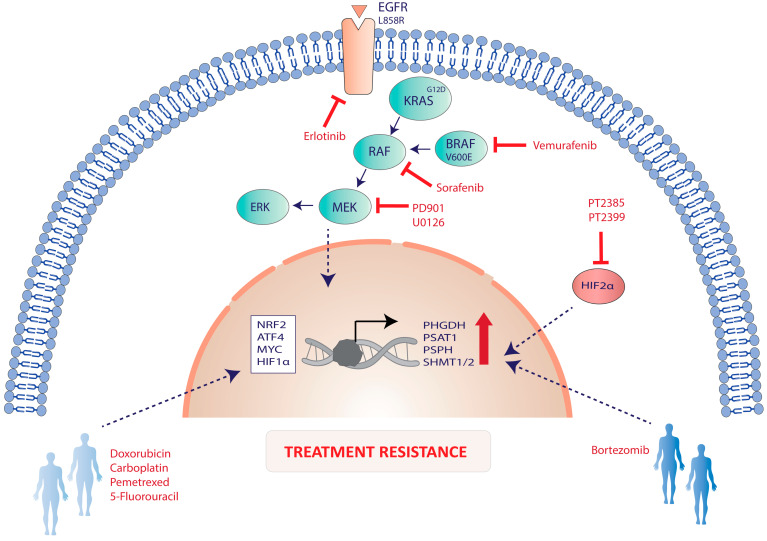
The activation of de novo serine/glycine biosynthesis in a subset of tumors has been described as a major contributor to tumor pathogenesis, poor outcome, and treatment resistance. Amplifications and mutations of de novo serine/glycine biosynthesis enzymes can trigger pathway activation; however, a large group of cancers displays serine/glycine pathway overexpression induced by oncogenic drivers and unknown regulatory mechanisms. A better understanding of the regulatory network of de novo serine/glycine biosynthesis activation in cancer might be essential to unveil opportunities to target tumor heterogeneity and therapy resistance. In the current review, we describe how the activation of de novo serine/glycine biosynthesis in cancer is linked to treatment resistance and its implications in the clinic. To our knowledge, only a few studies have identified this pathway as metabolic reprogramming of cancer cells in response to radiation therapy. We propose an important contribution of de novo serine/glycine biosynthesis pathway activation to radioresistance by being involved in cancer cell viability and proliferation, maintenance of cancer stem cells (CSCs), and redox homeostasis under hypoxia and nutrient-deprived conditions. Current approaches for inhibition of the de novo serine/glycine biosynthesis pathway provide new opportunities for therapeutic intervention, which in combination with radiotherapy might be a promising strategy for tumor control and ultimately eradication. Further research is needed to gain molecular and mechanistic insight into the activation of this pathway in response to radiation therapy and to design sophisticated stratification methods to select patients that might benefit from serine/glycine metabolism-targeted therapies in combination with radiotherapy.
肿瘤亚群中从头丝氨酸/甘氨酸生物合成的激活被认为是肿瘤发病机制、预后不良和治疗抵抗的主要促成因素。从头丝氨酸/甘氨酸生物合成酶的扩增和突变可触发该途径的激活;然而,一大类癌症表现出由致癌驱动因素和未知调控机制诱导的丝氨酸/甘氨酸途径过表达。更好地理解癌症中从头丝氨酸/甘氨酸生物合成激活的调控网络,对于揭示针对肿瘤异质性和治疗抵抗的机会可能至关重要。在当前的综述中,我们描述了癌症中从头丝氨酸/甘氨酸生物合成的激活如何与治疗抵抗相关联及其在临床上的意义。据我们所知,只有少数研究将该途径确定为癌细胞对放射治疗的代谢重编程。我们提出,从头丝氨酸/甘氨酸生物合成途径的激活通过参与癌细胞的活力和增殖、癌症干细胞(CSCs)的维持以及缺氧和营养缺乏条件下的氧化还原稳态,对放射抗性有重要贡献。目前抑制从头丝氨酸/甘氨酸生物合成途径的方法为治疗干预提供了新机会,与放射治疗联合可能是控制肿瘤并最终根除肿瘤的有前景策略。需要进一步研究以深入了解该途径在响应放射治疗时激活的分子和机制,并设计精密的分层方法来选择可能从丝氨酸/甘氨酸代谢靶向疗法与放射治疗联合中获益的患者。