Md Shadab, Alhakamy Nabil A, Aldawsari Hibah M, Husain Mohammad, Khan Nazia, Alfaleh Mohamed A, Asfour Hani Z, Riadi Yassine, Bilgrami Anwar L, Akhter Md Habban
Department of Pharmaceutics, Faculty of Pharmacy, King Abdulaziz University, Jeddah 21589, Saudi Arabia.
Center of Excellence for Drug Research & Pharmaceutical Industries, King Abdulaziz University, Jeddah 21589, Saudi Arabia.
Polymers (Basel). 2021 Mar 17;13(6):923. doi: 10.3390/polym13060923.
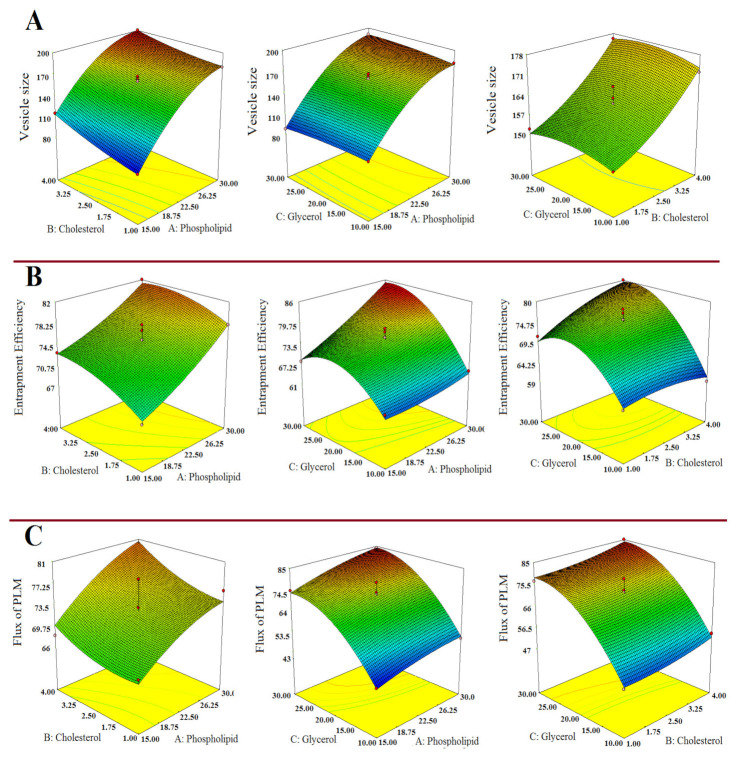
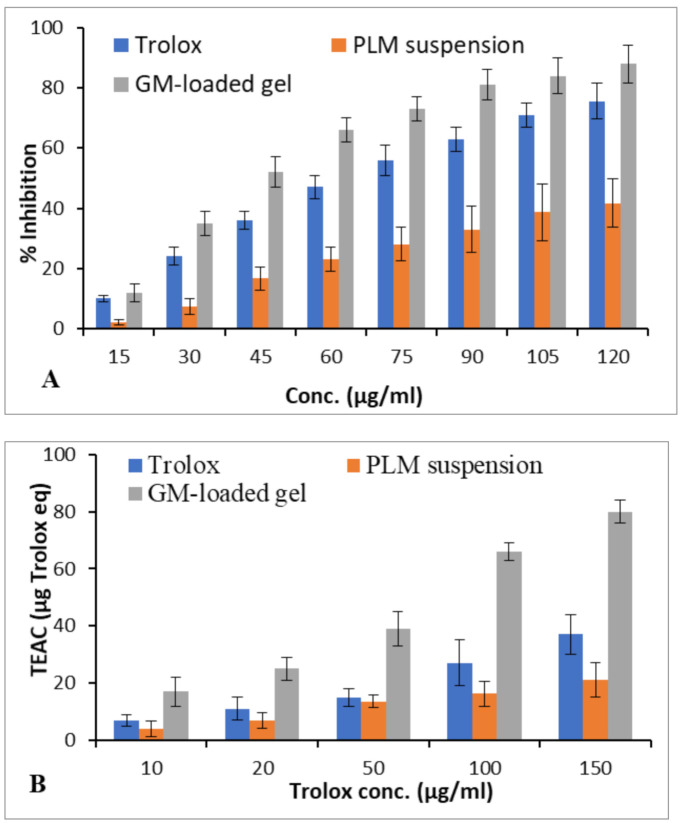
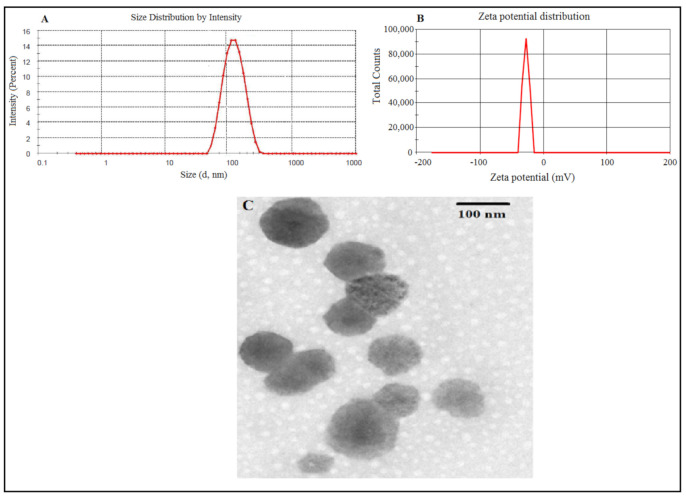
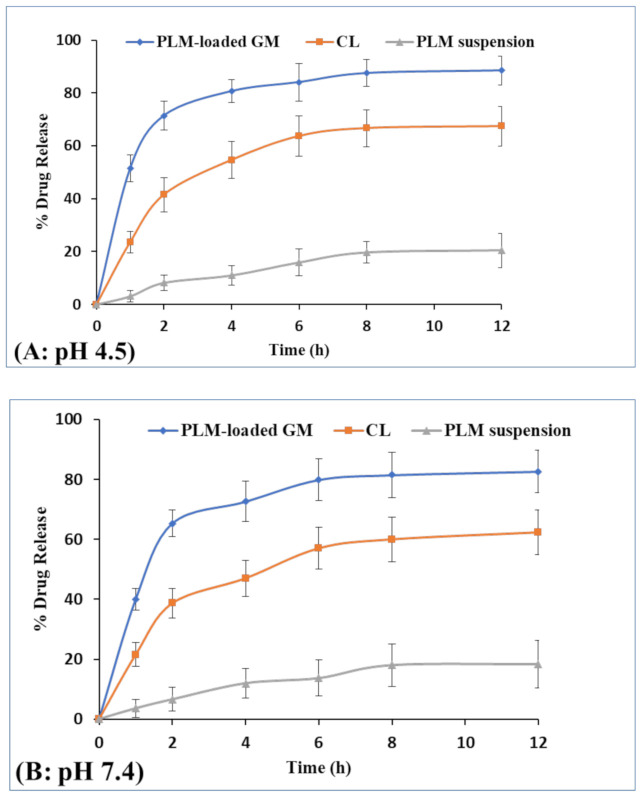
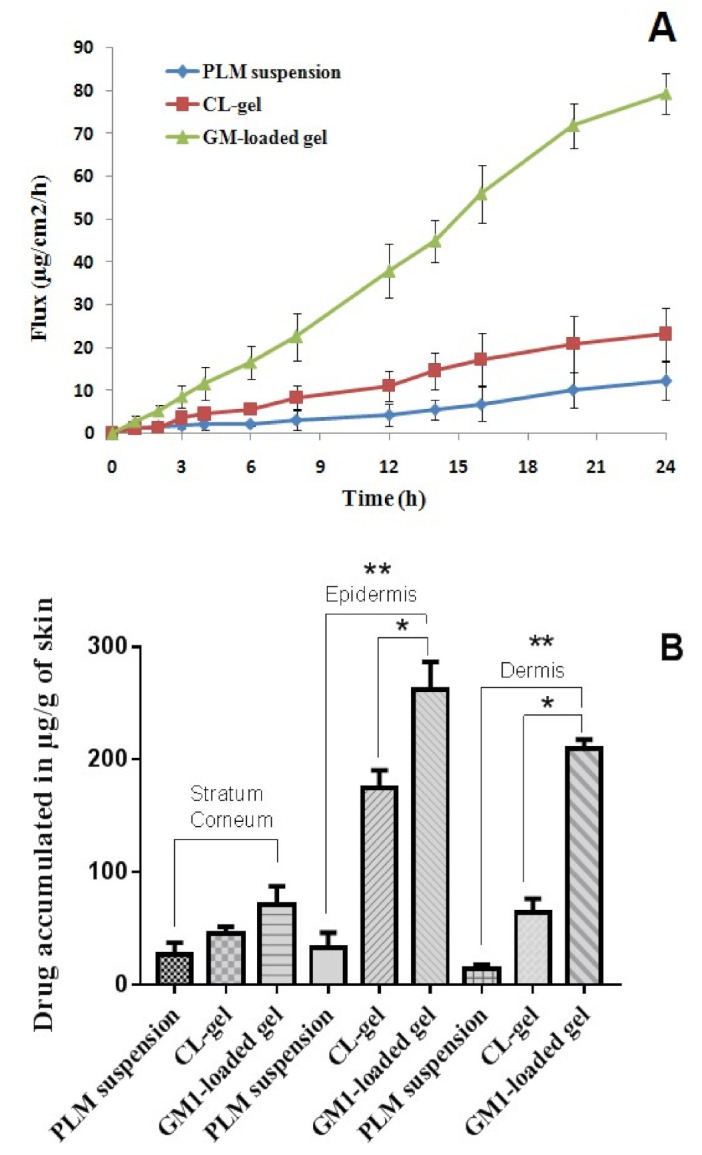
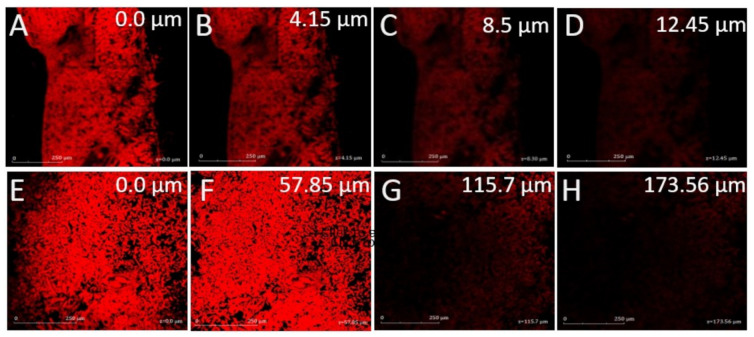
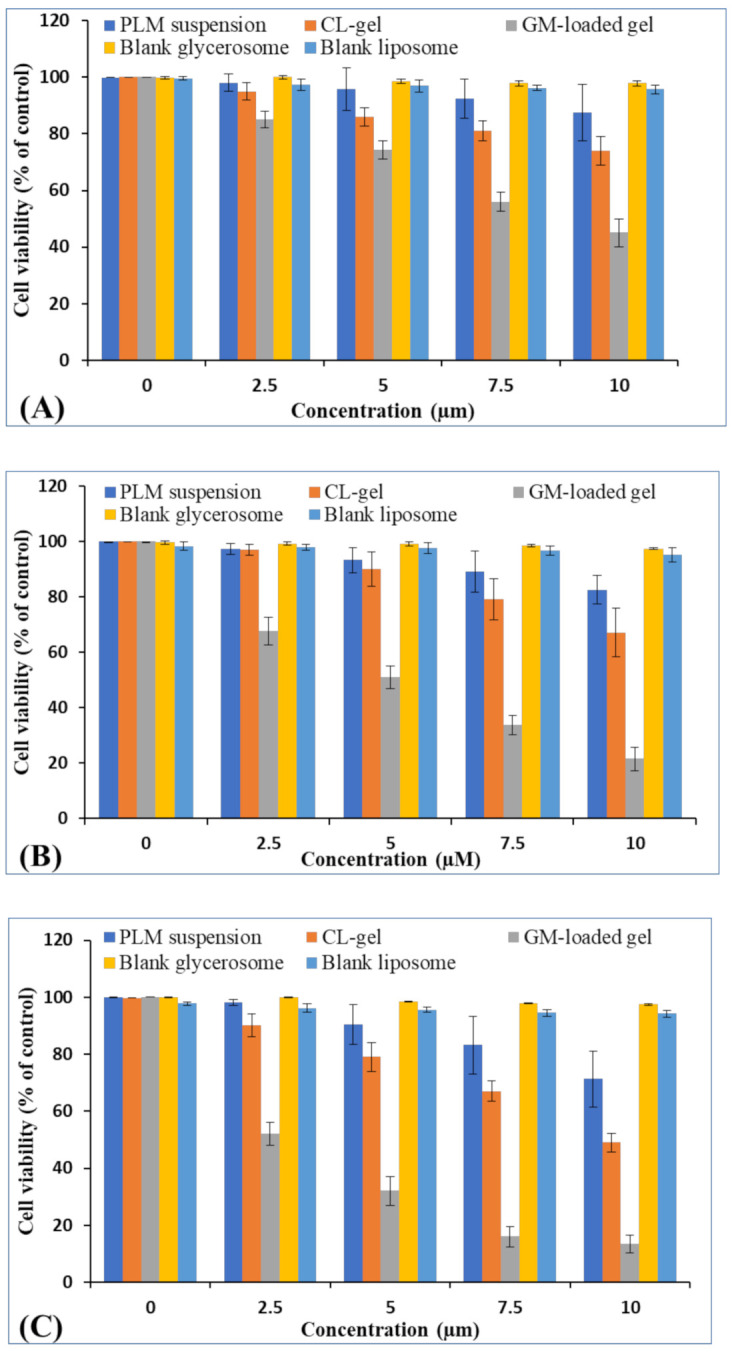
Plumbagin (PLM) is a phytochemical which has shown cytotoxicity against of cancer cells both in vitro and in vivo. However, the clinical application of PLM has been hindered due to poor aqueous solubility and low bioavailability. The aim of the present study was to develop, optimize and evaluate PLM-loaded glycerosome (GM) gel and compare with conventional liposome (CL) for therapeutic efficacy against skin cancer. The GM formulations were optimized by employing design expert software by 3-level 3-factor design. The prepared GMs were characterized in vitro for vesicle size, size distribution, zeta potential, vesicle deformability, drug release, skin permeation, retention, texture, antioxidant and cytotoxicity activities. The optimized formulation showed a vesicle size of 119.20 ± 15.67 nm with a polydispersity index (PDI) of 0.145 ± 0.02, the zeta potential of -27 ± 5.12 mV and entrapment efficiency of 76.42 ± 9.98%. The optimized PLM-loaded GM formulation was transformed into a pre-formed gel which was prepared using Carbopol 934 polymer. The drug diffusion fluxes of CL gel and GM-loaded gel were 23.31 ± 6.0 and 79.43 ± 12.43 µg/cm/h, respectively. The result of texture analysis revealed the adequate hardness, cohesiveness, consistency, and viscosity of the developed GM-loaded gel compared to CL gel. The confocal images showed that glycerosomal gel has deeper skin layer penetration as compared to the control solution. GM-loaded gel treated rat skin showed significantly ( < 0.05) higher drug accumulation in the dermis, higher cytotoxicity and higher antioxidant activity as compared to CL gel and PLM suspension. Thus, findings revealed that novel GM-loaded gel could be potential carriers for therapeutic intervention in skin cancer.
白花丹素(PLM)是一种植物化学物质,已在体外和体内显示出对癌细胞的细胞毒性。然而,由于其水溶性差和生物利用度低,PLM的临床应用受到了阻碍。本研究的目的是开发、优化和评估负载白花丹素的甘油脂质体(GM)凝胶,并与传统脂质体(CL)比较对皮肤癌的治疗效果。GM制剂采用设计专家软件通过三水平三因素设计进行优化。对制备的GM进行体外表征,包括囊泡大小、大小分布、zeta电位、囊泡变形性、药物释放、皮肤渗透、滞留、质地、抗氧化和细胞毒性活性。优化后的制剂显示囊泡大小为119.20±15.67nm,多分散指数(PDI)为0.145±0.02,zeta电位为-27±5.12mV,包封率为76.42±9.98%。将优化后的负载PLM的GM制剂转化为使用卡波姆934聚合物制备的预形成凝胶。CL凝胶和负载GM的凝胶的药物扩散通量分别为23.31±6.0和79.43±12.43μg/cm/h。质地分析结果显示,与CL凝胶相比,所开发的负载GM的凝胶具有足够的硬度、内聚性、稠度和粘度。共聚焦图像显示,与对照溶液相比,甘油脂质体凝胶对皮肤深层的渗透更深。与CL凝胶和PLM悬浮液相比,负载GM的凝胶处理的大鼠皮肤在真皮中的药物蓄积显著更高(<0.05),细胞毒性更高,抗氧化活性更高。因此,研究结果表明,新型负载GM的凝胶可能是皮肤癌治疗干预的潜在载体。