Djisalov Mila, Knežić Teodora, Podunavac Ivana, Živojević Kristina, Radonic Vasa, Knežević Nikola Ž, Bobrinetskiy Ivan, Gadjanski Ivana
BioSense Institute, University of Novi Sad, Dr Zorana Djindjica 1, 21000 Novi Sad, Serbia.
Biology (Basel). 2021 Mar 9;10(3):204. doi: 10.3390/biology10030204.
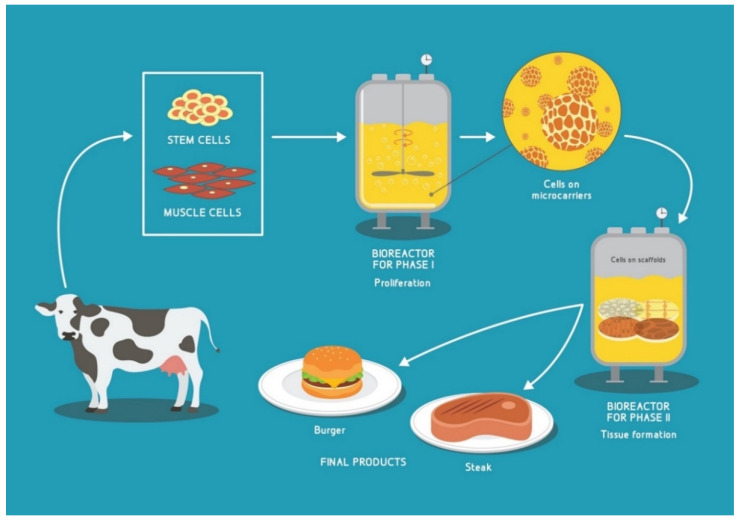
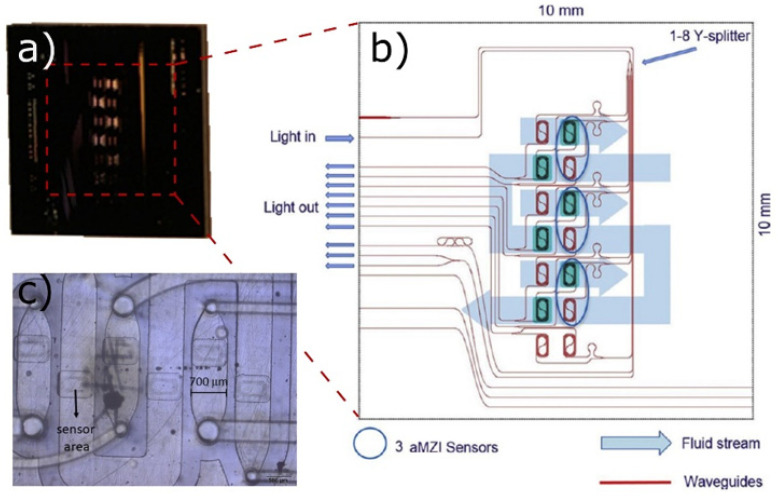
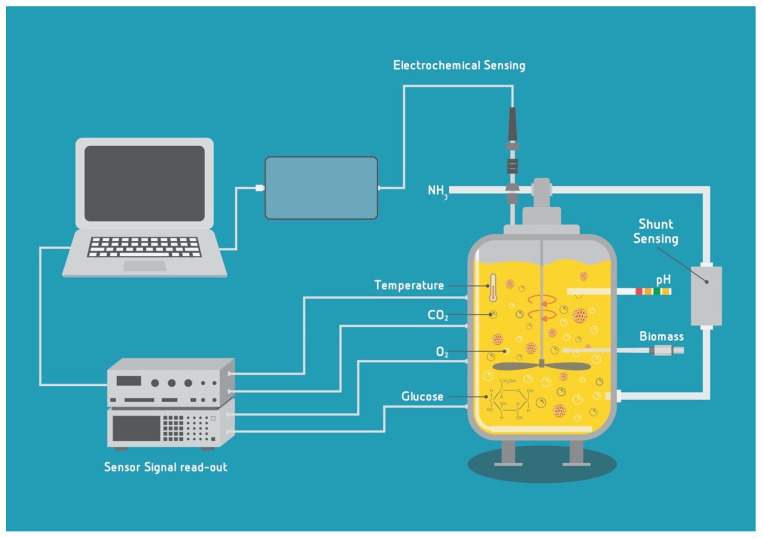
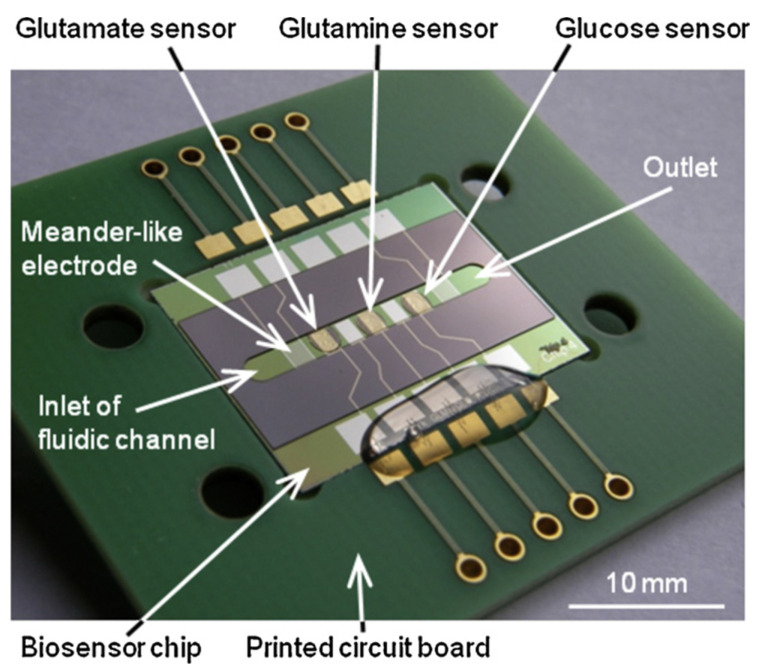
Meat cultivation via cellular agriculture holds great promise as a method for future food production. In theory, it is an ideal way of meat production, humane to the animals and sustainable for the environment, while keeping the same taste and nutritional values as traditional meat and having additional benefits such as controlled fat content and absence of antibiotics and hormones used in the traditional meat industry. However, in practice, there is still a number of challenges, such as those associated with the upscale of cultured meat (CM). CM food safety monitoring is a necessary factor when envisioning both the regulatory compliance and consumer acceptance. To achieve this, a multidisciplinary approach is necessary. This includes extensive development of the sensitive and specific analytical devices i.e., sensors to enable reliable food safety monitoring throughout the whole future food supply chain. In addition, advanced monitoring options can help in the further optimization of the meat cultivation which may reduce the currently still high costs of production. This review presents an overview of the sensor monitoring options for the most relevant parameters of importance for meat cultivation. Examples of the various types of sensors that can potentially be used in CM production are provided and the options for their integration into bioreactors, as well as suggestions on further improvements and more advanced integration approaches. In favor of the multidisciplinary approach, we also include an overview of the bioreactor types, scaffolding options as well as imaging techniques relevant for CM research. Furthermore, we briefly present the current status of the CM research and related regulation, societal aspects and challenges to its upscaling and commercialization.
通过细胞农业进行肉类培育作为未来食品生产的一种方法具有巨大潜力。从理论上讲,它是一种理想的肉类生产方式,对动物人道,对环境可持续,同时保持与传统肉类相同的口味和营养价值,还具有诸如可控脂肪含量以及不存在传统肉类行业中使用的抗生素和激素等额外优势。然而,在实践中,仍存在一些挑战,例如与养殖肉类(CM)扩大规模相关的挑战。CM食品安全监测是设想监管合规性和消费者接受度时的一个必要因素。要实现这一点,需要采用多学科方法。这包括大力开发灵敏且特异的分析设备,即传感器,以在整个未来食品供应链中实现可靠的食品安全监测。此外,先进的监测选项有助于进一步优化肉类培育,这可能会降低目前仍然高昂的生产成本。本综述概述了用于肉类培育最重要相关参数的传感器监测选项。提供了可潜在用于CM生产的各种类型传感器的示例,以及将它们集成到生物反应器中的选项,还有关于进一步改进和更先进集成方法的建议。为支持多学科方法,我们还概述了与CM研究相关的生物反应器类型、支架选项以及成像技术。此外,我们简要介绍了CM研究的现状以及相关法规、社会层面以及其扩大规模和商业化面临的挑战。