Berillo Dmitriy, Al-Jwaid Areej, Caplin Jonathan
School of Pharmacy and Biomolecular Sciences, University of Brighton, Brighton BN2 4GJ, UK.
Department of Biotechnology, Al-Farabi Kazakh National University, Almaty 050040, Kazakhstan.
Polymers (Basel). 2021 Mar 29;13(7):1073. doi: 10.3390/polym13071073.
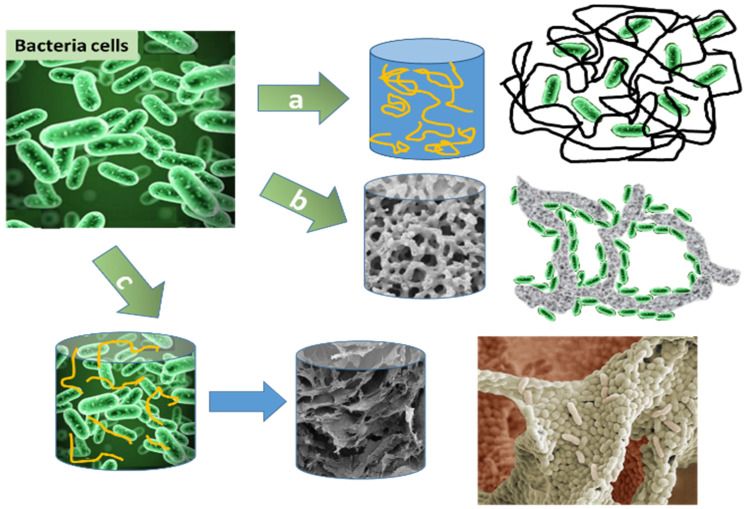
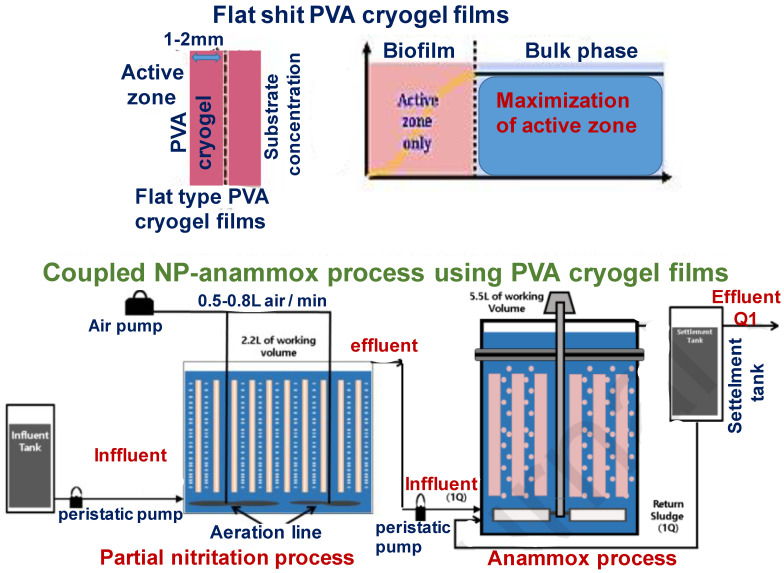
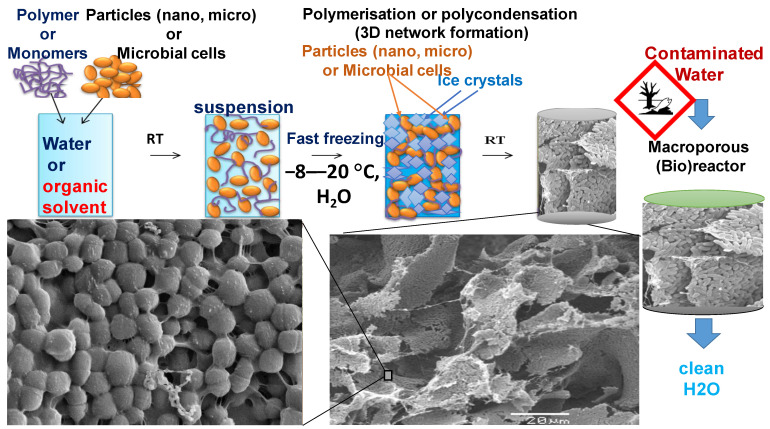
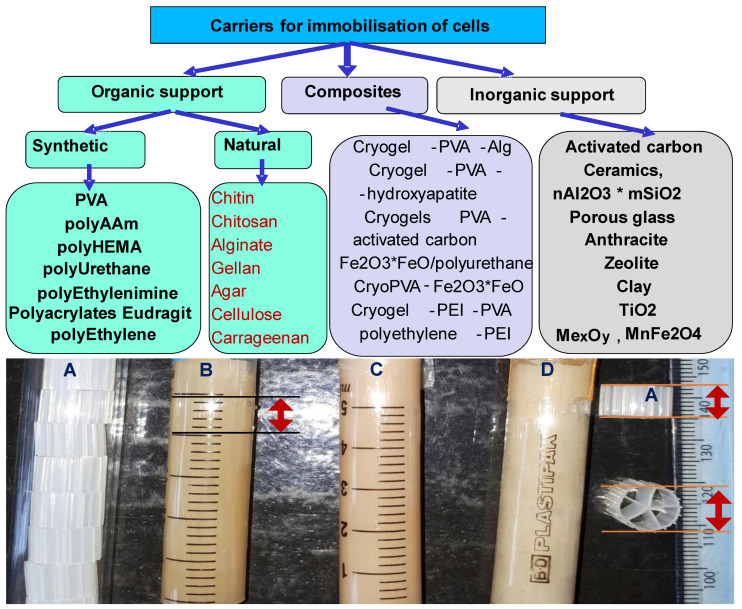
Bioremediation is a key process for reclaiming polluted soil and water by the use of biological agents. A commonly used approach aims to neutralise or remove harmful pollutants from contaminated areas using live microorganisms. Generally, immobilised microorganisms rather than planktonic cells have been used in bioremediation methods. Activated carbon, inorganic minerals (clays, metal oxides, zeolites), and agricultural waste products are acceptable substrates for the immobilisation of bacteria, although there are limitations with biomass loading and the issue with leaching of bacteria during the process. Various synthetic and natural polymers with different functional groups have been used successfully for the efficient immobilisation of microorganisms and cells. Promise has been shown using macroporous materials including cryogels with entrapped bacteria or cells in applications for water treatment and biotechnology. A cryogel is a macroporous polymeric gel formed at sub-zero temperatures through a process known as cryogelation. Macroporous hydrogels have been used to make scaffolds or supports for immobilising bacterial, viral, and other cells. The production of composite materials with immobilised cells possessing suitable mechanical and chemical stability, porosity, elasticity, and biocompatibility suggests that these materials are potential candidates for a range of applications within applied microbiology, biotechnology, and research. This review evaluates applications of macroporous cryogels as tools for the bioremediation of contaminants in wastewater.
生物修复是利用生物制剂修复受污染土壤和水的关键过程。一种常用方法旨在利用活微生物中和或去除污染区域中的有害污染物。一般来说,生物修复方法中使用的是固定化微生物而非浮游细胞。活性炭、无机矿物质(粘土、金属氧化物、沸石)和农业废弃物是固定化细菌可接受的载体,不过在生物量负载方面存在局限性,且在过程中存在细菌渗漏问题。具有不同官能团的各种合成和天然聚合物已成功用于高效固定化微生物和细胞。在包括用于水处理和生物技术的包埋有细菌或细胞的冷冻凝胶等大孔材料的应用中已显示出前景。冷冻凝胶是通过称为冷冻胶凝的过程在零下温度下形成的大孔聚合物凝胶。大孔水凝胶已用于制造用于固定细菌、病毒和其他细胞的支架或载体。具有固定化细胞的复合材料具有合适的机械和化学稳定性、孔隙率、弹性和生物相容性,这表明这些材料是应用微生物学、生物技术和研究中一系列应用的潜在候选材料。本综述评估了大孔冷冻凝胶作为废水污染物生物修复工具的应用。