Department of Chemistry, University of Pavia, Via Taramelli n.12, 27100 Pavia, Italy.
Department of Engineering, University of Campania Luigi Vanvitelli, Via Roma n.29, 81031 Aversa, Italy.
Biosensors (Basel). 2021 Mar 5;11(3):72. doi: 10.3390/bios11030072.
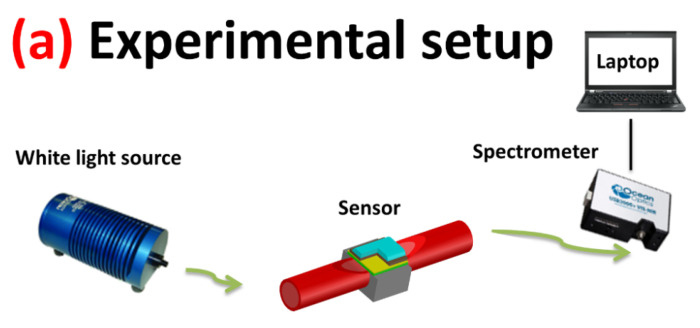
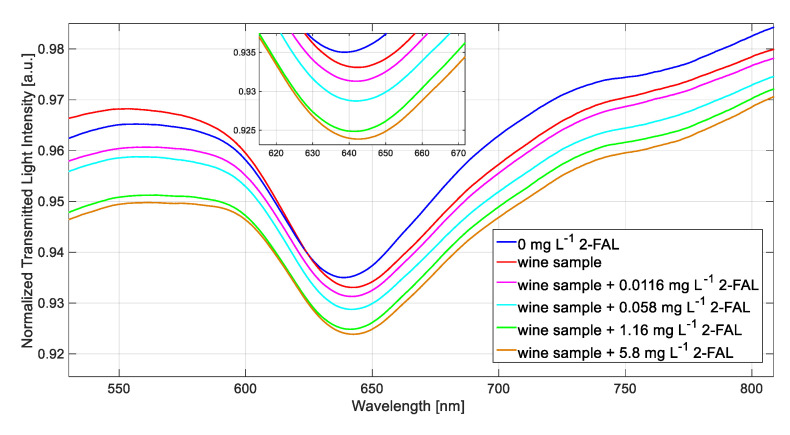
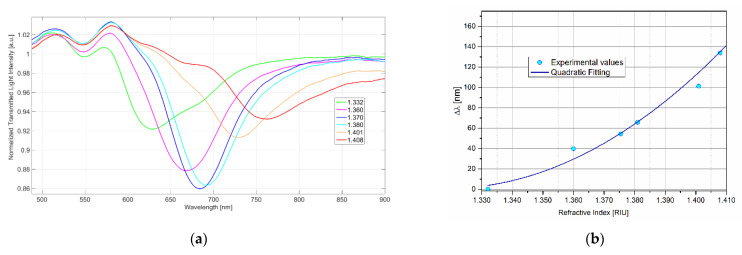
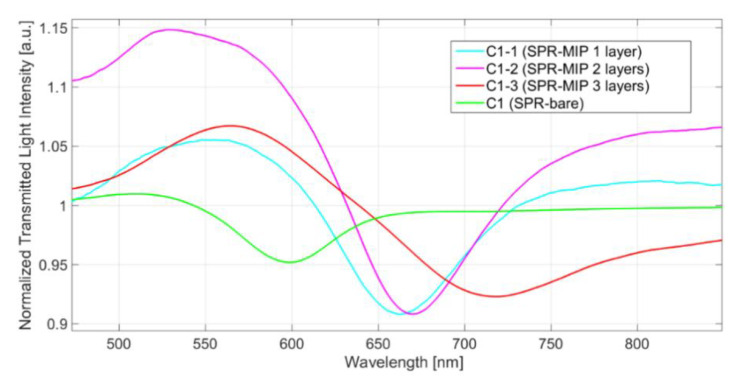
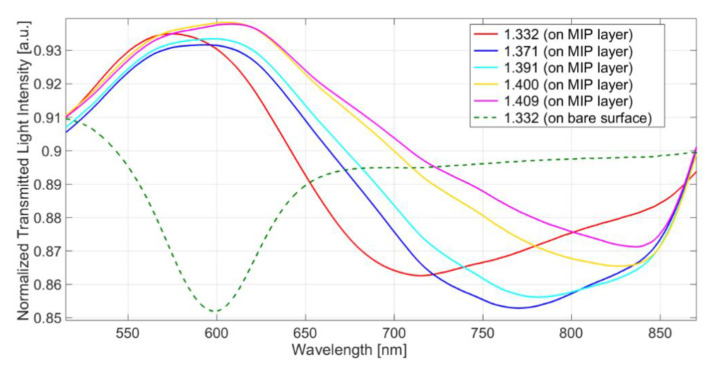
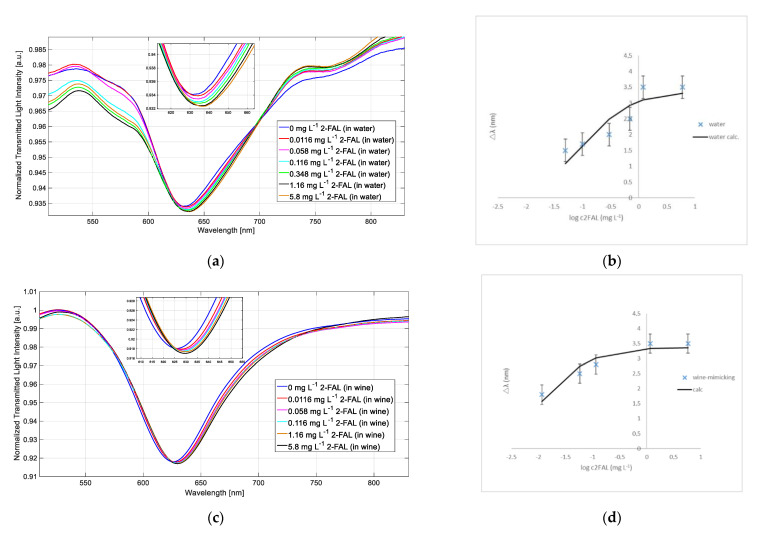
A surface plasmon resonance (SPR) platform, based on a D-shaped plastic optical fiber (POF), combined with a biomimetic receptor, i.e., a molecularly imprinted polymer (MIP), is proposed to detect furfural (2-furaldheide, 2-FAL) in fermented beverages like wine. MIPs have been demonstrated to be a very convenient biomimetic receptor in the proposed sensing device, being easy and rapid to develop, suitable for on-site determinations at low concentrations, and cheap. Moreover, the MIP film thickness can be changed to modulate the sensing parameters. The possibility of performing single drop measurements is a further favorable aspect for practical applications. For example, the use of an SPR-MIP sensor for the analysis of 2-FAL in a real life matrix such as wine is proposed, obtaining a low detection limit of 0.004 mg L. The determination of 2-FAL in fermented beverages is becoming a crucial task, mainly for the effects of the furanic compounds on the flavor of food and their toxic and carcinogenic effect on human beings.
基于 D 型塑料光纤(POF)的表面等离子体共振(SPR)平台,结合仿生受体,即分子印迹聚合物(MIP),被提出用于检测发酵饮料(如葡萄酒)中的糠醛(2-糠醛,2-FAL)。MIP 已被证明是所提出的传感设备中非常方便的仿生受体,其开发简单、快速,适用于低浓度的现场测定,且价格低廉。此外,MIP 膜的厚度可以改变,以调节传感参数。进行单滴测量的可能性是实际应用的另一个有利方面。例如,提出了使用 SPR-MIP 传感器分析葡萄酒等实际基质中的 2-FAL,检测限低至 0.004 mg L。检测发酵饮料中的 2-FAL 变得越来越重要,主要是因为呋喃化合物对食品风味的影响,以及它们对人类的毒性和致癌作用。