San Emeterio Cheryl L, Hymel Lauren A, Turner Thomas C, Ogle Molly E, Pendleton Emily G, York William Y, Olingy Claire E, Liu Alan Y, Lim Hong Seo, Sulchek Todd A, Warren Gordon L, Mortensen Luke J, Qiu Peng, Jang Young C, Willett Nick J, Botchwey Edward A
Department of Biomedical Engineering, Georgia Institute of Technology, Atlanta, GA, United States.
Regenerative Bioscience Center, Rhodes Center for ADS, University of Georgia, Athens, GA, United States.
Front Bioeng Biotechnol. 2021 Mar 19;9:650289. doi: 10.3389/fbioe.2021.650289. eCollection 2021.
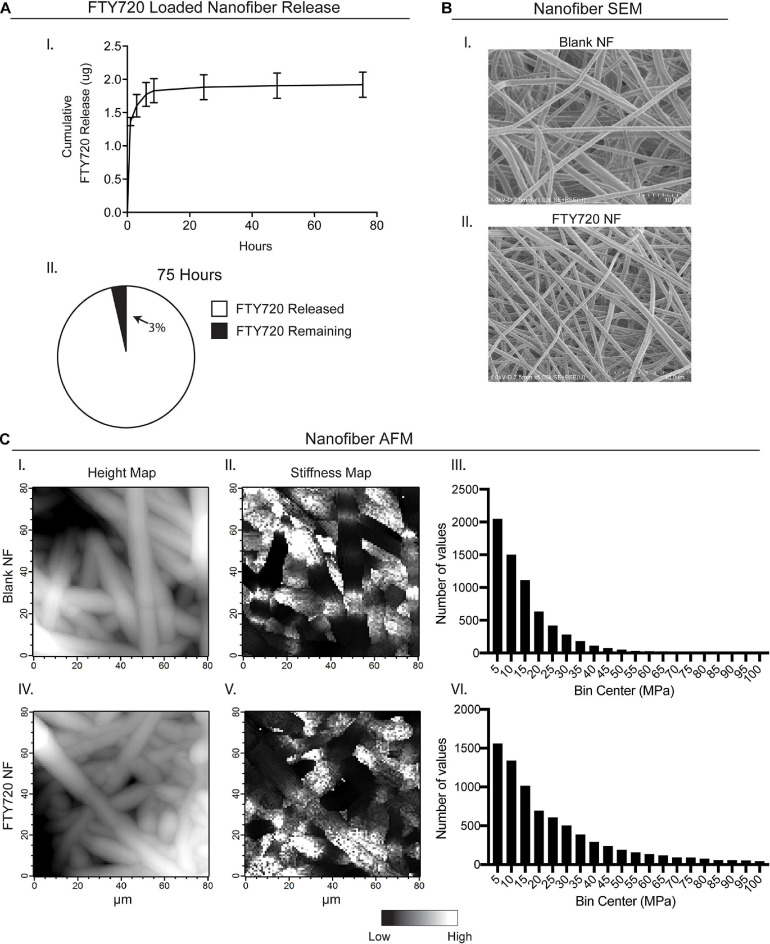
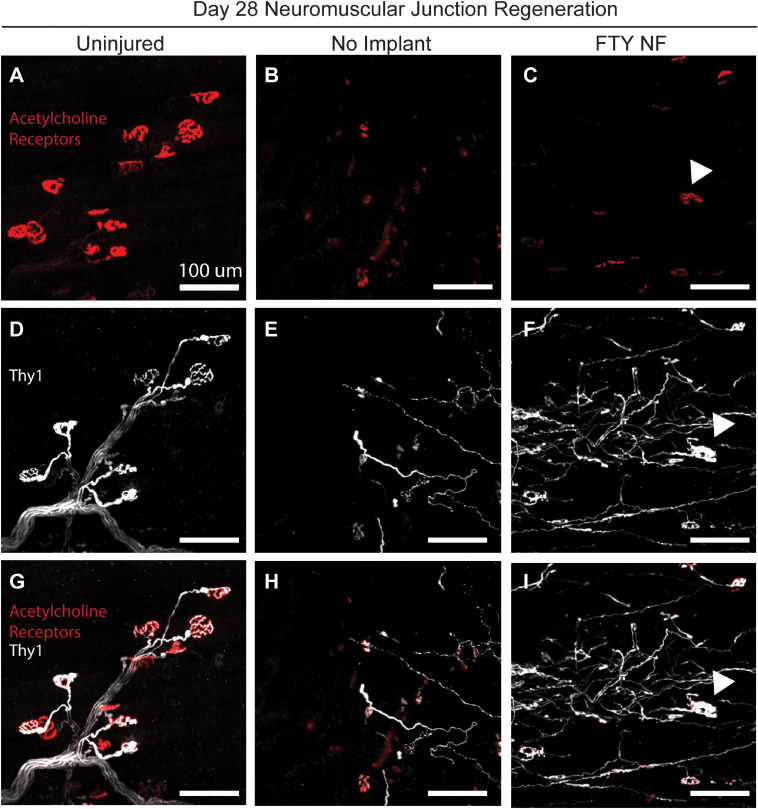
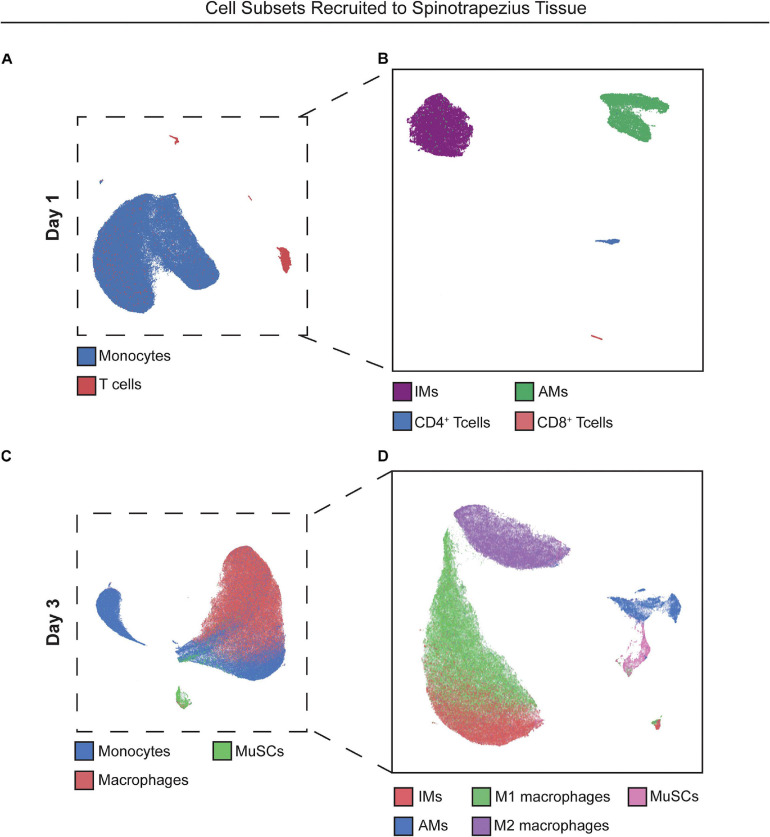
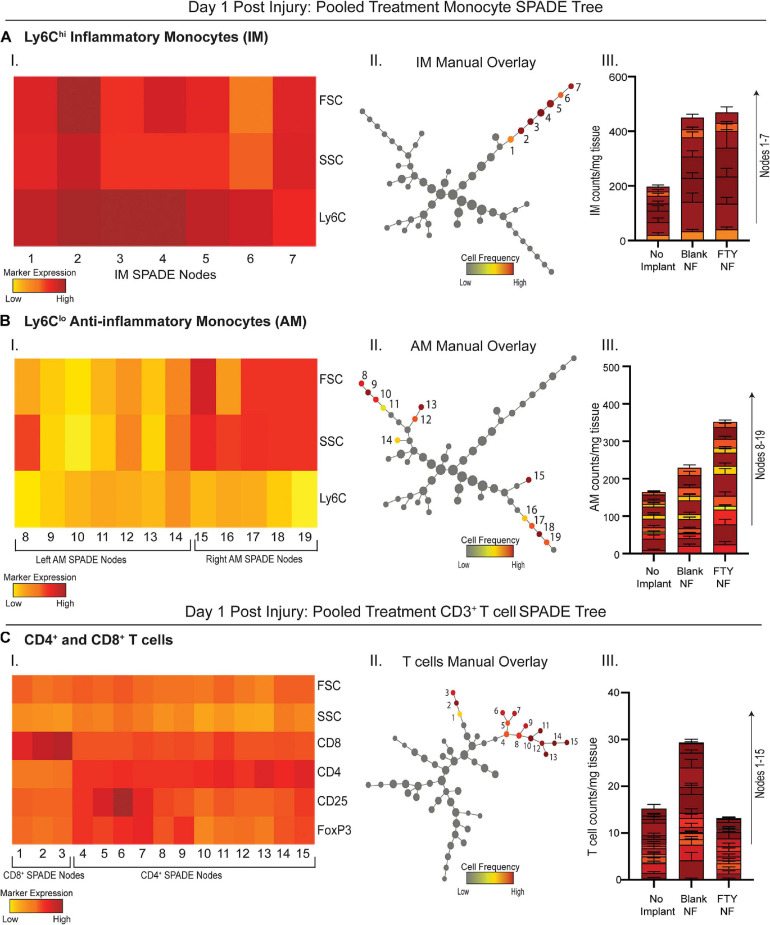
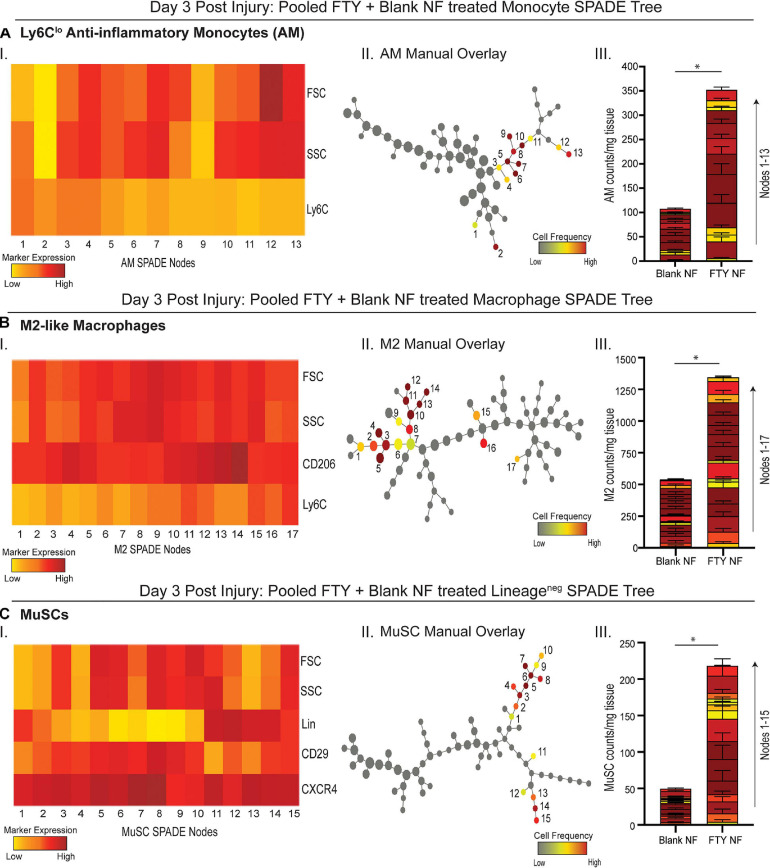
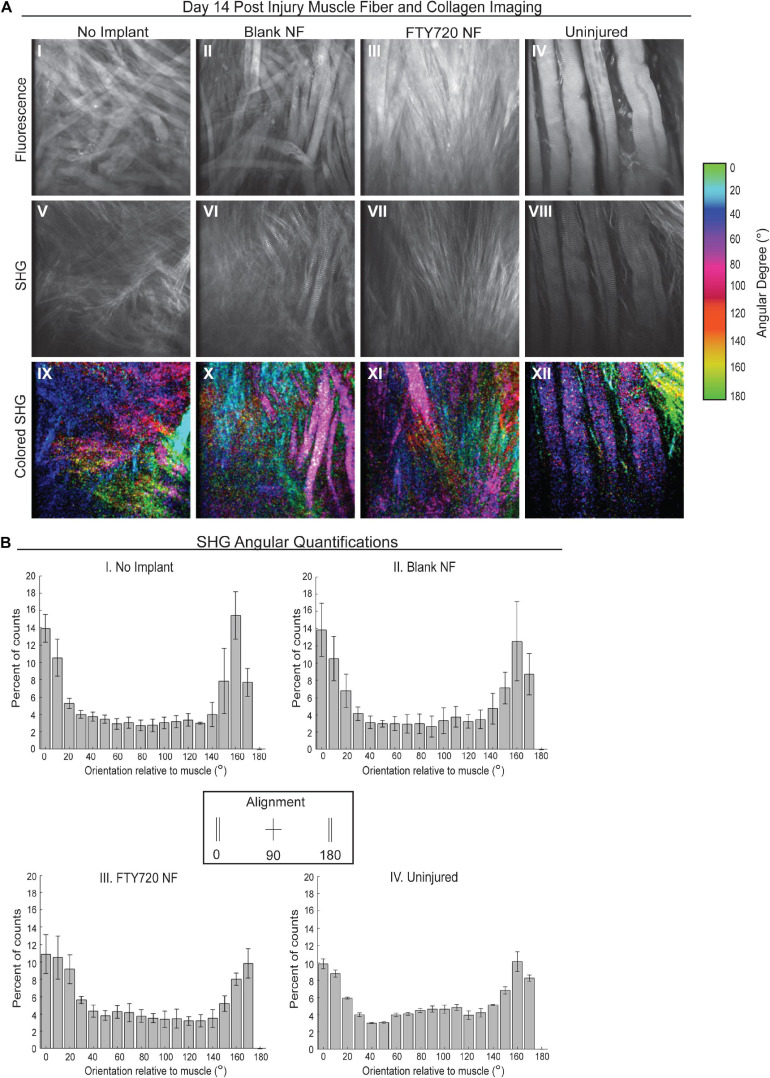
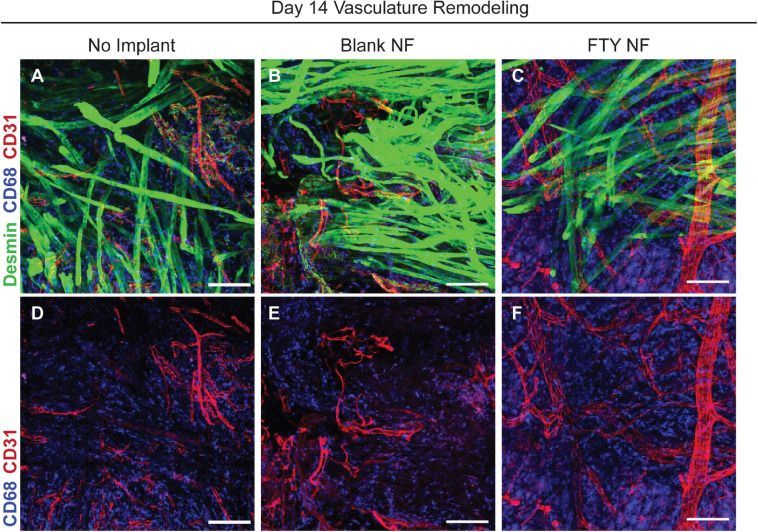
Volumetric muscle loss (VML) injuries after extremity trauma results in an important clinical challenge often associated with impaired healing, significant fibrosis, and long-term pain and functional deficits. While acute muscle injuries typically display a remarkable capacity for regeneration, critically sized VML defects present a dysregulated immune microenvironment which overwhelms innate repair mechanisms leading to chronic inflammation and pro-fibrotic signaling. In this series of studies, we developed an immunomodulatory biomaterial therapy to locally modulate the sphingosine-1-phosphate (S1P) signaling axis and resolve the persistent pro-inflammatory injury niche plaguing a critically sized VML defect. Multiparameter pseudo-temporal 2D projections of single cell cytometry data revealed subtle distinctions in the altered dynamics of specific immune subpopulations infiltrating the defect that were critical to muscle regeneration. We show that S1P receptor modulation via nanofiber delivery of Fingolimod (FTY720) was characterized by increased numbers of pro-regenerative immune subsets and coincided with an enriched pool of muscle stem cells (MuSCs) within the injured tissue. This FTY720-induced priming of the local injury milieu resulted in increased myofiber diameter and alignment across the defect space followed by enhanced revascularization and reinnervation of the injured muscle. These findings indicate that localized modulation of S1P receptor signaling via nanofiber scaffolds, which resemble the native extracellular matrix ablated upon injury, provides great potential as an immunotherapy for bolstering endogenous mechanisms of regeneration following VML injury.
肢体创伤后的肌肉容积性损失(VML)损伤带来了一项重大临床挑战,常伴有愈合受损、显著纤维化以及长期疼痛和功能缺陷。虽然急性肌肉损伤通常具有显著的再生能力,但临界尺寸的VML缺损呈现出失调的免疫微环境,这使先天修复机制不堪重负,导致慢性炎症和促纤维化信号传导。在这一系列研究中,我们开发了一种免疫调节生物材料疗法,以局部调节鞘氨醇-1-磷酸(S1P)信号轴,并解决困扰临界尺寸VML缺损的持续性促炎损伤微环境。单细胞流式细胞术数据的多参数伪时间二维投影揭示了浸润缺损的特定免疫亚群动态变化中的细微差异,这些差异对肌肉再生至关重要。我们表明,通过纳米纤维递送芬戈莫德(FTY720)对S1P受体进行调节的特征是促再生免疫亚群数量增加,并且与损伤组织内丰富的肌肉干细胞(MuSCs)池相吻合。这种由FTY720诱导的局部损伤微环境的启动导致肌纤维直径增加且在缺损空间内排列整齐,随后受伤肌肉的血管再生和神经再支配增强。这些发现表明,通过类似于损伤后被消融的天然细胞外基质的纳米纤维支架对S1P受体信号进行局部调节,作为一种免疫疗法,在增强VML损伤后内源性再生机制方面具有巨大潜力。