National Addiction Centre, Institute of Psychiatry, Psychology and Neuroscience, King's College London, London, UK.
School of Public Health and Health Systems, Faculty of Applied Health Sciences, University of Waterloo, Waterloo, Canada.
Harm Reduct J. 2021 Apr 13;18(1):42. doi: 10.1186/s12954-021-00490-8.
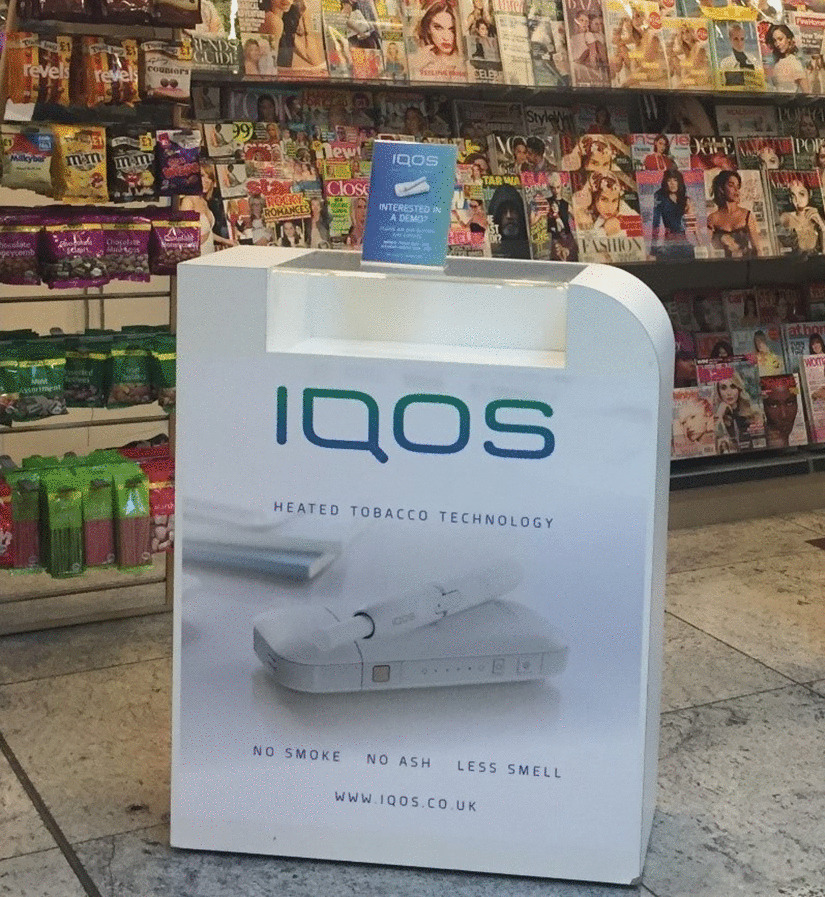
Harm perceptions of tobacco and nicotine products can influence their use and could be targeted by policies to change behaviour. IQOS was introduced to the UK in 2016, and there is little independent qualitative research on IQOS harm perceptions. This study explored the perceived health harms of IQOS to users and those exposed to the emissions, what shapes these perceptions, and what participants wanted to know about the harms of IQOS.
Qualitative interviews in London, UK, with 30 adult current and former IQOS users who currently smoked or quit smoking in the last 2 years.
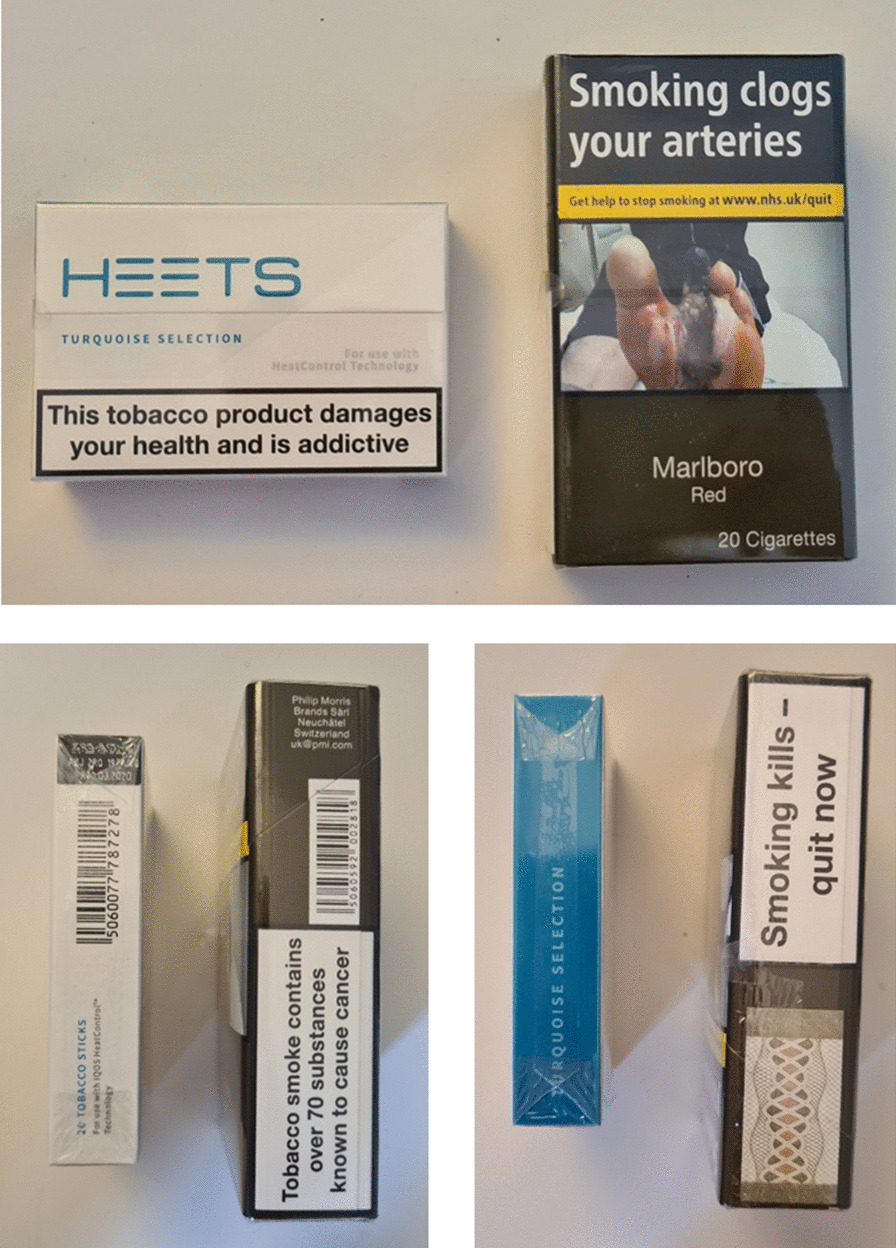
IQOS was perceived as less harmful than smoking but not risk-free, although there was great uncertainty. Influences on harm perceptions were consolidated into six themes: (1) dominance of manufacturer claims influenced perceptions that IQOS is less harmful than smoking to users and those around them, although mistrust of the tobacco industry heightened scepticism about harms; (2) limited independent and long-term research led to uncertainty about harms, although some participants trusted IQOS would not be marketed if it were very harmful. Participants wanted more independent and long-term studies into harm; (3) appearance of HEETS (tobacco sticks) packaging conveyed reduced harm because packets were 'pretty', without graphic/specific warnings, although written warnings conveyed some harm. Participants wanted more information on HEETS packets about harms; (4) process of heating and HEETS contents-heating, compared with burning, tobacco was perceived to produce fewer harmful chemicals, while tobacco, nicotine, and chemicals in HEETS were perceived to cause some harm. Participants wanted clarification about the harms of heating tobacco and HEETS ingredients; (5) improvements in physical health and personal appearance reduced perceptions of harm; (6) differences in sensory experiences (taste, sight, smell) when using IQOS over smoking reduced perceptions of harm, while 'black' deposits inside IQOS led to perceptions of some harm. Reduced volume and smell of IQOS emissions also reduced perceptions of harm to non-users exposed to the emissions.
IQOS was perceived as less harmful than smoking but not risk-free, although there was great uncertainty. Participants wanted clarification about IQOS harms from independent sources in accessible forms, specifically related to HEETS ingredients, heating tobacco, and emissions to others.
对烟草和尼古丁产品危害的认知会影响其使用情况,而行为改变政策可以针对这一因素进行干预。IQOS 于 2016 年在英国推出,目前针对 IQOS 危害认知的独立定性研究较少。本研究旨在探讨使用者和接触 IQOS 排放物者对 IQOS 健康危害的看法、影响这些看法的因素,以及参与者希望了解关于 IQOS 危害的哪些信息。
在英国伦敦进行了定性访谈,共 30 名当前或最近 2 年内戒烟的成年 IQOS 使用者和曾使用者参与。
IQOS 被认为比吸烟危害小,但并非无风险,尽管存在很大的不确定性。对危害的认知受以下 6 个主题影响:(1)制造商的宣传占据主导地位,使用者和周围人认为 IQOS 比吸烟危害小,但对烟草行业的不信任增加了对危害的怀疑;(2)独立的长期研究有限,导致对危害的不确定性,尽管一些参与者认为,如果 IQOS 危害很大,它就不会上市。参与者希望有更多关于危害的独立和长期研究;(3)HEETS(烟弹)包装的外观传达了较低的危害,因为包装“漂亮”,没有图形/具体警告,尽管书面警告传达了一些危害。参与者希望了解更多关于 HEETS 包装危害的信息;(4)加热过程和 HEETS 成分——与燃烧相比,加热烟草被认为产生的有害化学物质较少,而烟草、尼古丁和 HEETS 中的化学物质被认为会造成一些危害。参与者希望了解更多关于加热烟草和 HEETS 成分危害的信息;(5)身体健康和个人外观的改善降低了对危害的认知;(6)使用 IQOS 时与吸烟相比,感官体验(味道、视觉、嗅觉)的差异降低了对危害的认知,而 IQOS 内部的“黑色”沉积物则导致了一些危害的认知。接触 IQOS 排放物的非使用者也因 IQOS 排放物的体积和气味减少而降低了对危害的认知。
IQOS 被认为比吸烟危害小,但并非无风险,尽管存在很大的不确定性。参与者希望从独立来源以易于获取的形式了解 IQOS 危害的具体信息,特别是与 HEETS 成分、加热烟草和对他人的排放物有关的信息。