Department of Burns and Cutaneous Surgery, Xijing Hospital, Fourth Military Medical University, Xi'an, Shannxi, 710032, People's Republic of China.
Int J Nanomedicine. 2021 Apr 6;16:2647-2665. doi: 10.2147/IJN.S300326. eCollection 2021.
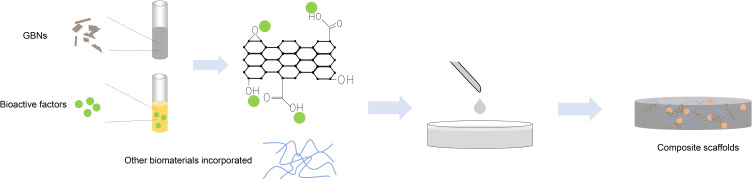
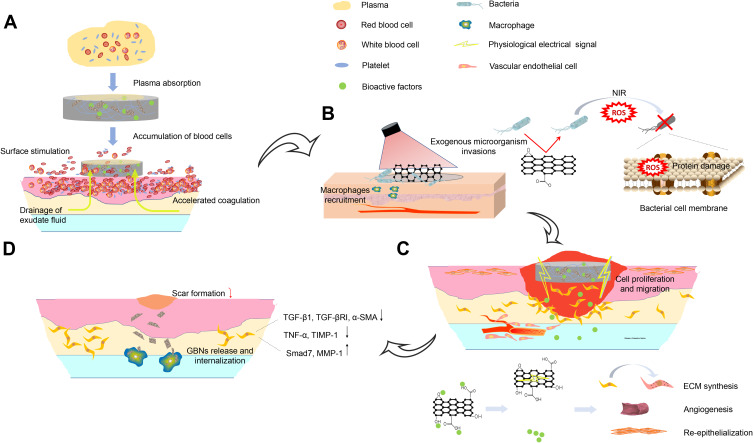
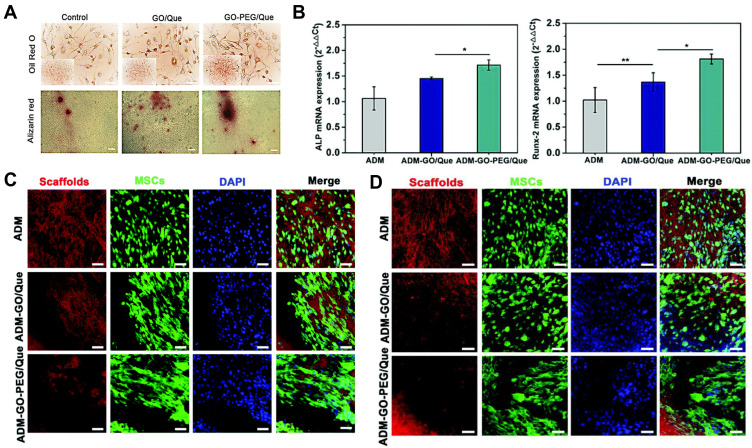
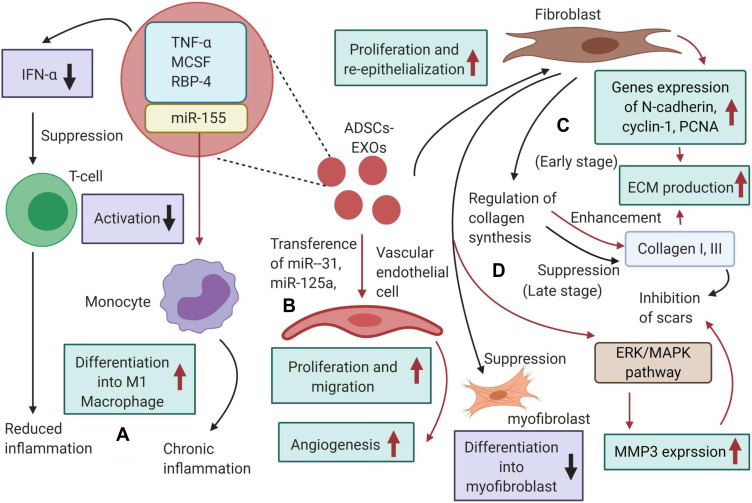
Graphene is a new type of carbon nanomaterial discovered after fullerene and carbon nanotube. Due to the excellent biological properties such as biocompatibility, cell proliferation stimulating, and antibacterial properties, graphene and its derivatives have become emerging candidates for the development of novel cutaneous wound dressings and composite scaffolds. On the other hand, pre-clinical research on exosomes derived from mesenchymal stem cells (MSC-Exos) has been intensified for cell-free treatment in wound healing and cutaneous regeneration, via ameliorating the damaged microenvironment of the wound site. Here, we provide a comprehensive understanding of the latest studies and observations on the various effects of graphene-based nanomaterials (GBNs) and MSC-Exos during the cutaneous wound repair process, as well as the putative mechanisms thereof. In addition, we propose the possible forward directions of GBNs and MSC-Exos applications, expecting to promote the clinical transformation.
石墨烯是继富勒烯和碳纳米管之后发现的一种新型碳纳米材料。由于具有良好的生物相容性、细胞增殖刺激和抗菌性能等优异的生物学特性,石墨烯及其衍生物已成为新型皮肤创伤敷料和复合支架开发的新兴候选材料。另一方面,间充质干细胞衍生的外泌体(MSC-Exos)的临床前研究已经加强,通过改善创伤部位受损的微环境,用于细胞游离治疗创伤愈合和皮肤再生。在这里,我们全面了解了基于石墨烯的纳米材料(GBNs)和 MSC-Exos 在皮肤创伤修复过程中的各种作用及其潜在机制的最新研究和观察结果。此外,我们还提出了 GBNs 和 MSC-Exos 应用的可能方向,期望促进临床转化。