Li Yuanyuan, Umbach David M, Krahn Juno M, Shats Igor, Li Xiaoling, Li Leping
Biostatistics and Computational Biology Branch, National Institute of Environmental Health Sciences, 111 T.W. Alexander Dr., Research Triangle Park, MD A3-03, Durham, NC, 27709, USA.
Genome Integrity & Structural Biology Laboratory, Research Triangle Park, Durham, NC, 27709, USA.
BMC Genomics. 2021 Apr 15;22(1):272. doi: 10.1186/s12864-021-07581-7.
Human cancer cell line profiling and drug sensitivity studies provide valuable information about the therapeutic potential of drugs and their possible mechanisms of action. The goal of those studies is to translate the findings from in vitro studies of cancer cell lines into in vivo therapeutic relevance and, eventually, patients' care. Tremendous progress has been made.
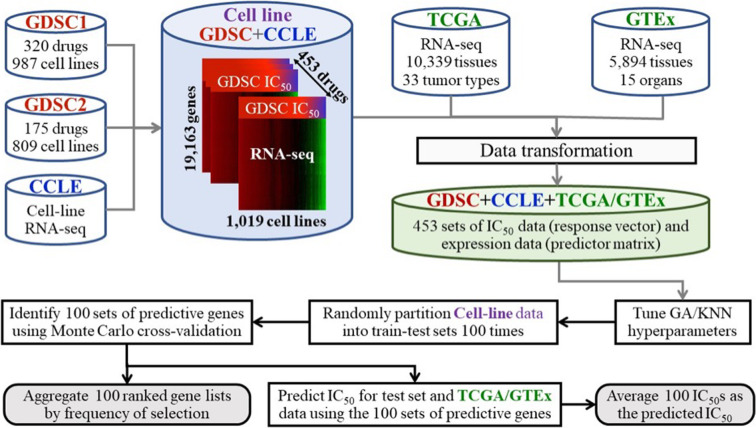
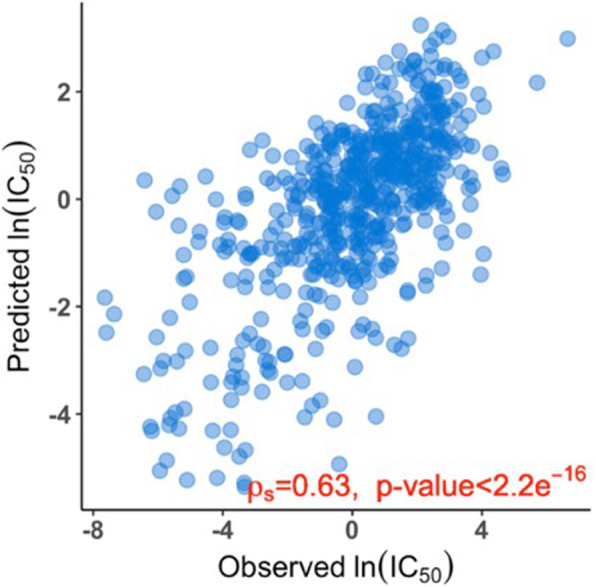
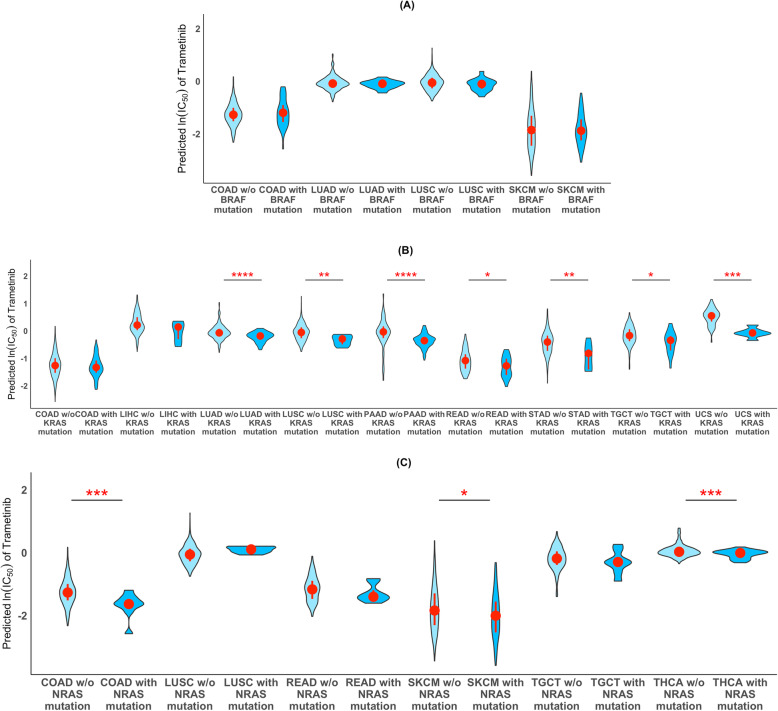
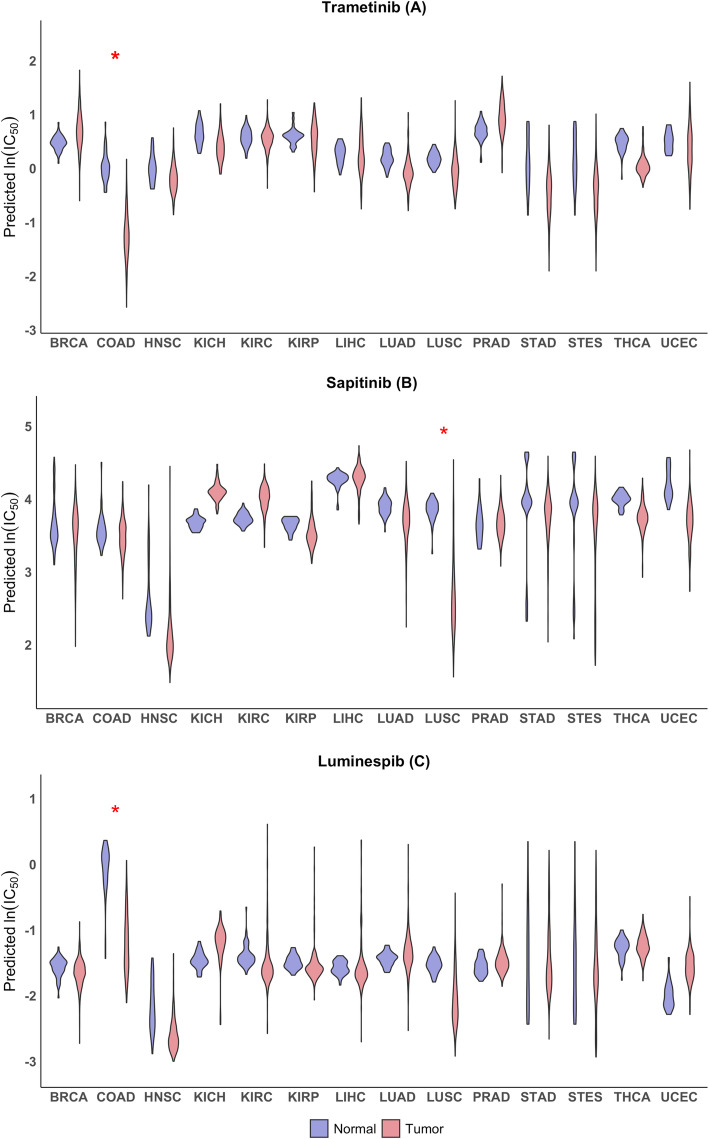
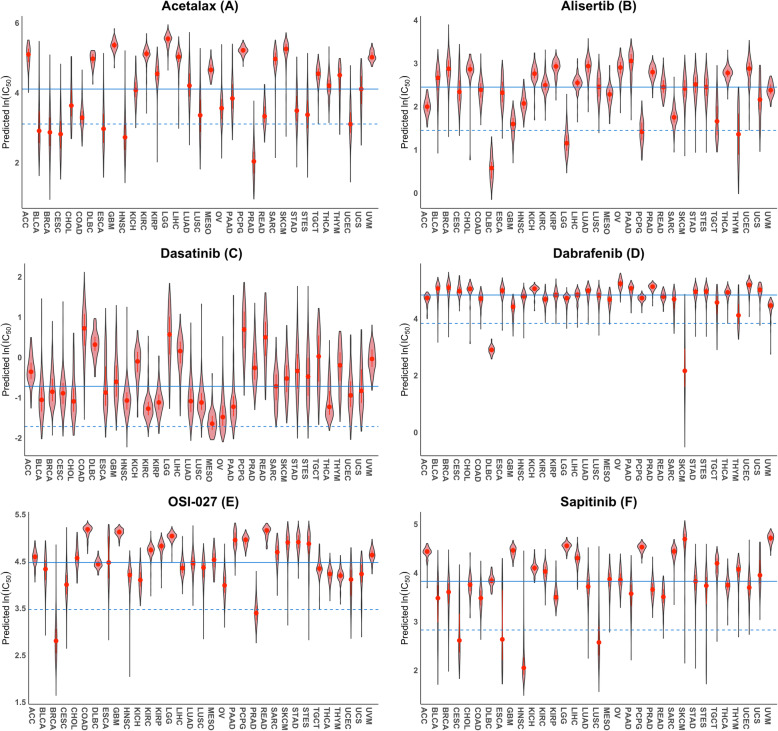
In this work, we built predictive models for 453 drugs using data on gene expression and drug sensitivity (IC) from cancer cell lines. We identified many known drug-gene interactions and uncovered several potentially novel drug-gene associations. Importantly, we further applied these predictive models to ~ 17,000 bulk RNA-seq samples from The Cancer Genome Atlas (TCGA) and the Genotype-Tissue Expression (GTEx) database to predict drug sensitivity for both normal and tumor tissues. We created a web site for users to visualize and download our predicted data ( https://manticore.niehs.nih.gov/cancerRxTissue ). Using trametinib as an example, we showed that our approach can faithfully recapitulate the known tumor specificity of the drug.
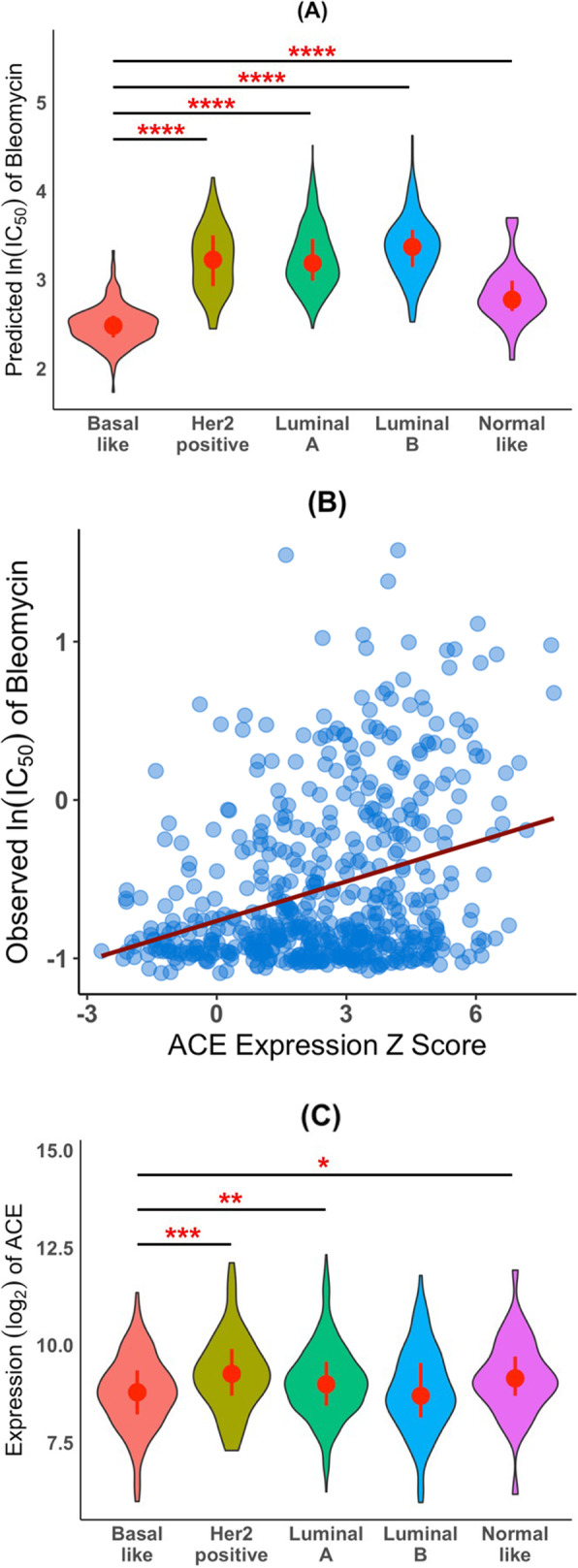
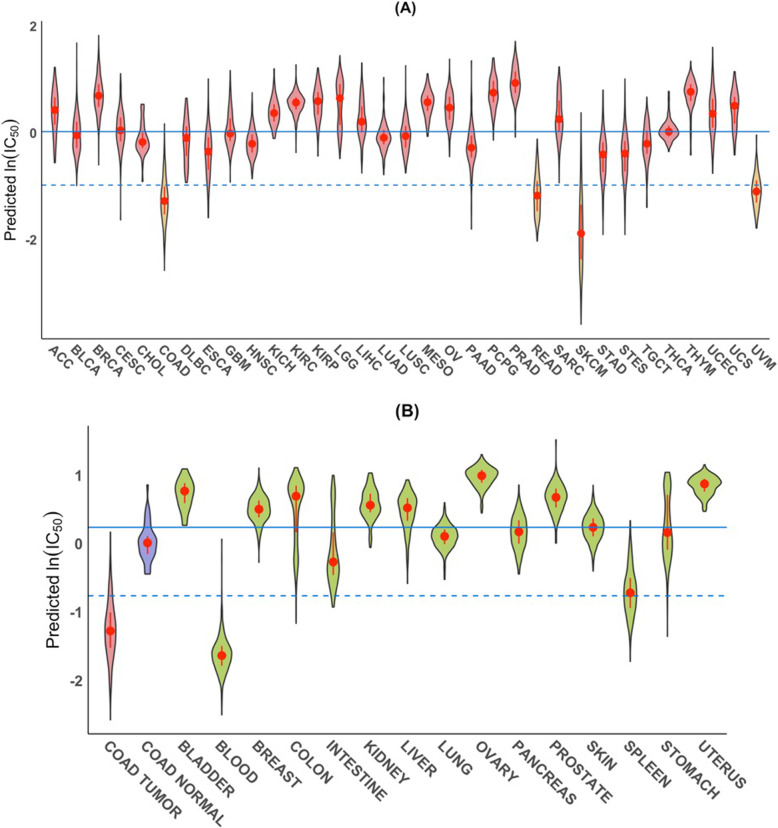
We demonstrated that our approach can predict drugs that 1) are tumor-type specific; 2) elicit higher sensitivity from tumor compared to corresponding normal tissue; 3) elicit differential sensitivity across breast cancer subtypes. If validated, our prediction could have relevance for preclinical drug testing and in phase I clinical design.
人类癌细胞系分析和药物敏感性研究为药物的治疗潜力及其可能的作用机制提供了有价值的信息。这些研究的目标是将癌细胞系体外研究的结果转化为体内治疗相关性,并最终应用于患者护理。目前已取得了巨大进展。
在这项工作中,我们利用癌细胞系的基因表达和药物敏感性(IC)数据,构建了针对453种药物的预测模型。我们识别出了许多已知的药物-基因相互作用,并发现了一些潜在的新型药物-基因关联。重要的是,我们进一步将这些预测模型应用于来自癌症基因组图谱(TCGA)和基因型-组织表达(GTEx)数据库的约17000个批量RNA测序样本,以预测正常组织和肿瘤组织的药物敏感性。我们创建了一个网站,供用户可视化和下载我们的预测数据(https://manticore.niehs.nih.gov/cancerRxTissue)。以曲美替尼为例,我们表明我们的方法能够如实地概括该药物已知的肿瘤特异性。
我们证明了我们的方法能够预测以下药物:1)具有肿瘤类型特异性;2)与相应正常组织相比,在肿瘤中引发更高的敏感性;3)在乳腺癌亚型中引发不同的敏感性。如果得到验证,我们的预测可能与临床前药物测试和I期临床设计相关。