Singh Devika, Yi Soojin V
School of Biological Sciences, Georgia Institute of Technology, Atlanta, GA, USA.
Exp Mol Med. 2021 Apr;53(4):537-547. doi: 10.1038/s12276-021-00604-z. Epub 2021 Apr 16.
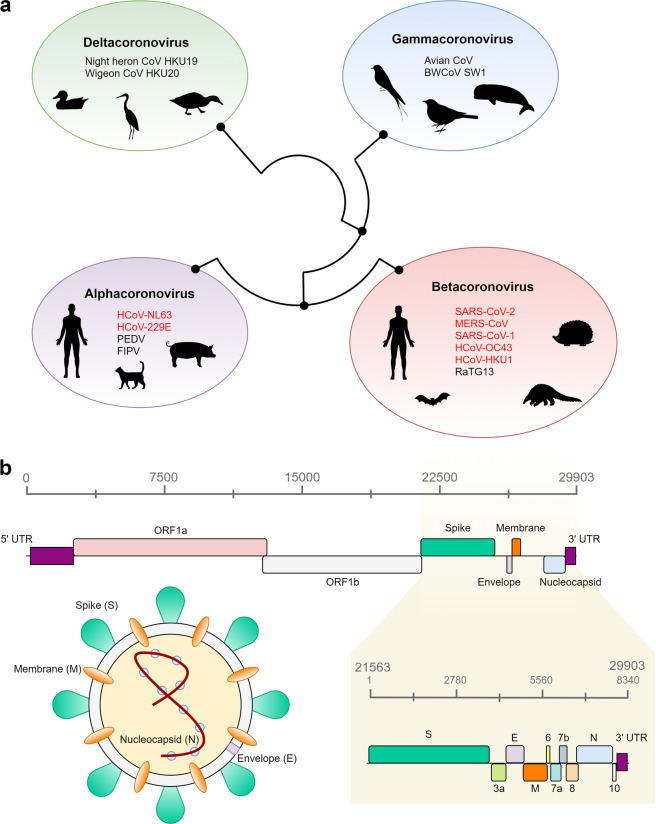
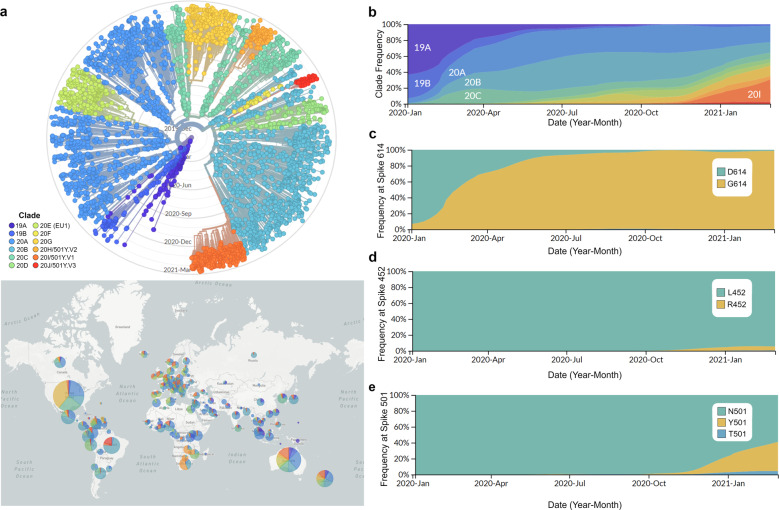
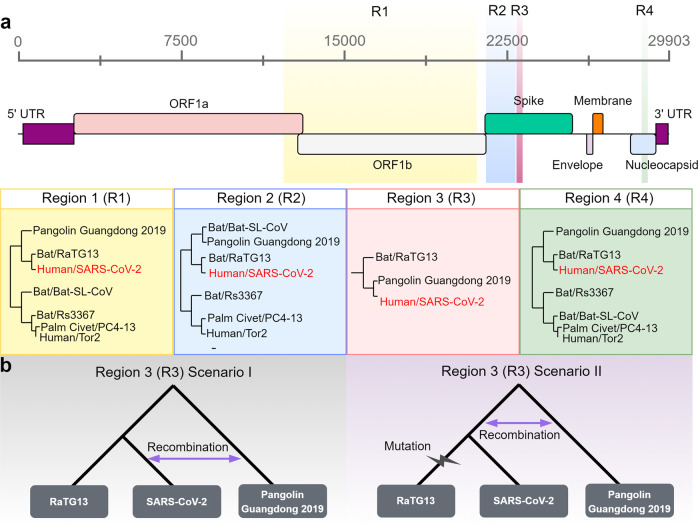
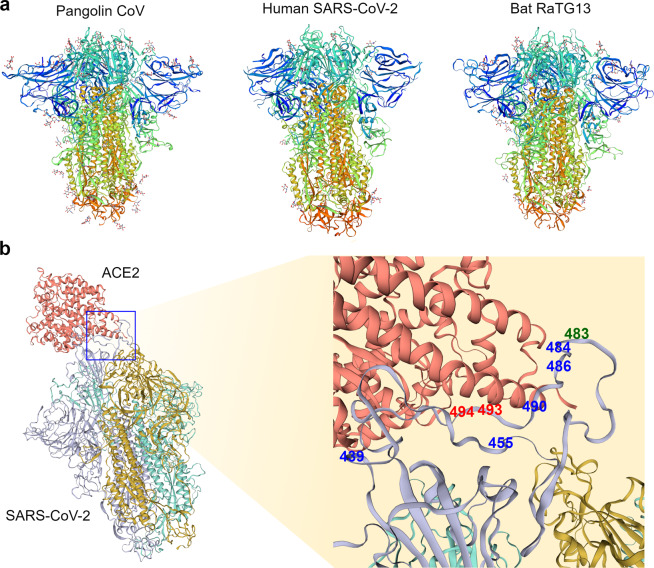
The severe acute respiratory syndrome coronavirus 2 (SARS-CoV-2) is responsible for the ongoing global outbreak of a coronavirus disease (herein referred to as COVID-19). Other viruses in the same phylogenetic group have been responsible for previous regional outbreaks, including SARS and MERS. SARS-CoV-2 has a zoonotic origin, similar to the causative viruses of these previous outbreaks. The repetitive introduction of animal viruses into human populations resulting in disease outbreaks suggests that similar future epidemics are inevitable. Therefore, understanding the molecular origin and ongoing evolution of SARS-CoV-2 will provide critical insights for preparing for and preventing future outbreaks. A key feature of SARS-CoV-2 is its propensity for genetic recombination across host species boundaries. Consequently, the genome of SARS-CoV-2 harbors signatures of multiple recombination events, likely encompassing multiple species and broad geographic regions. Other regions of the SARS-CoV-2 genome show the impact of purifying selection. The spike (S) protein of SARS-CoV-2, which enables the virus to enter host cells, exhibits signatures of both purifying selection and ancestral recombination events, leading to an effective S protein capable of infecting human and many other mammalian cells. The global spread and explosive growth of the SARS-CoV-2 population (within human hosts) has contributed additional mutational variability into this genome, increasing opportunities for future recombination.
严重急性呼吸综合征冠状病毒2(SARS-CoV-2)导致了目前正在全球爆发的冠状病毒病(以下简称COVID-19)。同一系统发育组中的其他病毒曾导致过此前的区域性疫情爆发,包括SARS和MERS。SARS-CoV-2具有人畜共患的起源,与这些先前疫情爆发的致病病毒类似。动物病毒不断传入人类群体并导致疾病爆发,这表明未来类似的疫情不可避免。因此,了解SARS-CoV-2的分子起源和持续进化将为防范和预防未来的疫情爆发提供关键见解。SARS-CoV-2的一个关键特征是其跨越宿主物种界限进行基因重组的倾向。因此,SARS-CoV-2的基因组带有多次重组事件的特征,可能涉及多个物种和广泛的地理区域。SARS-CoV-2基因组的其他区域显示出纯化选择的影响。SARS-CoV-2的刺突(S)蛋白可使病毒进入宿主细胞,它既表现出纯化选择的特征,也呈现出祖先重组事件的特征,从而产生了一种能够感染人类和许多其他哺乳动物细胞的有效S蛋白。SARS-CoV-2群体(在人类宿主内)的全球传播和爆发式增长为该基因组增添了更多的突变变异性,增加了未来重组的机会。