Akinbi Alex, Forshaw Mark, Blinkhorn Victoria
School of Computer Science and Mathematics, Liverpool John Moores University, James Parsons Building, Liverpool, UK.
School of Psychology, Liverpool John Moores University, Tom Reilly Building, Liverpool, UK.
Health Inf Sci Syst. 2021 Apr 13;9(1):18. doi: 10.1007/s13755-021-00147-7. eCollection 2021 Dec.
The COVID-19 pandemic has spread with increased fatalities around the world and has become an international public health crisis. Public health authorities in many countries have introduced contact tracing apps to track and trace infected persons as part of measures to contain the spread of the Severe Acute Respiratory Syndrome-Coronavirus 2. However, there are major concerns about its efficacy and privacy which affects mass acceptance amongst a population. This systematic literature review encompasses the current challenges facing this technology and recommendations to address such challenges in the fight against the COVID-19 pandemic in neo-liberal societies.
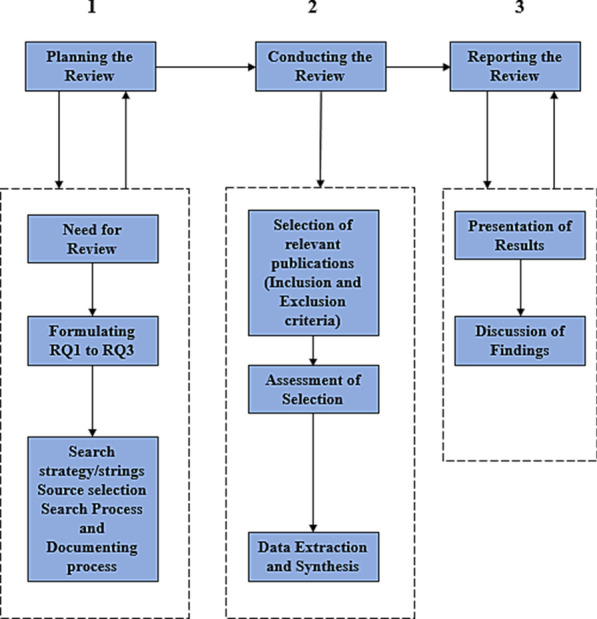
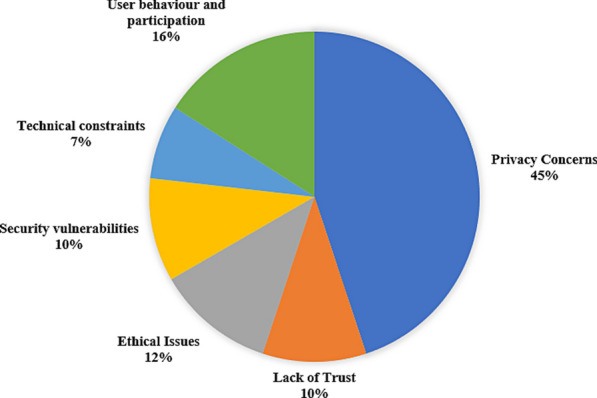
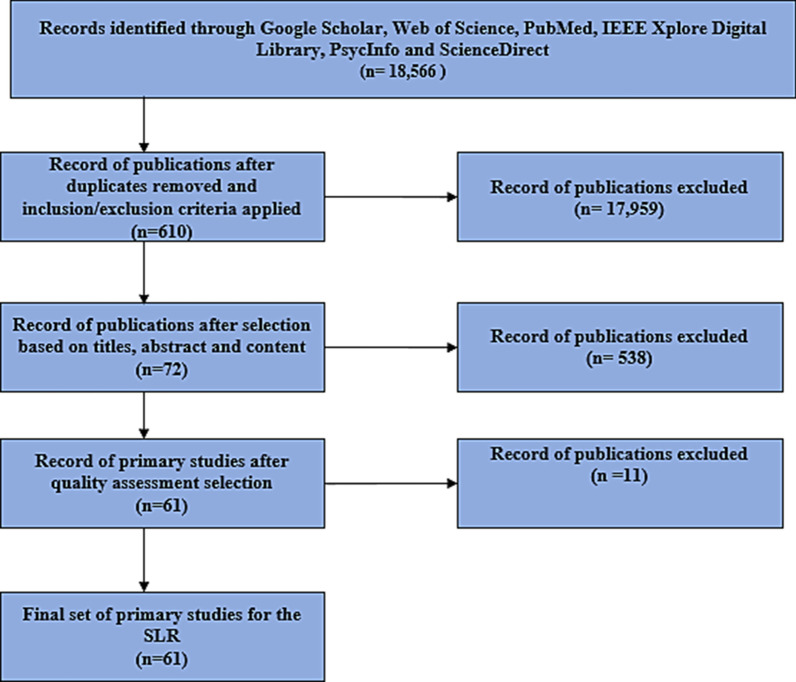
The systematic literature review was conducted by searching databases of Google Scholar, Web of Science, PubMed, IEEE Xplore Digital Library, PsycInfo and ScienceDirect using the search terms ("" "") ("" "") to identify relevant literature. The searches were run against the title, keywords, or abstract, depending on the search platforms. The searches were conducted between January 1, 2020, through 31st January 2021. Further inputs were also taken from preprints, published government and technical reports. We explore and discuss from the selected literature, the key challenges and issues that influence unwillingness to use these contact tracing apps in neo-liberal societies which include the plausibility of abuse of user privacy rights and lack of trust in the government and public health authorities by their citizens. Other challenges identified and discussed include ethical issues, security vulnerabilities, user behaviour and participation, and technical constraints.
Finally, in the analysis of this systematic literature review, recommendations to address these challenges, future directions, and considerations in the use of digital contact tracing apps and related technologies to contain the spread of future pandemic outbreaks are presented. For policy makers in neo-liberal societies, this study provides an in-depth review of issues that must be addressed. We highlight recommendations to improve the willingness to use such digital technologies and could facilitate mass acceptance amongst users.
新冠疫情已在全球蔓延,死亡人数不断增加,成为一场国际公共卫生危机。许多国家的公共卫生当局推出了接触者追踪应用程序,以追踪感染者,作为遏制严重急性呼吸综合征冠状病毒2传播措施的一部分。然而,人们对其有效性和隐私性存在重大担忧,这影响了民众的广泛接受度。本系统文献综述涵盖了这项技术目前面临的挑战,以及在新自由主义社会抗击新冠疫情中应对这些挑战的建议。
通过在谷歌学术、科学网、PubMed、IEEE Xplore数字图书馆、PsycInfo和科学Direct数据库中搜索,使用搜索词(“” “”) (“” “”)来识别相关文献,进行系统文献综述。根据搜索平台的不同,搜索针对标题、关键词或摘要进行。搜索在2020年1月1日至2021年1月31日期间进行。还从预印本、已发表的政府和技术报告中获取了更多信息。我们从选定的文献中探讨并讨论了影响新自由主义社会中不愿使用这些接触者追踪应用程序的关键挑战和问题,包括滥用用户隐私权的可能性以及公民对政府和公共卫生当局缺乏信任。确定并讨论的其他挑战包括伦理问题、安全漏洞、用户行为和参与度以及技术限制。
最后,在对本系统文献综述的分析中,提出了应对这些挑战的建议、未来方向,以及在使用数字接触者追踪应用程序和相关技术遏制未来大流行疫情传播方面的考虑因素。对于新自由主义社会的政策制定者来说,本研究对必须解决的问题进行了深入综述。我们强调了提高使用此类数字技术意愿的建议,并可促进用户的广泛接受。