Li Shenglong, Wang Wei
Department of Bone and Soft Tissue Tumor Surgery, Cancer Hospital of China Medical University, Liaoning Cancer Hospital and Institute, Shenyang, China.
Department of Tissue Engineering, Center of 3D Printing & Organ Manufacturing, School of Fundamental Sciences, China Medical University, Shenyang, China.
Front Cell Dev Biol. 2021 Apr 1;9:639514. doi: 10.3389/fcell.2021.639514. eCollection 2021.
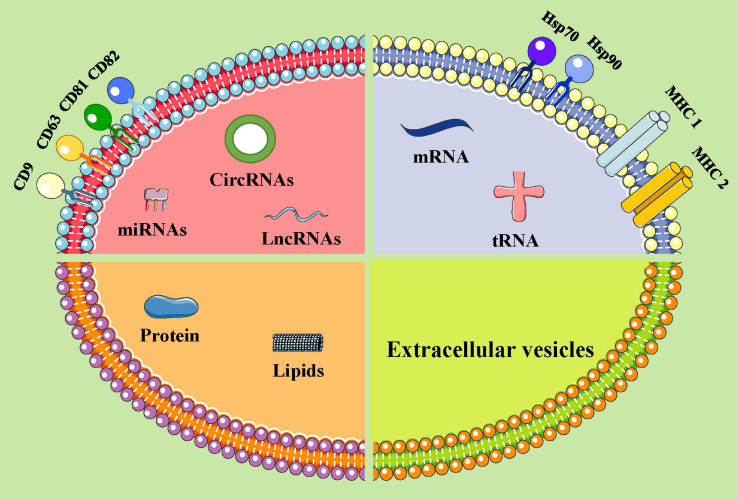
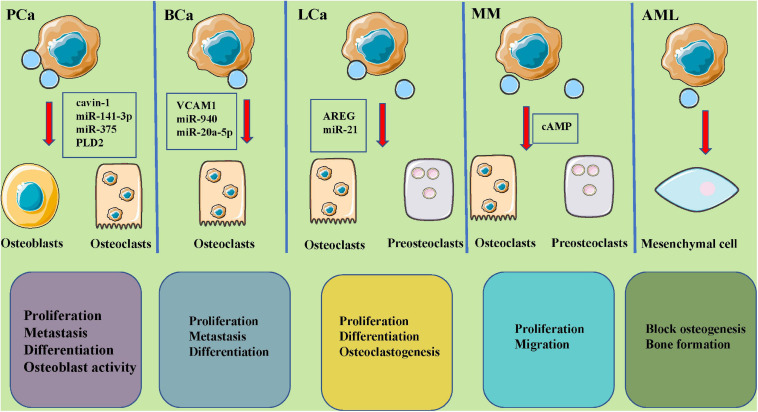
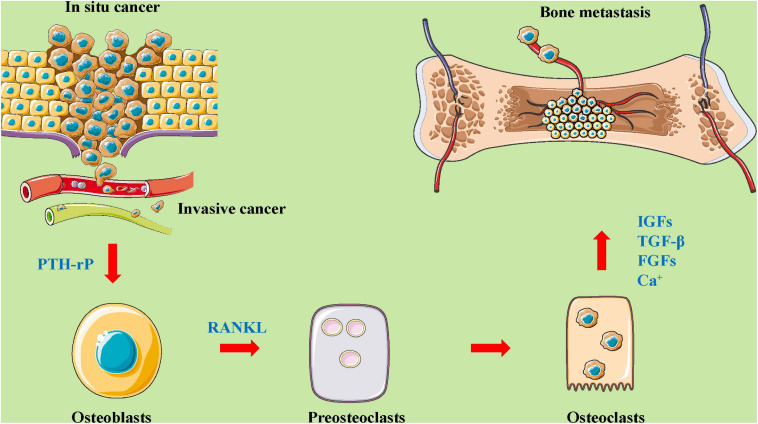
As one of the most common metastatic sites, bone has a unique microenvironment for the growth and prosperity of metastatic tumor cells. Bone metastasis is a common complication for tumor patients and accounts for 15-20% of systemic metastasis, which is only secondary to lung and liver metastasis. Cancers prone to bone metastasis include lung, breast, and prostate cancer. Extracellular vesicles (EVs) are lipid membrane vesicles released from different cell types. It is clear that EVs are associated with multiple biological phenomena and are crucial for intracellular communication by transporting intracellular substances. Recent studies have implicated EVs in the development of cancer. However, the potential roles of EVs in the pathological exchange of bone cells between tumors and the bone microenvironment remain an emerging area. This review is focused on the role of tumor-derived EVs in bone metastasis and possible regulatory mechanisms.
作为最常见的转移部位之一,骨为转移性肿瘤细胞的生长和增殖提供了独特的微环境。骨转移是肿瘤患者常见的并发症,占全身转移的15% - 20%,仅次于肺和肝转移。易发生骨转移的癌症包括肺癌、乳腺癌和前列腺癌。细胞外囊泡(EVs)是从不同细胞类型释放的脂质膜囊泡。很明显,EVs与多种生物学现象相关,并且通过运输细胞内物质对细胞间通讯至关重要。最近的研究表明EVs与癌症的发展有关。然而,EVs在肿瘤与骨微环境之间骨细胞病理交换中的潜在作用仍是一个新兴领域。本综述聚焦于肿瘤来源的EVs在骨转移中的作用及可能的调控机制。