Dai Xiaofeng, Yu Lihui, Chen Xiao, Zhang Jianying
Wuxi School of Medicine, Jiangnan University, Wuxi, Jiangsu, China.
School of Biotechnology, Jiangnan University, Wuxi, Jiangsu, China.
Cancer Cell Int. 2021 Apr 20;21(1):229. doi: 10.1186/s12935-021-01932-w.
SNRPD1 is a spliceosome-associated protein and has previously been implicated with important roles in cancer development.
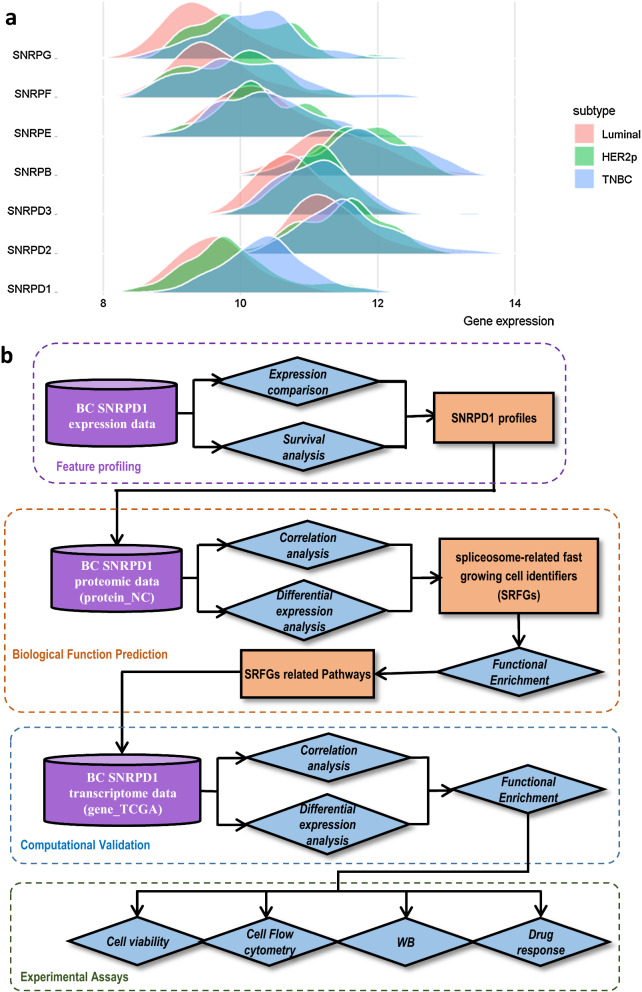
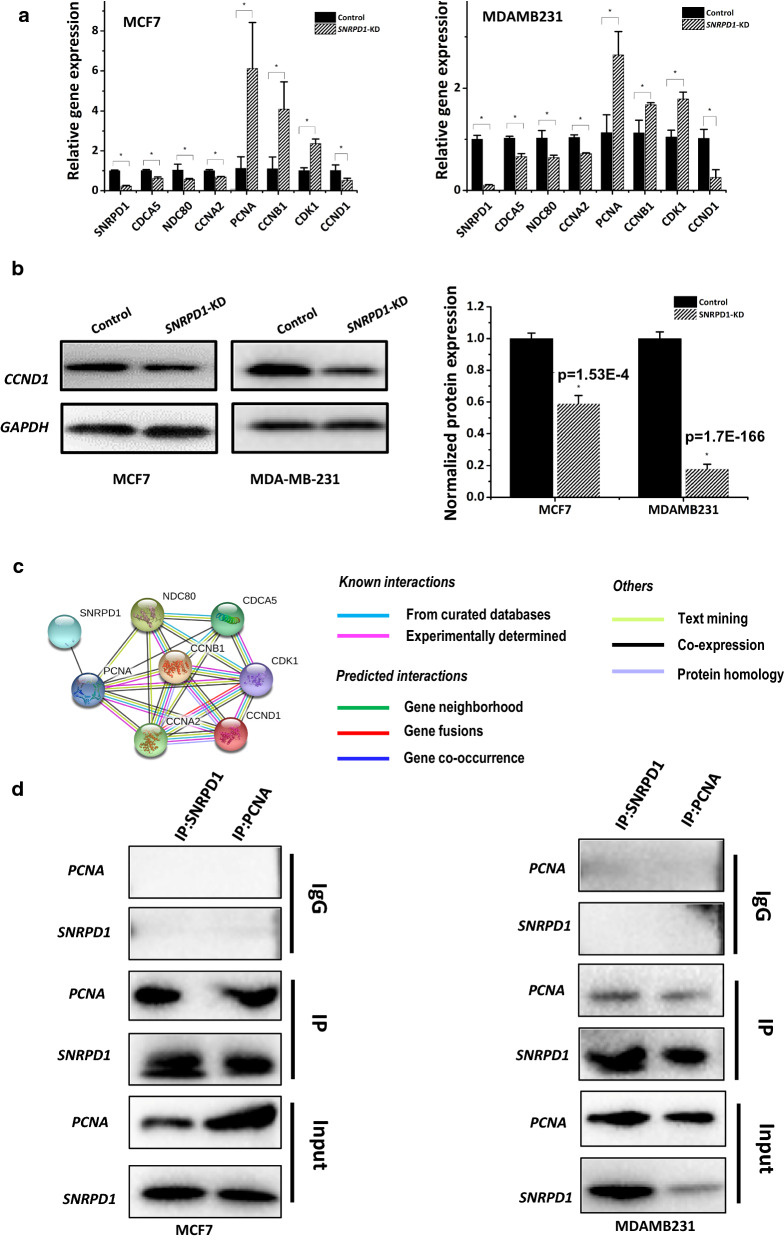
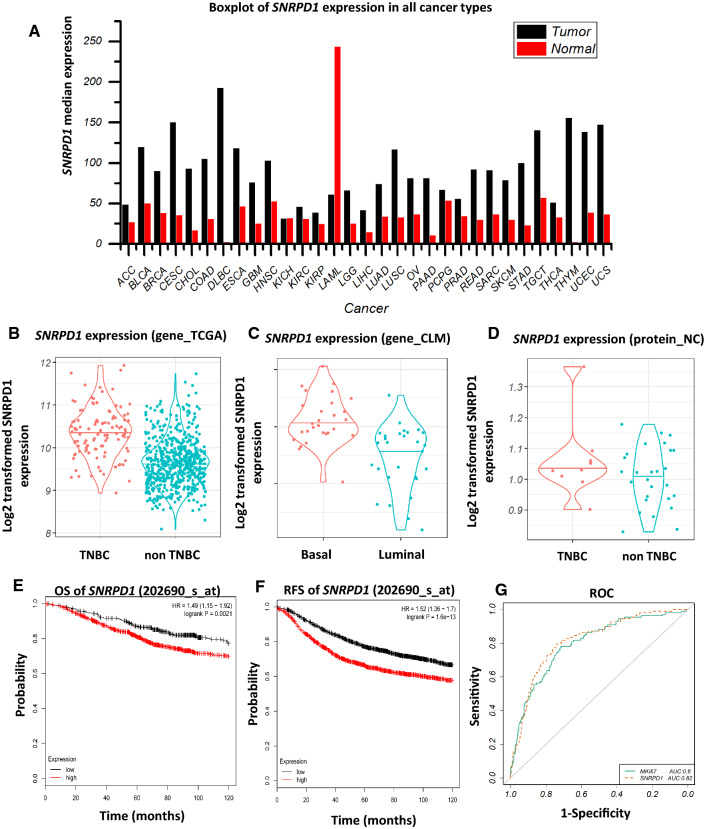
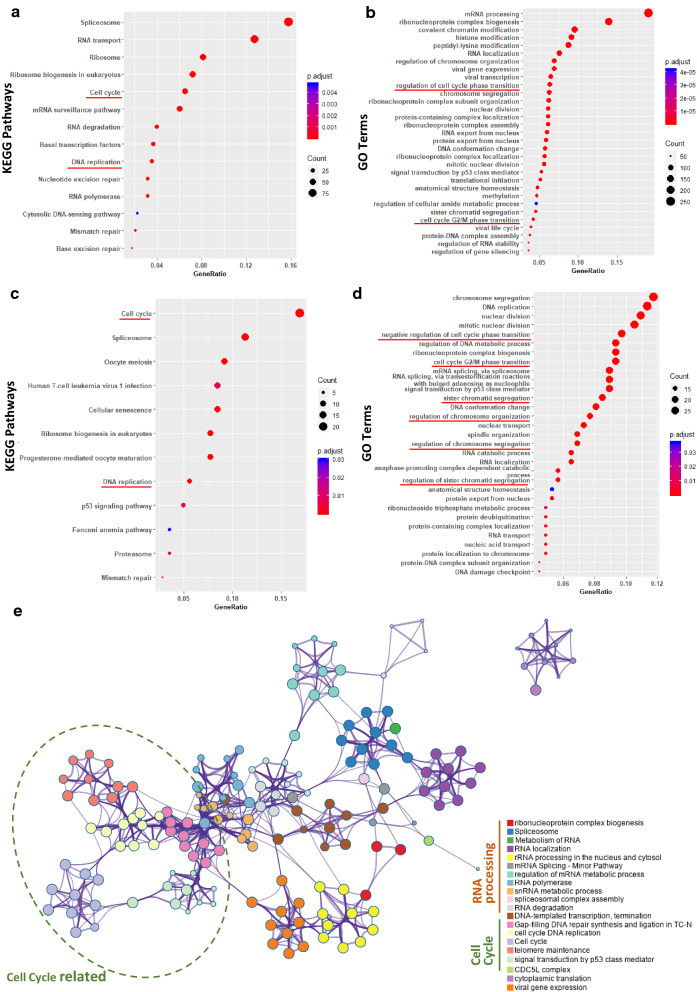
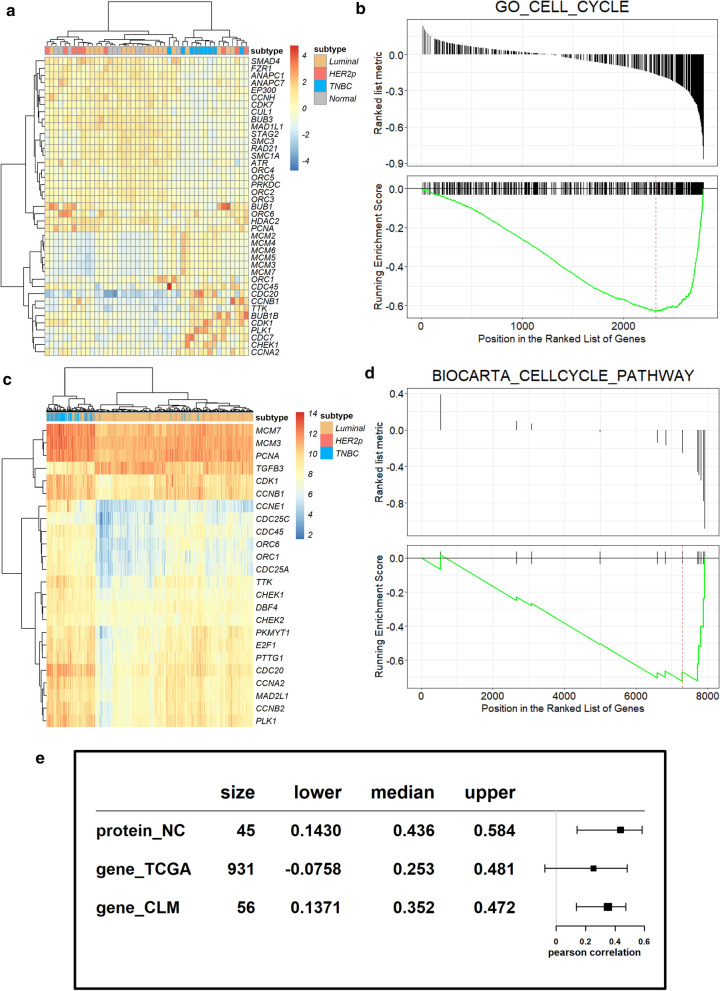
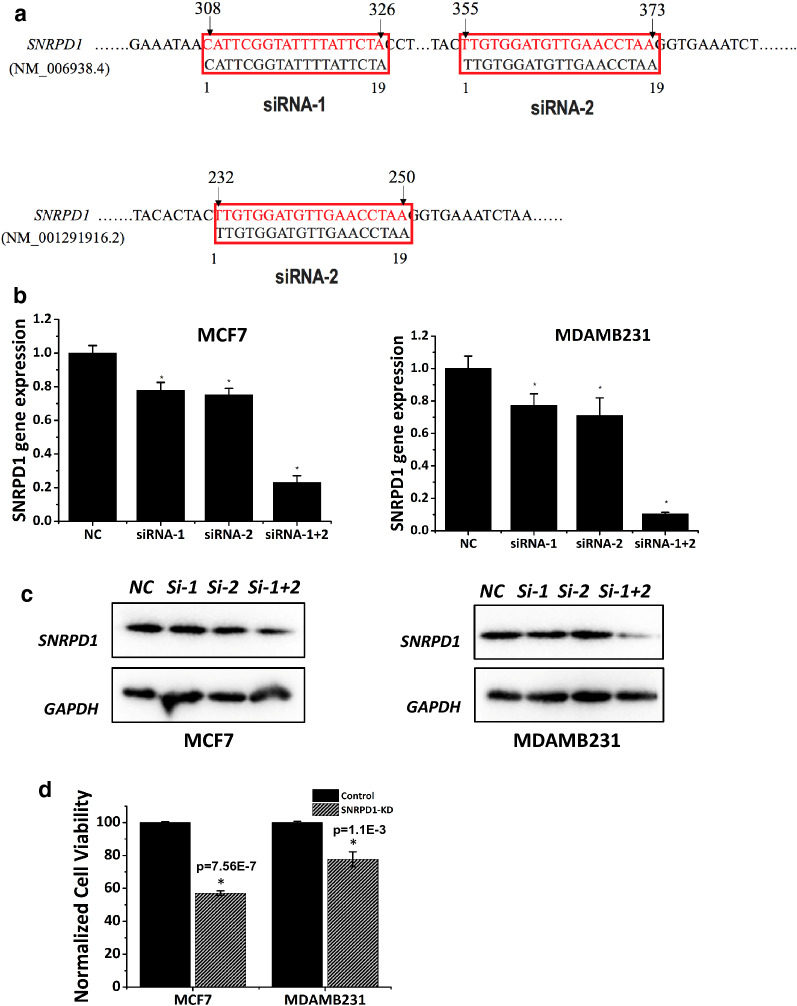
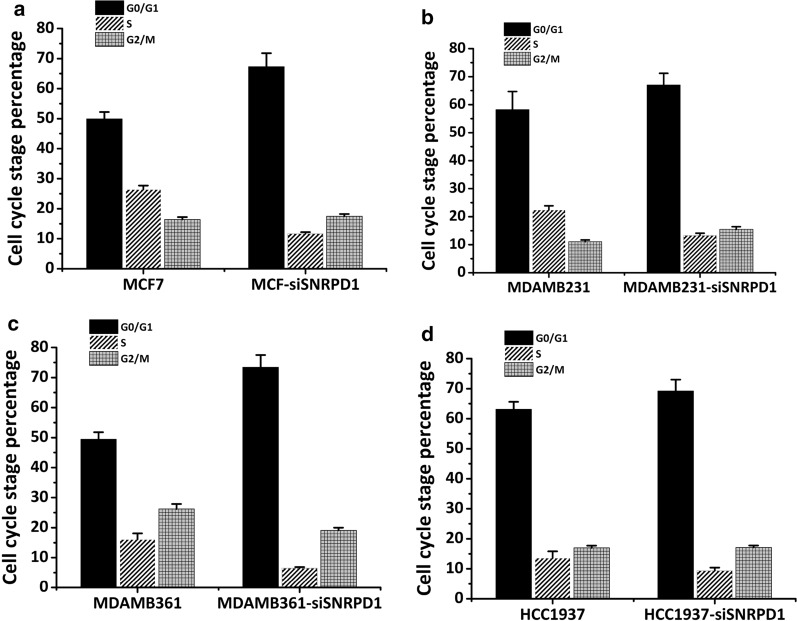
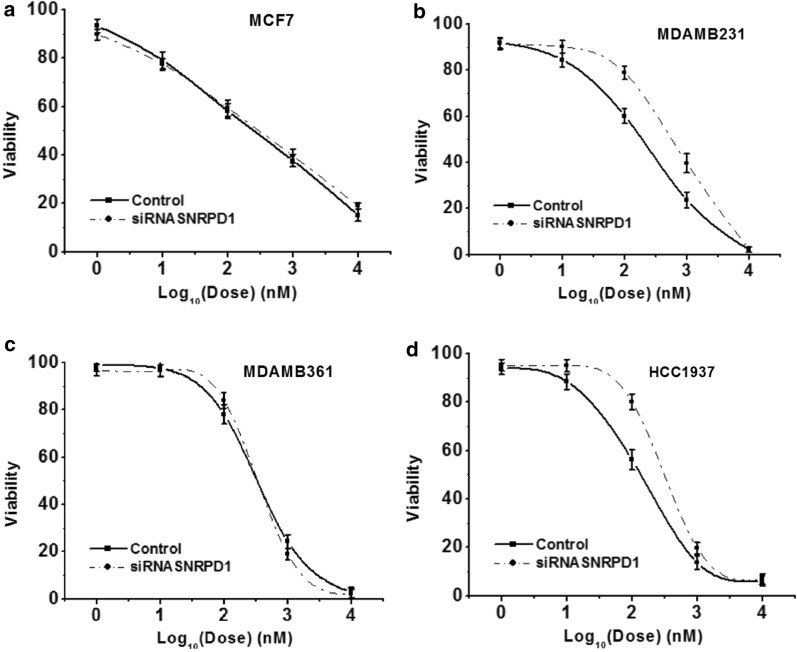
Through analyzing the differential expression patterns and clinical association of splicing associated genes among tumor and tumor adjacent samples across different tumors and among different breast cancer subtypes, we identify the tumor promotive role of SNRPD1 using multiple publicly available datasets. Through pathway, gene ontology enrichment analysis and network construction, we linked the onco-therapeutic role of SNRPD1 with cell cycle. Via a series of experimental studies including knockdown assay, qPCR, western blotting, cell cycle, drug response assay, we confirmed the higher expression of SNPRD1 at both gene and protein expression levels in triple negative breast cancer cells, as well as its roles in promoting cell cycle and chemotherapy response.
Our study revealed that SNRPD1 over-expression was significantly associated with genes involved in cell cycle, cell mitosis and chromatin replication, and silencing SNRPD1 in breast cancer cells could lead to halted tumor cell growth and cell cycle arrest at the G/G stage. We also found that triple negative breast cancer cells with reduced SNRPD1 expression lost certain sensitivity to doxorubicin whereas luminal cancer cells did not.
Our results suggested the prognostic value of SNRPD1 on breast cancer survival, its potential as the therapeutic target halting cell cycle progression for breast cancer control, and warranted special attention on the combined use of doxorubicin and drugs targeting SNRPD1.
SNRPD1是一种与剪接体相关的蛋白质,此前已被认为在癌症发展中起重要作用。
通过分析不同肿瘤的肿瘤组织与癌旁组织以及不同乳腺癌亚型之间剪接相关基因的差异表达模式和临床关联,我们利用多个公开可用数据集确定了SNRPD1的肿瘤促进作用。通过通路、基因本体富集分析和网络构建,我们将SNRPD1的肿瘤治疗作用与细胞周期联系起来。通过一系列实验研究,包括敲低实验、qPCR、蛋白质印迹、细胞周期、药物反应实验,我们证实了三阴性乳腺癌细胞中SNPRD1在基因和蛋白质表达水平上均有较高表达,以及其在促进细胞周期和化疗反应中的作用。
我们的研究表明,SNRPD1的过表达与参与细胞周期、细胞有丝分裂和染色质复制的基因显著相关,在乳腺癌细胞中沉默SNRPD1可导致肿瘤细胞生长停滞和细胞周期在G/G期停滞。我们还发现,SNRPD1表达降低的三阴性乳腺癌细胞对阿霉素失去了一定的敏感性,而管腔型癌细胞则没有。
我们的结果提示了SNRPD1对乳腺癌生存的预后价值,其作为阻止细胞周期进程以控制乳腺癌的治疗靶点的潜力,以及对阿霉素与靶向SNRPD1的药物联合使用应给予特别关注。