Kohli Nupur, Sharma Vaibhav, Orera Alodia, Sawadkar Prasad, Owji Nazanin, Frost Oliver G, Bailey Russell J, Snow Martyn, Knowles Jonathan C, Blunn Gordon W, García-Gareta Elena
Regenerative Biomaterials Group, The RAFT Institute & The Griffin Institute, Northwick Park & Saint Mark's Hospital, London, UK.
Department of Mechanical Engineering, Imperial College London, London, UK.
J Tissue Eng. 2021 Apr 6;12:20417314211005610. doi: 10.1177/20417314211005610. eCollection 2021 Jan-Dec.
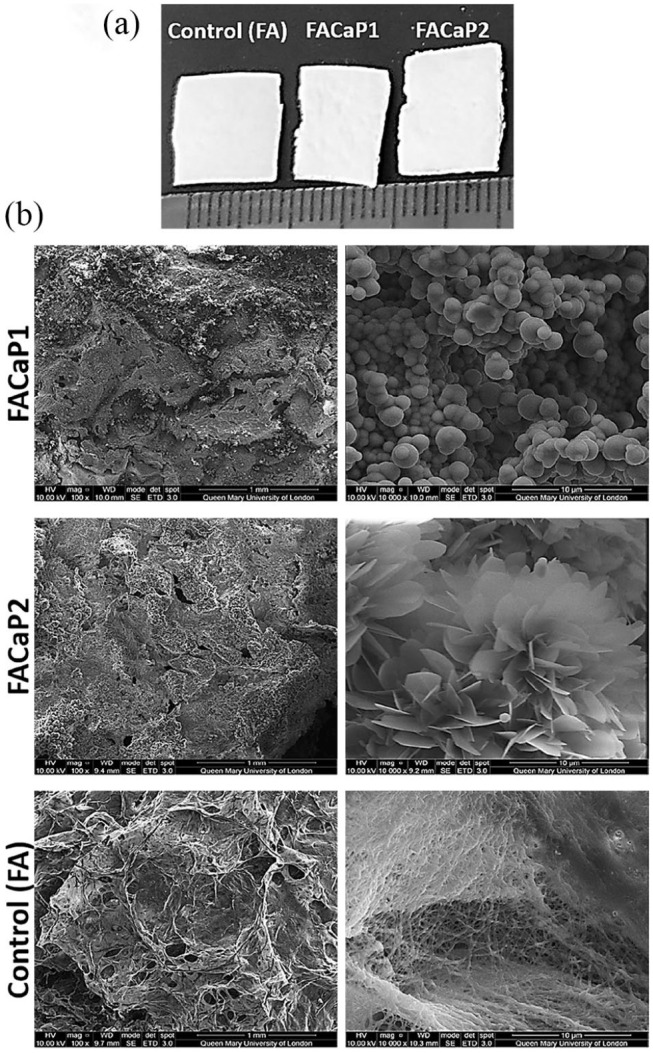
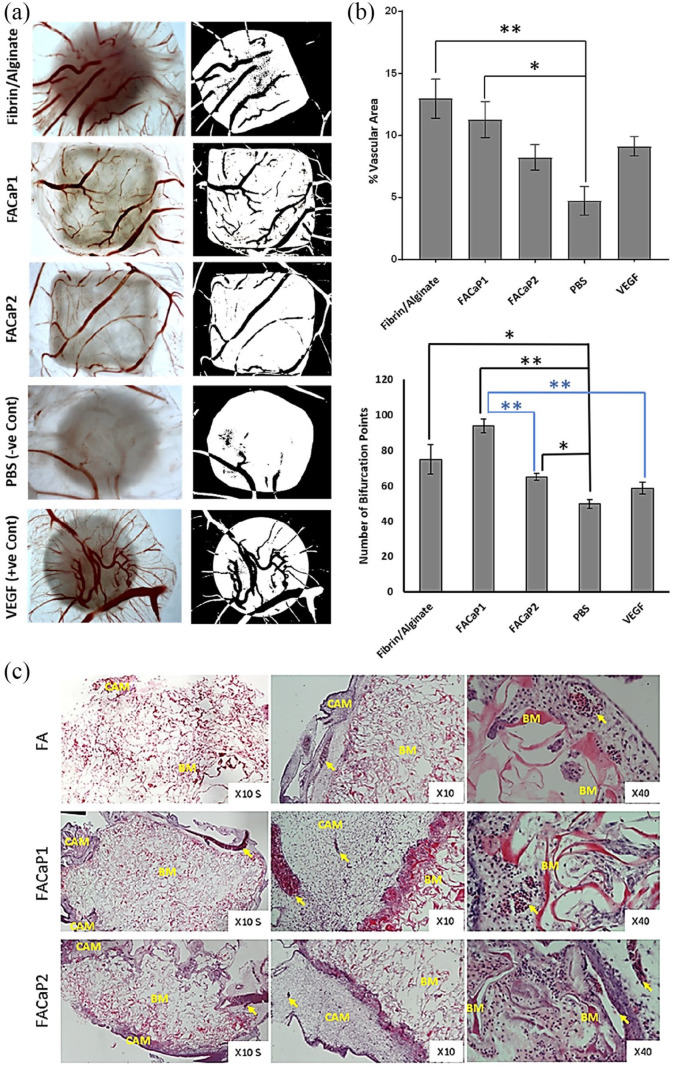
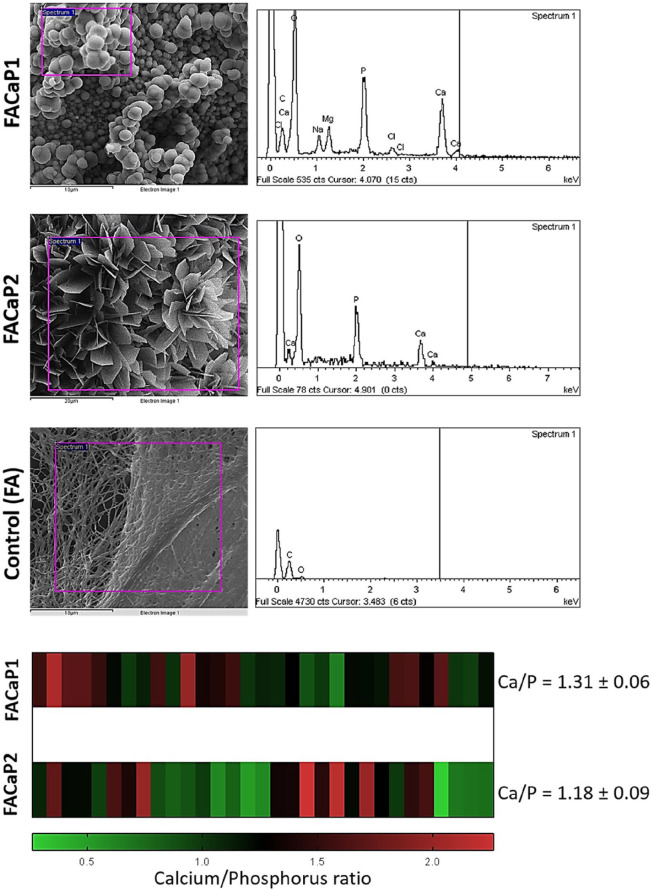
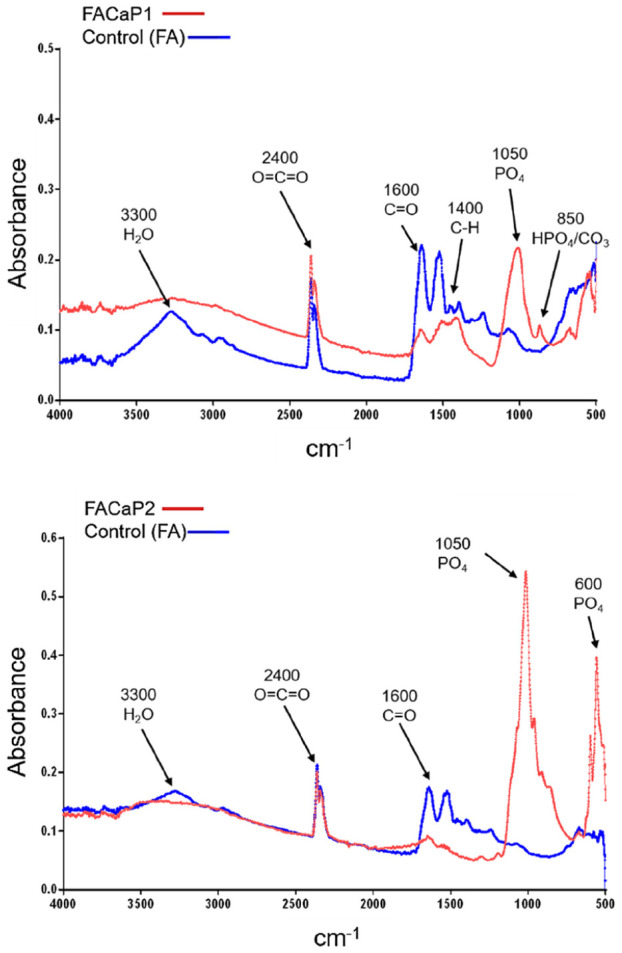
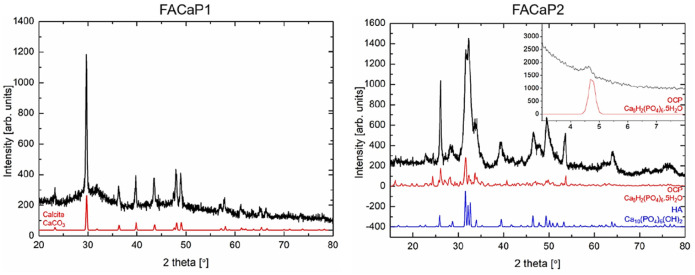
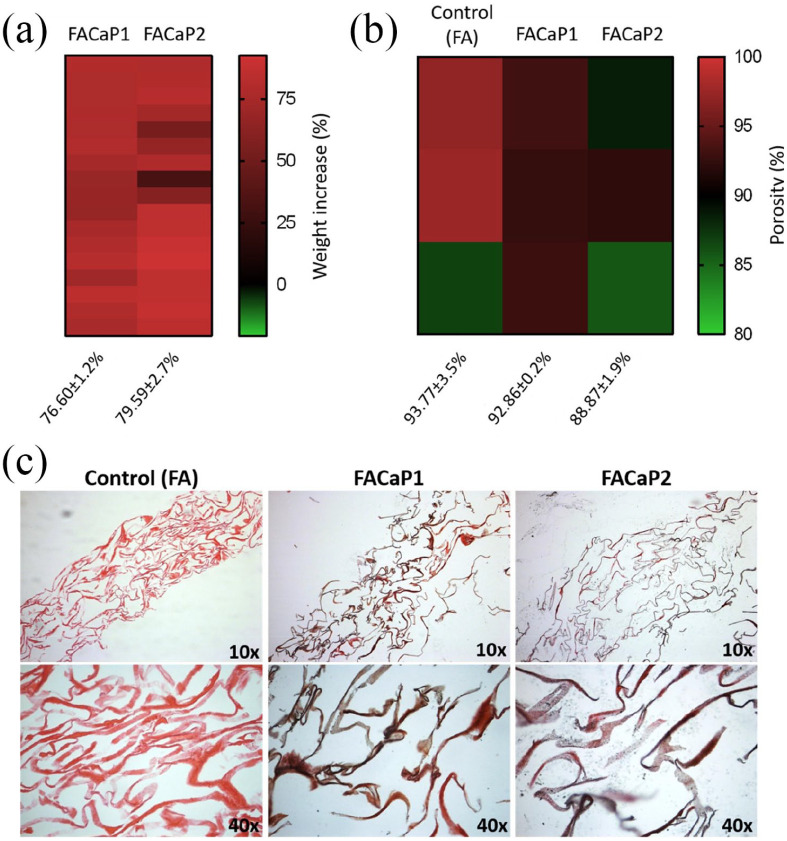
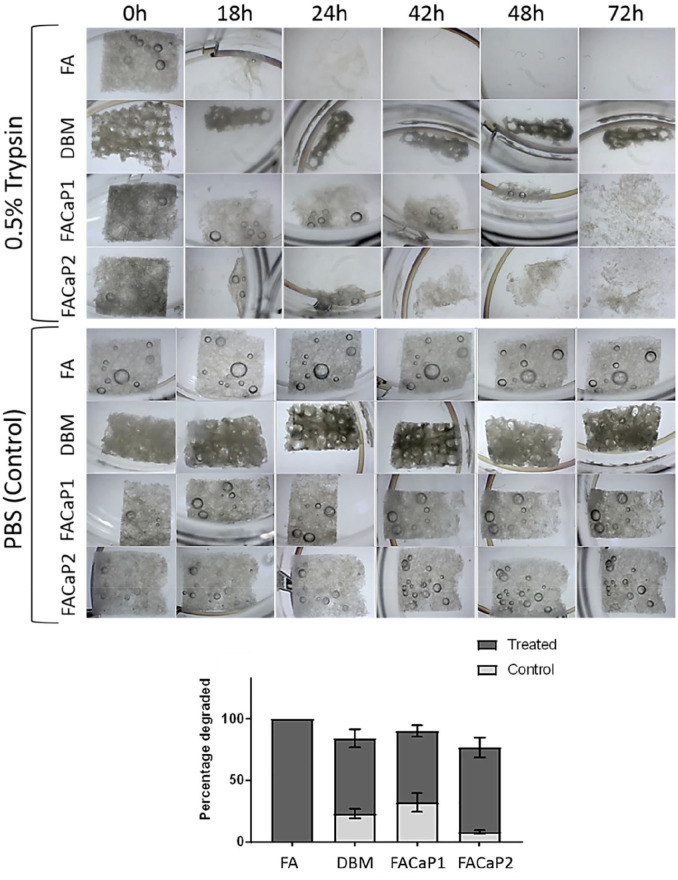
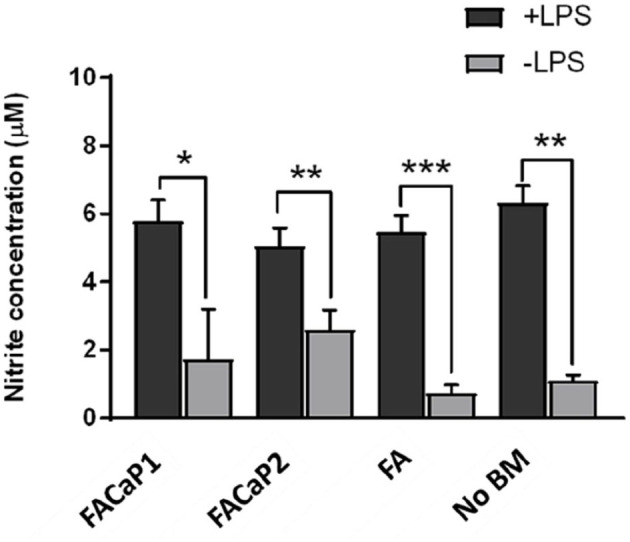
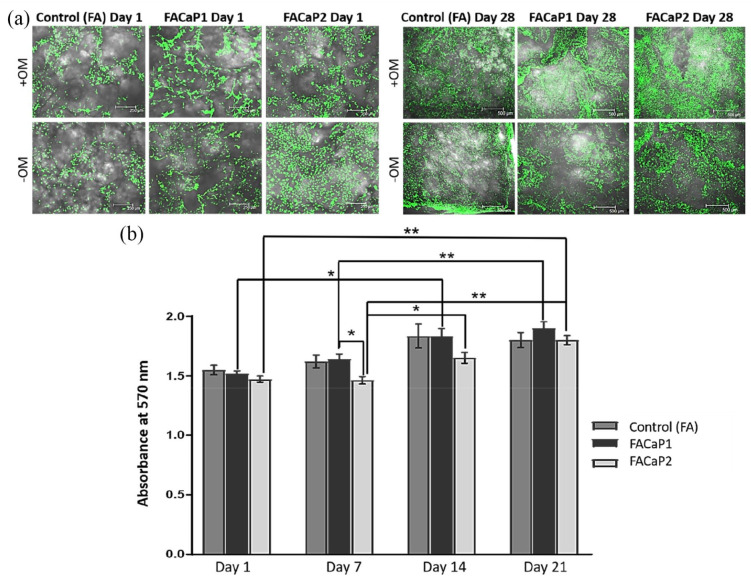
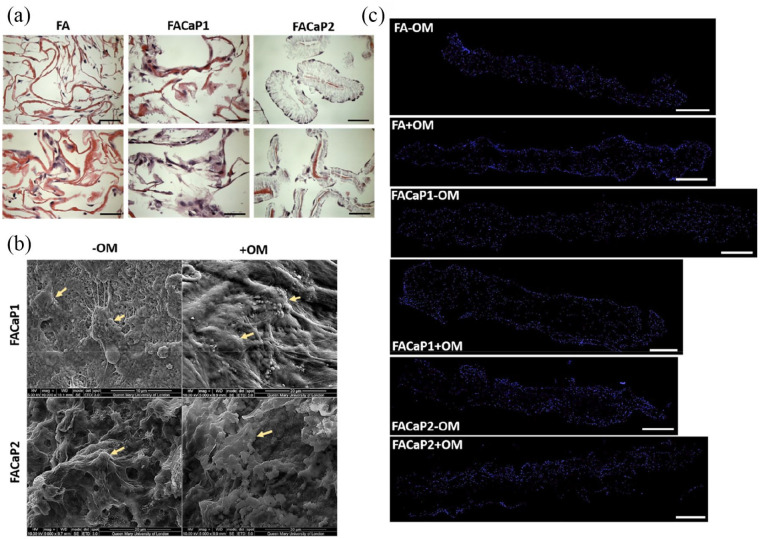
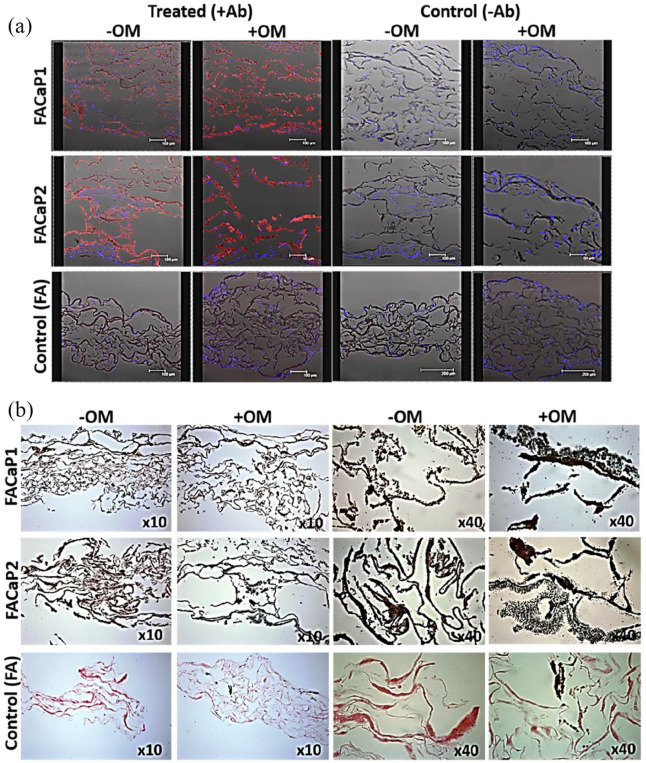
Due to the limitations of bone autografts, we aimed to develop new composite biomaterials with pro-angiogenic and osteogenic properties to be used as scaffolds in bone tissue engineering applications. We used a porous, cross-linked and slowly biodegradable fibrin/alginate scaffold originally developed in our laboratory for wound healing, throughout which deposits of calcium phosphate (CaP) were evenly incorporated using an established biomimetic method. Material characterisation revealed the porous nature and confirmed the deposition of CaP precursor phases throughout the scaffolds. MC3T3-E1 cells adhered to the scaffolds, proliferated, migrated and differentiated down the osteogenic pathway during the culture period. Chick chorioallantoic membrane (CAM) assay results showed that the scaffolds were pro-angiogenic and biocompatible. The work presented here gave useful insights into the potential of these pro-angiogenic and osteogenic scaffolds for bone tissue engineering and merits further research in a pre-clinical model prior to its clinical translation.
由于自体骨移植的局限性,我们旨在开发具有促血管生成和成骨特性的新型复合生物材料,用作骨组织工程应用中的支架。我们使用了一种多孔、交联且可缓慢生物降解的纤维蛋白/藻酸盐支架,该支架最初是在我们实验室开发用于伤口愈合的,通过一种既定的仿生方法将磷酸钙(CaP)沉积物均匀地掺入其中。材料表征揭示了支架的多孔性质,并证实了CaP前体相在整个支架中的沉积。在培养期间,MC3T3-E1细胞附着在支架上,增殖、迁移并沿成骨途径分化。鸡胚绒毛尿囊膜(CAM)试验结果表明,这些支架具有促血管生成和生物相容性。本文所开展的工作为这些促血管生成和成骨支架在骨组织工程中的潜力提供了有用的见解,并且在其临床转化之前,值得在临床前模型中进行进一步研究。