Department of Biomedical and Chemical Engineering, Syracuse University, Syracuse, NY, USA; BioInspired Syracuse Institute for Material and Living Systems, Syracuse, NY, USA.
Masonic Medical Research Institute, Utica, NY, USA.
Stem Cell Reports. 2021 May 11;16(5):1228-1244. doi: 10.1016/j.stemcr.2021.03.013. Epub 2021 Apr 22.
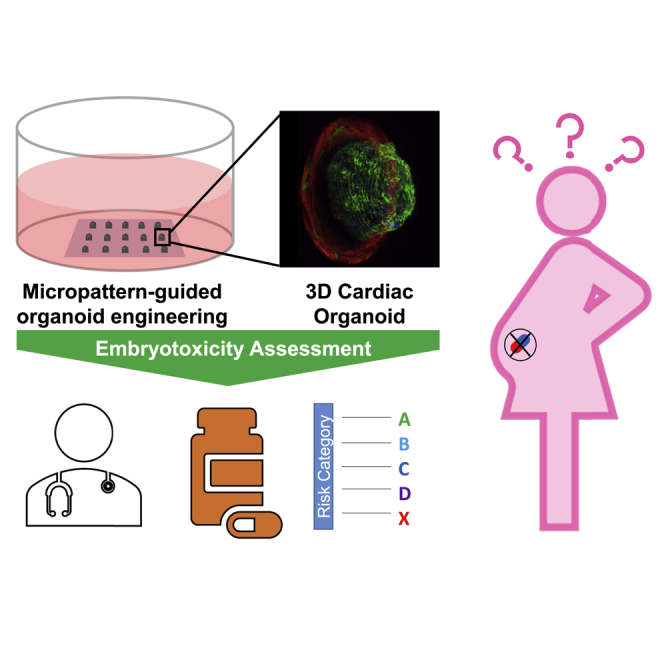
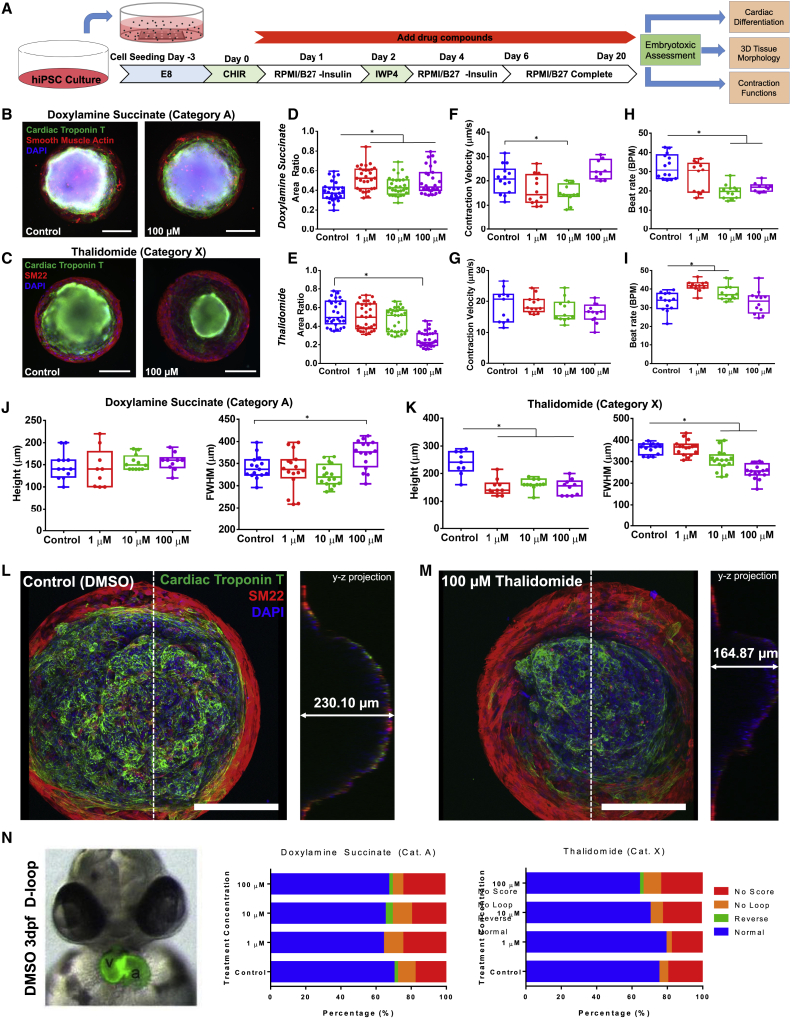
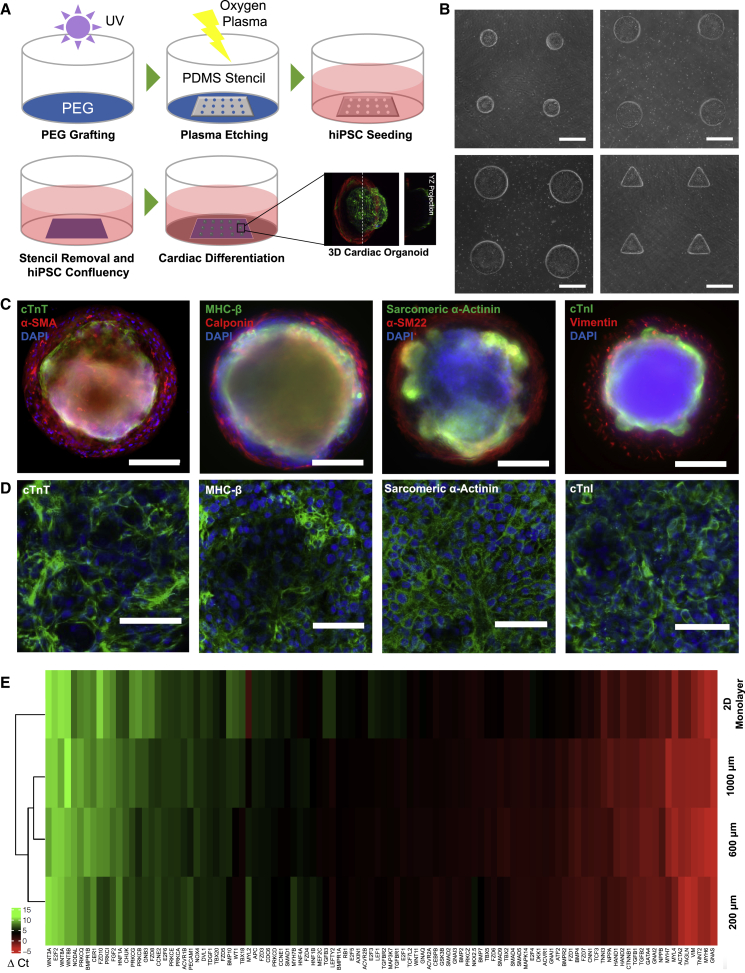
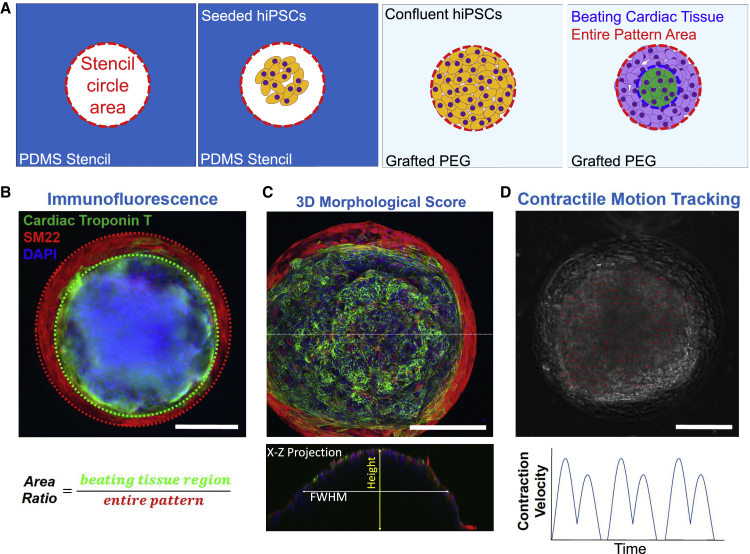
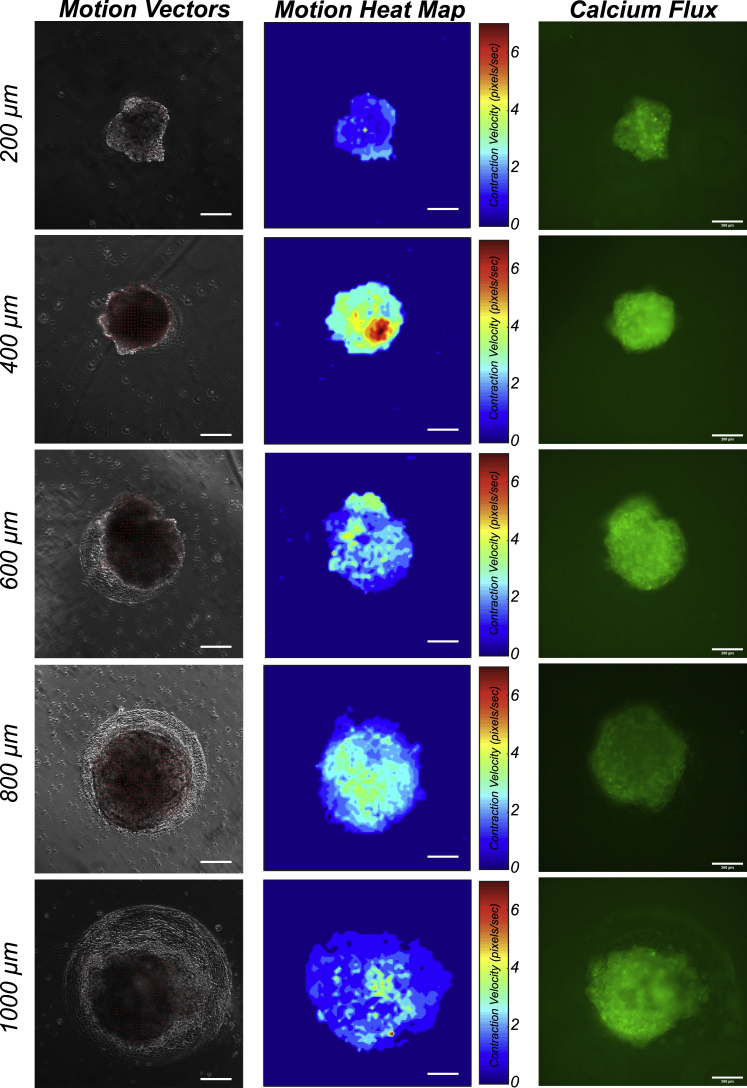
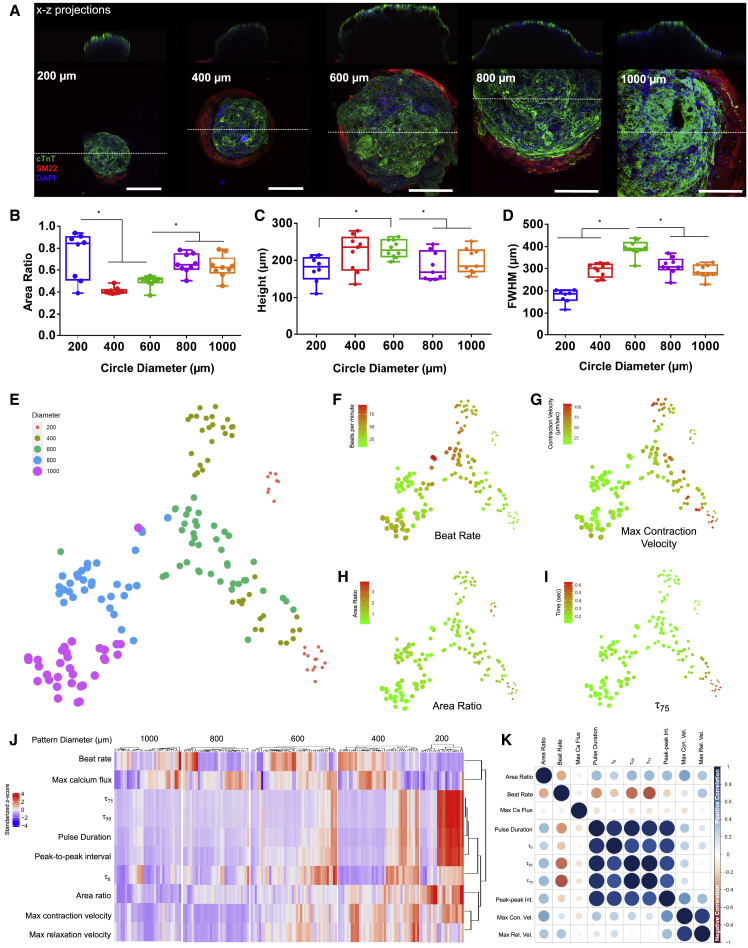
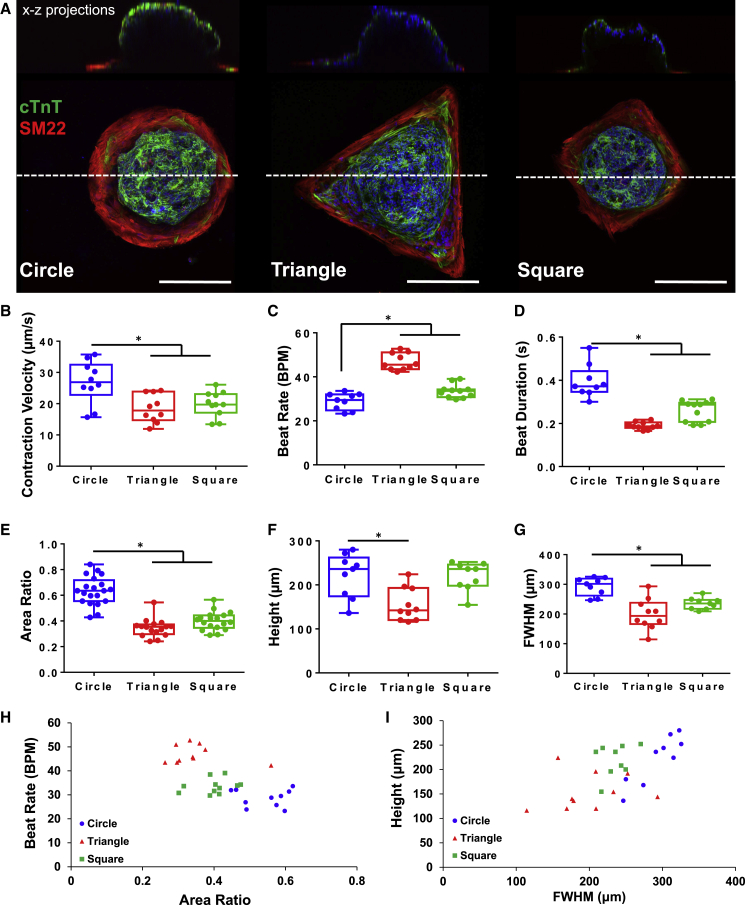
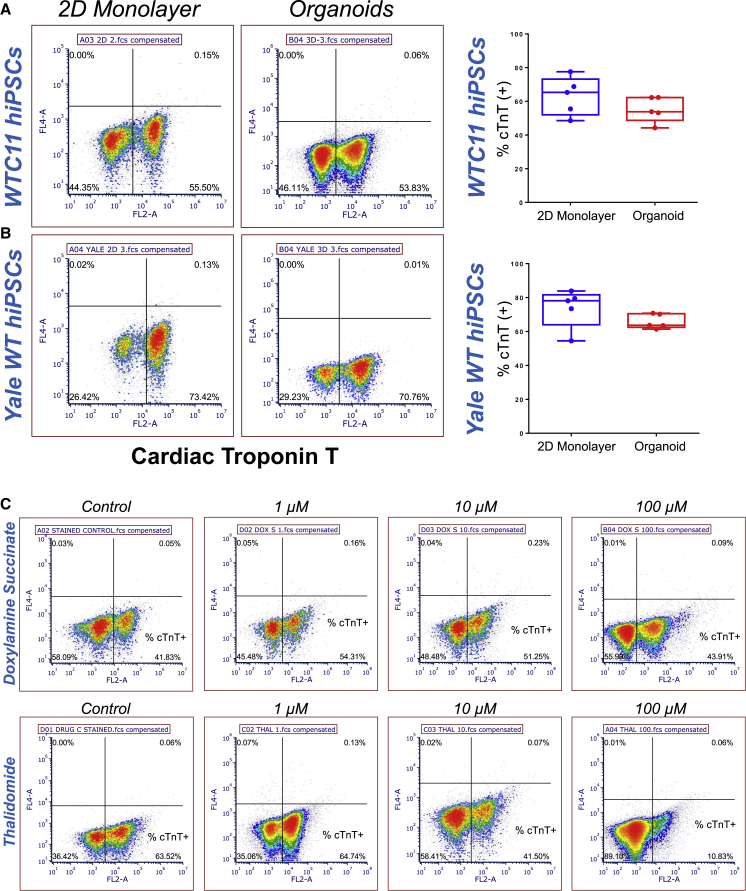
Emerging technologies in stem cell engineering have produced sophisticated organoid platforms by controlling stem cell fate via biomaterial instructive cues. By micropatterning and differentiating human induced pluripotent stem cells (hiPSCs), we have engineered spatially organized cardiac organoids with contracting cardiomyocytes in the center surrounded by stromal cells distributed along the pattern perimeter. We investigated how geometric confinement directed the structural morphology and contractile functions of the cardiac organoids and tailored the pattern geometry to optimize organoid production. Using modern data-mining techniques, we found that pattern sizes significantly affected contraction functions, particularly in the parameters related to contraction duration and diastolic functions. We applied cardiac organoids generated from 600 μm diameter circles as a developmental toxicity screening assay and quantified the embryotoxic potential of nine pharmaceutical compounds. These cardiac organoids have potential use as an in vitro platform for studying organoid structure-function relationships, developmental processes, and drug-induced cardiac developmental toxicity.
新兴的干细胞工程技术通过生物材料指导线索控制干细胞命运,从而产生了复杂的类器官平台。通过微图案化和分化人诱导多能干细胞(hiPSC),我们设计了具有中心收缩性心肌细胞和沿图案周边分布的基质细胞的空间组织的心脏类器官。我们研究了几何约束如何指导心脏类器官的结构形态和收缩功能,并调整图案几何形状以优化类器官的生成。使用现代数据挖掘技术,我们发现图案大小显著影响收缩功能,特别是与收缩持续时间和舒张功能相关的参数。我们应用 600μm 直径圆形生成的心脏类器官作为发育毒性筛选测定,并量化了九种药物化合物的胚胎毒性潜力。这些心脏类器官有可能作为研究类器官结构-功能关系、发育过程和药物诱导的心脏发育毒性的体外平台。