Department of Physiology and Cellular Biophysics, Columbia University Irving Medical Center, New York, NY 10032, USA.
Department of Physiology and Cellular Biophysics, Columbia University Irving Medical Center, New York, NY 10032, USA.
J Mol Biol. 2021 Aug 6;433(16):167005. doi: 10.1016/j.jmb.2021.167005. Epub 2021 Apr 20.
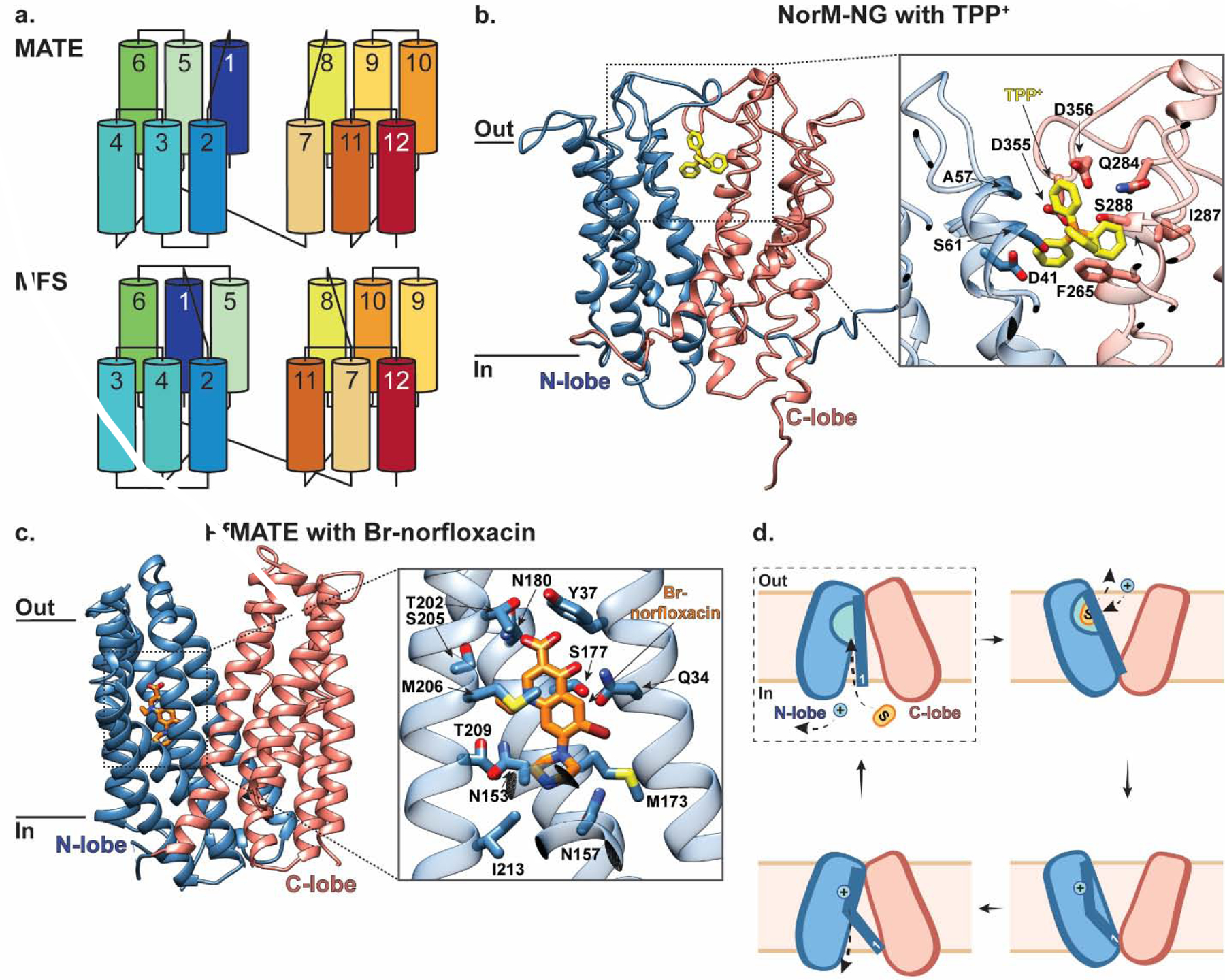
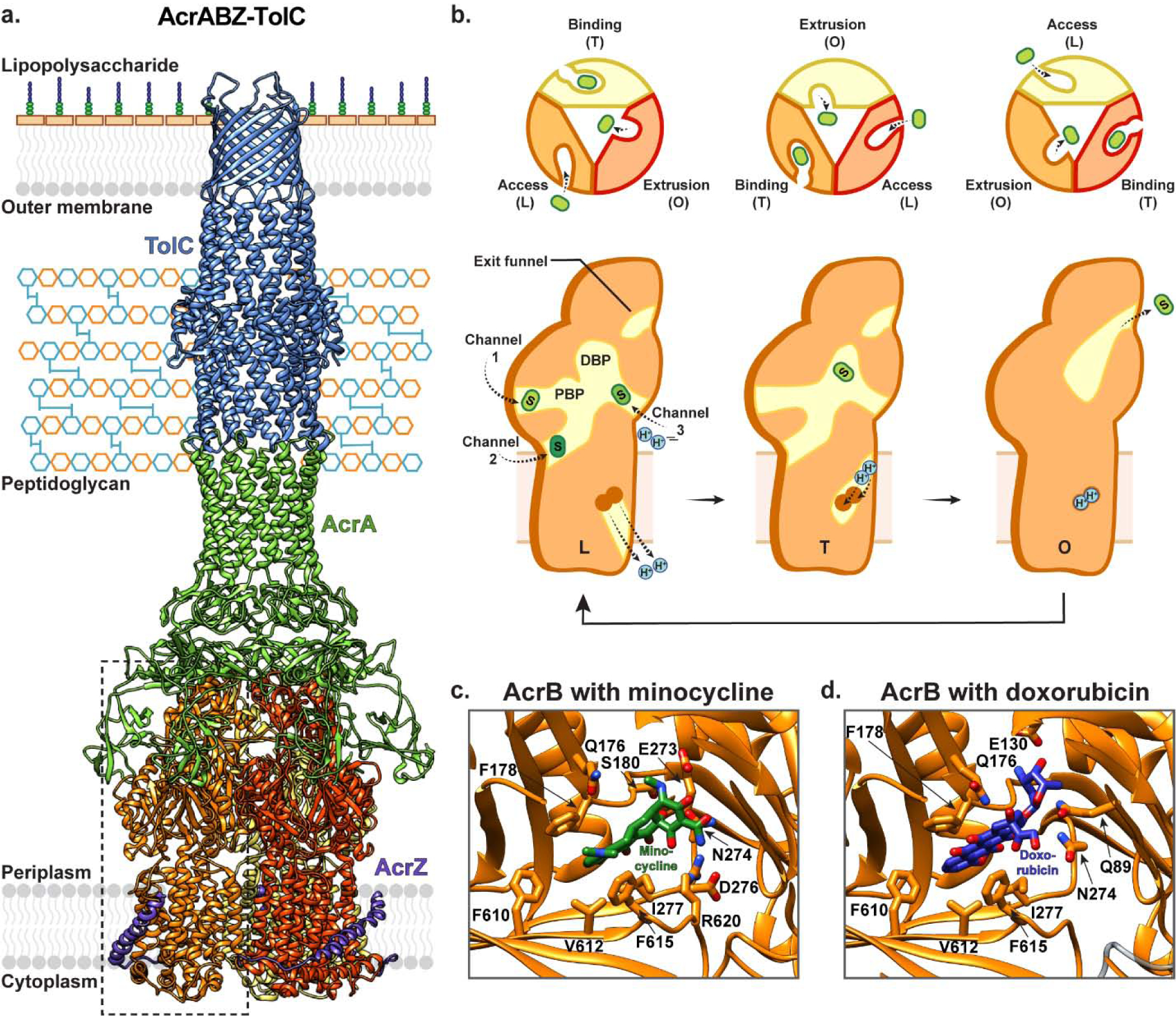
Infectious diseases present a major threat to public health globally. Pathogens can acquire resistance to anti-infectious agents via several means including transporter-mediated efflux. Typically, multidrug transporters feature spacious, dynamic, and chemically malleable binding sites to aid in the recognition and transport of chemically diverse substrates across cell membranes. Here, we discuss recent structural investigations of multidrug transporters involved in resistance to infectious diseases that belong to the ATP-binding cassette (ABC) superfamily, the major facilitator superfamily (MFS), the drug/metabolite transporter (DMT) superfamily, the multidrug and toxic compound extrusion (MATE) family, the small multidrug resistance (SMR) family, and the resistance-nodulation-division (RND) superfamily. These structural insights provide invaluable information for understanding and combatting multidrug resistance.
传染病对全球公共卫生构成重大威胁。病原体可以通过多种途径获得对抗感染药物的耐药性,包括转运体介导的外排。通常,多药转运体具有宽敞、动态和化学可变形的结合位点,以帮助识别和跨细胞膜转运化学多样化的底物。在这里,我们讨论了最近对与传染病耐药性相关的 ABC 超家族、主要易化因子超家族 (MFS)、药物/代谢物转运体 (DMT) 超家族、多药和毒性化合物外排 (MATE) 家族、小多药耐药 (SMR) 家族和抗性-结节-分裂 (RND) 超家族的多药转运体的结构研究。这些结构见解为理解和对抗多药耐药性提供了宝贵的信息。