Huntington's Disease Centre, Department of Neurodegenerative Disease and UK Dementia Research Institute at UCL, Queen Square Institute of Neurology, University College London, London, WC1N 3BG, UK.
Laboratory for Biomedical Neurosciences, Neurocenter of Southern Switzerland, Ente Ospedaliero Cantonale and Faculty of Biomedical Sciences, Università Della Svizzera Italiana, Lugano, Switzerland.
Sci Rep. 2021 Apr 27;11(1):9117. doi: 10.1038/s41598-021-88715-5.
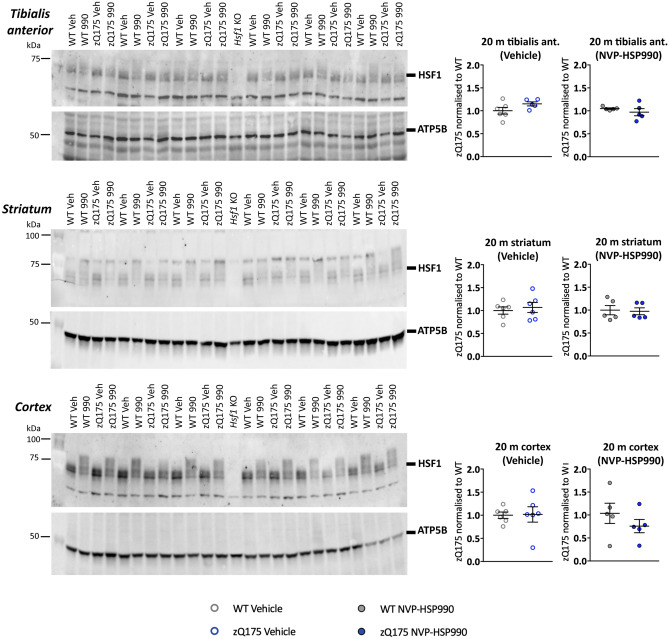
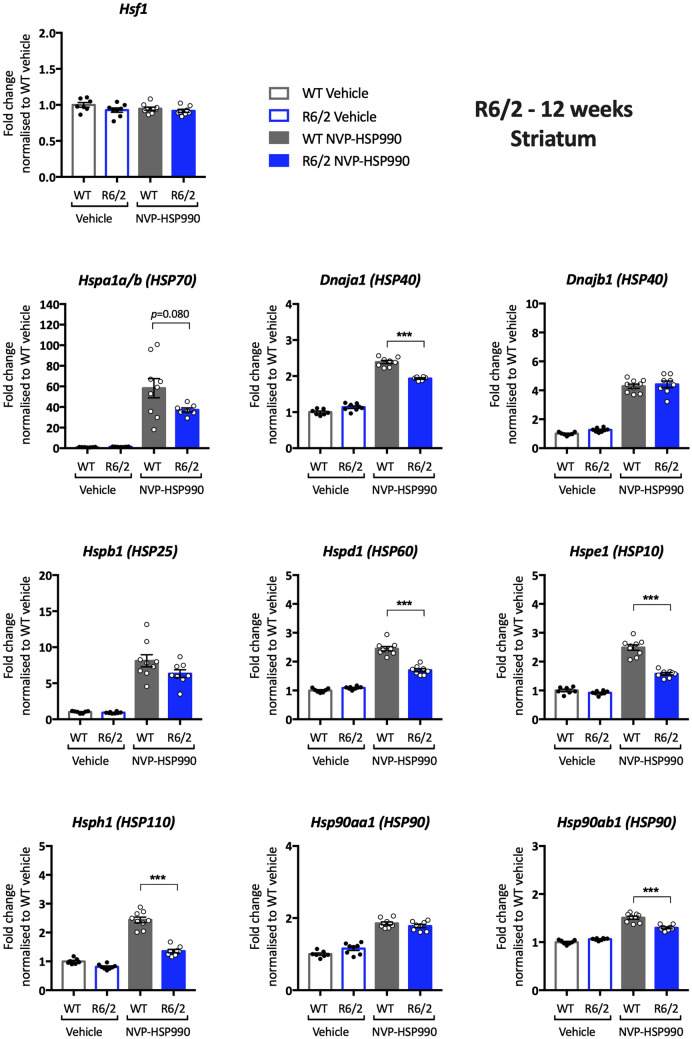
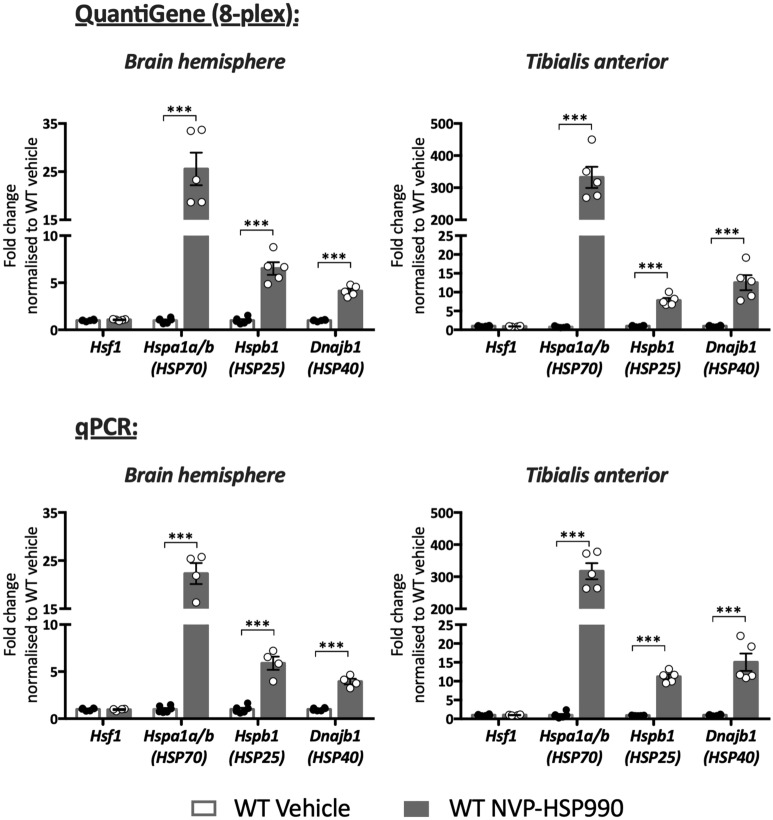
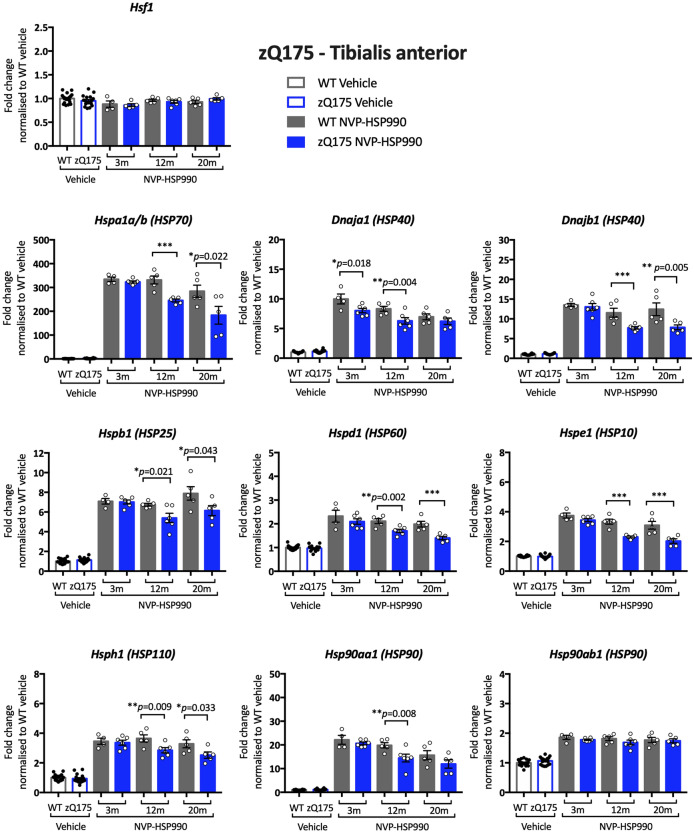
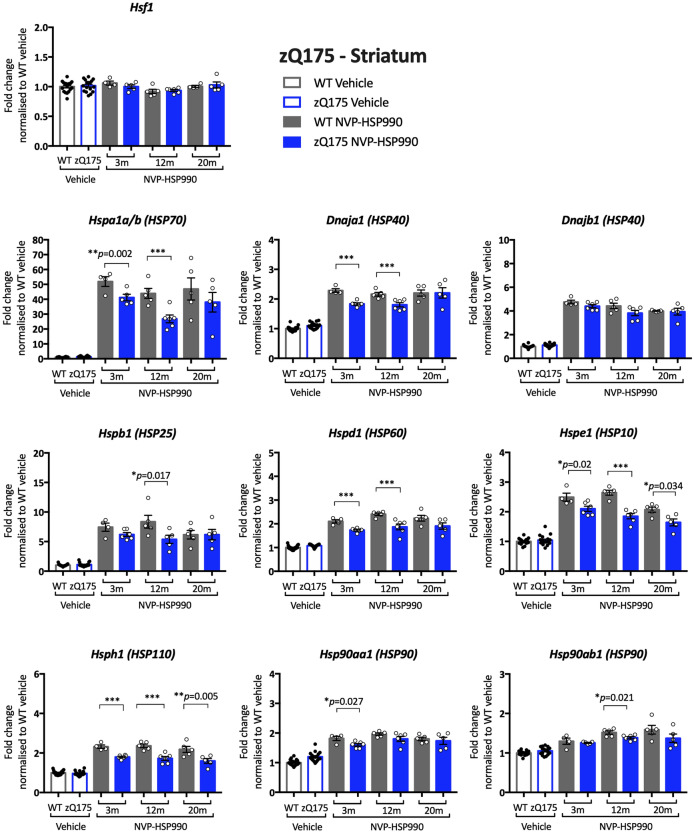
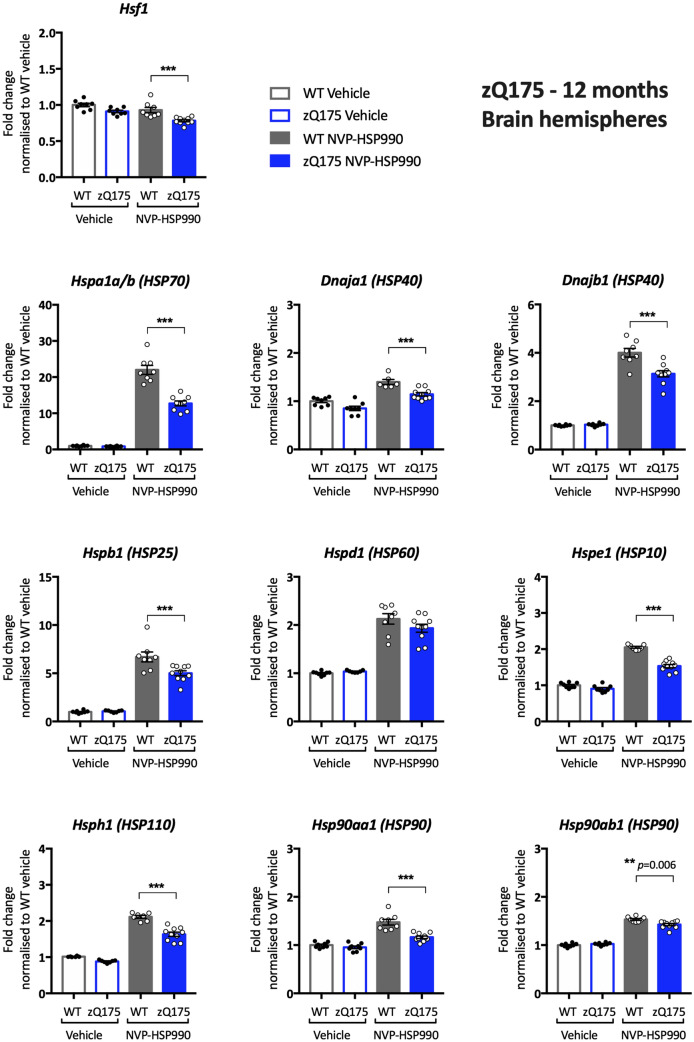
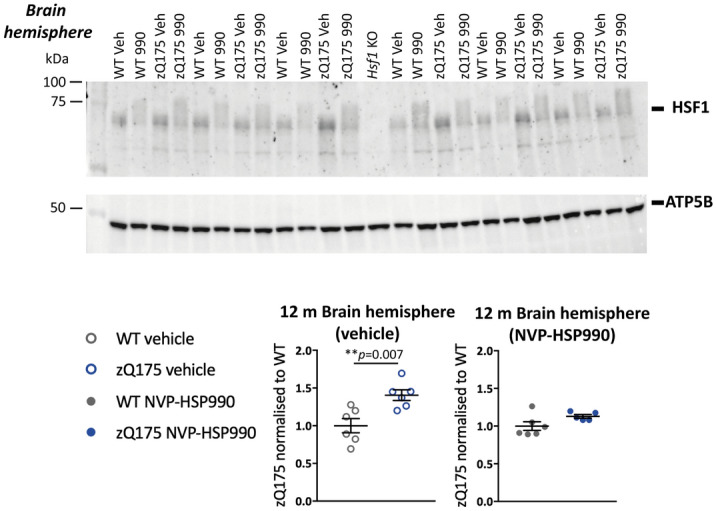
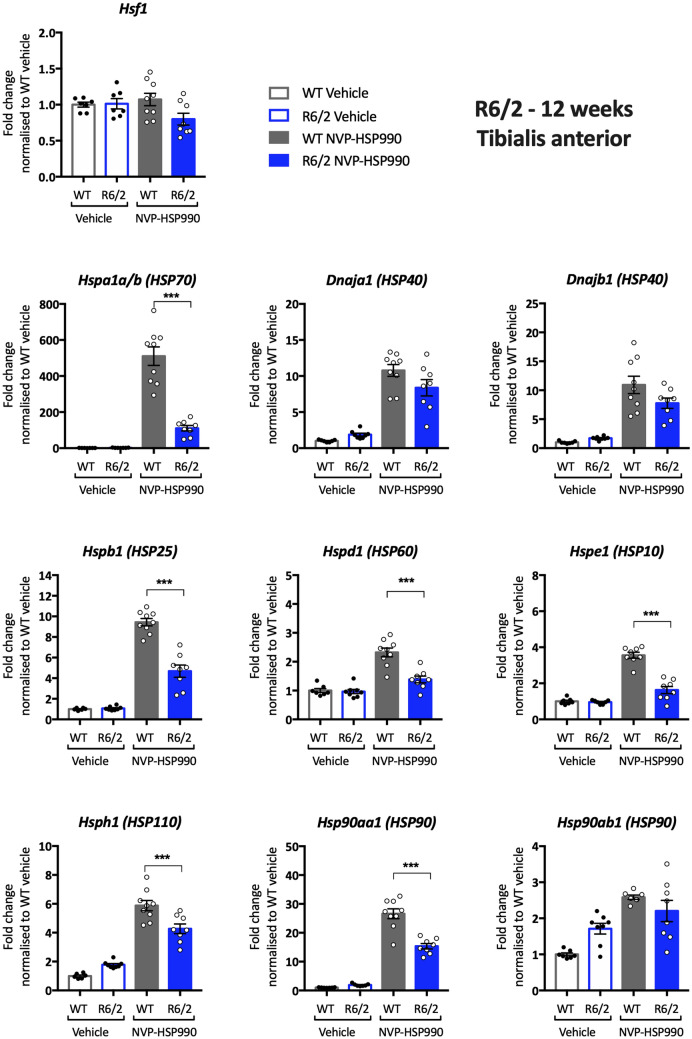
Huntington's disease (HD) is a devastating neurodegenerative disorder, caused by a CAG/polyglutamine repeat expansion, that results in the aggregation of the huntingtin protein, culminating in the deposition of inclusion bodies in HD patient brains. We have previously shown that the heat shock response becomes impaired with disease progression in mouse models of HD. The disruption of this inducible arm of the proteostasis network is likely to exacerbate the pathogenesis of this protein-folding disease. To allow a rapid and more comprehensive analysis of the heat shock response, we have developed, and validated, a 16-plex QuantiGene assay that allows the expression of Hsf1 and nine heat shock genes, to be measured directly, and simultaneously, from mouse tissue. We used this QuantiGene assay to show that, following pharmacological activation in vivo, the heat shock response impairment in tibialis anterior, brain hemispheres and striatum was comparable between zQ175 and R6/2 mice. In contrast, although a heat shock impairment could be detected in R6/2 cortex, this was not apparent in the cortex from zQ175 mice. Whilst the mechanism underlying this impairment remains unknown, our data indicated that it is not caused by a reduction in HSF1 levels, as had been reported.
亨廷顿病(HD)是一种破坏性的神经退行性疾病,由 CAG/polyglutamine 重复扩展引起,导致亨廷顿蛋白聚集,最终导致 HD 患者大脑中的包涵体沉积。我们之前已经表明,在 HD 小鼠模型中,热休克反应随着疾病的进展而受损。蛋白质折叠疾病的发病机制可能会因这种诱导型蛋白稳态网络的破坏而加剧。为了能够快速且更全面地分析热休克反应,我们开发并验证了一种 16 重 QuantiGene 检测方法,该方法可直接测量和同时测量来自小鼠组织的 Hsf1 和 9 个热休克基因的表达。我们使用这种 QuantiGene 检测方法表明,在体内进行药物激活后,在比格犬前肌、大脑半球和纹状体中,热休克反应的损伤在 zQ175 和 R6/2 小鼠之间是相当的。相比之下,尽管在 R6/2 皮层中可以检测到热休克损伤,但在 zQ175 小鼠的皮层中却没有明显的损伤。虽然这种损伤的机制尚不清楚,但我们的数据表明,它不是像之前报道的那样由 HSF1 水平降低引起的。