Department of Immunology, Weizmann Institute of Science, Rehovot, Israel.
Department of Computer Science and Applied Mathematics, Weizmann Institute of Science, Rehovot, Israel.
Nat Commun. 2021 Apr 28;12(1):2455. doi: 10.1038/s41467-021-22803-y.
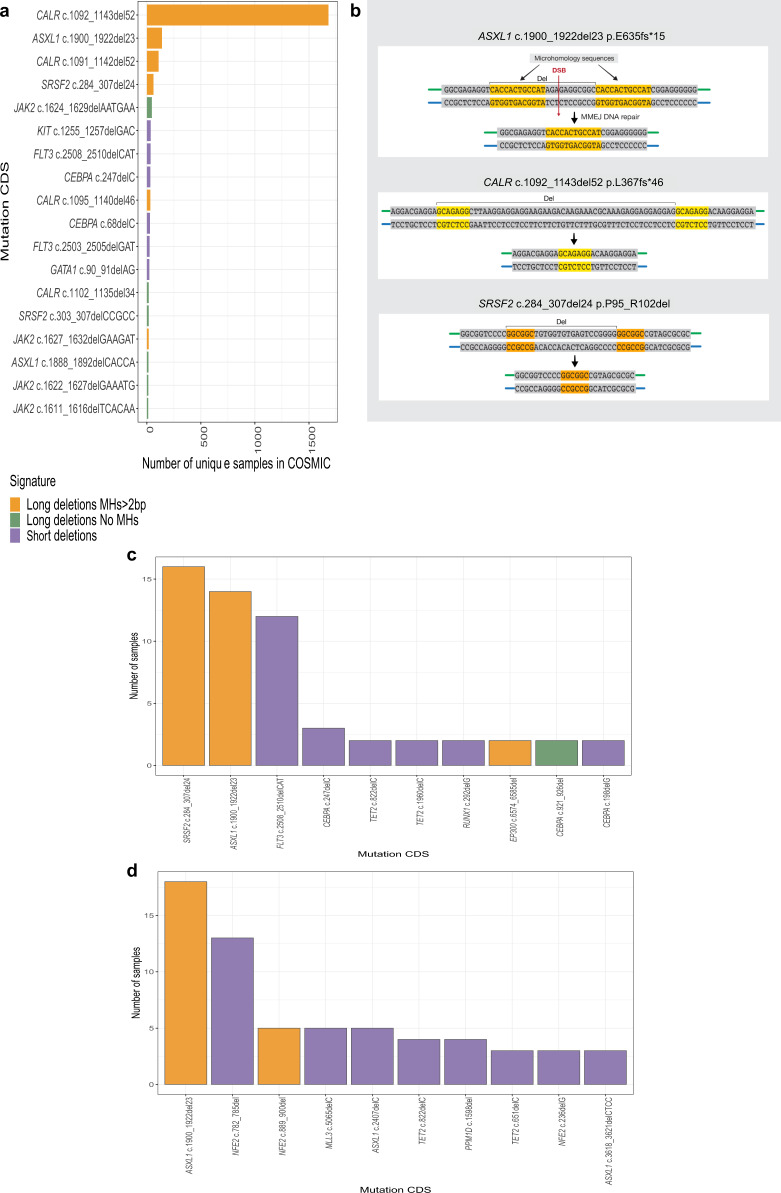
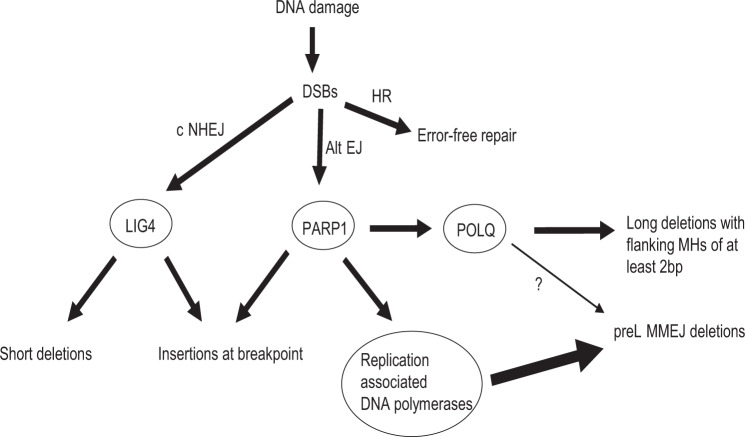
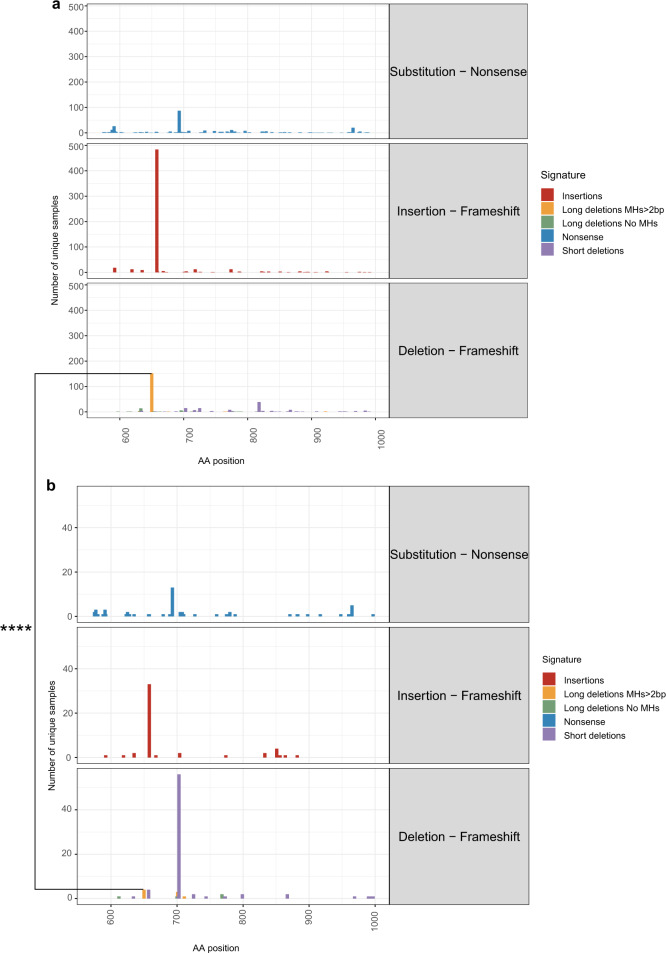
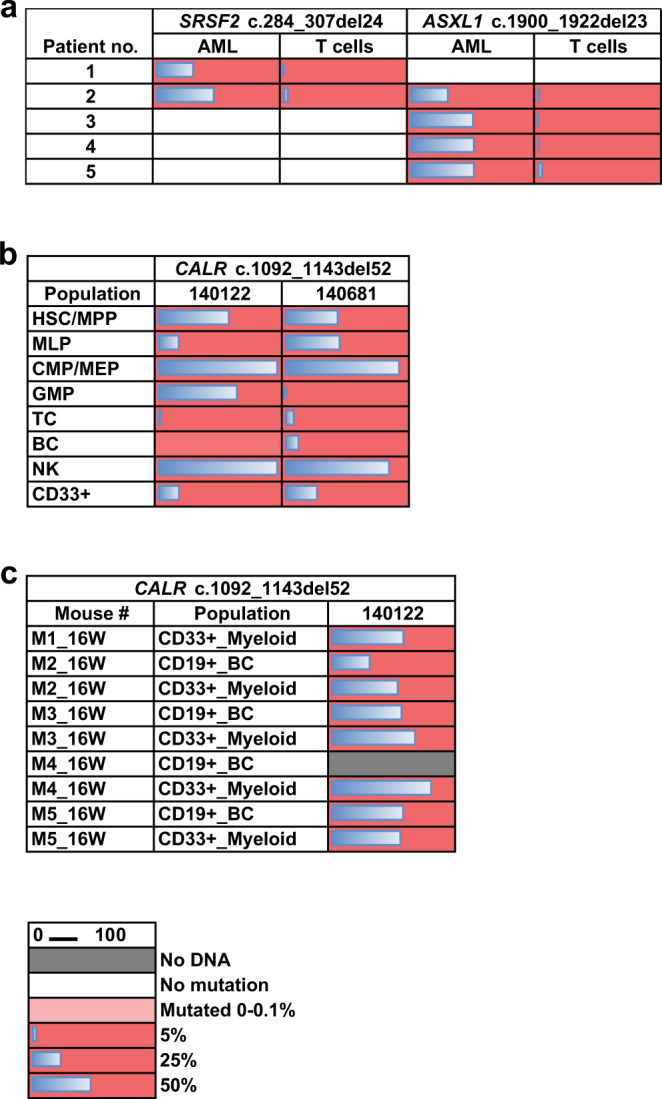
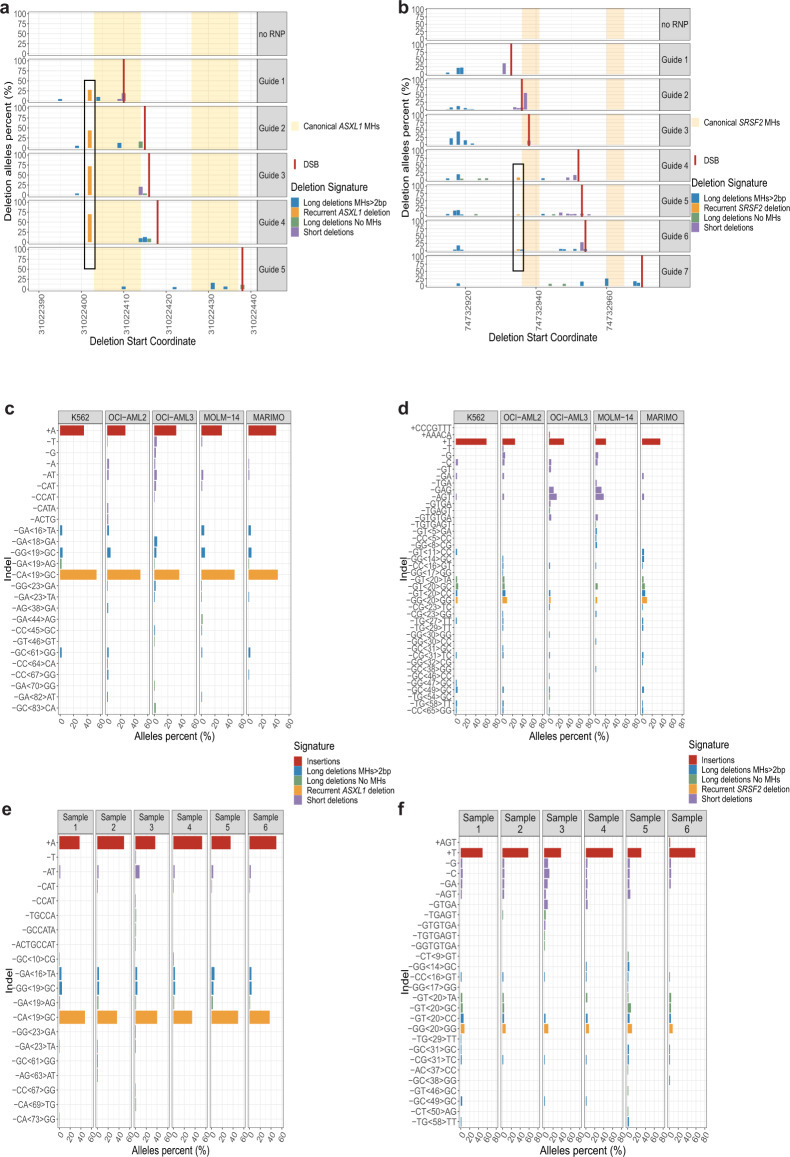
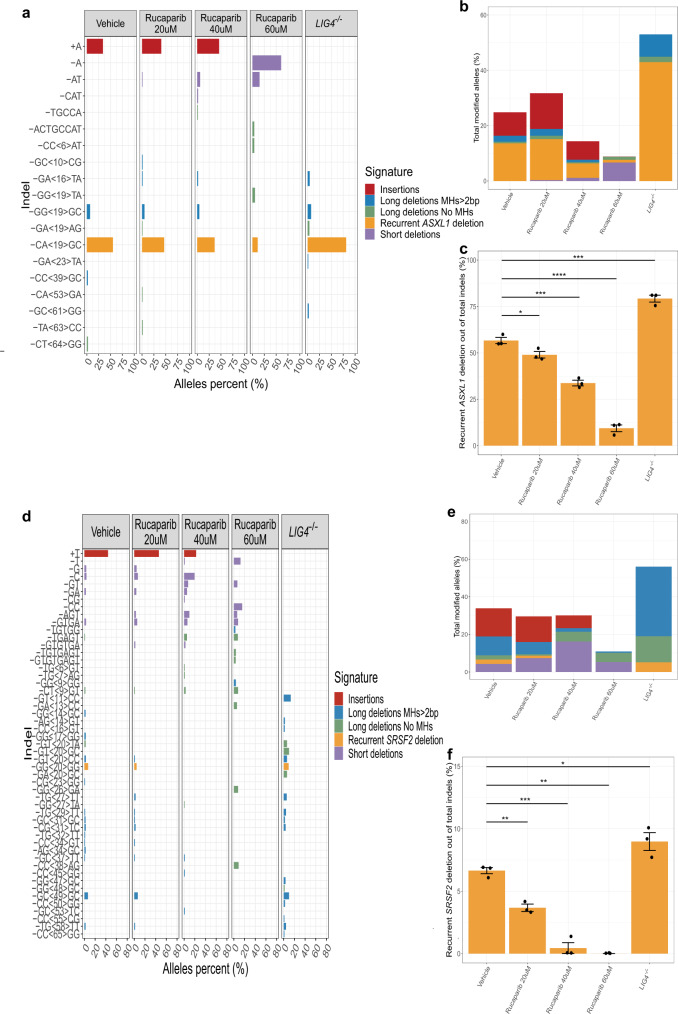
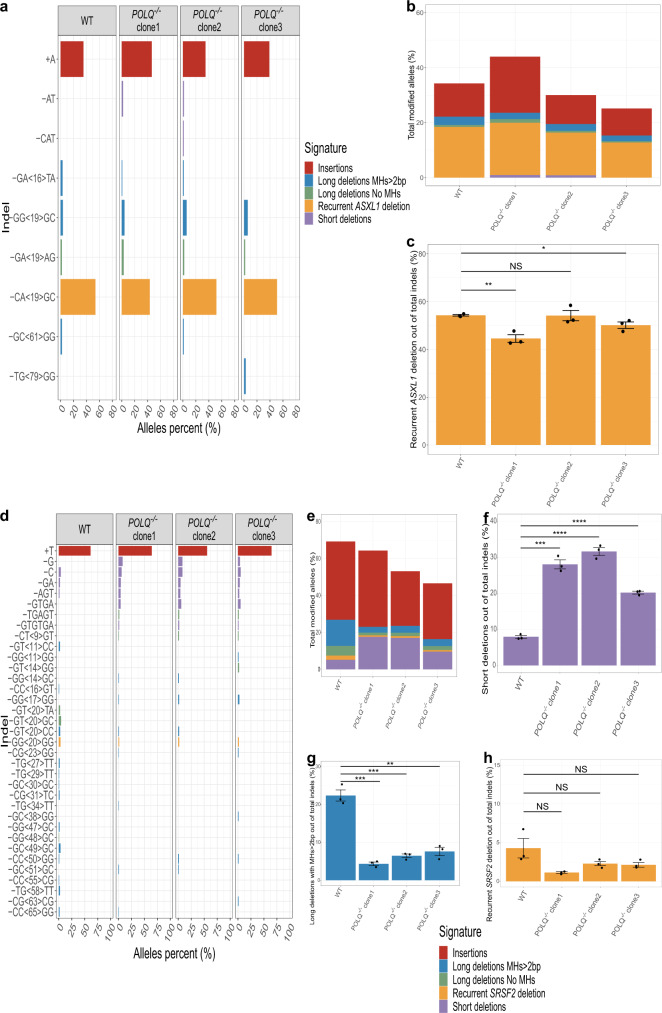
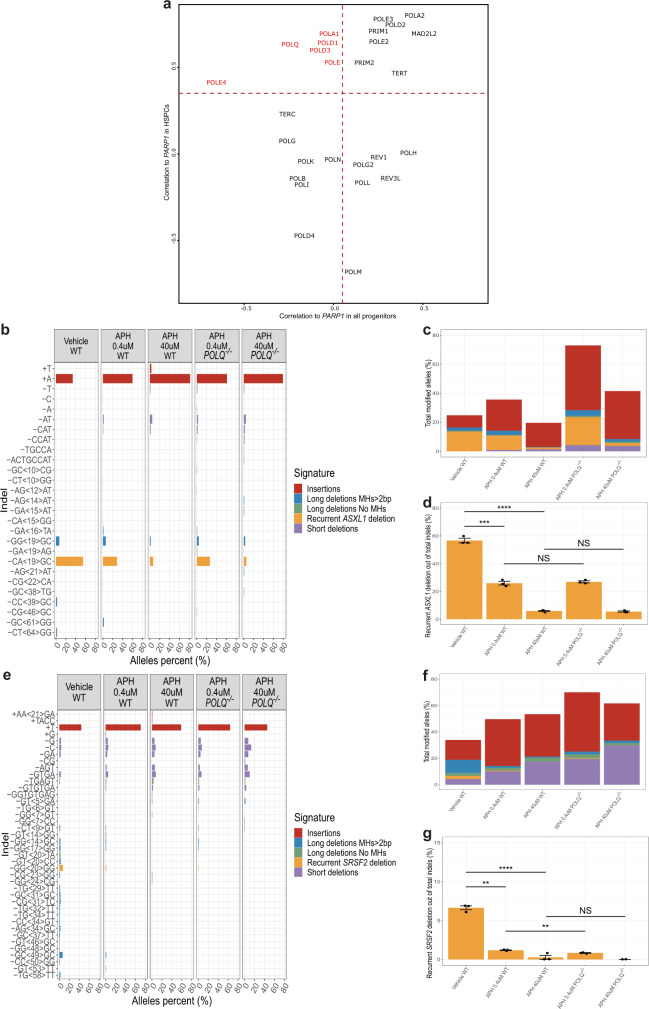
The mutational mechanisms underlying recurrent deletions in clonal hematopoiesis are not entirely clear. In the current study we inspect the genomic regions around recurrent deletions in myeloid malignancies, and identify microhomology-based signatures in CALR, ASXL1 and SRSF2 loci. We demonstrate that these deletions are the result of double stand break repair by a PARP1 dependent microhomology-mediated end joining (MMEJ) pathway. Importantly, we provide evidence that these recurrent deletions originate in pre-leukemic stem cells. While DNA polymerase theta (POLQ) is considered a key component in MMEJ repair, we provide evidence that pre-leukemic MMEJ (preL-MMEJ) deletions can be generated in POLQ knockout cells. In contrast, aphidicolin (an inhibitor of replicative polymerases and replication) treatment resulted in a significant reduction in preL-MMEJ. Altogether, our data indicate an association between POLQ independent MMEJ and clonal hematopoiesis and elucidate mutational mechanisms involved in the very first steps of leukemia evolution.
克隆性造血中反复缺失的突变机制尚不完全清楚。在本研究中,我们检查了髓系恶性肿瘤中反复缺失的基因组区域,并在 CALR、ASXL1 和 SRSF2 基因座中鉴定出基于微同源性的特征。我们证明这些缺失是 PARP1 依赖性微同源介导末端连接(MMEJ)途径双链断裂修复的结果。重要的是,我们提供的证据表明这些反复缺失起源于白血病前干细胞。虽然 DNA 聚合酶θ(POLQ)被认为是 MMEJ 修复的关键组成部分,但我们提供的证据表明,白血病前 MMEJ(preL-MMEJ)缺失可以在 POLQ 敲除细胞中产生。相比之下,阿非迪可林(一种复制聚合酶和复制抑制剂)处理导致 preL-MMEJ 显著减少。总之,我们的数据表明 POLQ 独立的 MMEJ 与克隆性造血之间存在关联,并阐明了白血病进化最初步骤中涉及的突变机制。