Department of Chemistry, University of Bath, Claverton Down, Bath BA2 7AY, UK.
Bio-Techne (Tocris), The Watkins Building, Atlantic Road, Avonmouth, Bristol BS11 9QD, UK.
Molecules. 2021 Apr 7;26(8):2130. doi: 10.3390/molecules26082130.
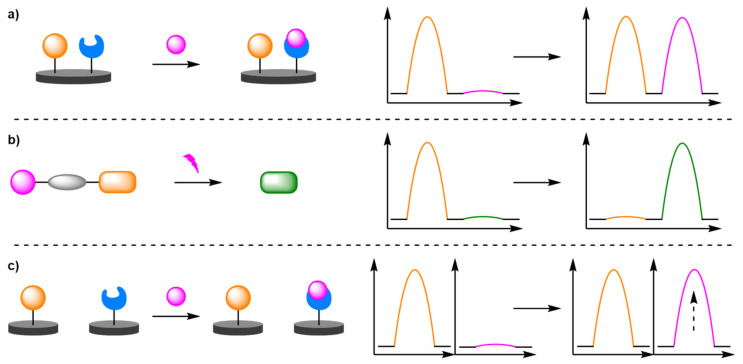
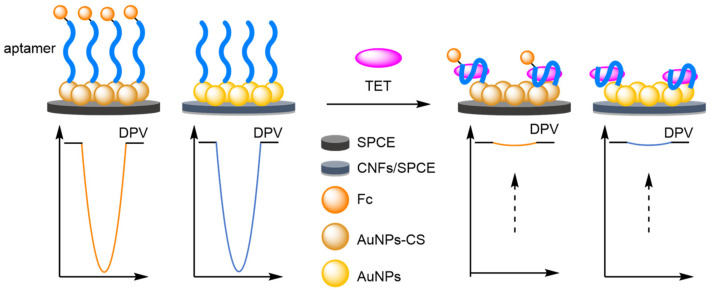
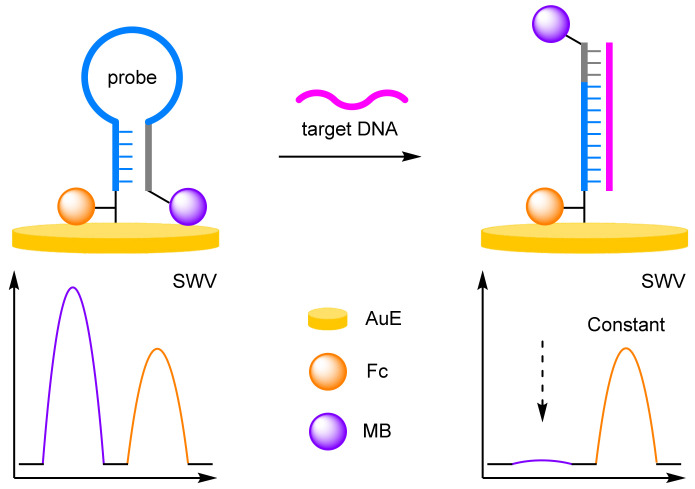
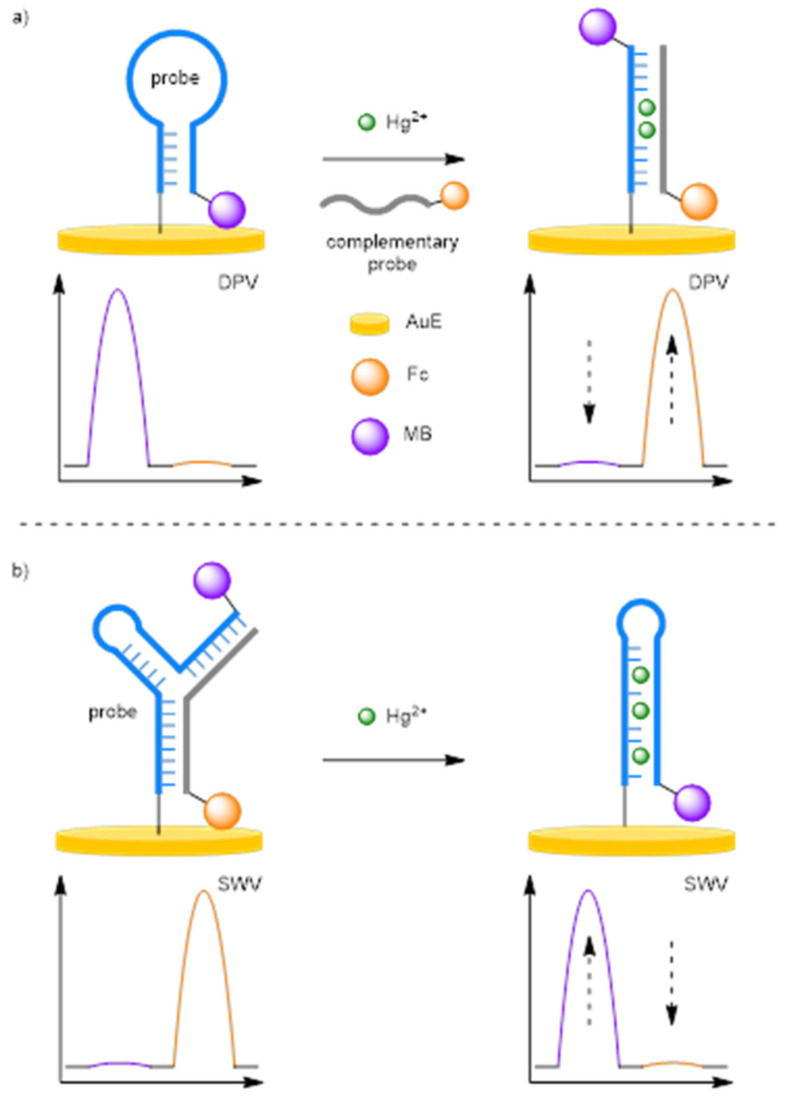
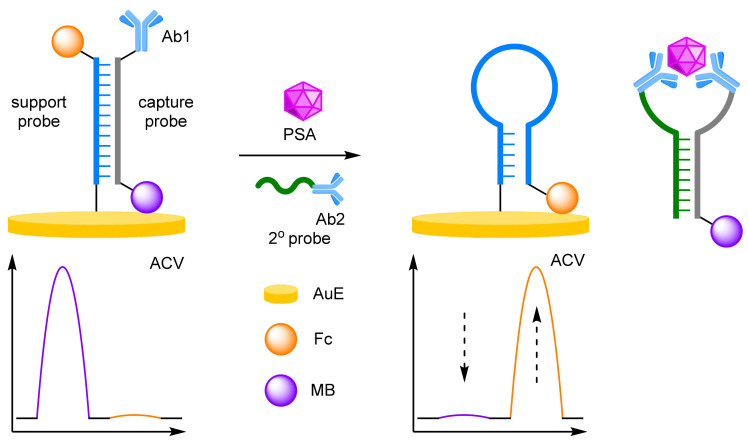
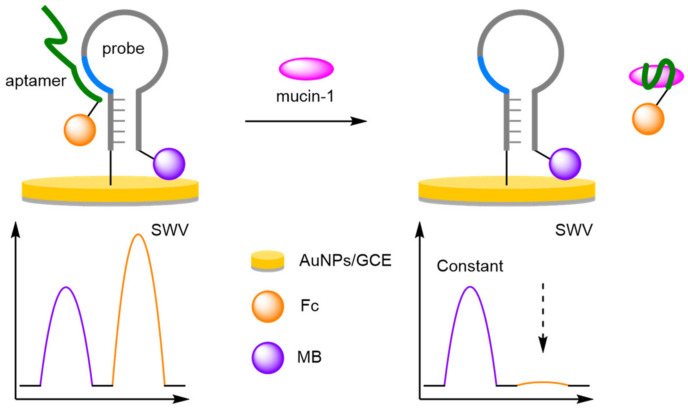
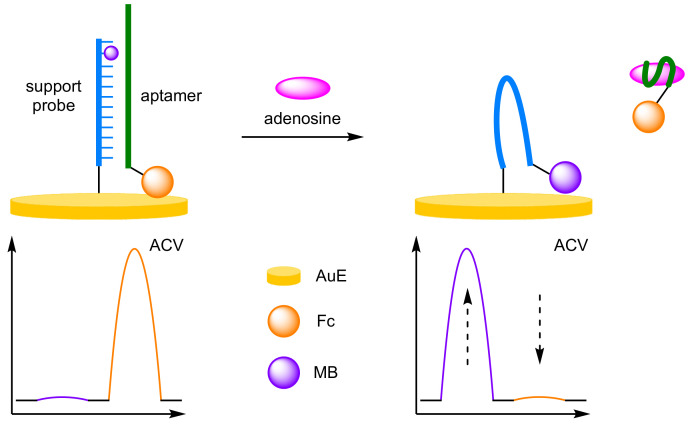
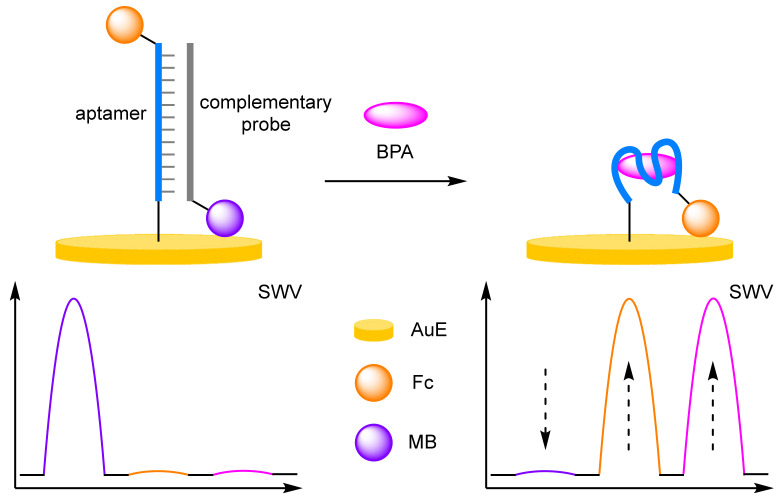
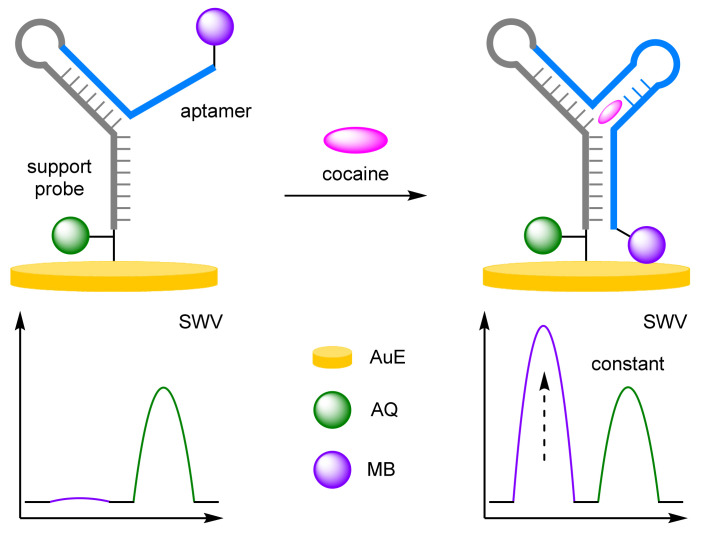
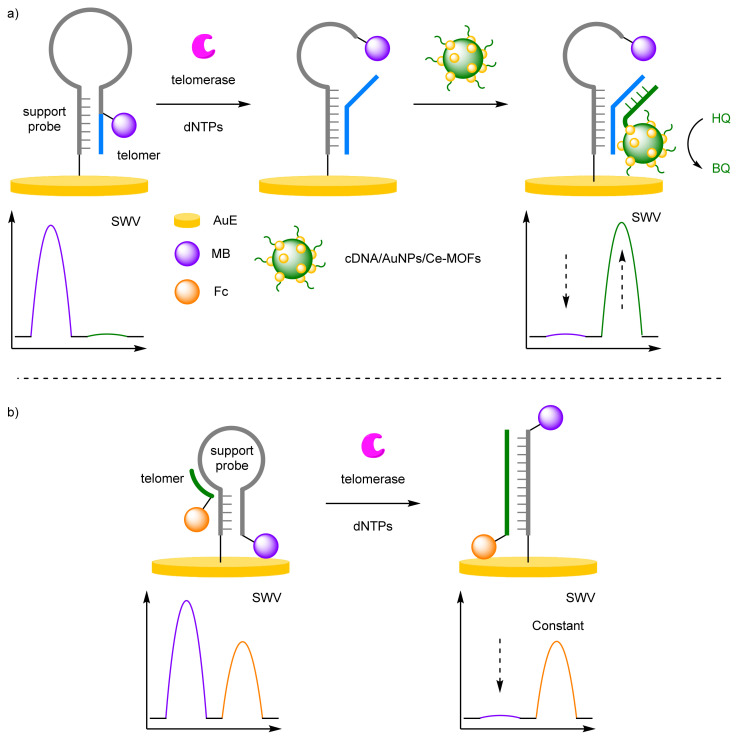
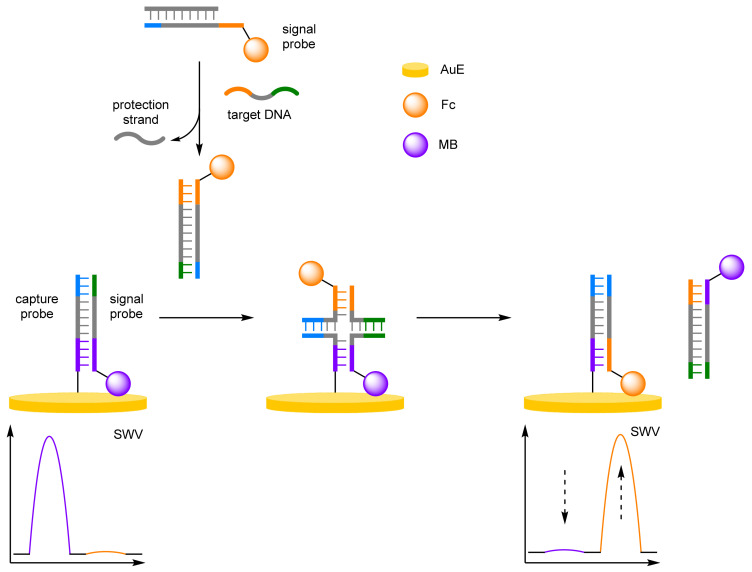
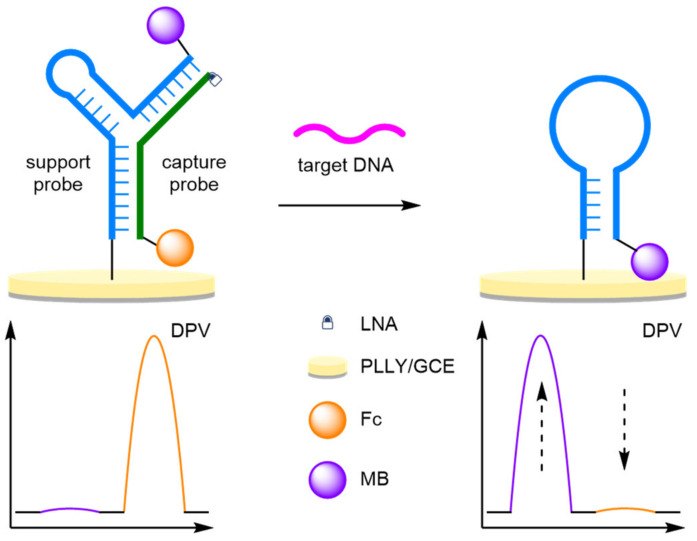
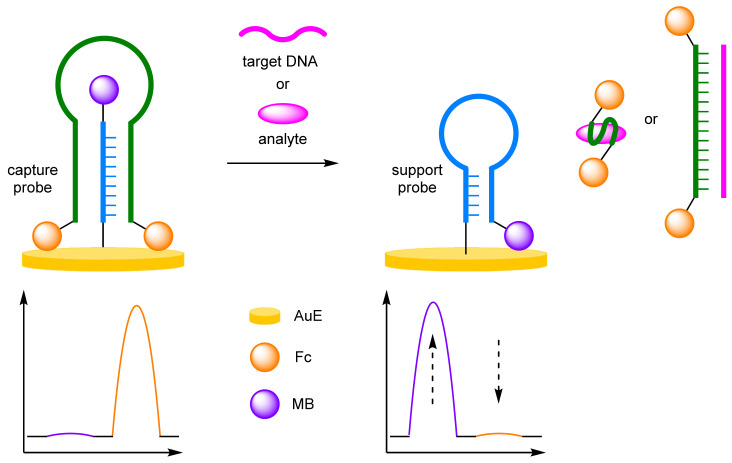
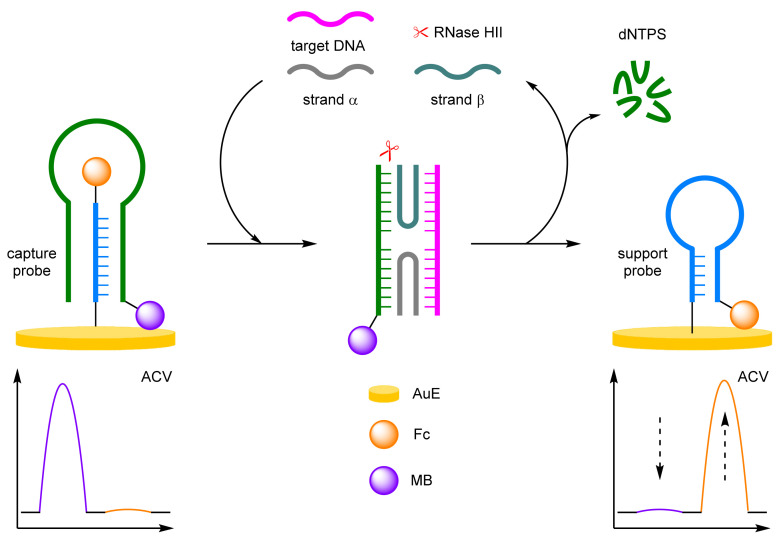
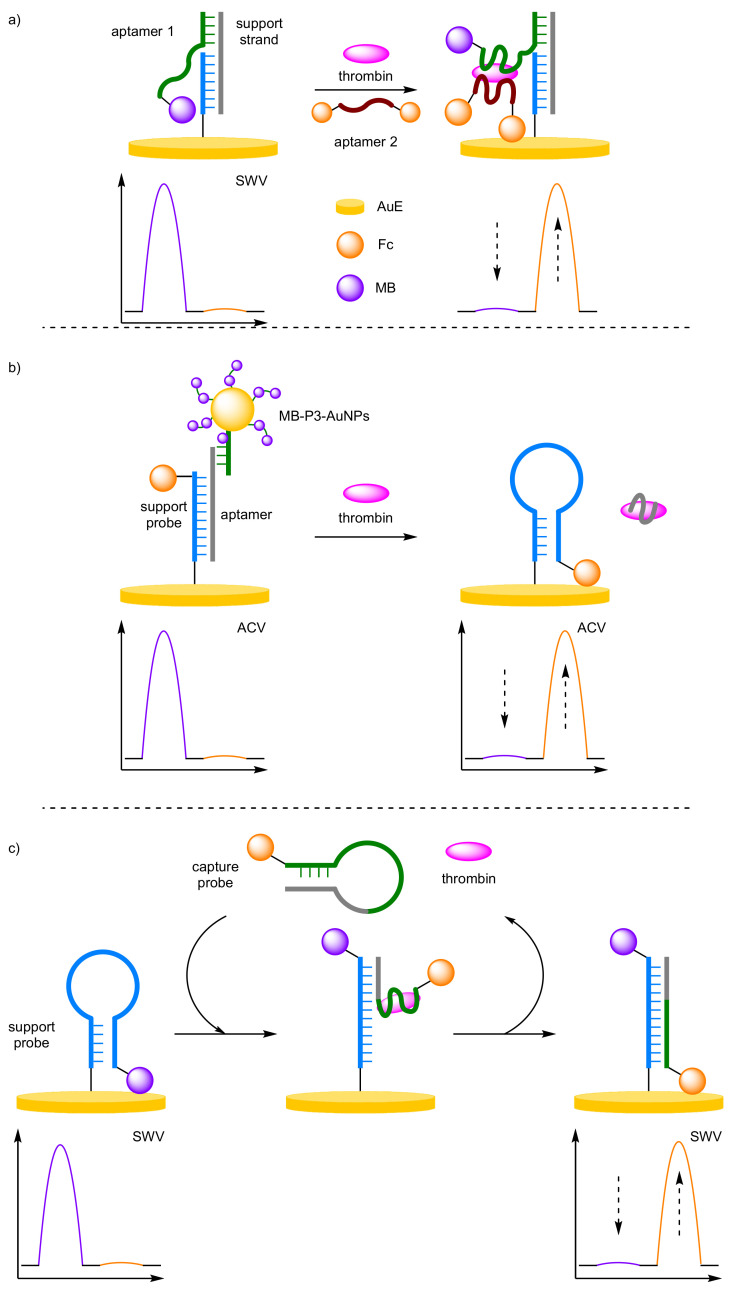
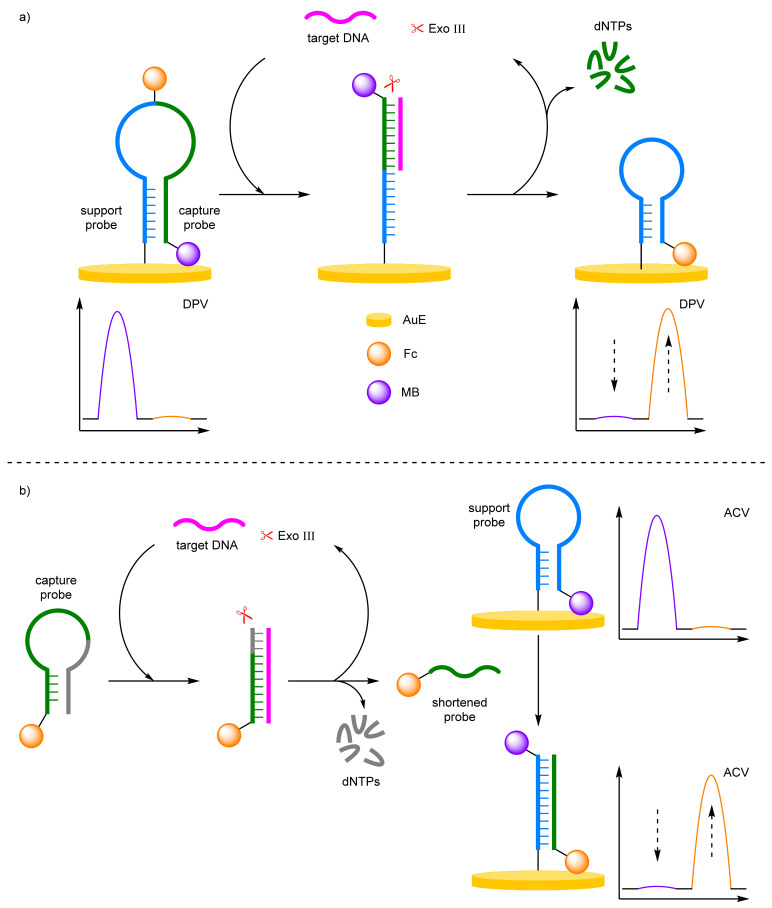
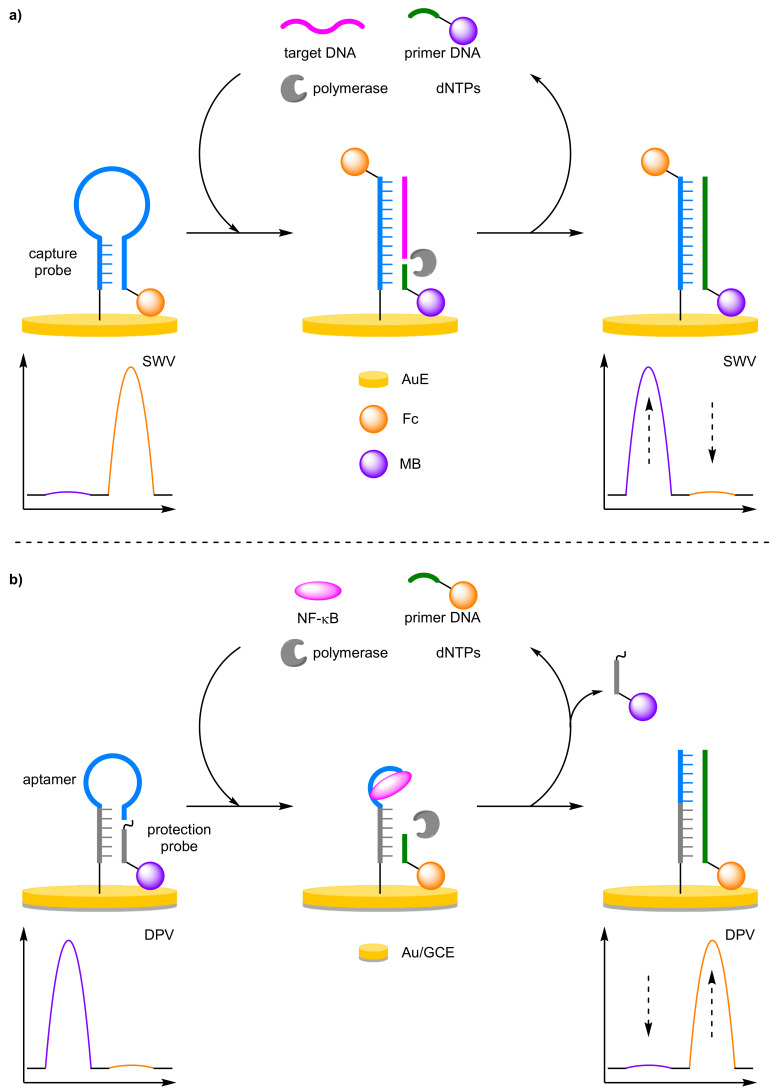
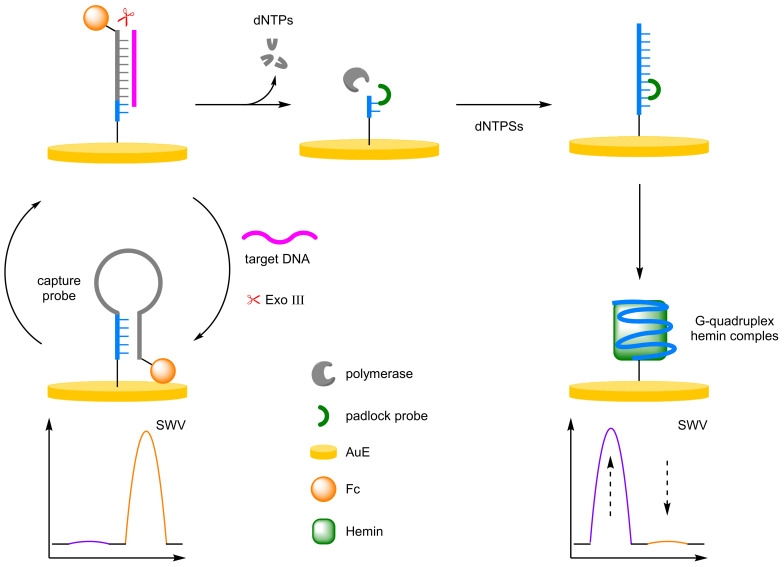
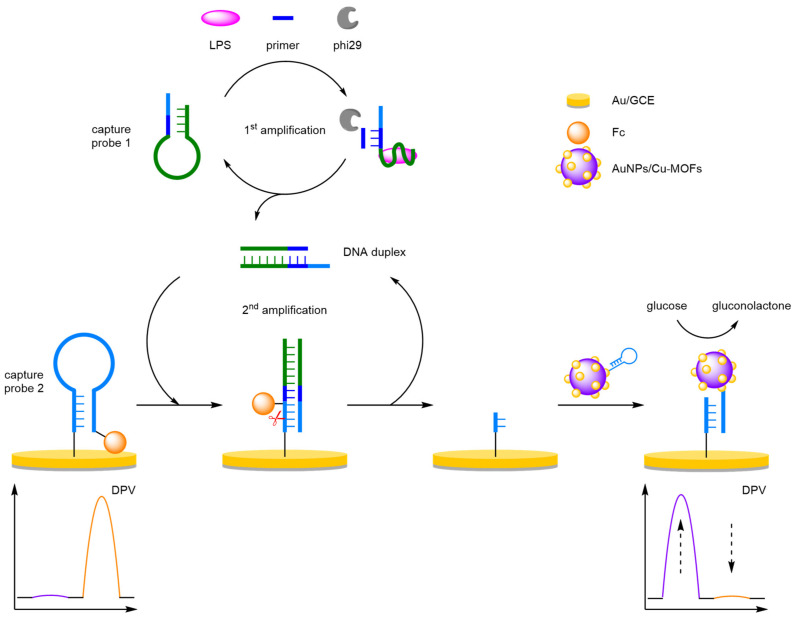
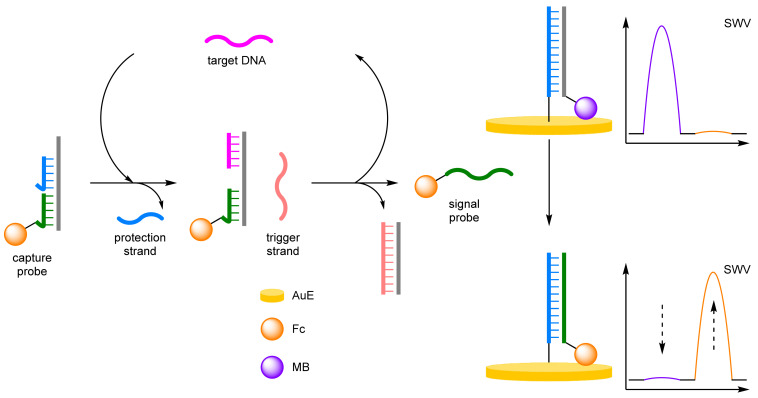
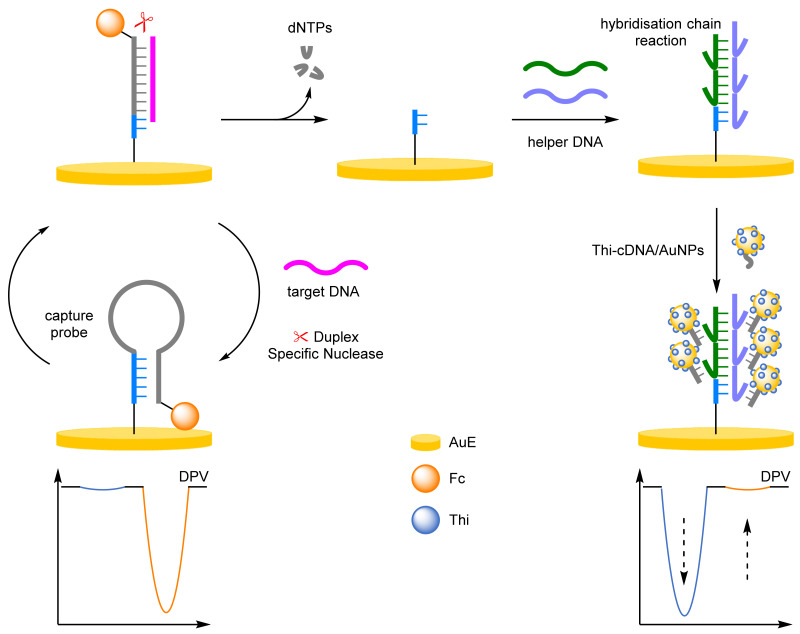
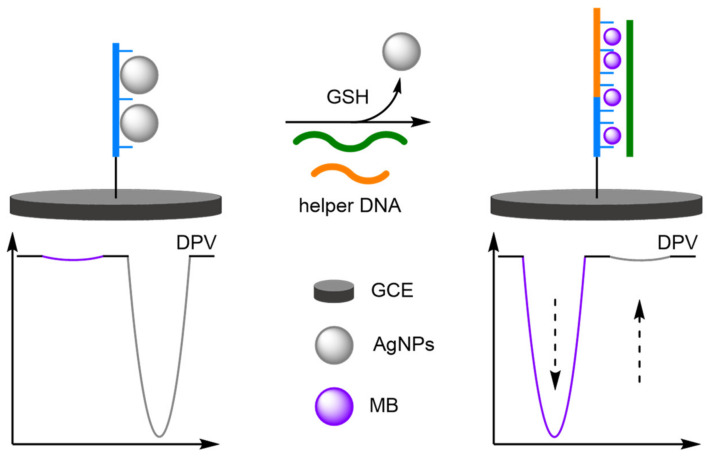
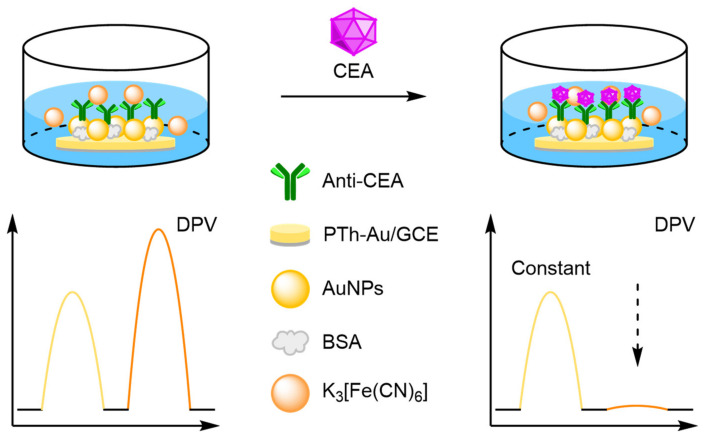
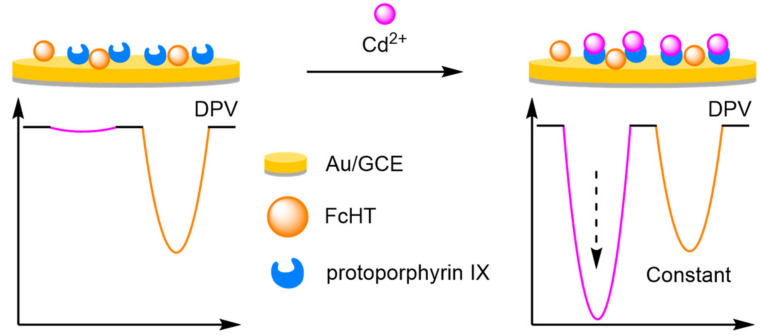
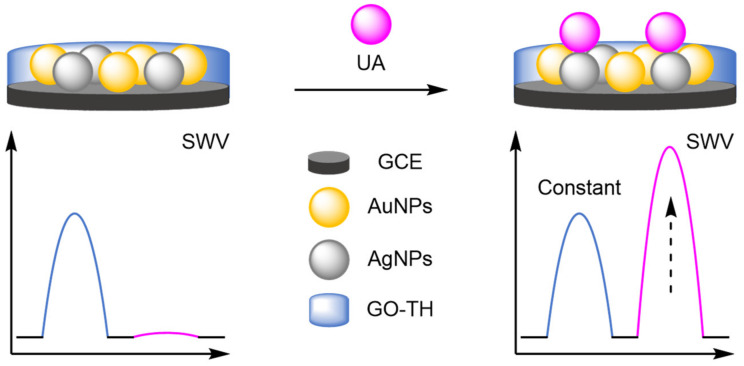
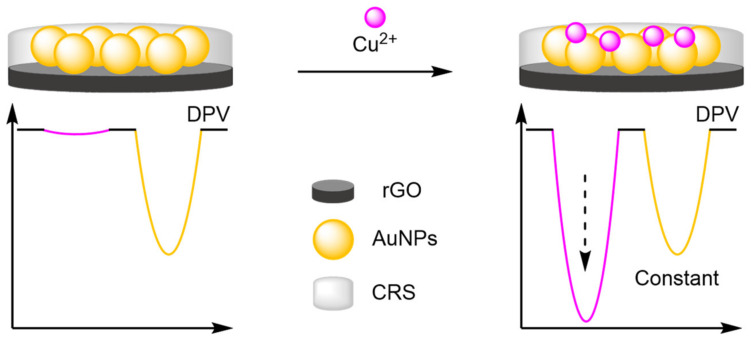
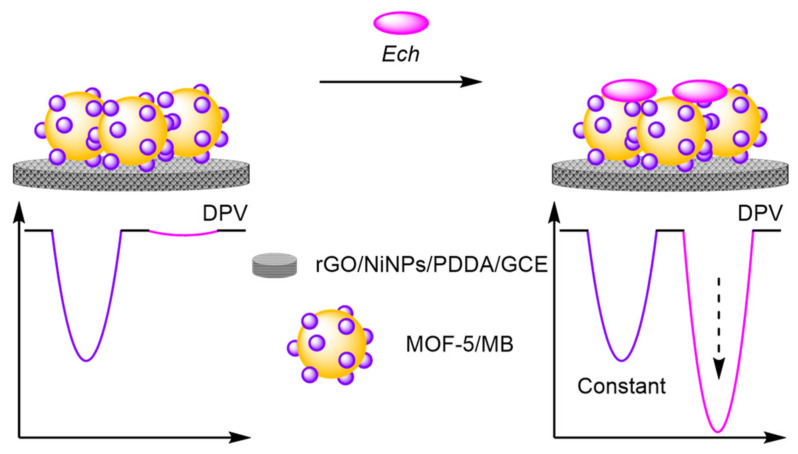
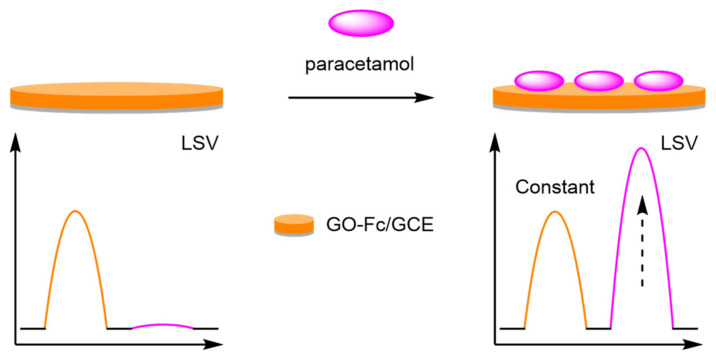
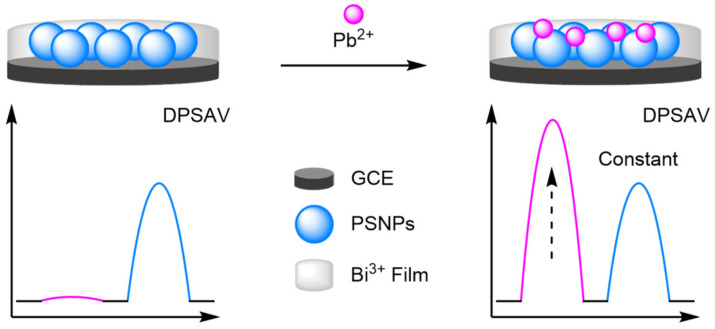
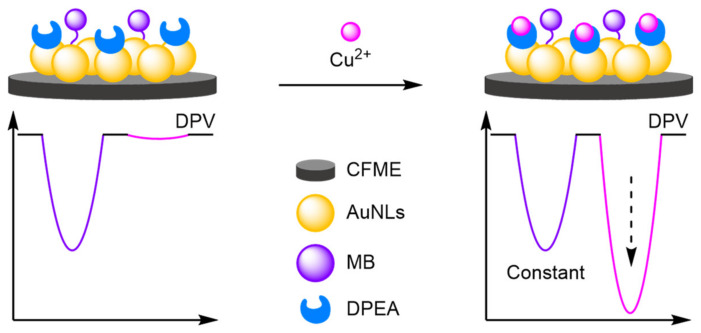
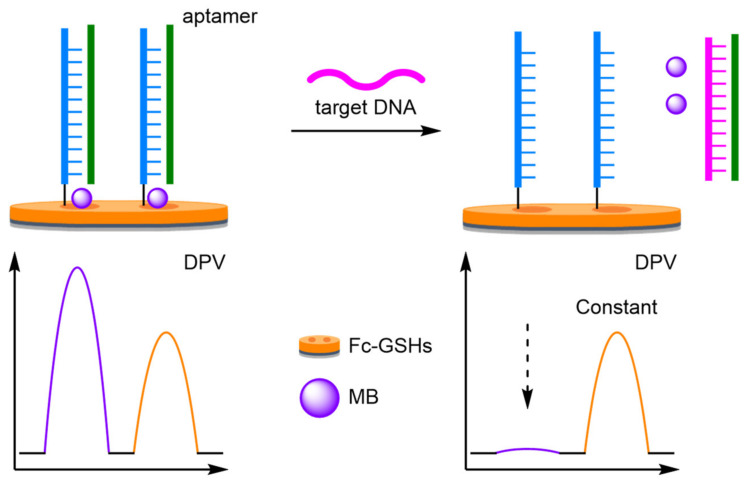
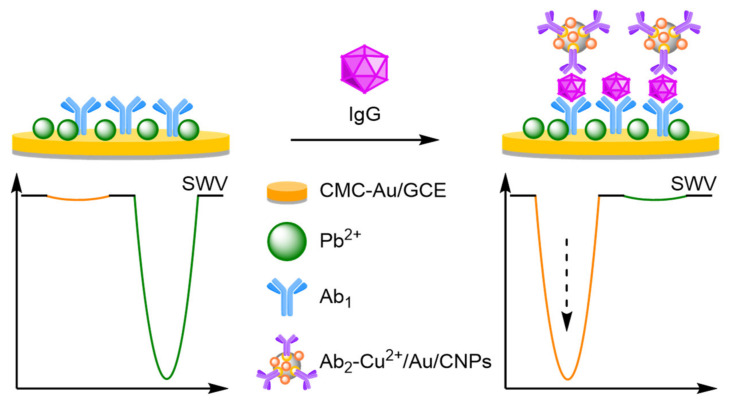
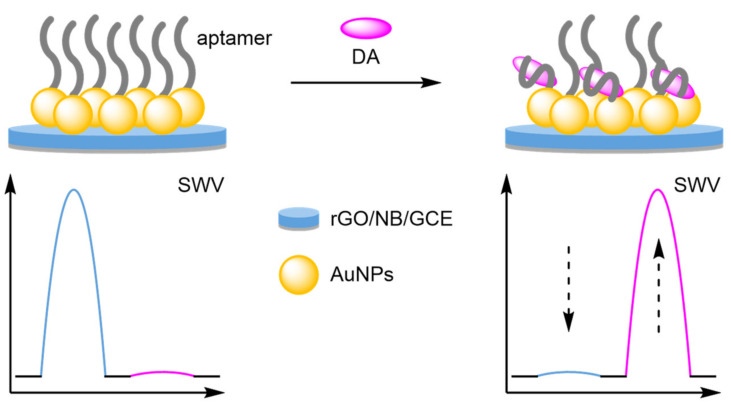
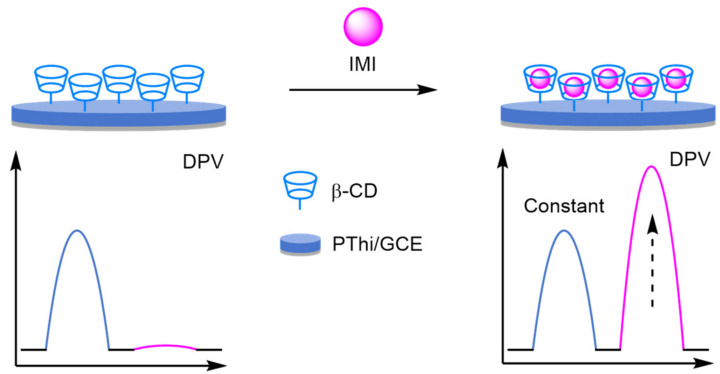
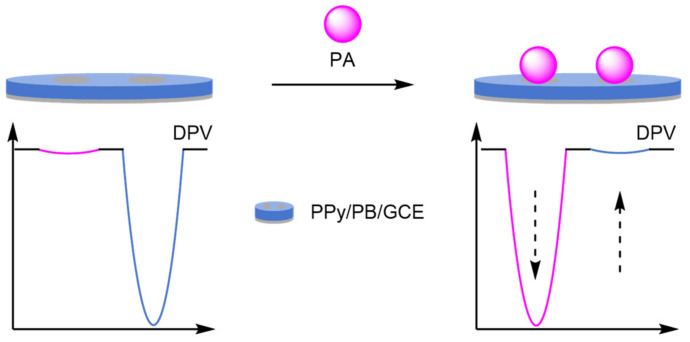
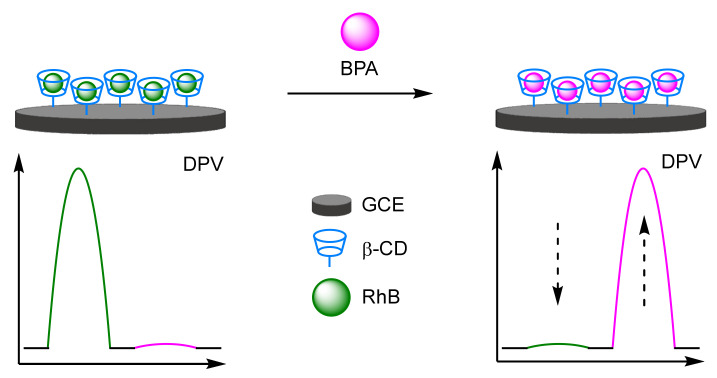
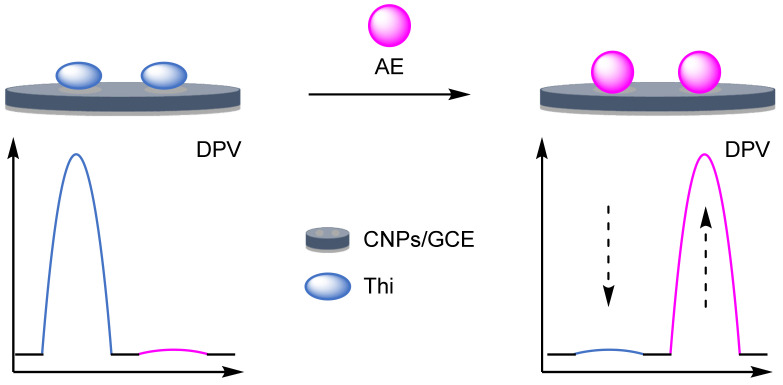
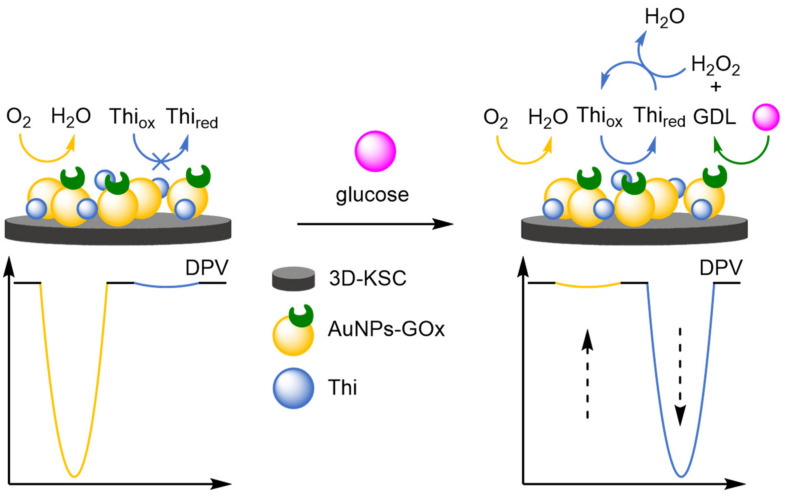
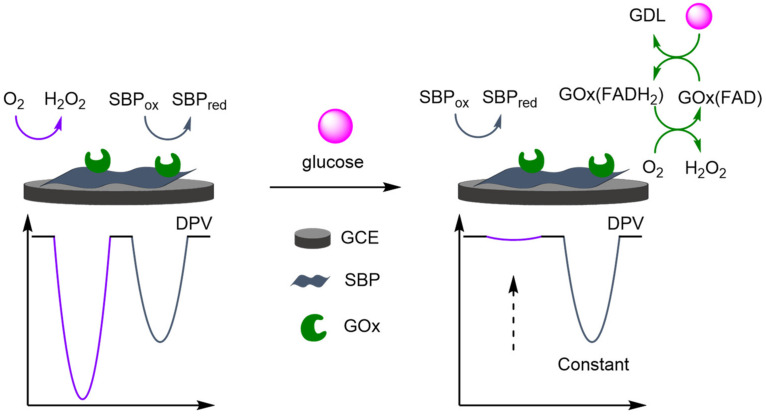
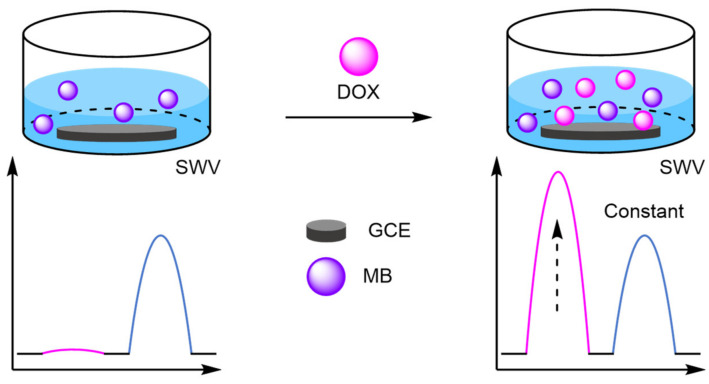
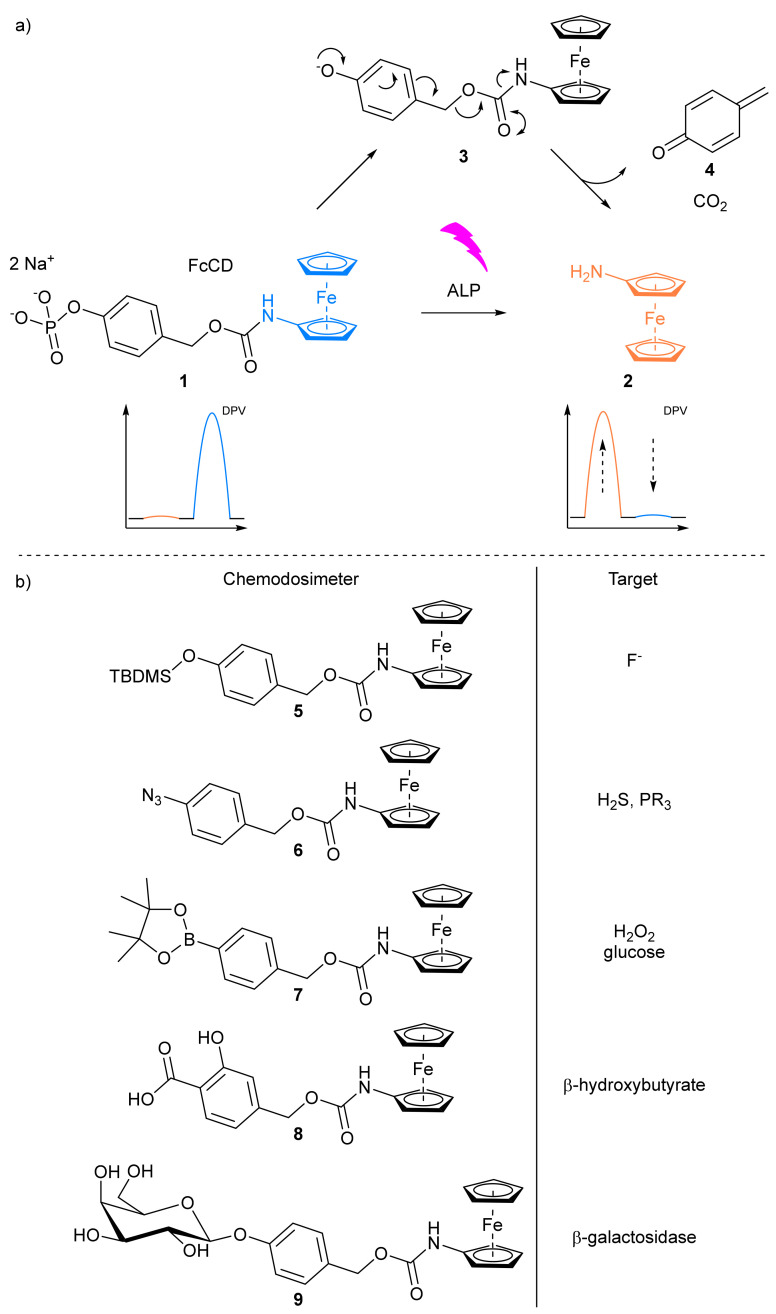
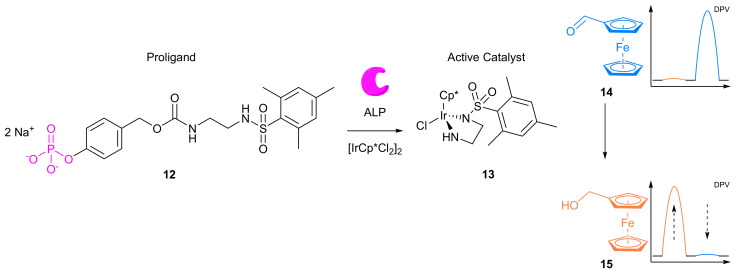
Electrochemical biosensors are an increasingly attractive option for the development of a novel analyte detection method, especially when integration within a point-of-use device is the overall objective. In this context, accuracy and sensitivity are not compromised when working with opaque samples as the electrical readout signal can be directly read by a device without the need for any signal transduction. However, electrochemical detection can be susceptible to substantial signal drift and increased signal error. This is most apparent when analysing complex mixtures and when using small, single-use, screen-printed electrodes. Over recent years, analytical scientists have taken inspiration from self-referencing ratiometric fluorescence methods to counteract these problems and have begun to develop ratiometric electrochemical protocols to improve sensor accuracy and reliability. This review will provide coverage of key developments in ratiometric electrochemical (bio)sensors, highlighting innovative assay design, and the experiments performed that challenge assay robustness and reliability.
电化学生物传感器是开发新型分析物检测方法的一个极具吸引力的选择,特别是当整体目标是在现场设备中进行集成时。在这种情况下,当处理不透明样品时,准确性和灵敏度不会受到影响,因为电读取信号可以直接由设备读取,而无需任何信号转换。然而,电化学检测可能容易受到大量信号漂移和增加的信号误差的影响。当分析复杂混合物和使用小型、一次性使用的丝网印刷电极时,这一点最为明显。近年来,分析科学家从自我参照比率荧光方法中获得灵感,以克服这些问题,并开始开发比率电化学协议,以提高传感器的准确性和可靠性。本综述将介绍比率电化学(生物)传感器的关键发展,重点介绍创新的分析设计以及为挑战分析稳健性和可靠性而进行的实验。