Chen Xuewen, Lian Tingting, Zhang Bo, Du Yuqing, Du Kexue, Xiang Nan, Jung Dong-Won, Wang Guangxin, Osaka Akiyoshi
School of Materials Science and Engineering, Henan University of Science and Technology, Luoyang 471023, China.
Faculty of Mechanical, Jeju National University, Jeju Island 63243, Korea.
Materials (Basel). 2021 Apr 14;14(8):1965. doi: 10.3390/ma14081965.
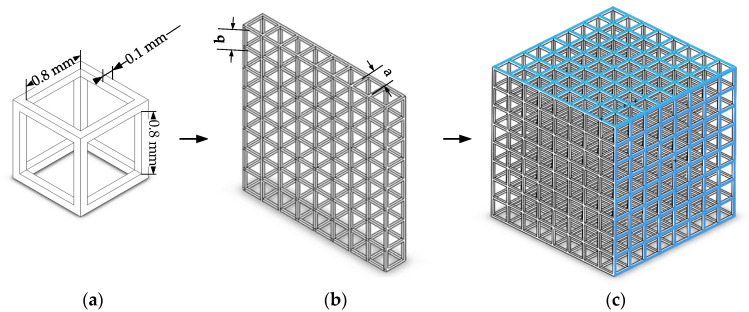
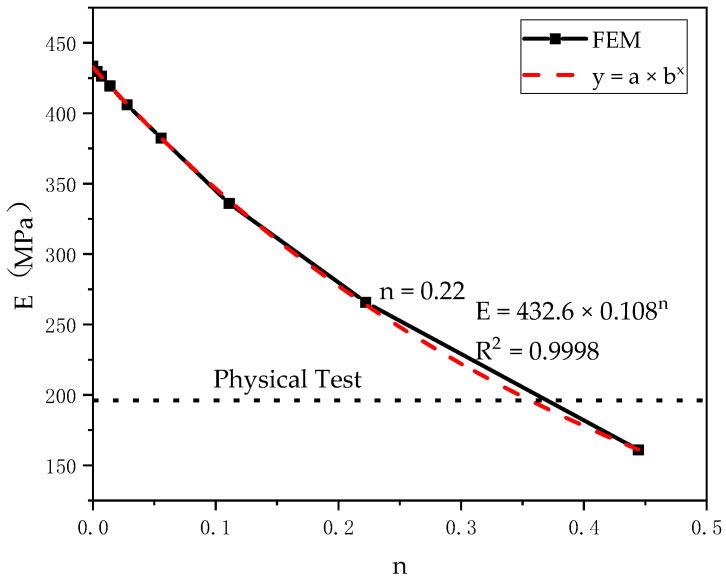
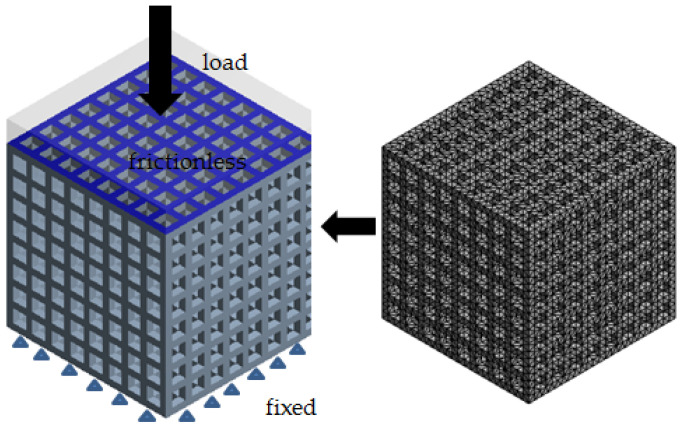
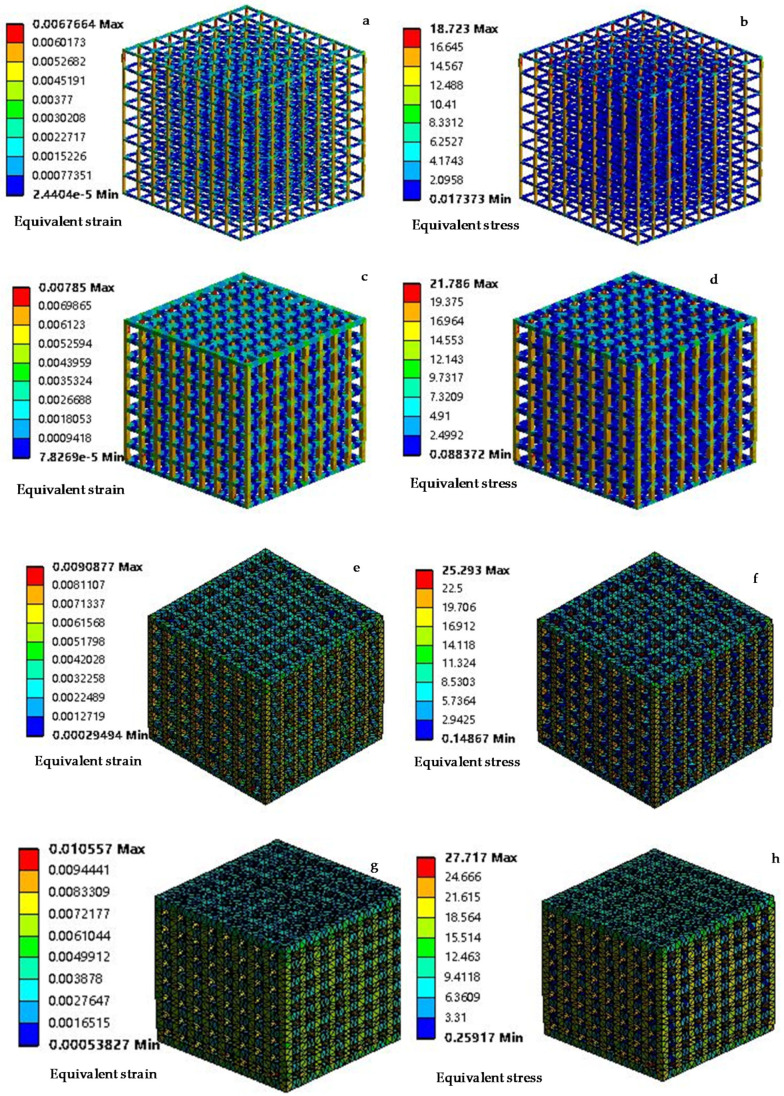
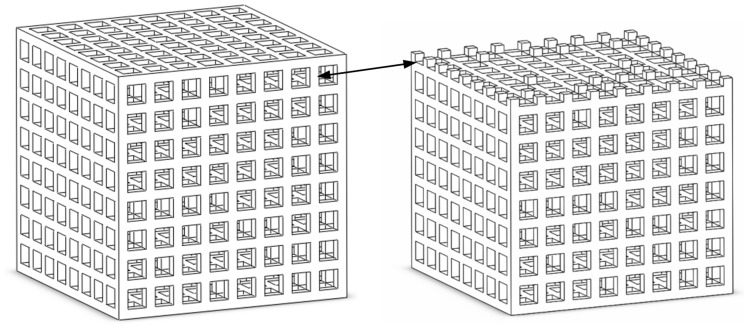
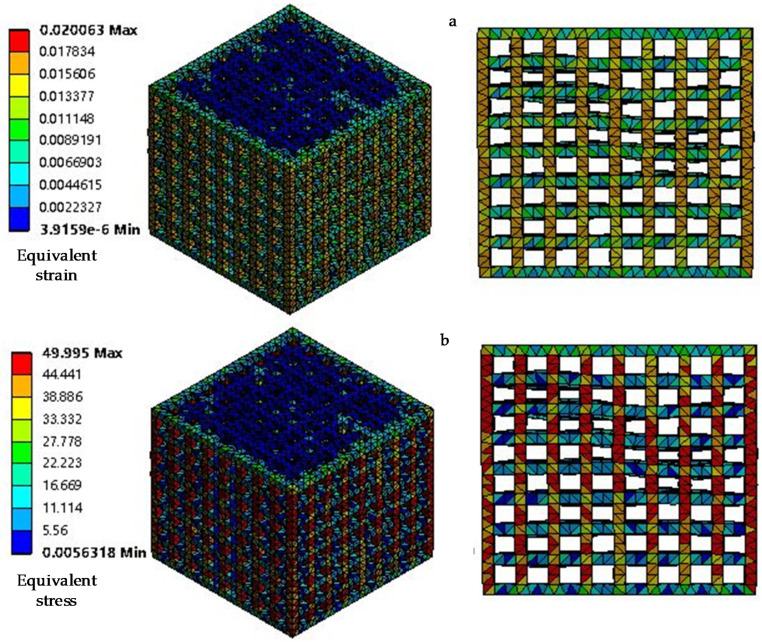
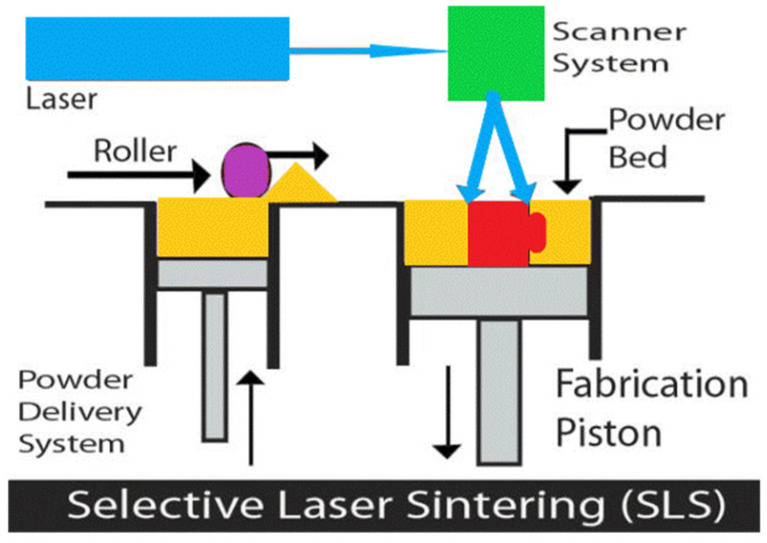
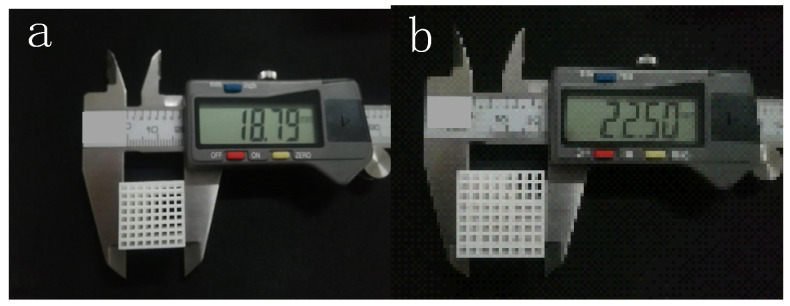
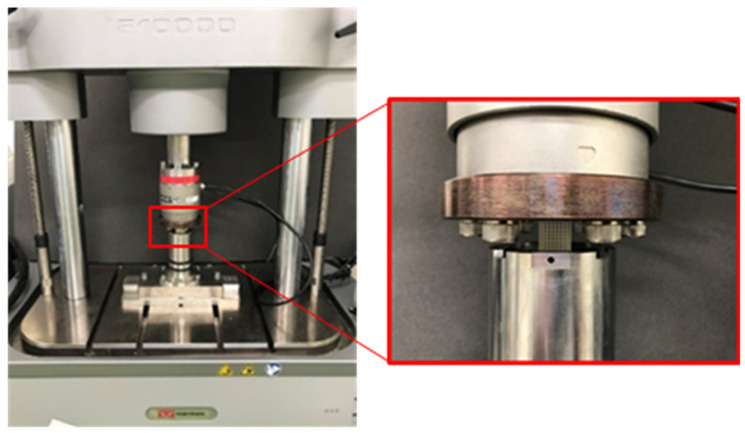
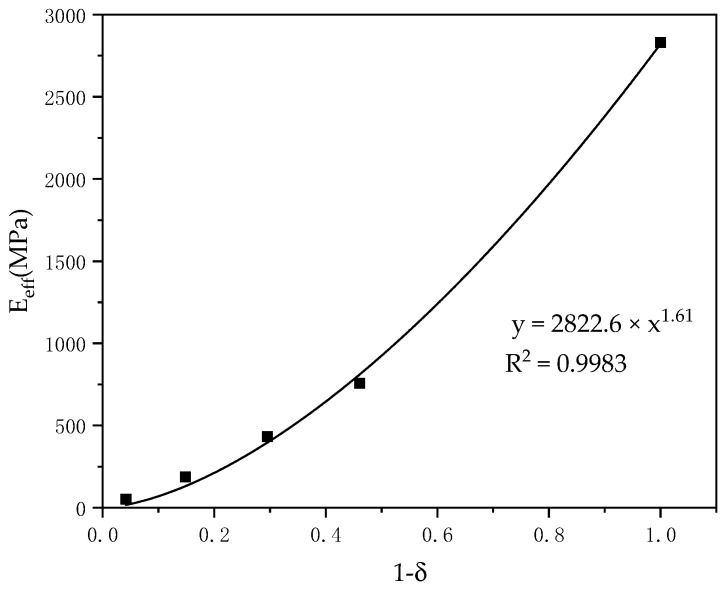
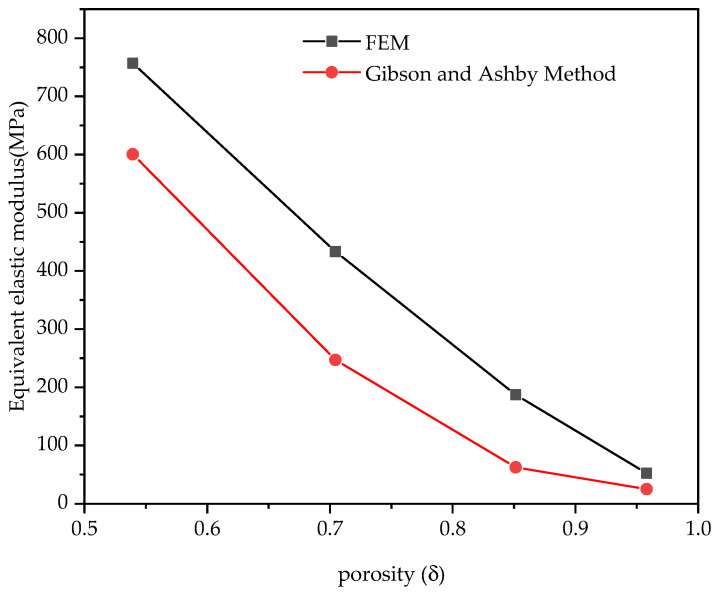
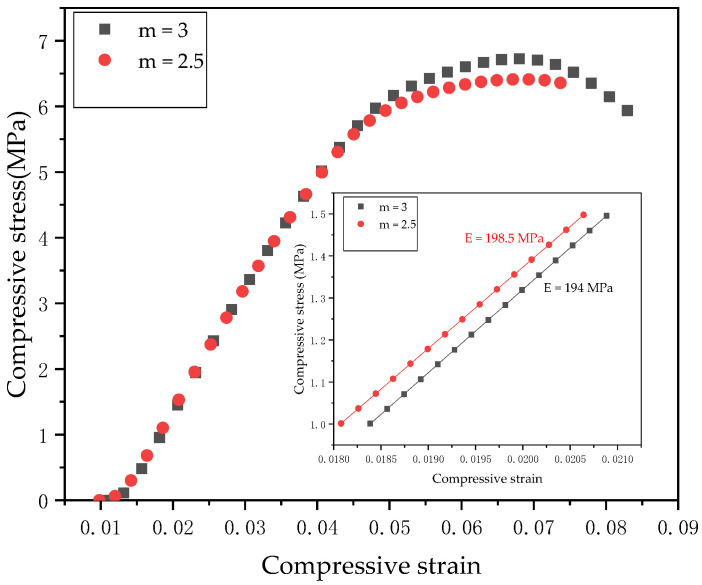
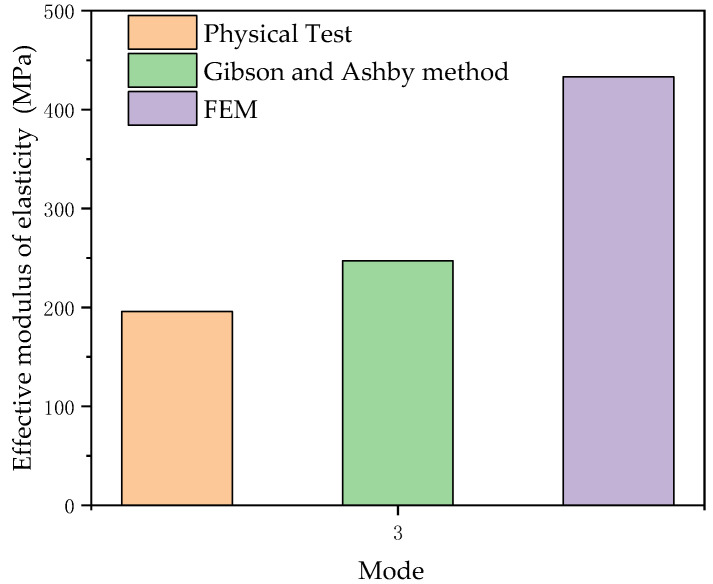
In order to avoid the stress shielding phenomenon in orthopedic bionic bone implantation, it is necessary to consider the design of mechanical compatible implants imitating the host bone. In this study, we developed a novel cancellous bone structure design method aimed at ensuring the mechanical compatibility between the bionic bone and human bone by means of computer-aided design (CAD) and finite element analysis technology (specifically, finite element modeling (FEM)). An orthogonal lattice model with volume porosity between 59% and 96% was developed by means of CAD. The effective equivalent elastic modulus of a honeycomb structure with square holes was studied by FEM simulation. With the purpose of verifying the validity of the cancellous bone structure design method, the honeycomb structure was fabricated by selective laser sintering (SLS) and the actual equivalent elastic modulus of the honeycomb structure was measured with a uniaxial compression test. The experimental results were compared with the FEM values and the predicted values. The results showed that the stiffness values of the designed structures were within the acceptable range of human cancellous bone of 50-500 MPa, which was similar to the stiffness values of human vertebrae L1 and L5. From the point of view of mechanical strength, the established cellular model can effectively match the elastic modulus of human vertebrae cancellous bone. The functional relationship between the volume porosity of the nylon square-pore honeycomb structure ranging from 59% to 96% and the effective elastic modulus was established. The effect of structural changes related to the manufacture of honeycomb structures on the equivalent elastic modulus of honeycomb structures was studied quantitatively by finite element modeling.
为避免骨科仿生骨植入中的应力屏蔽现象,有必要考虑设计模仿宿主骨的机械兼容植入物。在本研究中,我们开发了一种新型的松质骨结构设计方法,旨在通过计算机辅助设计(CAD)和有限元分析技术(具体为有限元建模(FEM))确保仿生骨与人体骨之间的机械兼容性。通过CAD开发了一种体积孔隙率在59%至96%之间的正交晶格模型。通过有限元模拟研究了方孔蜂窝结构的有效等效弹性模量。为验证松质骨结构设计方法的有效性,通过选择性激光烧结(SLS)制造了蜂窝结构,并通过单轴压缩试验测量了蜂窝结构的实际等效弹性模量。将实验结果与有限元值和预测值进行了比较。结果表明,设计结构的刚度值在人体松质骨50 - 500 MPa的可接受范围内,这与人体L1和L5椎体的刚度值相似。从机械强度角度来看,所建立的多孔模型能够有效匹配人体椎体松质骨的弹性模量。建立了尼龙方孔蜂窝结构体积孔隙率在59%至96%之间与有效弹性模量的函数关系。通过有限元建模定量研究了与蜂窝结构制造相关的结构变化对蜂窝结构等效弹性模量的影响。