Bonassi Andrea, Ghilardi Tommaso, Gabrieli Giulio, Truzzi Anna, Doi Hirokazu, Borelli Jessica L, Lepri Bruno, Shinohara Kazuyuki, Esposito Gianluca
Department of Psychology and Cognitive Science, University of Trento, 38068 Rovereto, Italy.
Mobile and Social Computing Lab, Fondazione Bruno Kessler, 38122 Trento, Italy.
Behav Sci (Basel). 2021 Apr 23;11(5):59. doi: 10.3390/bs11050059.
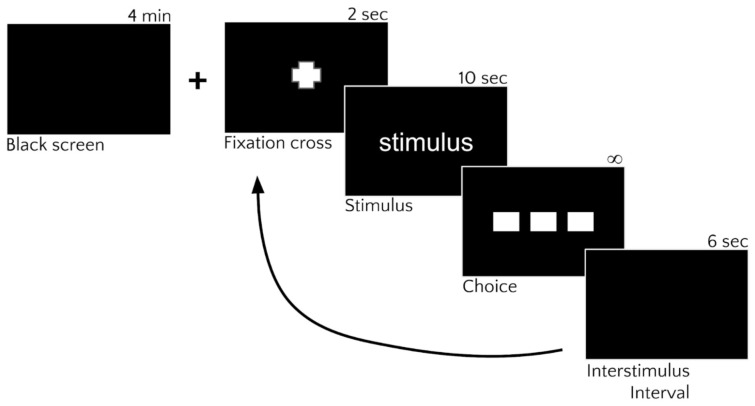
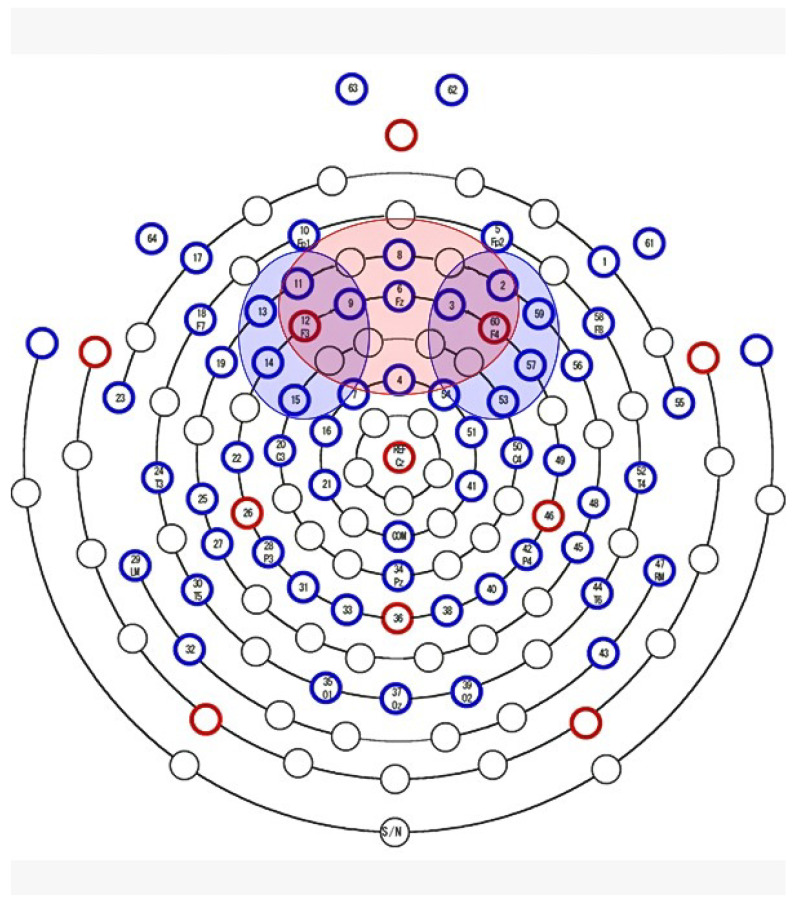
Human faces convey a range of emotions and psychobiological signals that support social interactions. Multiple factors potentially mediate the facial expressions of emotions across cultures. To further determine the mechanisms underlying human emotion recognition in a complex and ecological environment, we hypothesized that both behavioral and neurophysiological measures would be influenced by stimuli ethnicity (Japanese, Caucasian) in the context of ambiguous emotional expressions (mid-happy, angry). We assessed the neurophysiological and behavioral responses of neurotypical Japanese adults ( = 27, 13 males) involved in a facial expression recognition task. Results uncover an interaction between universal and culturally-driven mechanisms. No differences in behavioral responses are found between male and female participants, male and female faces, and neutral Japanese versus Caucasian faces. However, Caucasian ambiguous emotional expressions which require more energy-consuming processing, as highlighted by neurophysiological results of the Arousal Index, were judged more accurately than Japanese ones. Additionally, a differential Frontal Asymmetry Index in neuronal activation, the signature of an approach versus avoidance response, is found in male participants according to the gender and emotional valence of the stimuli.
人类面部传达着一系列支持社交互动的情感和心理生物学信号。多种因素可能介导跨文化的情感面部表情。为了进一步确定在复杂且符合生态学的环境中人类情绪识别的潜在机制,我们假设在模糊情感表达(中度高兴、愤怒)的情境下,行为和神经生理学测量都会受到刺激物种族(日本人、高加索人)的影响。我们评估了参与面部表情识别任务的典型神经型日本成年人(n = 27,13名男性)的神经生理和行为反应。结果揭示了普遍机制和文化驱动机制之间的相互作用。在男性和女性参与者之间、男性和女性面孔之间以及中性的日本面孔与高加索面孔之间,行为反应没有差异。然而,正如唤醒指数的神经生理学结果所强调的,需要更多耗能加工的高加索模糊情感表情比日本的表情被判断得更准确。此外,根据刺激物的性别和情感效价,在男性参与者中发现了神经元激活方面的前额叶不对称指数差异,这是趋近与回避反应的特征。