González A Silvia, Riego Angela, Vega Victor, García Javier, Galié Serena, Gutiérrez Del Río Ignacio, Martínez de Yuso Maria Del Valle, Villar Claudio Jesús, Lombó Felipe, De la Prida Victor Manuel
Departmano de Física, Facultad de Ciencias, Universidad de Oviedo, C/ Federico García Lorca nº 18, 33007 Oviedo, Spain.
Research Unit "Biotechnology in Nutraceuticals and Bioactive Compounds-BIONUC", Departmano de Biología Funcional, Área de Microbiología, Universidad de Oviedo, Avda. Julián Clavería 7, 33006 Oviedo, Spain.
Nanomaterials (Basel). 2021 Apr 20;11(4):1055. doi: 10.3390/nano11041055.
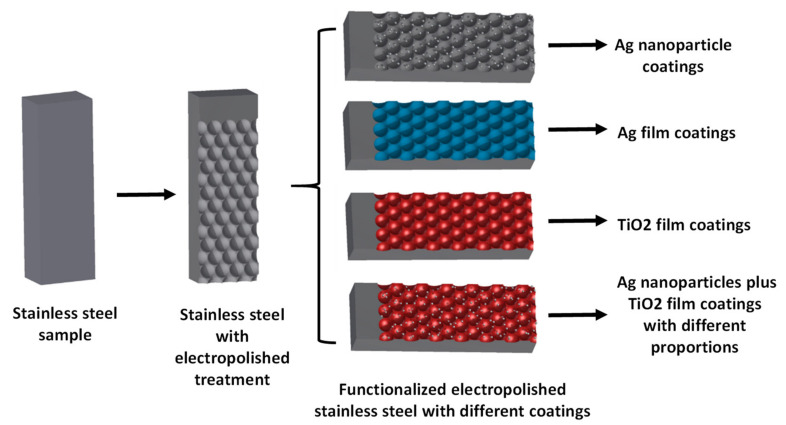
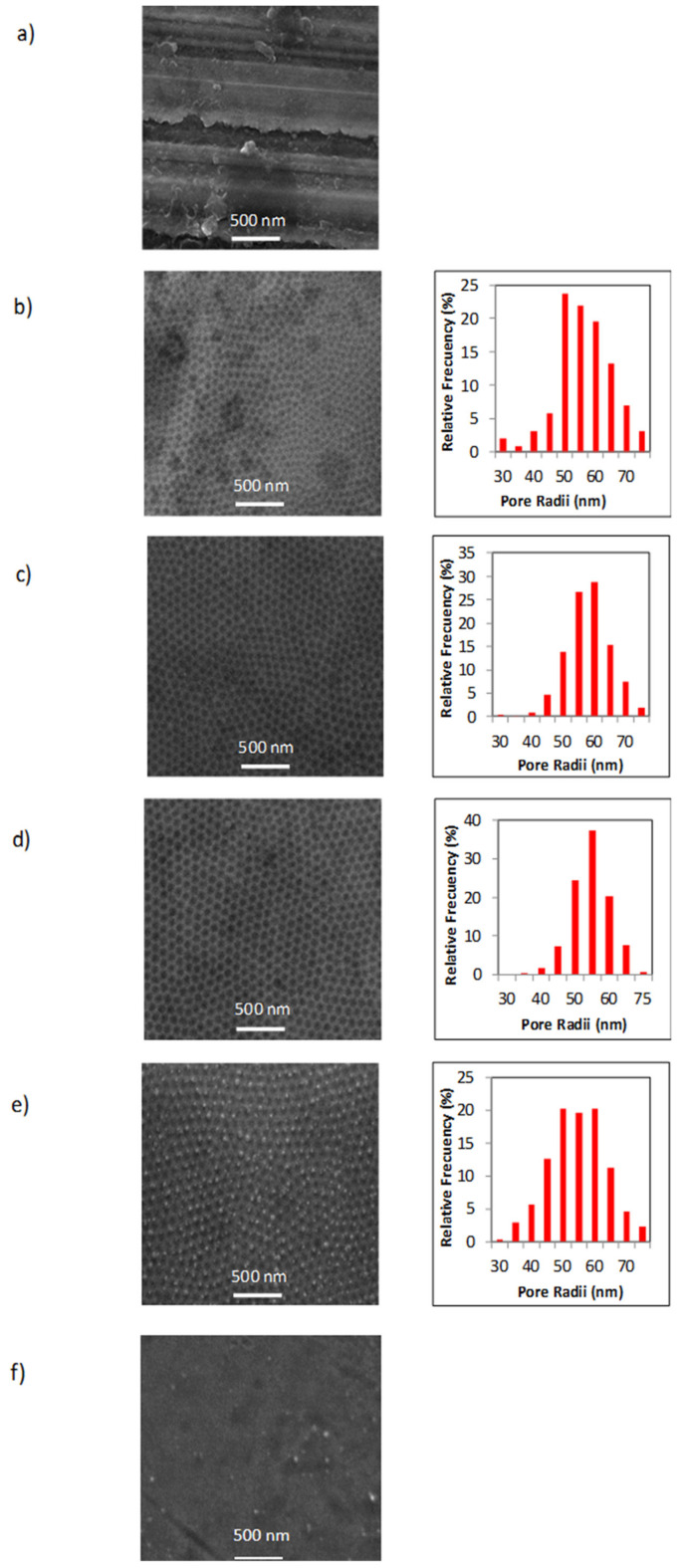
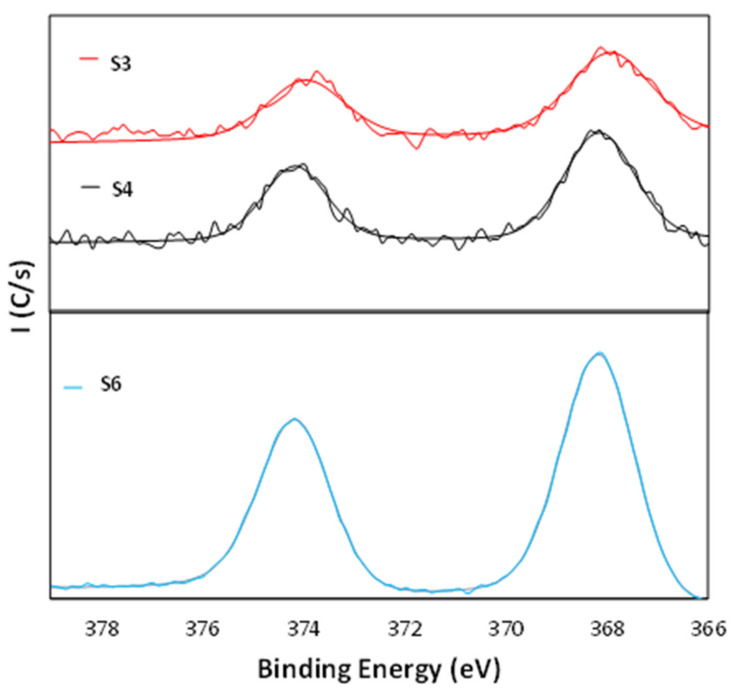
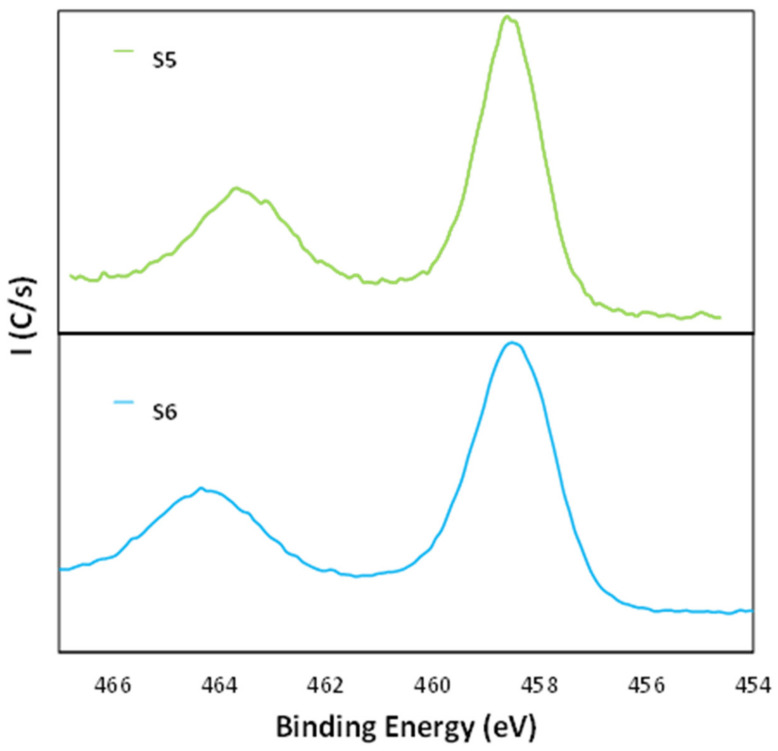
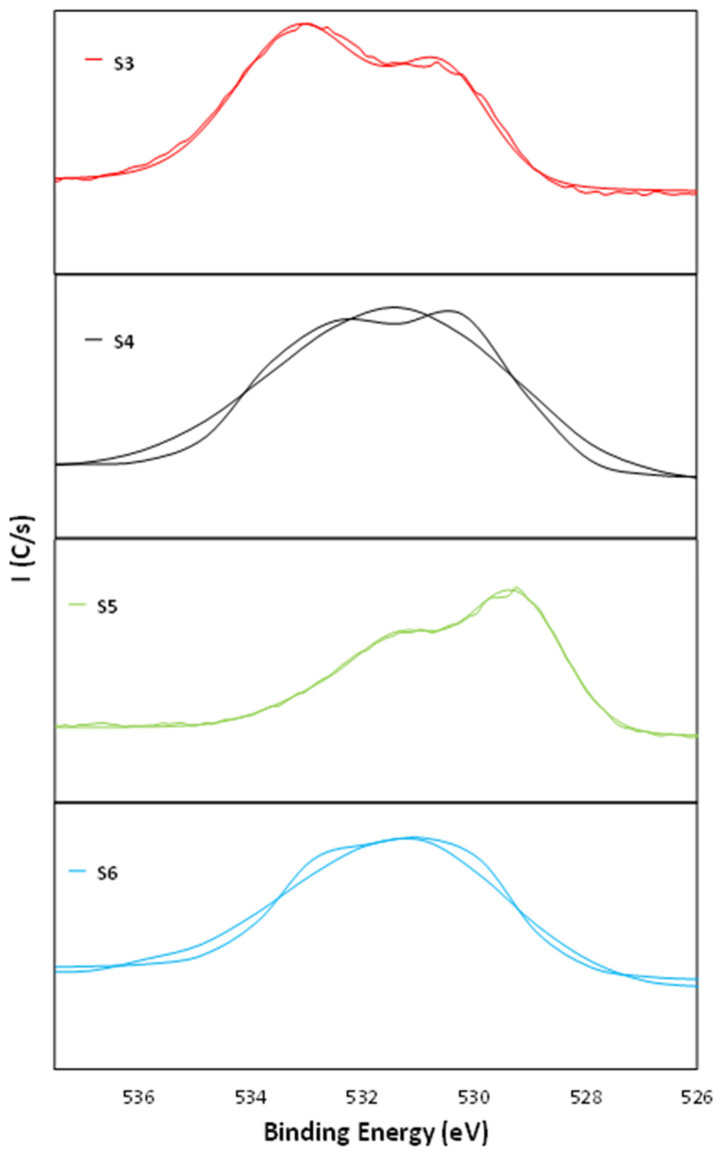
In our study, we demonstrated the performance of antimicrobial coatings on properly functionalized and nanostructured 316L food-grade stainless steel pipelines. For the fabrication of these functional coatings, we employed facile and low-cost electrochemical techniques and surface modification processes. The development of a nanoporous structure on the 316L stainless steel surface was performed by following an electropolishing process in an electrolytic bath, at a constant anodic voltage of 40 V for 10 min, while the temperature was maintained between 0 and 10 °C. Subsequently, we incorporated on this nanostructure additional coatings with antimicrobial and bactericide properties, such as Ag nanoparticles, Ag films, or TiO thin layers. These functional coatings were grown on the nanostructured substrate by following electroless process, electrochemical deposition, and atomic layer deposition (ALD) techniques. Then, we analyzed the antimicrobial efficiency of these functionalized materials against different biofilms types (, and ). The results of the present study demonstrate that the nanostructuring and surface functionalization processes constitute a promising route to fabricate novel functional materials exhibiting highly efficient antimicrobial features. In fact, we have shown that our use of an appropriated association of TiO layer and Ag nanoparticle coatings over the nanostructured 316L stainless steel exhibited an excellent antimicrobial behavior for all biofilms examined.
在我们的研究中,我们展示了抗菌涂层在功能化且具有纳米结构的316L食品级不锈钢管道上的性能。为了制备这些功能涂层,我们采用了简便且低成本的电化学技术和表面改性工艺。在316L不锈钢表面形成纳米多孔结构是通过在电解槽中进行电解抛光工艺实现的,在40 V的恒定阳极电压下持续10分钟,同时将温度保持在0至10°C之间。随后,我们在这种纳米结构上添加了具有抗菌和杀菌特性的额外涂层,如银纳米颗粒、银膜或二氧化钛薄层。这些功能涂层通过化学镀、电化学沉积和原子层沉积(ALD)技术在纳米结构基底上生长。然后,我们分析了这些功能化材料对不同类型生物膜(此处原文缺失具体生物膜类型信息)的抗菌效率。本研究结果表明,纳米结构化和表面功能化工艺是制备具有高效抗菌特性的新型功能材料的一条有前景的途径。事实上,我们已经表明,在纳米结构的316L不锈钢上使用适当组合的二氧化钛层和银纳米颗粒涂层,对所有检测的生物膜都表现出优异的抗菌性能。