Agour Mahmoud, Abdal-Hay Abdalla, Hassan Mohamed K, Bartnikowski Michal, Ivanovski Sašo
Department of Production Engineering and Design, Faculty of Engineering, Minia University, Minia 61112, Egypt.
Centre for Orofacial Regeneration, Reconstruction and Rehabilitation (COR3), School of Dentistry, Herston Campus, The University of Queensland, 288 Herston Road, Herston, QLD 4006, Australia.
Nanomaterials (Basel). 2021 Apr 27;11(5):1129. doi: 10.3390/nano11051129.
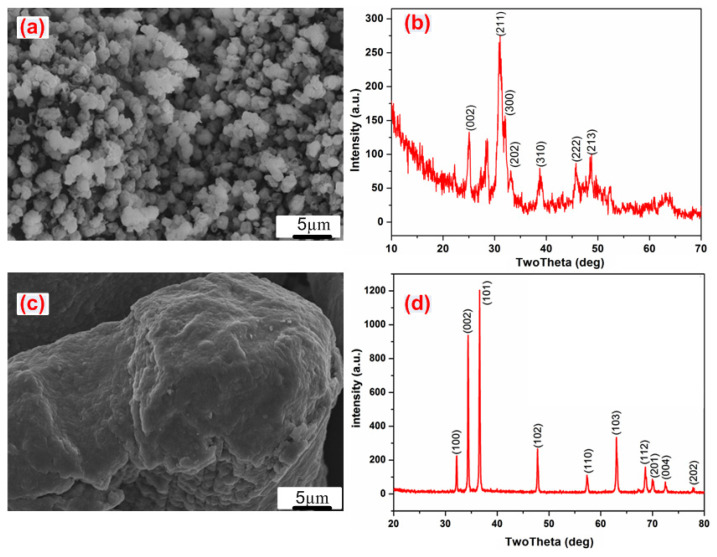
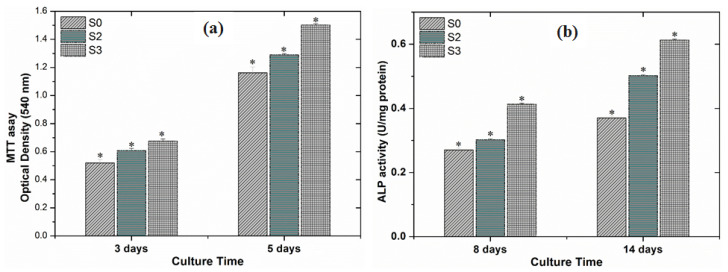
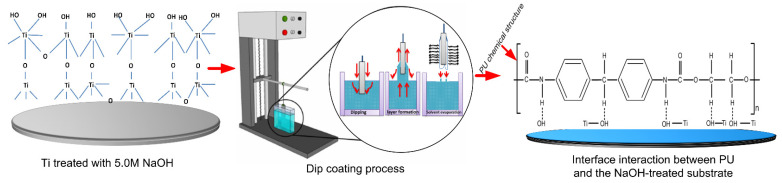
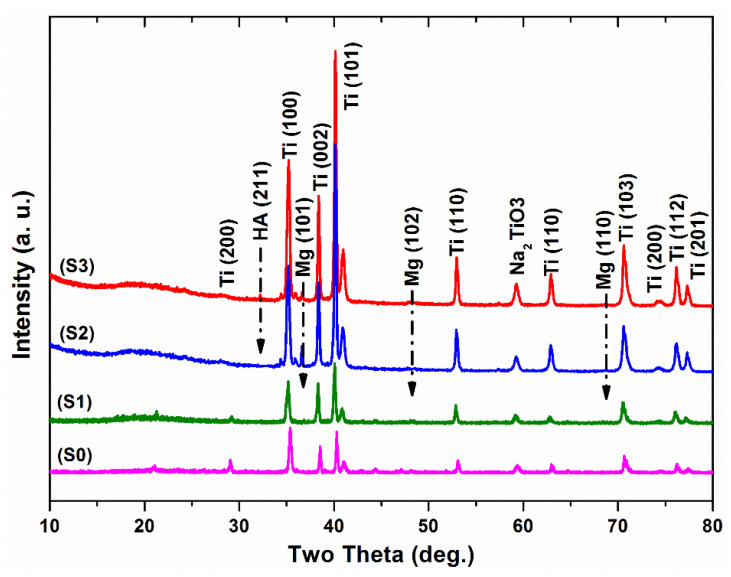
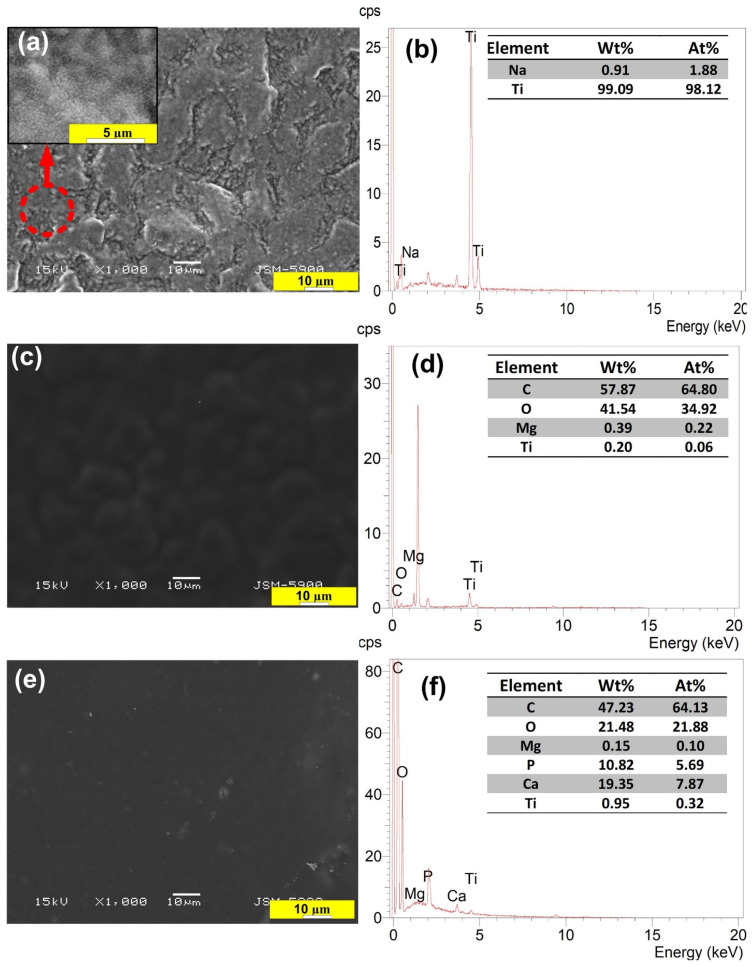
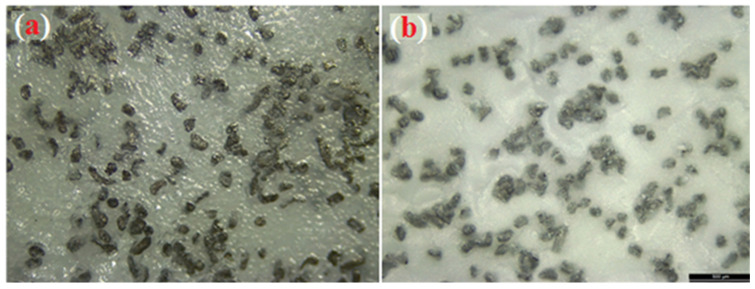
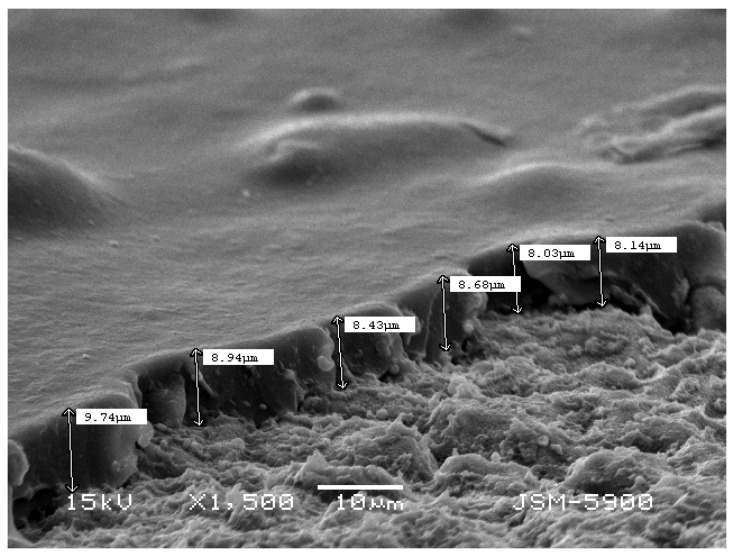
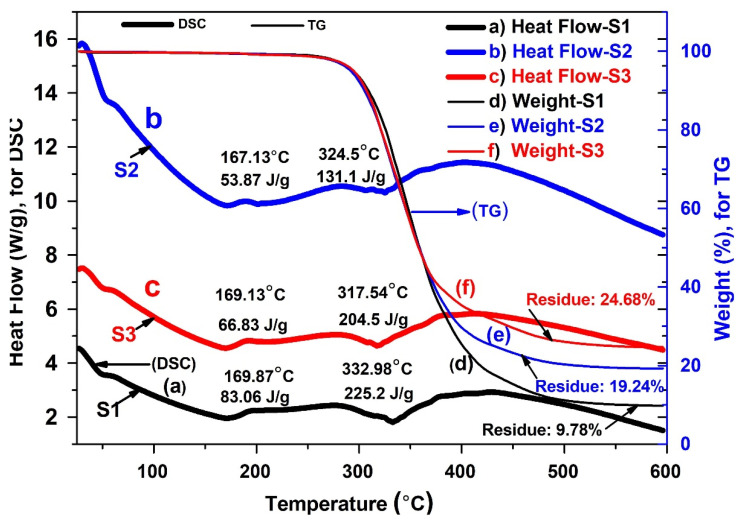
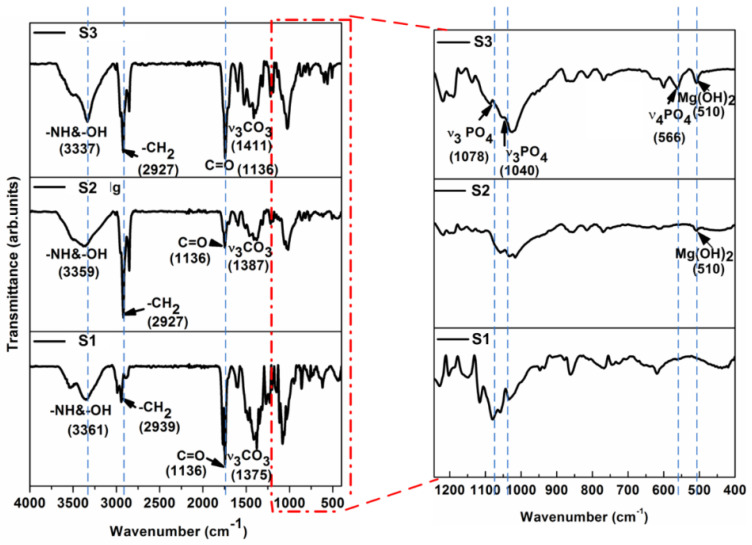
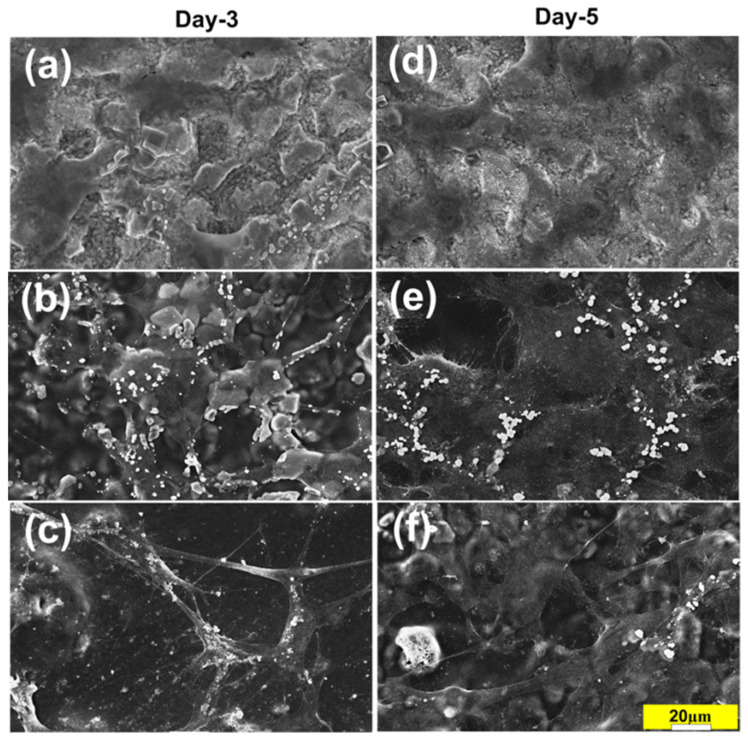
The aim of this study was to form a functional layer on the surface of titanium (Ti) implants to enhance their bioactivity. Layers of polyurethane (PU), containing hydroxyapatite (HAp) nanoparticles (NPs) and magnesium (Mg) particles, were deposited on alkali-treated Ti surfaces using a cost-effective dip-coating approach. The coatings were assessed in terms of morphology, chemical composition, adhesion strength, interfacial bonding, and thermal properties. Additionally, cell response to the variably coated Ti substrates was investigated using MC3T3-E1 osteoblast-like cells, including assessment of cell adhesion, cell proliferation, and osteogenic activity through an alkaline phosphatase (ALP) assay. The results showed that the incorporation of HAp NPs enhanced the interfacial bonding between the coating and the alkali-treated Ti surface. Furthermore, the presence of Mg and HAp particles enhanced the surface charge properties as well as cell attachment, proliferation, and differentiation. Our results suggest that the deposition of a bioactive composite layer containing Mg and HAp particles on Ti implants may have the potential to induce bone formation.
本研究的目的是在钛(Ti)植入物表面形成功能层,以增强其生物活性。采用经济高效的浸涂法,将含有羟基磷灰石(HAp)纳米颗粒(NPs)和镁(Mg)颗粒的聚氨酯(PU)层沉积在碱处理过的Ti表面。对涂层的形态、化学成分、粘附强度、界面结合和热性能进行了评估。此外,使用MC3T3-E1成骨样细胞研究了细胞对不同涂层Ti基底的反应,包括通过碱性磷酸酶(ALP)测定评估细胞粘附、细胞增殖和成骨活性。结果表明,HAp NPs的加入增强了涂层与碱处理Ti表面之间的界面结合。此外,Mg和HAp颗粒的存在增强了表面电荷特性以及细胞附着、增殖和分化。我们的结果表明,在Ti植入物上沉积含有Mg和HAp颗粒的生物活性复合层可能具有诱导骨形成的潜力。