Abdal-Hay Abdalla, Foaud H, A ALshammari Basheer, Khalil Khalil Abdelrazek
School of Dentistry, University of Queensland, Herston Campus, St Lucia, Queensland 4072, Australia.
Department of Mechanical Engineering, Faculty of Engineering, South Valley University, Qena 83523, Egypt.
Nanomaterials (Basel). 2020 May 9;10(5):919. doi: 10.3390/nano10050919.
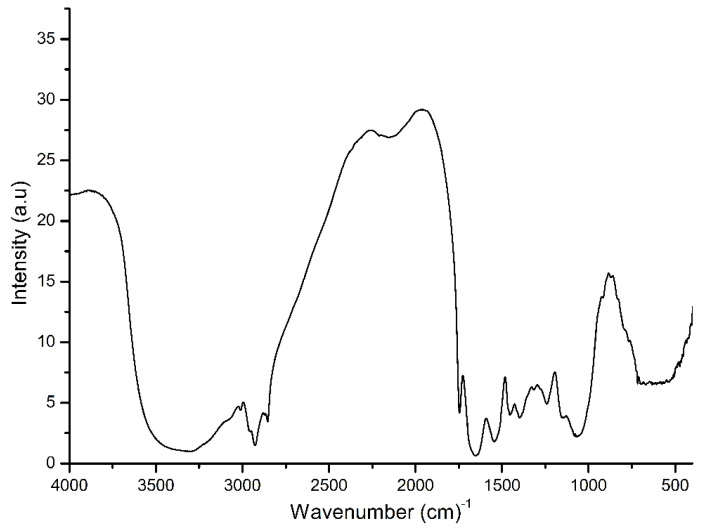
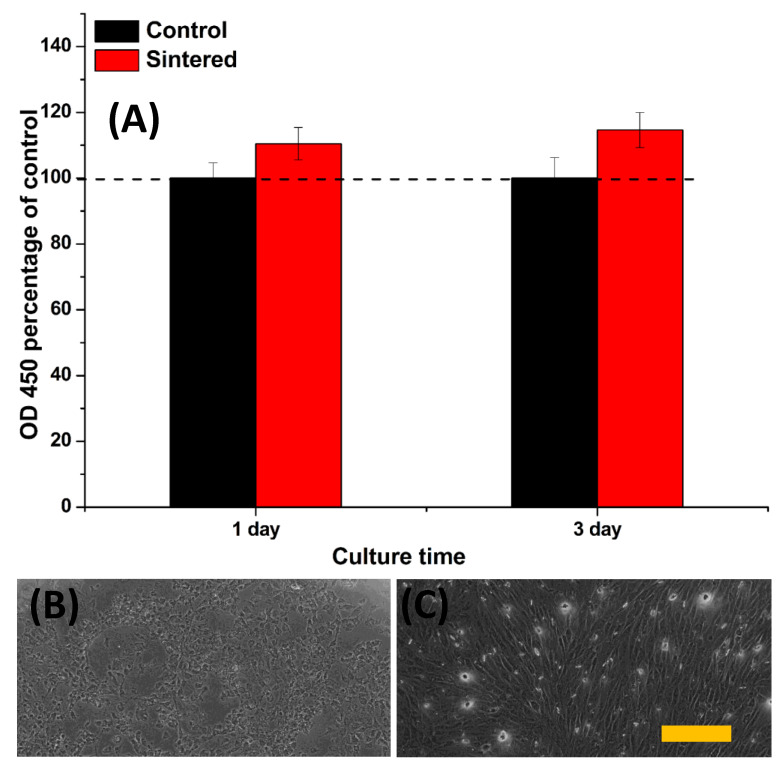
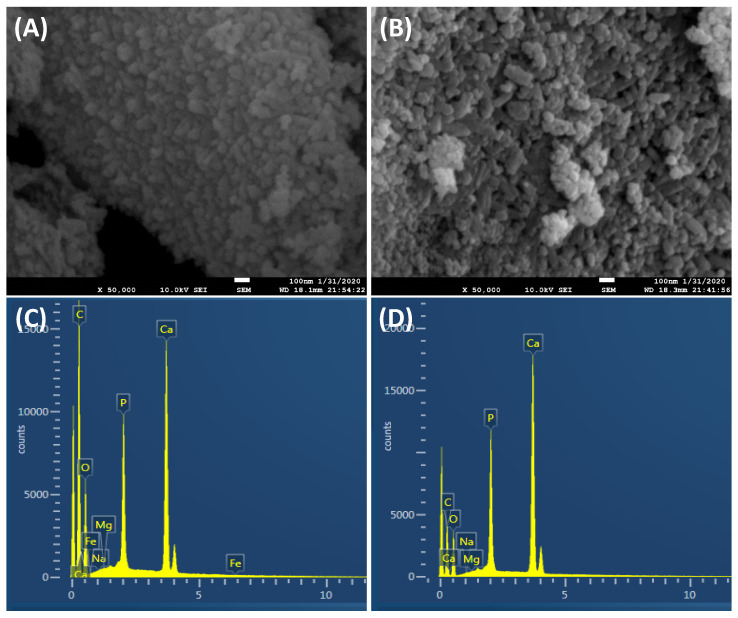
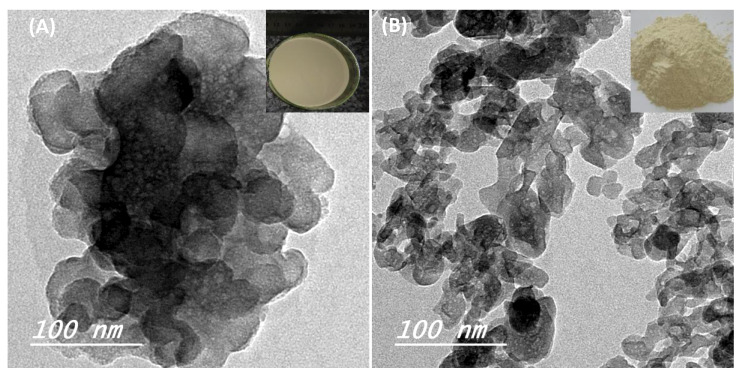
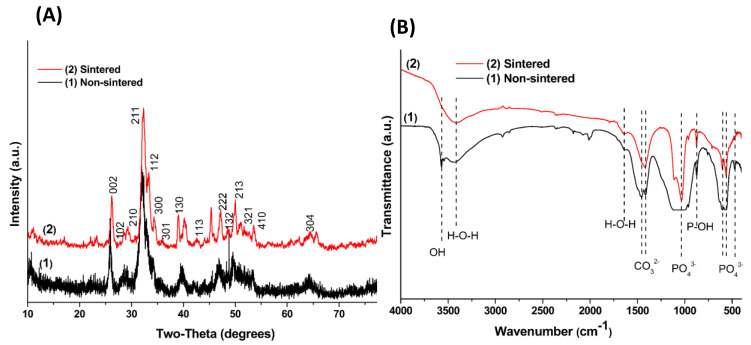
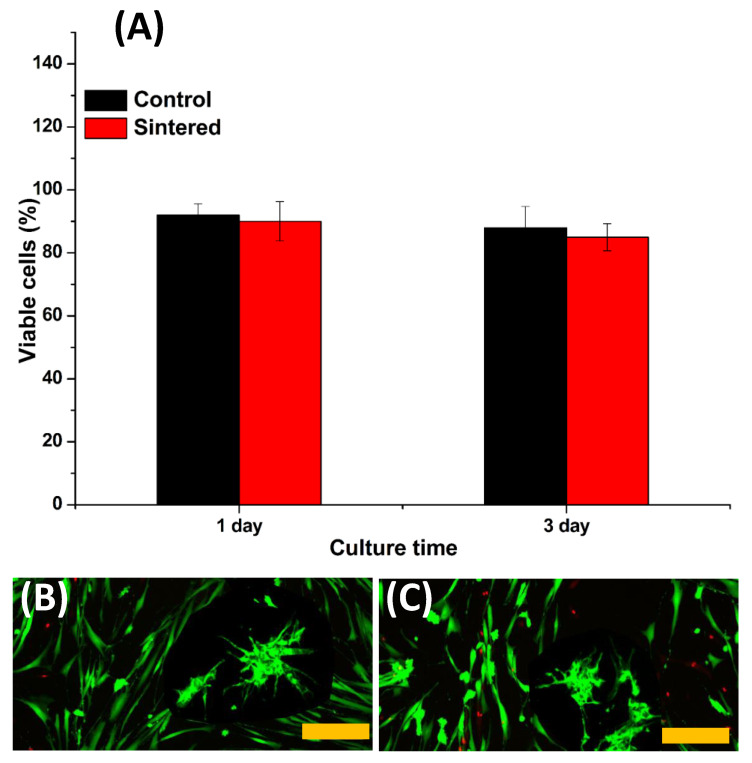
An innovative, biomimetic, green synthesis approach was exploited for the synthesis of humane and environmental friendly nanomaterials for biomedical applications. Ultrafine bonelike apatite (BAp) 2D plate-like structures were prepared using fenugreek seed extract during the biosynthesis wet-chemical precipitation route. The chemical analysis, morphology and structure of the prepared 2D nanoplates were characterized by inductively coupled plasma atomic emission spectroscopy (ICP-OES), electron microscopy (SEM and TEM), X-ray diffraction (XRD) and Fourier transform infrared (FTIR) spectroscopy. A 2D plate-like nanostructure of BAp with an average width (length) of 12.67 ± 2 nm and thickness of 3.8 ± 1.2 nm was obtained. BAp 2D crystals were tuned by interaction with the fenugreek organic molecules during the fabrication process. In addition to Ca and P ions, bone mineral sources such as K, Mg, Na, SO and CO ions were incorporated into BAp nanoplates using fenugreek seed extract. The overall organic molecule concentration in the reaction process increased the effectiveness of hydroxyl groups as nucleation sites for BAp crystals. Accordingly, the size of the biosynthesized BAp plate-like structure was reduced to its lowest value. Biosynthesis BAp 2D plate-like nanocrystals showed good viability and higher growth of MC3T3 osteoblast-like structures than that of the control sample. BAp 2D nanoplates prepared by a facile, ecofriendly and cost-effective approach could be considered a favorable osteoconductive inorganic biomaterial for bone regeneration applications.
一种创新的、仿生的绿色合成方法被用于合成用于生物医学应用的对人类和环境友好的纳米材料。在生物合成湿化学沉淀过程中,使用胡芦巴种子提取物制备了超细骨状磷灰石(BAp)二维板状结构。通过电感耦合等离子体原子发射光谱(ICP-OES)、电子显微镜(SEM和TEM)、X射线衍射(XRD)和傅里叶变换红外(FTIR)光谱对制备的二维纳米板的化学分析、形态和结构进行了表征。获得了平均宽度(长度)为12.67±2nm、厚度为3.8±1.2nm的BAp二维板状纳米结构。在制备过程中,通过与胡芦巴有机分子相互作用对BAp二维晶体进行了调控。除了钙和磷离子外,还使用胡芦巴种子提取物将钾、镁、钠、硫酸根和碳酸根等离子等骨矿物质源掺入BAp纳米板中。反应过程中整体有机分子浓度提高了羟基作为BAp晶体成核位点的有效性。因此,生物合成的BAp板状结构尺寸减小到最小值。生物合成的BAp二维板状纳米晶体表现出良好的活力,并且与对照样品相比,MC3T3成骨细胞样结构的生长更高。通过简便、环保且经济高效的方法制备的BAp二维纳米板可被认为是用于骨再生应用的良好骨传导无机生物材料。