Carter Anthony M
Cardiovascular and Renal Research, Institute of Molecular Medicine, University of Southern Denmark, Odense, Denmark.
Anim Reprod. 2020 May 22;16(1):3-17. doi: 10.21451/1984-3143-AR2018-00145.
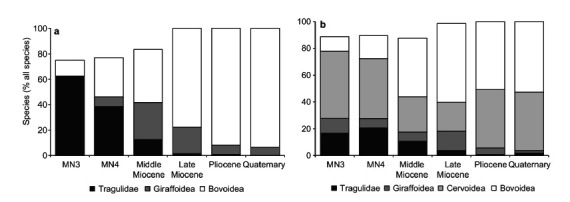
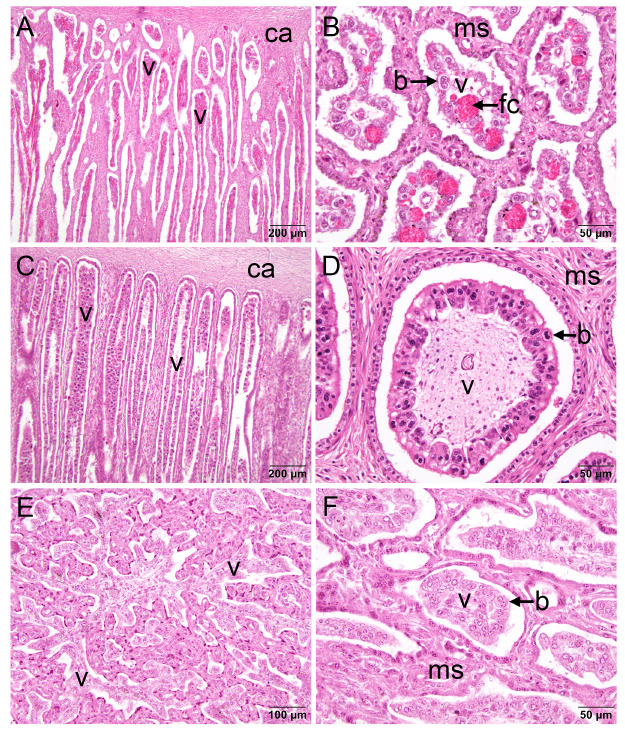
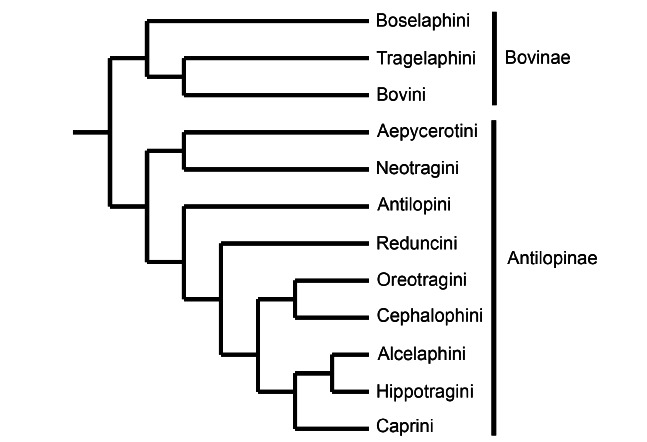
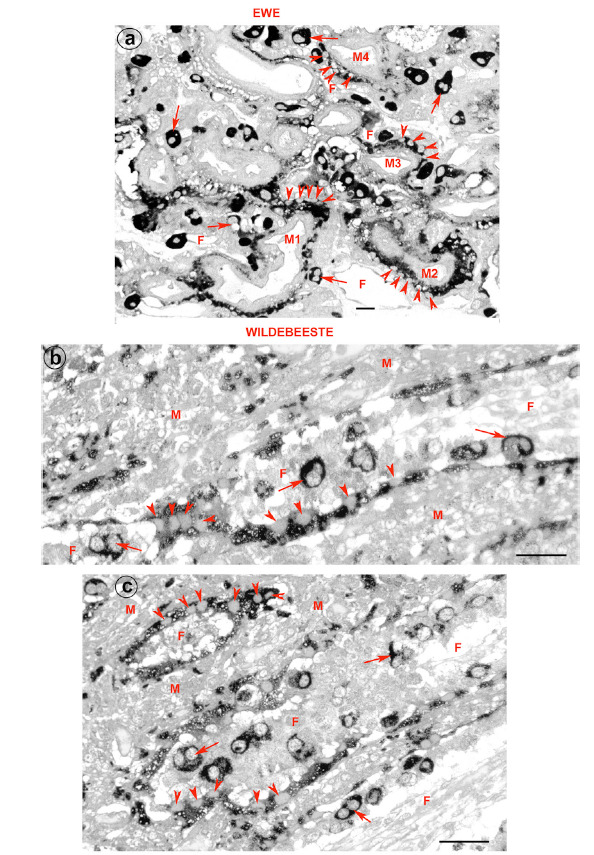
Bovids have enjoyed great evolutionary success as evidenced by the large number of extant species. Several important domestic animals are from this family. They derive from both subfamilies: cattle and their kin belong to Bovinae and sheep and goats to Antilopinae. The premise of this review, therefore, is that evolution of reproduction and placentation is best understood in a context that includes antelope-like bovines and antelopes. Many key features of placentation, including hormone secretion, had evolved before bovids emerged as a distinct group. Variation nevertheless occurs. Most striking is the difference in fusion of the binucleate trophoblast cell with uterine epithelium that yields a transient trinucleate cell in bovines and many antelopes, but a more persistent syncytium in wildebeest, sheep and goat. There is considerable variation in placentome number and villus branching within the placentome. Many antelopes have right-sided implantation in a bicornuate uterus whilst others have a uterus duplex. Finally, there has been continued evolution of placental hormones with tandem duplication of genes in cattle, differences in glycosylation of placental lactogen and the emergence of placental growth hormone in sheep and goats. The selection pressures driving this evolution are unknown though maternal-fetal competition for nutrients is an attractive hypothesis.
现存牛科动物种类繁多,这证明了它们在进化上取得了巨大成功。几种重要的家畜都来自这个家族。它们源自两个亚科:牛及其同类属于牛亚科,而绵羊和山羊属于羚羊亚科。因此,本综述的前提是,在包括类似羚羊的牛科动物和羚羊的背景下,才能最好地理解生殖和胎盘形成的进化。胎盘形成的许多关键特征,包括激素分泌,在牛科动物作为一个独特的群体出现之前就已经进化出来了。然而,变异仍然存在。最显著的差异在于双核滋养层细胞与子宫上皮的融合,在牛和许多羚羊中会产生一个短暂的三核细胞,但在角马、绵羊和山羊中会形成更持久的合体细胞。胎盘小叶的数量和胎盘小叶内绒毛分支存在相当大的差异。许多羚羊在双角子宫中右侧着床,而其他羚羊则有双子宫。最后,胎盘激素持续进化,牛的基因串联重复,胎盘催乳素糖基化存在差异,绵羊和山羊中出现胎盘生长激素。尽管母胎对营养物质的竞争是一个有吸引力的假设,但驱动这种进化的选择压力尚不清楚。