Chen Mingming, Zhang Linlin, Guo Yiwen, Liu Xinfeng, Song Yingshen, Li Xin, Ding Xiangbin, Guo Hong
Tianjin Key Laboratory of Agricultural Animal Breeding and Healthy Husbandry, College of Animal Science and Veterinary Medicine, Tianjin Agricultural University, Tianjin, China.
J Cell Mol Med. 2021 May 4;25(13):5988-6005. doi: 10.1111/jcmm.16427.
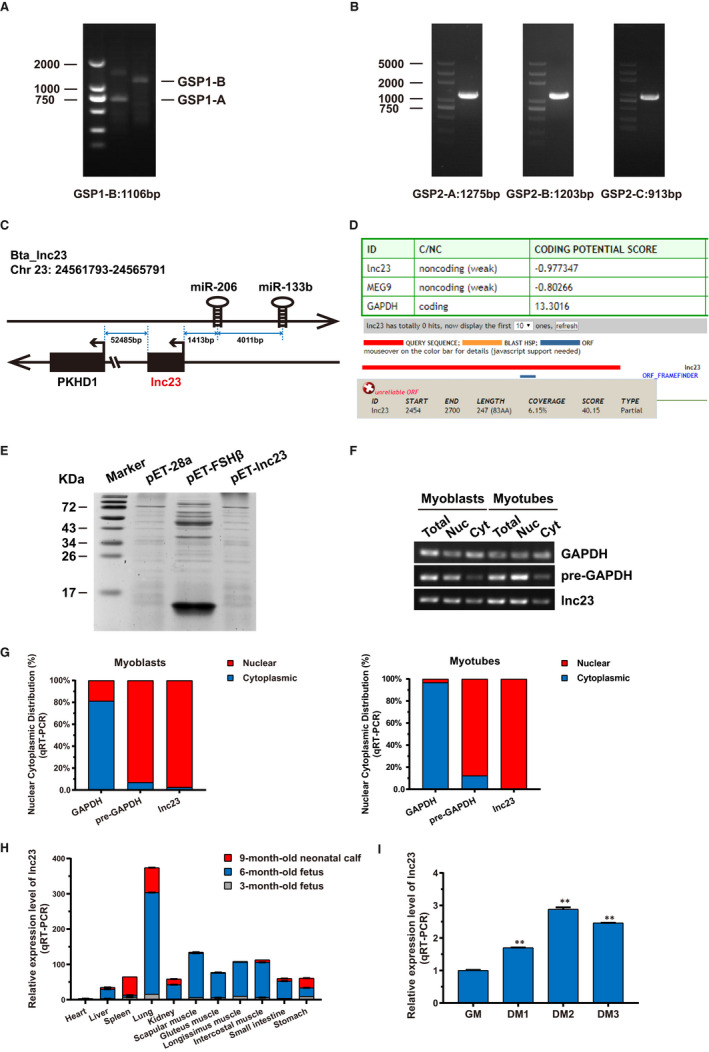
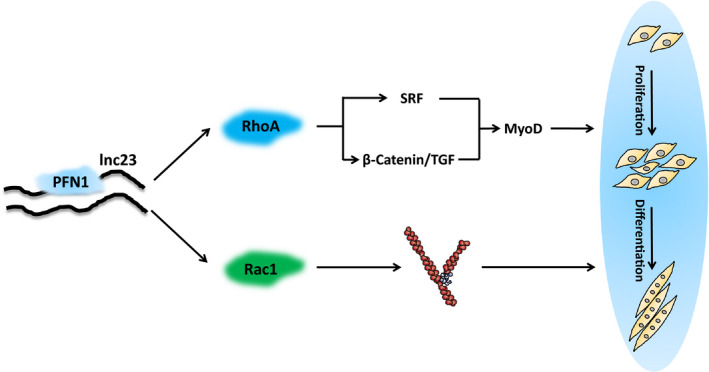
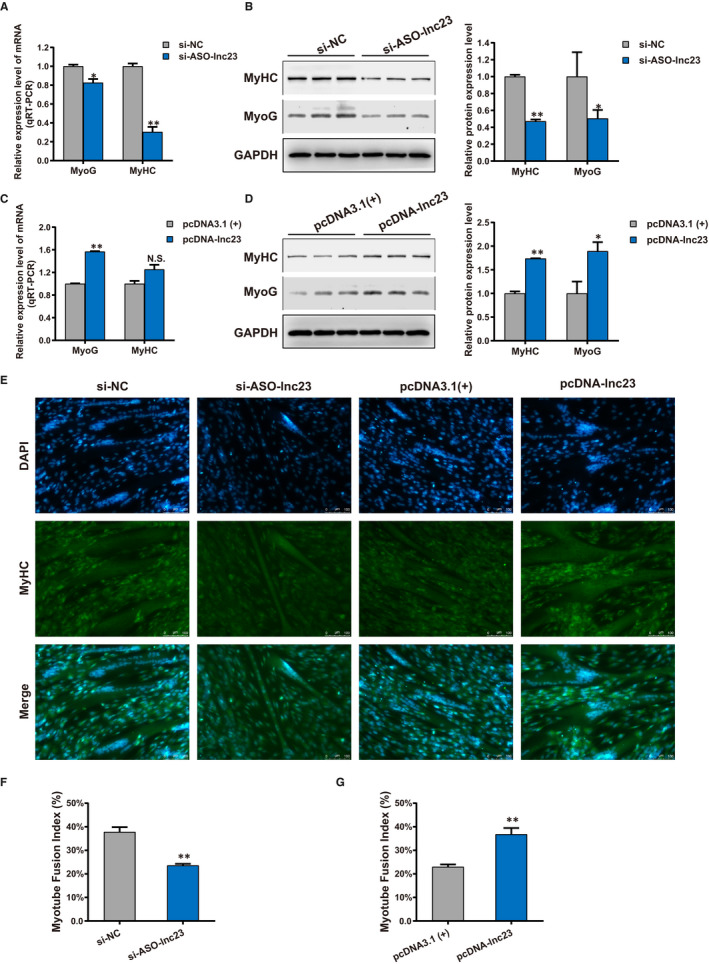
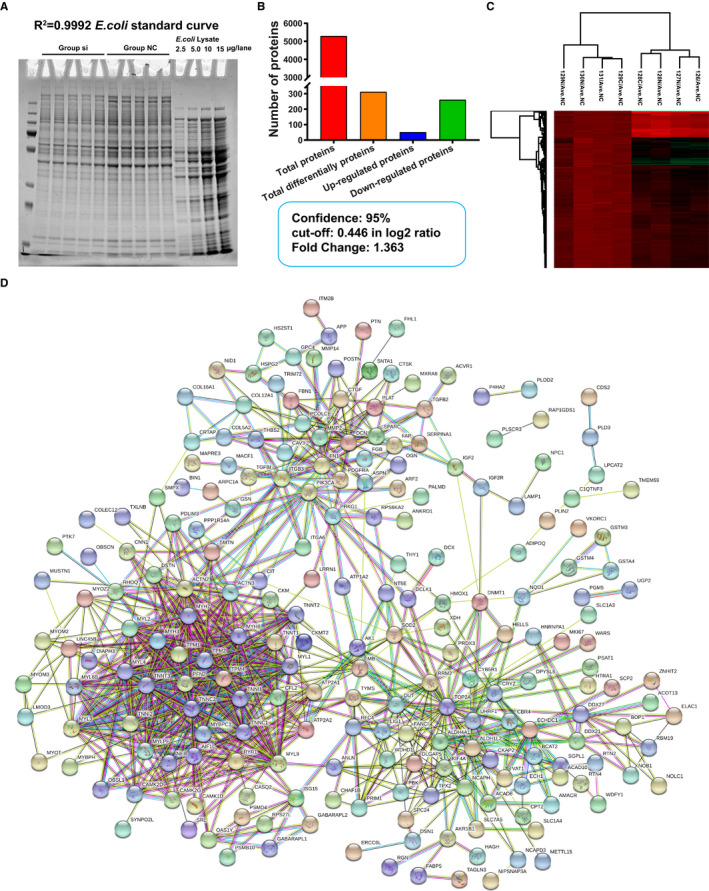
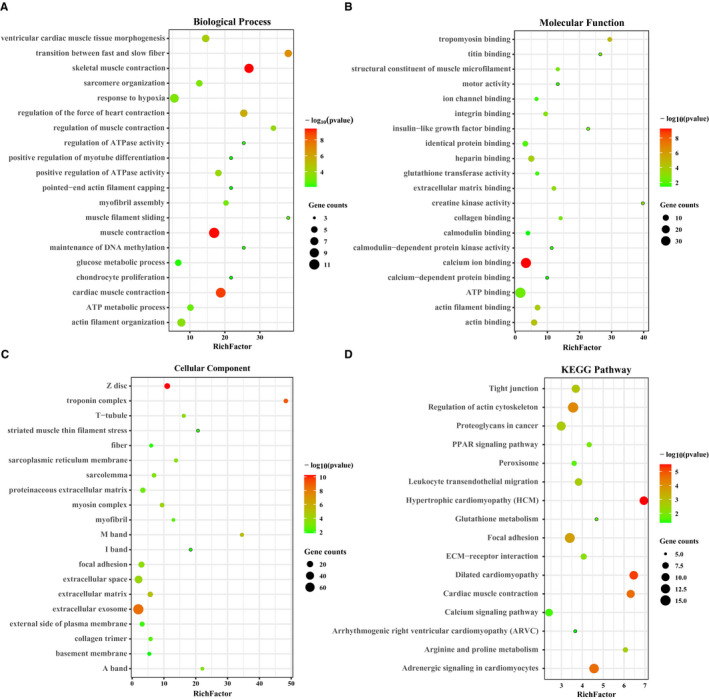
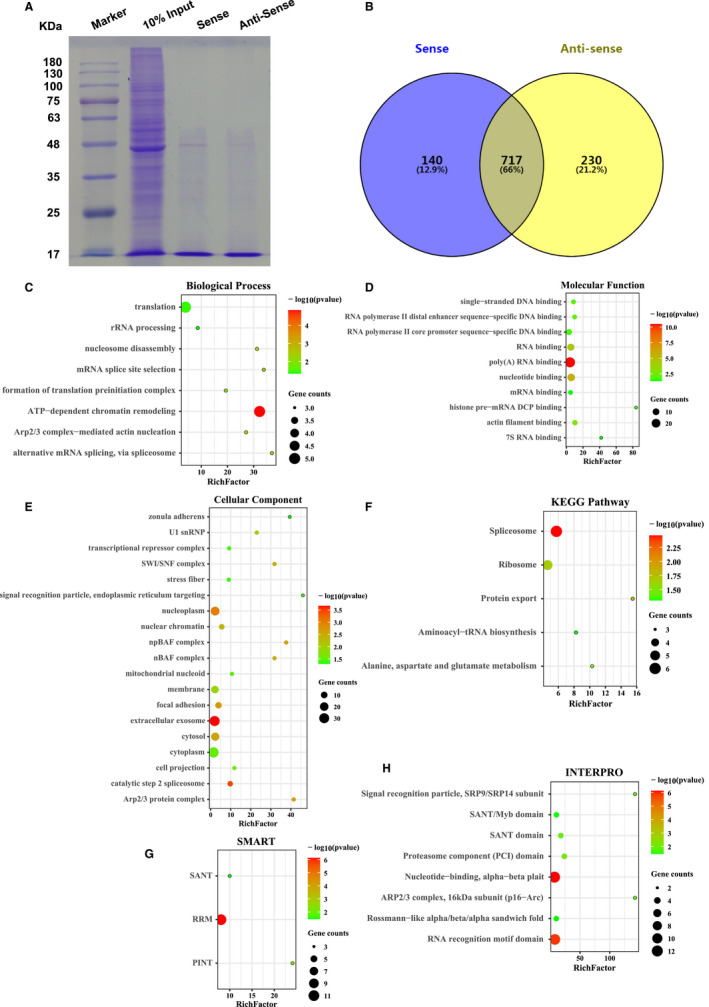
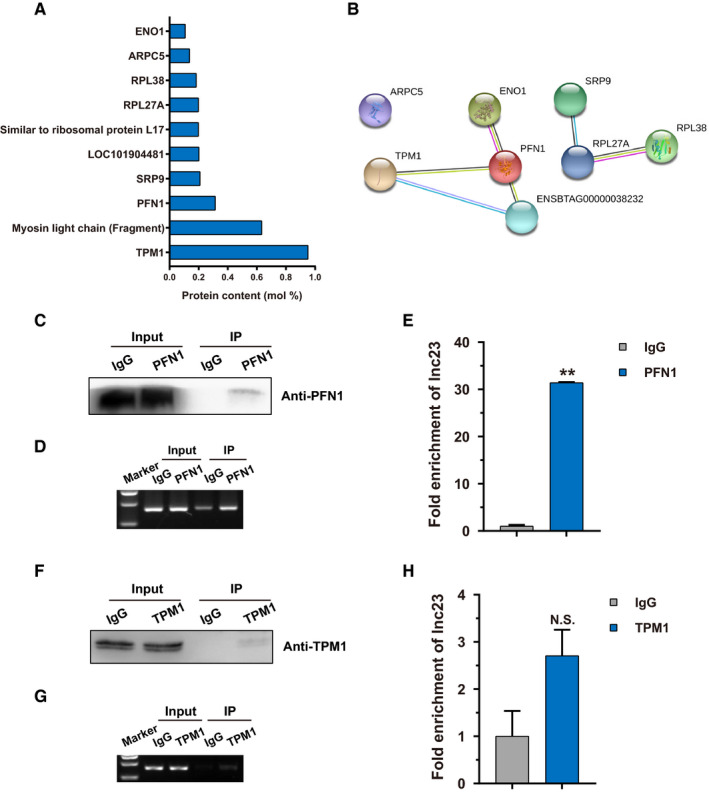
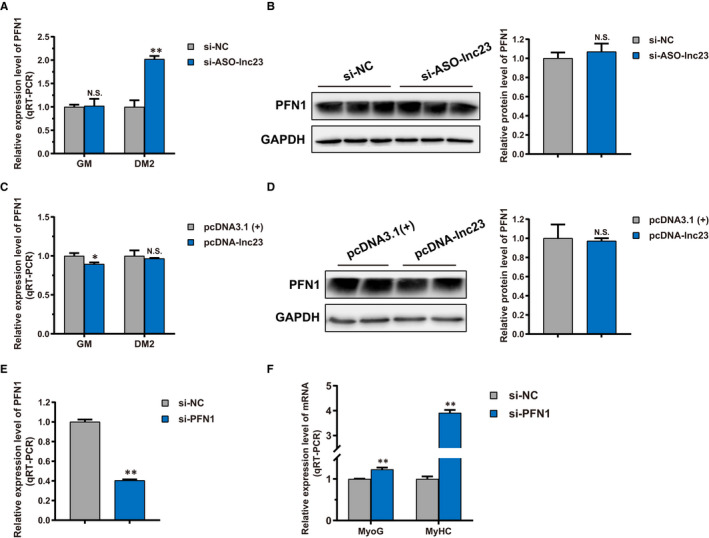
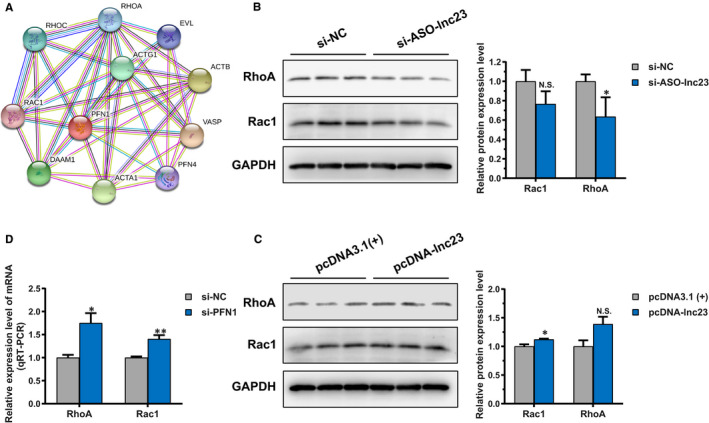
Myogenesis, the process of skeletal muscle formation, is a highly coordinated multistep biological process. Accumulating evidence suggests that long non-coding RNAs (lncRNAs) are emerging as a gatekeeper in myogenesis. Up to now, most studies on muscle development-related lncRNAs are mainly focussed on humans and mice. In this study, a novel muscle highly expressed lncRNA, named lnc23, localized in nucleus, was found differentially expressed in different stages of embryonic development and myogenic differentiation. The knockdown and over-expression experiments showed that lnc23 positively regulated the myogenic differentiation of bovine skeletal muscle satellite cells. Then, TMT 10-plex labelling quantitative proteomics was performed to screen the potentially regulatory proteins of lnc23. Results indicated that lnc23 was involved in the key processes of myogenic differentiation such as cell fusion, further demonstrated that down-regulation of lnc23 may inhibit myogenic differentiation by reducing signal transduction and cell fusion among cells. Furthermore, RNA pulldown/LC-MS and RIP experiment illustrated that PFN1 was a binding protein of lnc23. Further, we also found that lnc23 positively regulated the protein expression of RhoA and Rac1, and PFN1 may negatively regulate myogenic differentiation and the expression of its interacting proteins RhoA and Rac1. Hence, we support that lnc23 may reduce the inhibiting effect of PFN1 on RhoA and Rac1 by binding to PFN1, thereby promoting myogenic differentiation. In short, the novel identified lnc23 promotes myogenesis of bovine skeletal muscle satellite cells via PFN1-RhoA/Rac1.
成肌作用,即骨骼肌形成的过程,是一个高度协调的多步骤生物学过程。越来越多的证据表明,长链非编码RNA(lncRNA)正在成为成肌作用中的一个关键调控因子。到目前为止,大多数关于肌肉发育相关lncRNA的研究主要集中在人类和小鼠上。在本研究中,发现了一种新的在肌肉中高表达的lncRNA,命名为lnc23,定位于细胞核,在胚胎发育和肌源性分化的不同阶段差异表达。敲低和过表达实验表明,lnc23对牛骨骼肌卫星细胞的肌源性分化具有正向调控作用。然后,进行了TMT 10重标记定量蛋白质组学分析以筛选lnc23潜在的调控蛋白。结果表明,lnc23参与了细胞融合等肌源性分化的关键过程,进一步证明lnc23的下调可能通过减少细胞间信号转导和细胞融合来抑制肌源性分化。此外,RNA下拉/液相色谱-质谱联用和RNA免疫沉淀实验表明,PFN1是lnc23的结合蛋白。此外,我们还发现lnc23正向调控RhoA和Rac1的蛋白表达,而PFN1可能负向调控肌源性分化及其相互作用蛋白RhoA和Rac1的表达。因此,我们认为lnc23可能通过与PFN1结合来降低PFN1对RhoA和Rac1的抑制作用,从而促进肌源性分化。简而言之,新鉴定的lnc23通过PFN1-RhoA/Rac1促进牛骨骼肌卫星细胞的成肌作用。