Department of Pediatrics, Shenzhen Luohu Maternity and Child Health Hospital, Shenzhen, 518019, China.
The Third Affiliated Hospital of Shandong First Medical University Affiliated Hospital of Shandong Academy of Medical Sciences, Jinan, 250031, China.
BMC Microbiol. 2021 May 5;21(1):140. doi: 10.1186/s12866-021-02204-3.
Group B Streptococcus (GBS) infection is the leading cause of septicemia, meningitis, and pneumonia in neonates. Aberrant gut colonization in early life may predispose children to various diseases in adulthood. However, the associations between gut microbial changes and GBS colonization is still unclear.
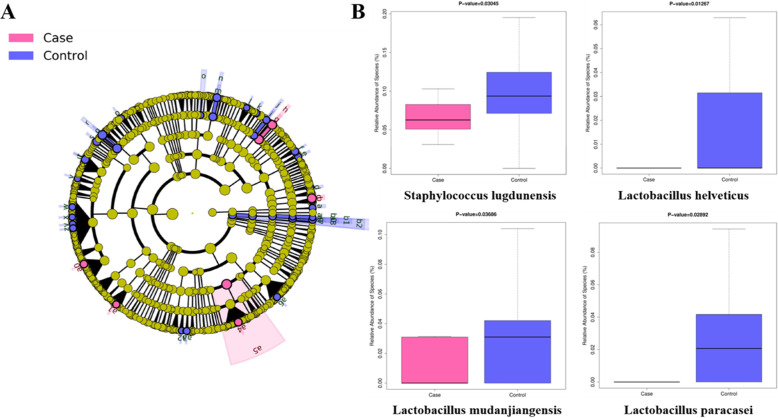
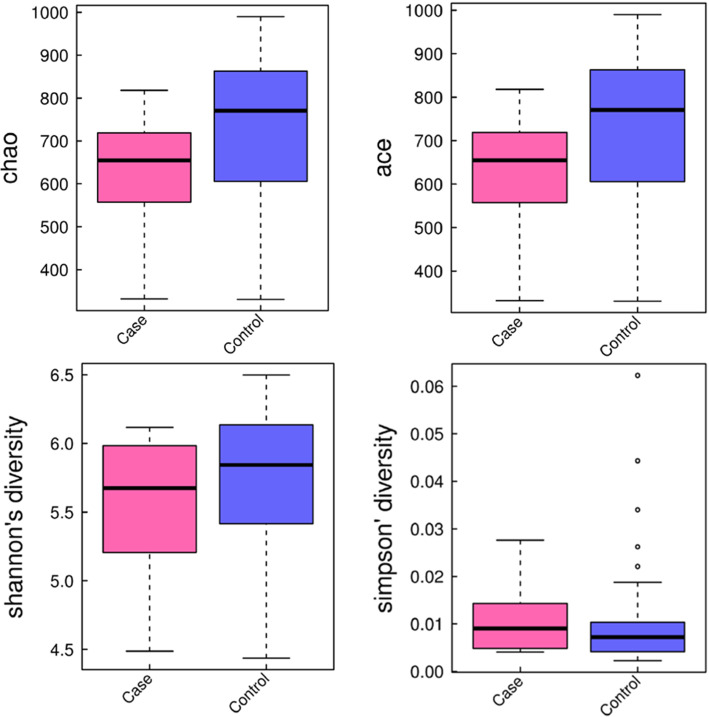
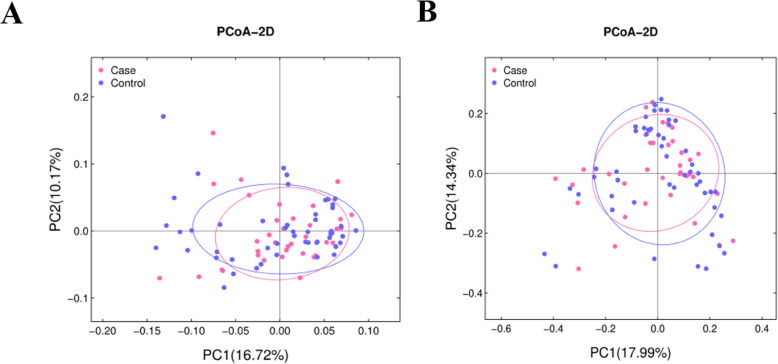
The composition and diversity of meconium microbiota in GBS group were similar to that of healthy controls. However, we identified several specific taxa that were differentially abundant between the two groups (linear discriminant analysis (LDA) effect size (LEfSe): p < 0.05, LDA > 2.0). Particularly, the relative abundance of Lactobacillus paracasei was significantly reduced, indicating a role in GBS colonization.
Our study presented a series of bacterial species colonized by GBS, thus providing novel evidence in support of initial intestinal microbiota dysbiosis in the neonates with mother's GBS colonization.
B 组链球菌(GBS)感染是新生儿败血症、脑膜炎和肺炎的主要原因。早期肠道定植异常可能使儿童易患成年后的各种疾病。然而,肠道微生物变化与 GBS 定植之间的关联尚不清楚。
GBS 组与健康对照组相比,胎粪微生物群的组成和多样性相似。然而,我们在两组之间鉴定出了几个差异丰度的特定分类群(线性判别分析(LDA)效应大小(LEfSe):p<0.05,LDA>2.0)。特别是,副干酪乳杆菌的相对丰度显著降低,表明其在 GBS 定植中发挥作用。
我们的研究提出了一系列被 GBS 定植的细菌种类,从而为支持母亲 GBS 定植的新生儿初始肠道微生物群失调提供了新的证据。