Department of Health Services Research and Policy, London School of Hygiene & Tropical Medicine, London, UK.
London, UK.
Lancet. 2021 May 22;397(10288):1979-1991. doi: 10.1016/S0140-6736(21)00229-4. Epub 2021 May 6.
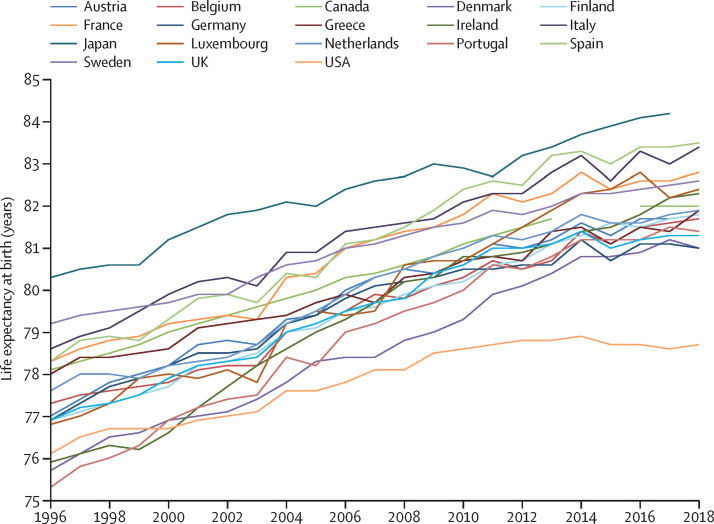
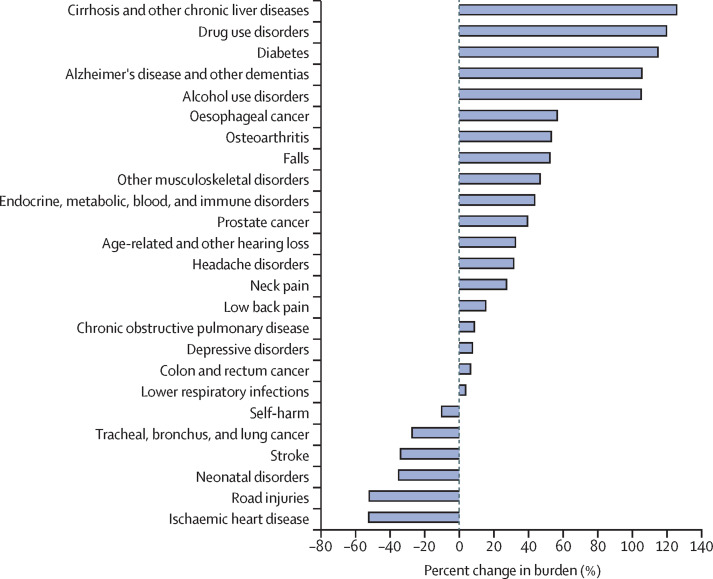
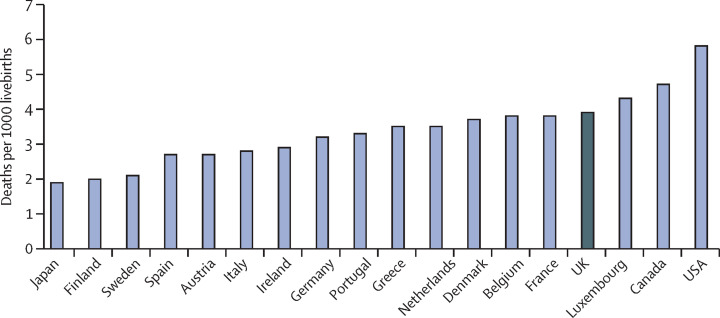
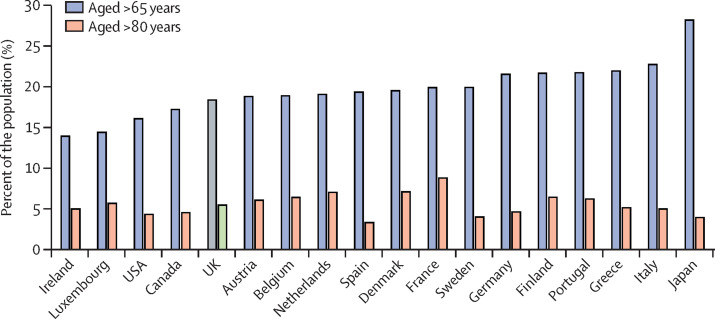
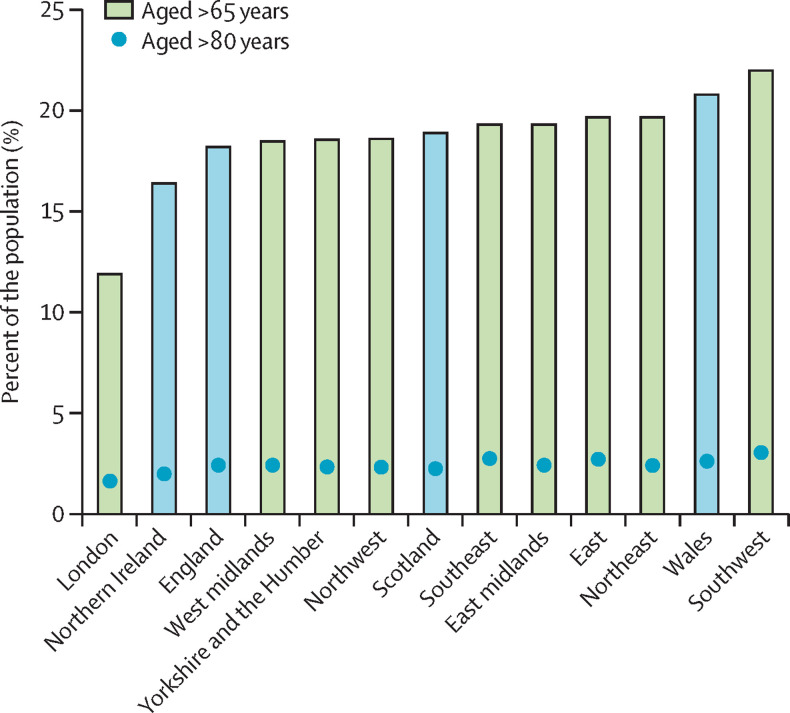
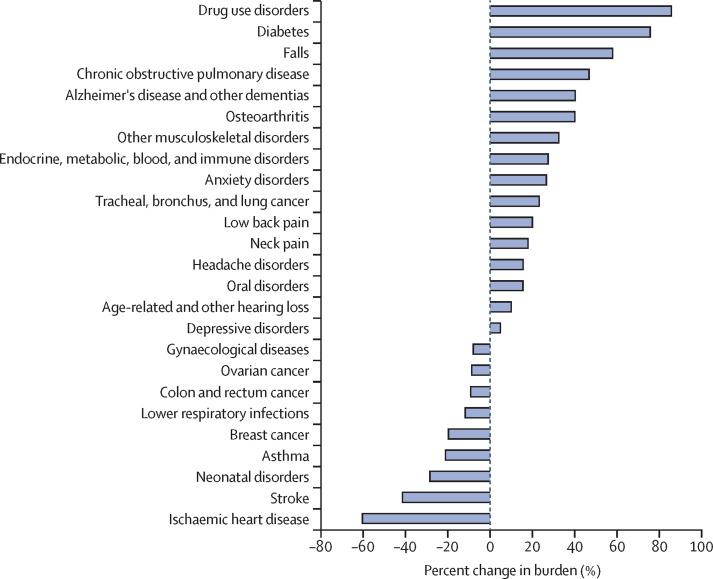
The demographics of the UK population are changing and so is the need for health care. In this Health Policy, we explore the current health of the population, the changing health needs, and future threats to health. Relative to other high-income countries, the UK is lagging on many health outcomes, such as life expectancy and infant mortality, and there is a growing burden of mental illness. Successes exist, such as the striking improvements in oral health, but inequalities in health persist as well. The growth of the ageing population relative to the working-age population, the rise of multimorbidity, and persistent health inequalities, particularly for preventable illness, are all issues that the National Health Service (NHS) will face in the years to come. Meeting the challenges of the future will require an increased focus on health promotion and disease prevention, involving a more concerted effort to understand and tackle the multiple social, environmental, and economic factors that lie at the heart of health inequalities. The immediate priority of the NHS will be to mitigate the wider and long-term health consequences of the COVID-19 pandemic, but it must also strengthen its resilience to reduce the impact of other threats to health, such as the UK leaving the EU, climate change, and antimicrobial resistance.
英国人口结构正在发生变化,医疗保健需求也随之变化。在本项卫生政策中,我们探讨了当前的人口健康状况、不断变化的健康需求以及未来对健康的威胁。与其他高收入国家相比,英国在许多健康指标上都较为落后,如预期寿命和婴儿死亡率,且精神疾病负担日益加重。虽然也有一些成功之处,如口腔健康状况显著改善,但健康不平等现象依然存在。与劳动年龄人口相比,老年人口的增长、多种疾病的高发以及可预防疾病等方面的持续健康不平等,都是国民保健制度(NHS)在未来几年将面临的问题。应对未来的挑战需要更加注重健康促进和疾病预防,需要更加齐心协力地理解和解决导致健康不平等的诸多社会、环境和经济因素。国民保健制度的当务之急是减轻新冠肺炎大流行带来的更广泛和长期的健康后果,但它还必须增强自身的恢复能力,以减少英国脱欧、气候变化和抗菌素耐药性等其他健康威胁的影响。