Department of Electrical Engineering, Indian Institute of Technology Indore, Indore, 453552, India.
Comput Biol Med. 2021 Jul;134:104454. doi: 10.1016/j.compbiomed.2021.104454. Epub 2021 May 2.
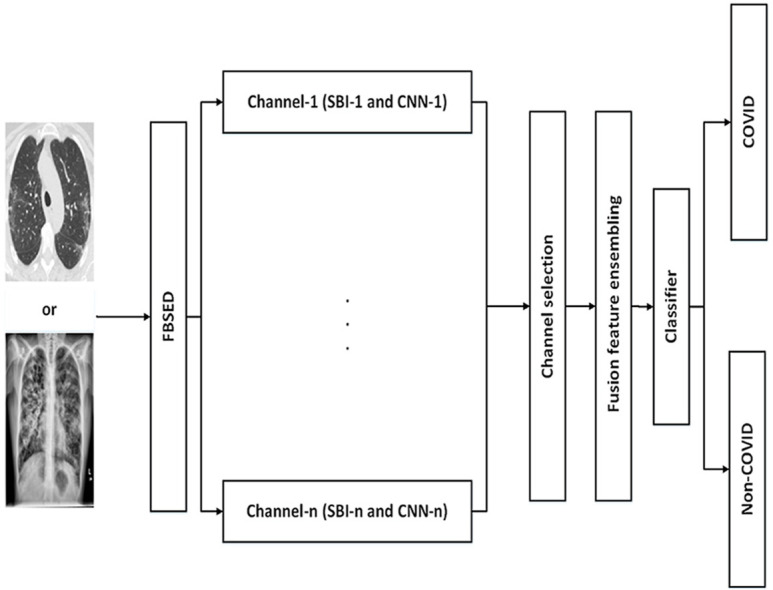
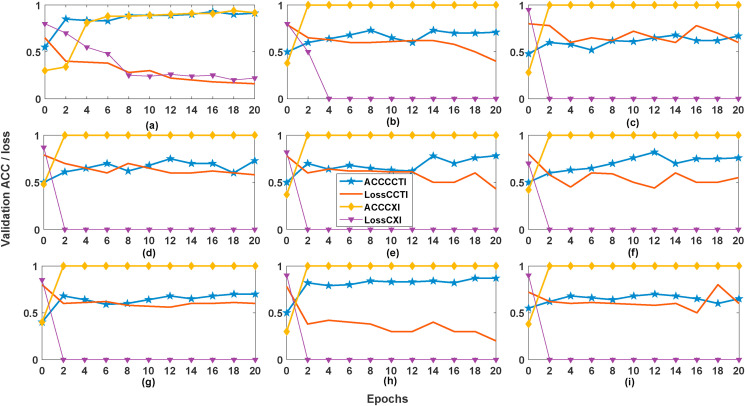
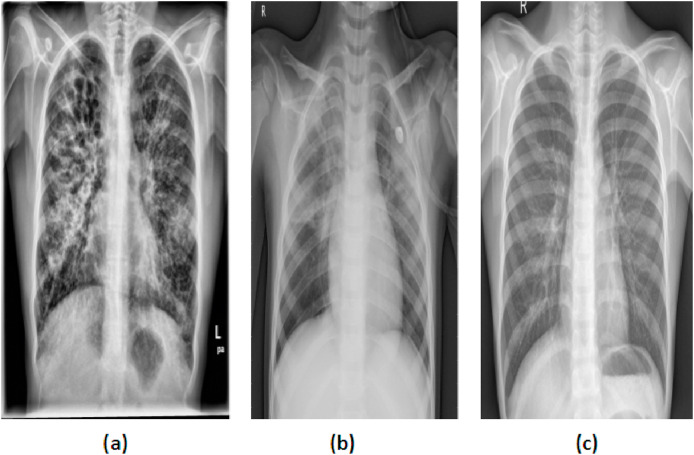
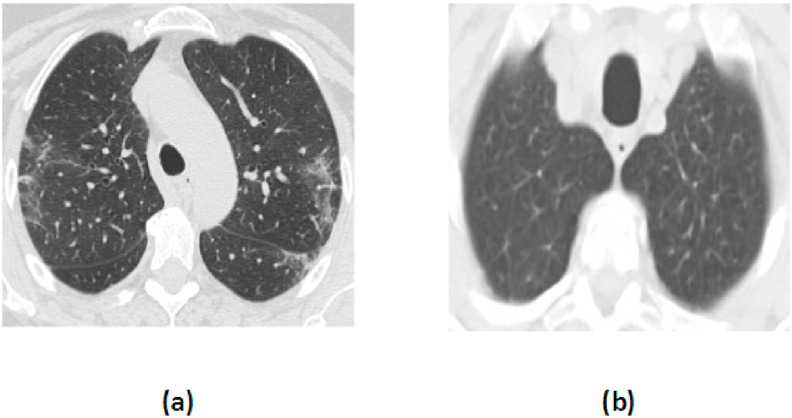
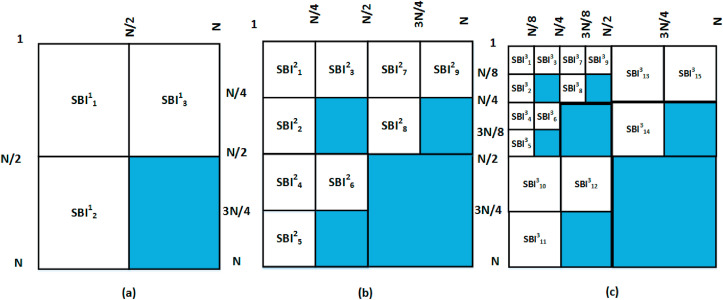
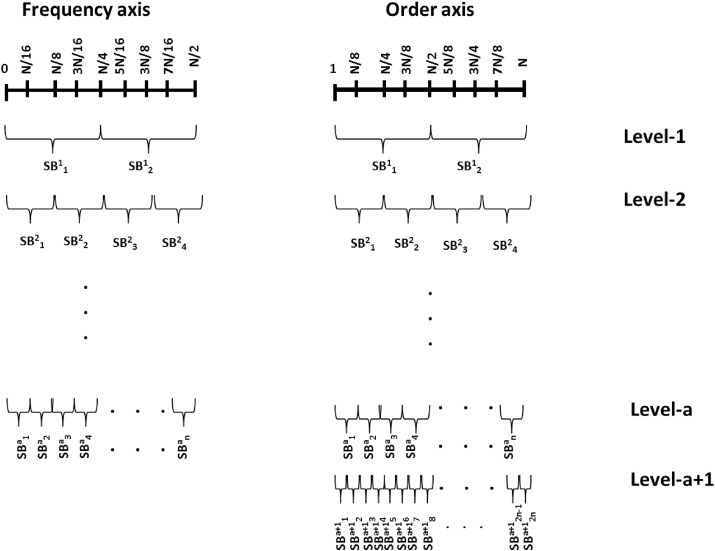
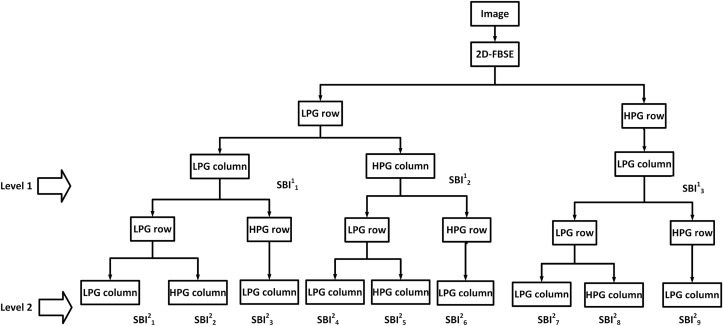
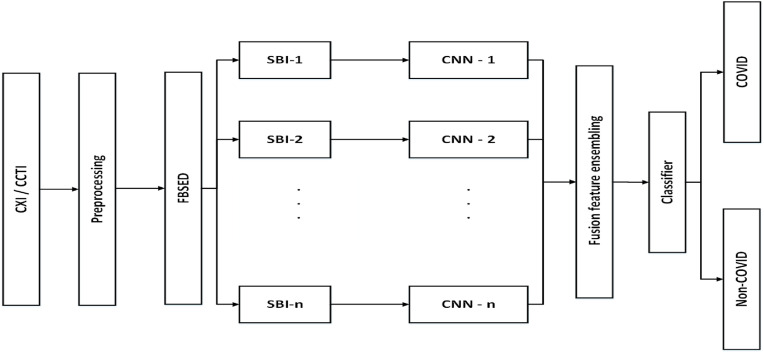
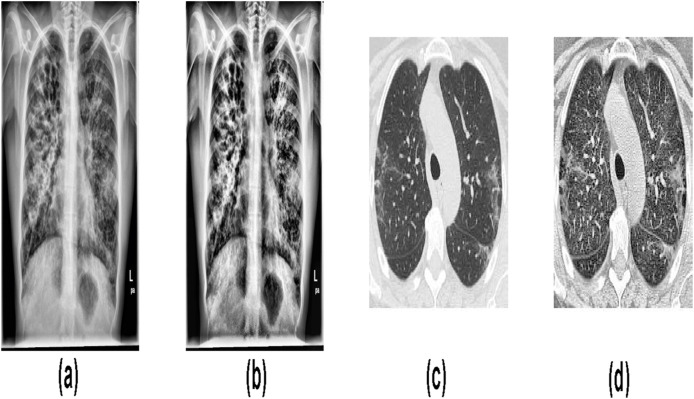
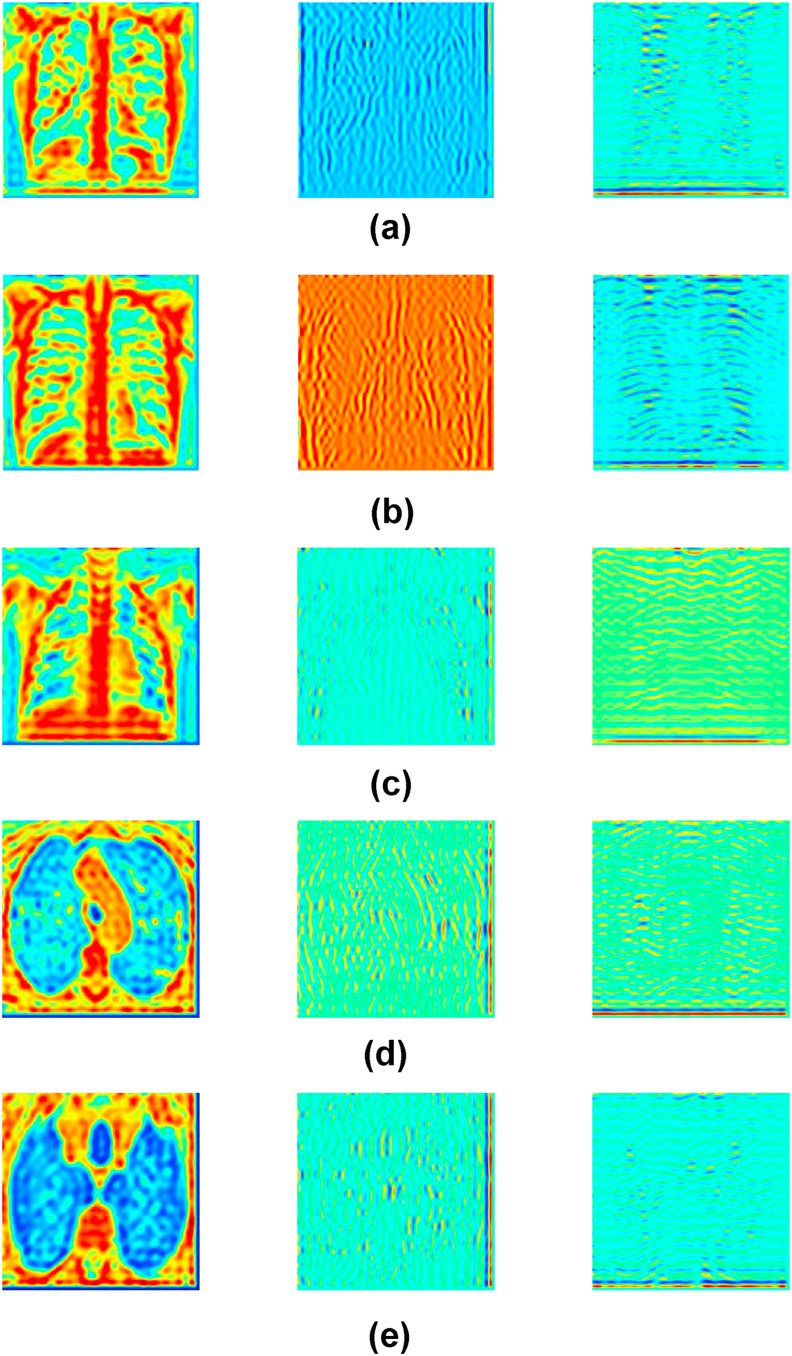
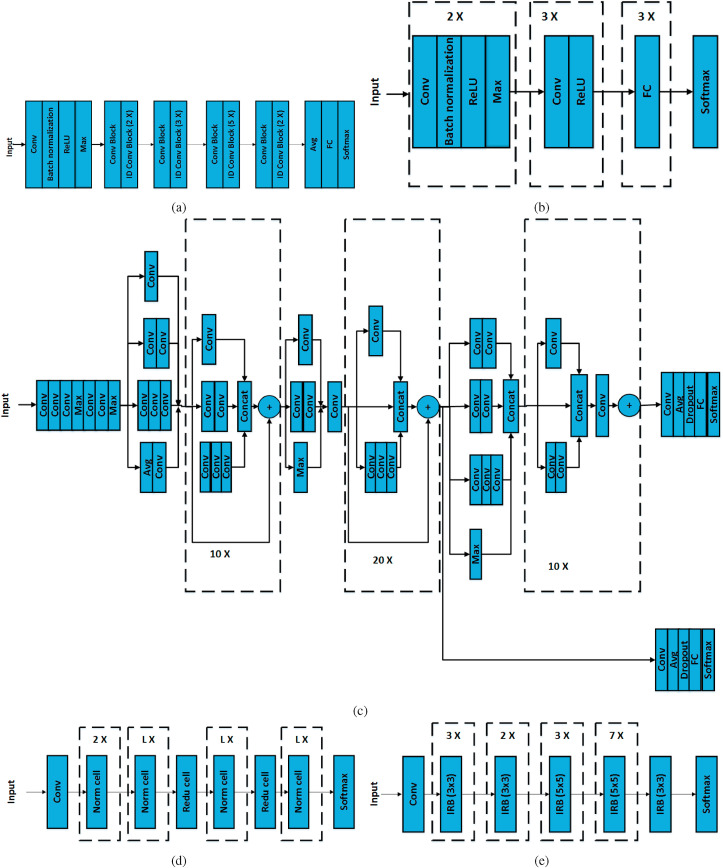
This work introduces the Fourier-Bessel series expansion-based decomposition (FBSED) method, which is an implementation of the wavelet packet decomposition approach in the Fourier-Bessel series expansion domain. The proposed method has been used for the diagnosis of pneumonia caused by the 2019 novel coronavirus disease (COVID-19) using chest X-ray image (CXI) and chest computer tomography image (CCTI). The FBSED method is used to decompose CXI and CCTI into sub-band images (SBIs). The SBIs are then used to train various pre-trained convolutional neural network (CNN) models separately using a transfer learning approach. The combination of SBI and CNN is termed as one channel. Deep features from each channel are fused to get a feature vector. Different classifiers are used to classify pneumonia caused by COVID-19 from other viral and bacterial pneumonia and healthy subjects with the extracted feature vector. The different combinations of channels have also been analyzed to make the process computationally efficient. For CXI and CCTI databases, the best performance has been obtained with only one and four channels, respectively. The proposed model was evaluated using 5-fold and 10-fold cross-validation processes. The average accuracy for the CXI database was 100% for both 5-fold and 10-fold cross-validation processes, and for the CCTI database, it is 97.6% for the 5-fold cross-validation process. Therefore, the proposed method may be used by radiologists to rapidly diagnose patients with COVID-19.
这项工作介绍了基于傅里叶-贝塞尔级数展开的分解(FBSED)方法,它是在傅里叶-贝塞尔级数展开域中实现的小波包分解方法。该方法已被用于使用胸部 X 射线图像(CXI)和胸部计算机断层扫描图像(CCTI)诊断由 2019 年新型冠状病毒病(COVID-19)引起的肺炎。FBSED 方法用于将 CXI 和 CCTI 分解为子带图像(SBIs)。然后,使用迁移学习方法分别使用 SBIs 来训练各种预先训练的卷积神经网络(CNN)模型。将 SBI 和 CNN 组合称为一个通道。从每个通道提取深度特征并融合以获得特征向量。使用不同的分类器使用提取的特征向量对 COVID-19 引起的肺炎与其他病毒性和细菌性肺炎以及健康受试者进行分类。还分析了不同通道的组合以提高处理效率。对于 CXI 和 CCTI 数据库,仅使用一个和四个通道分别获得了最佳性能。使用 5 折和 10 折交叉验证过程对所提出的模型进行了评估。对于 CXI 数据库,5 折和 10 折交叉验证过程的平均准确率均为 100%,对于 CCTI 数据库,5 折交叉验证过程的准确率为 97.6%。因此,放射科医生可以使用该方法快速诊断 COVID-19 患者。