Hussein Haval I, Mohammed Abdulhakeem O, Hassan Masoud M, Mstafa Ramadhan J
Department of Computer Science, Faculty of Science, University of Zakho. Zakho, Kurdistan Region, Iraq.
Department of Information Technology Management, Technical College of Administration, Duhok Polytechnic University, Duhok, Iraq.
Expert Syst Appl. 2023 Aug 1;223:119900. doi: 10.1016/j.eswa.2023.119900. Epub 2023 Mar 18.
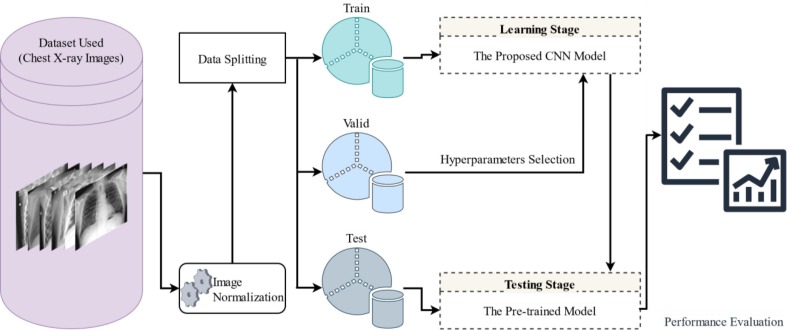
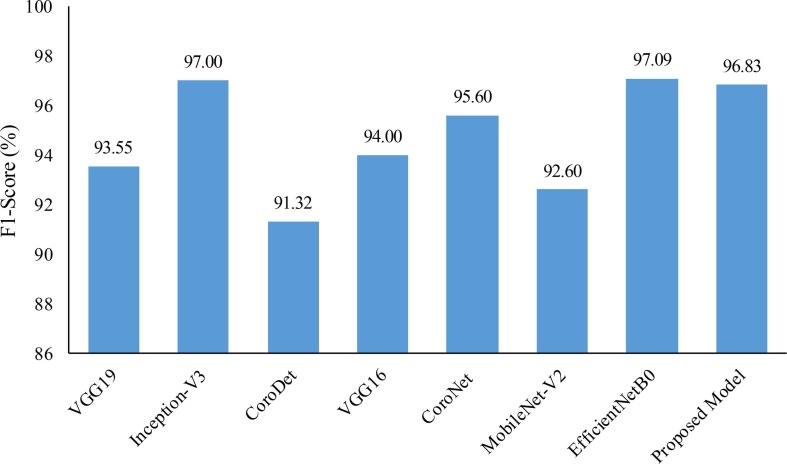
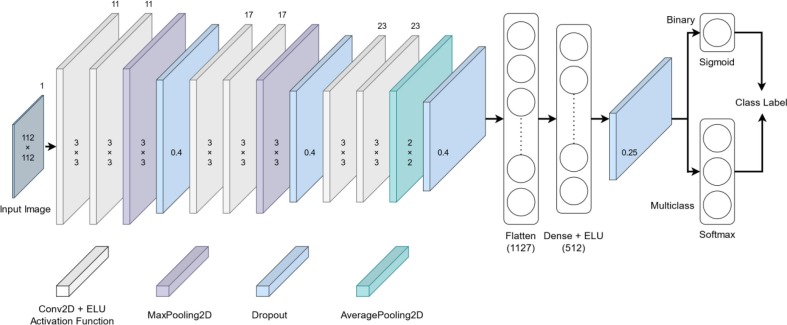
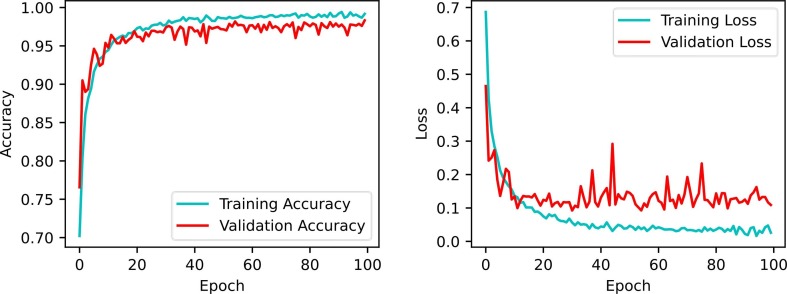
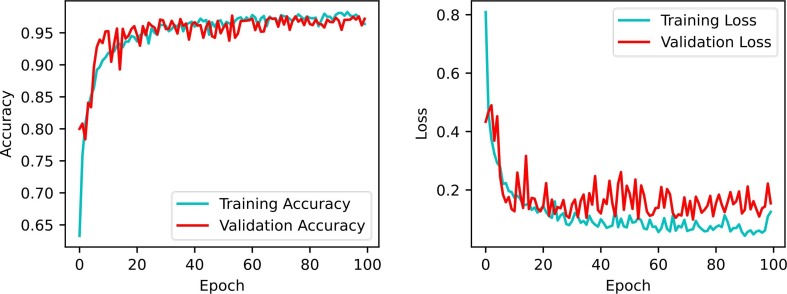
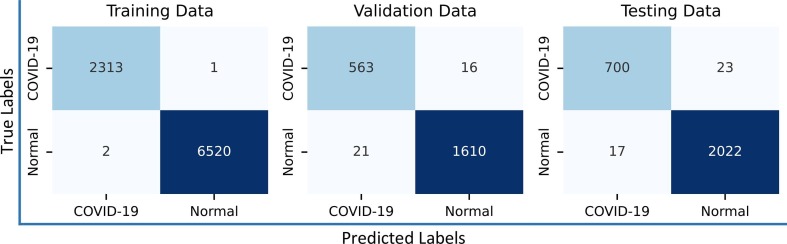
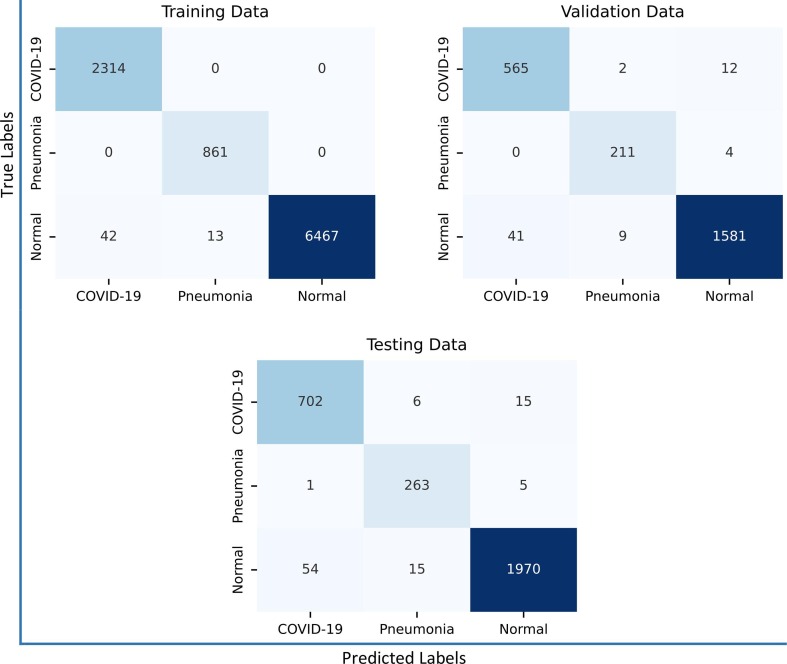
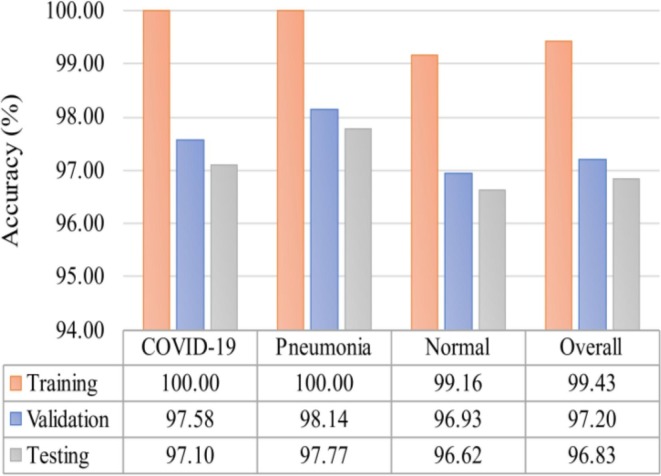
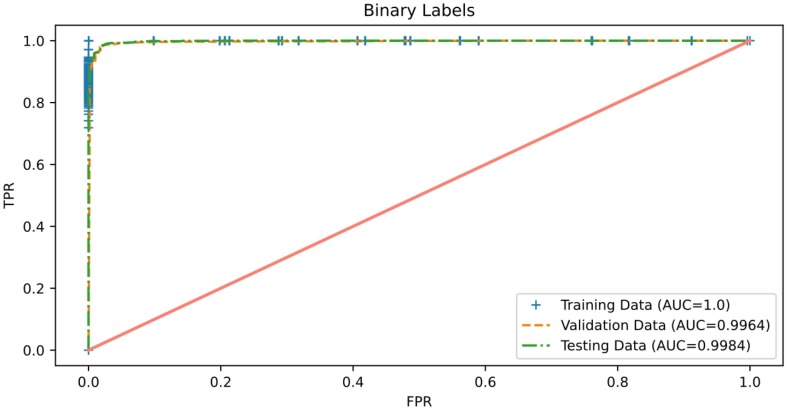
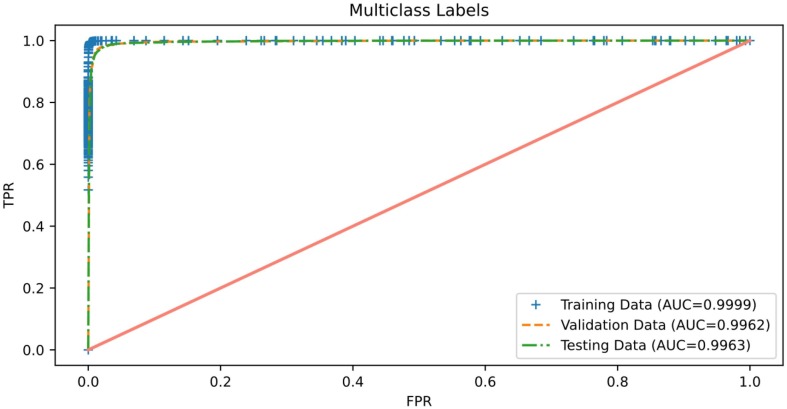
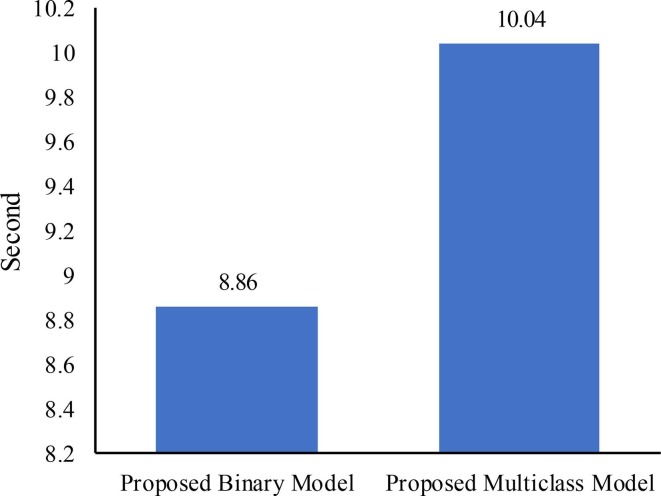
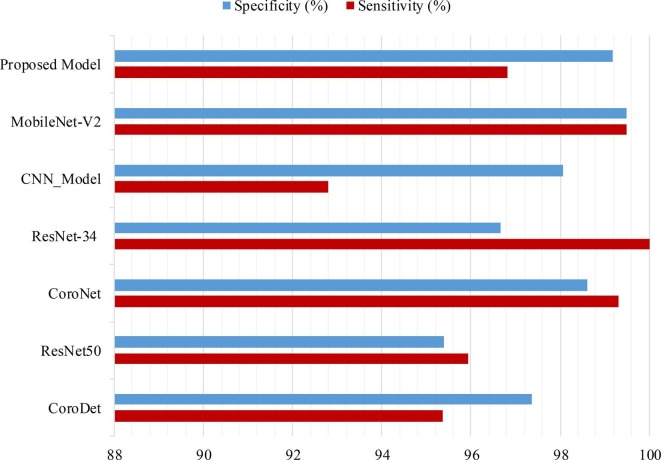
Hundreds of millions of people worldwide have recently been infected by the novel Coronavirus disease (COVID-19), causing significant damage to the health, economy, and welfare of the world's population. Moreover, the unprecedented number of patients with COVID-19 has placed a massive burden on healthcare centers, making timely and rapid diagnosis challenging. A crucial step in minimizing the impact of such problems is to automatically detect infected patients and place them under special care as quickly as possible. Deep learning algorithms, such as Convolutional Neural Networks (CNN), can be used to meet this need. Despite the desired results, most of the existing deep learning-based models were built on millions of parameters (weights), which are not applicable to devices with limited resources. Inspired by such fact, in this research, we developed two new lightweight CNN-based diagnostic models for the automatic and early detection of COVID-19 subjects from chest X-ray images. The first model was built for binary classification (COVID-19 and Normal), whereas the second one was built for multiclass classification (COVID-19, viral pneumonia, or normal). The proposed models were tested on a relatively large dataset of chest X-ray images, and the results showed that the accuracy rates of the 2- and 3-class-based classification models are 98.55% and 96.83%, respectively. The results also revealed that our models achieved competitive performance compared with the existing heavyweight models while significantly reducing cost and memory requirements for computing resources. With these findings, we can indicate that our models are helpful to clinicians in making insightful diagnoses of COVID-19 and are potentially easily deployable on devices with limited computational power and resources.
全球数亿人最近感染了新型冠状病毒病(COVID-19),对世界人口的健康、经济和福祉造成了重大损害。此外,COVID-19患者数量空前,给医疗中心带来了巨大负担,使得及时快速诊断具有挑战性。将此类问题的影响降至最低的关键一步是自动检测感染患者并尽快将其置于特殊护理之下。深度学习算法,如卷积神经网络(CNN),可用于满足这一需求。尽管取得了预期结果,但大多数现有的基于深度学习的模型是基于数百万个参数(权重)构建的,这些参数不适用于资源有限的设备。受这一事实的启发,在本研究中,我们开发了两种基于CNN的新型轻量级诊断模型,用于从胸部X光图像中自动早期检测COVID-19患者。第一个模型用于二分类(COVID-19和正常),而第二个模型用于多分类(COVID-19、病毒性肺炎或正常)。所提出的模型在一个相对较大的胸部X光图像数据集上进行了测试,结果表明,基于二分类和三分类的模型的准确率分别为98.55%和96.83%。结果还表明,与现有的重量级模型相比,我们的模型具有竞争力,同时显著降低了计算资源的成本和内存需求。基于这些发现,我们可以表明,我们的模型有助于临床医生对COVID-19进行有洞察力的诊断,并且有可能很容易地部署在计算能力和资源有限的设备上。