Department of Clinical, Neuro and Developmental Psychology, Amsterdam Public Health research institute, Vrije Universiteit Amsterdam, Van der Boechorststraat 7, 1081, BT, Amsterdam, the Netherlands.
Department of Clinical Child and Family Studies, Faculty of Behavioural and Movement Sciences, Vrije Universiteit Amsterdam, Amsterdam, the Netherlands.
BMC Public Health. 2021 May 12;21(1):905. doi: 10.1186/s12889-021-10910-w.
Maternal smoking and stress during pregnancy are associated with adverse health effects for women themselves and are risk factors for adverse developmental outcomes of the unborn child. Smoking and stress seem to be intertwined in various ways. First, the majority of smoking pregnant women is of lower socio-economic status, which is associated with higher levels of perceived stress. Second, smoking women often report to smoke because they feel stressed. Third, quitting smoking often increases perceived stress levels initially. Therefore, effective interventions are needed to support women with smoking cessation by reducing stress. The aim of this study is to test the effectiveness of an eHealth intervention on stress reduction and smoking cessation.
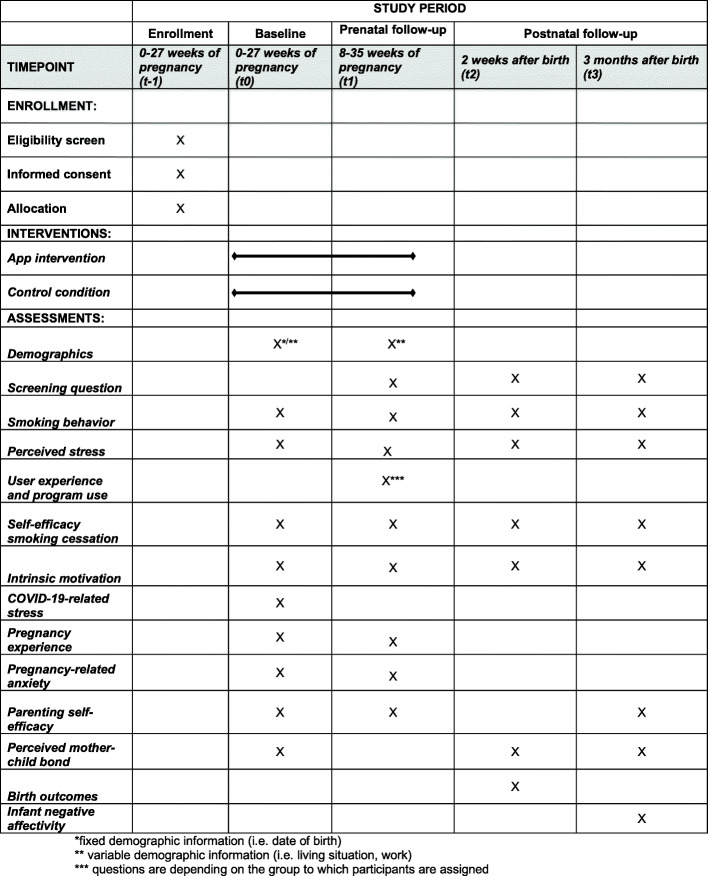
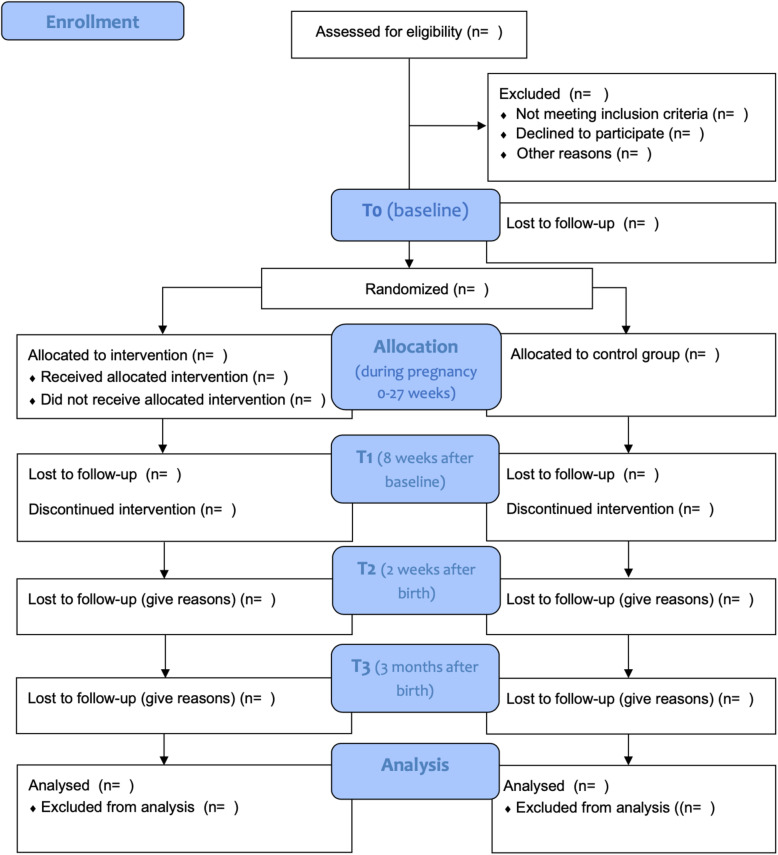
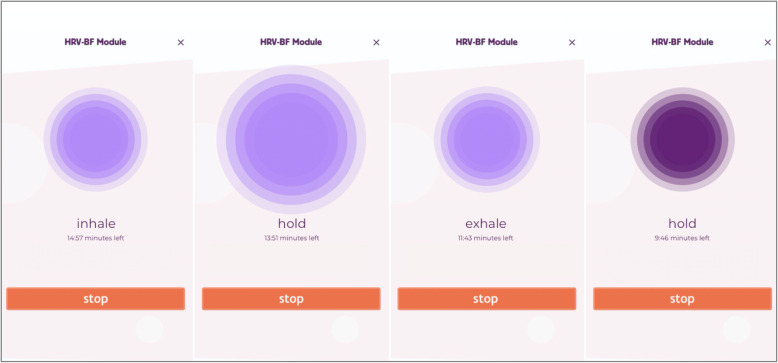
METHODS/DESIGN: The Stress- and Smoke Free Start of Life (SSFSL) study is a randomized controlled trial (RCT) comparing a personalized eHealth intervention with a control condition. Inclusion criteria for the women are: (1) > 18 years of age, (2) < 28 weeks pregnant at recruitment, (3) currently smoking. Consenting participants will be randomly assigned to the intervention or control group. Participants allocated to the intervention group will receive an 8-week intervention delivered on their smartphone. The application includes psycho-education on pregnancy, stress, and smoking (cessation); stress-management training consisting of Heart Rate Variability-biofeedback; and a personalized stop-smoking-plan. Participants in the control condition will be invited to visit a webpage with information on pregnancy, stress, and smoking (cessation). Study outcomes will be collected via online questionnaires, at four timepoints: pre-intervention (baseline; t0), post-intervention (8 weeks + 1 day after t0; t1), follow up at two weeks after birth (t2), and follow up at three months after birth (t3). The primary outcome measure is self-reported smoking cessation. Secondary outcomes include daily self-reported number of cigarettes smoked, perceived stress, pregnancy experience, birth outcomes, and negative affectivity scores of the baby. Moreover, the mediating effect of stress reduction on smoking cessation will be examined, and possible moderators will be tested.
If the eHealth intervention is effective in smoking cessation among pregnant smoking women, it can be implemented as a tool into the health care in the Netherlands.
Netherlands Trial Register, ID: NL8156 . Registered on 11 November 2019.
孕妇吸烟和孕期压力会对母婴健康产生不良影响,也是胎儿发育不良的风险因素。吸烟和压力似乎以各种方式交织在一起。首先,大多数吸烟孕妇社会经济地位较低,这与更高的感知压力水平有关。其次,吸烟的女性经常因为感到压力大而吸烟。第三,戒烟通常会在最初阶段增加感知压力水平。因此,需要有效的干预措施来支持戒烟的女性减轻压力。本研究旨在测试一种电子健康干预措施在减轻压力和戒烟方面的有效性。
方法/设计:“生命压力与无烟开端”(SSFSL)研究是一项随机对照试验(RCT),比较了个性化电子健康干预与对照条件。纳入女性的标准为:(1)年龄>18 岁,(2)招募时妊娠<28 周,(3)目前吸烟。同意参加的参与者将被随机分配到干预组或对照组。分配到干预组的参与者将在他们的智能手机上接受为期 8 周的干预。该应用程序包括关于妊娠、压力和吸烟(戒烟)的心理教育;包括心率变异性生物反馈的压力管理训练;以及个性化的戒烟计划。对照组的参与者将被邀请访问一个网页,该网页提供有关妊娠、压力和吸烟(戒烟)的信息。研究结果将通过在线问卷在四个时间点收集:干预前(基线;t0)、干预后(t0 后 8 周+1 天;t1)、产后两周(t2)和产后三个月(t3)。主要结局测量指标是自我报告的戒烟情况。次要结局包括每天自我报告的吸烟量、感知压力、妊娠经历、分娩结局和婴儿的负性情绪得分。此外,还将检查压力减轻对戒烟的中介效应,并测试可能的调节因素。
如果电子健康干预措施对孕妇吸烟女性的戒烟有效,它可以作为一种工具在荷兰的医疗保健中实施。
荷兰试验注册中心,ID:NL8156。于 2019 年 11 月 11 日注册。