Department of Biodiversity, Conservation and Attractions, Marine Science Program, Biodiversity and Conservation Science, Kensington, WA, Australia.
School of Molecular and Life Sciences, Curtin University, Perth, WA, Australia.
Glob Chang Biol. 2021 Aug;27(15):3432-3447. doi: 10.1111/gcb.15635. Epub 2021 May 20.
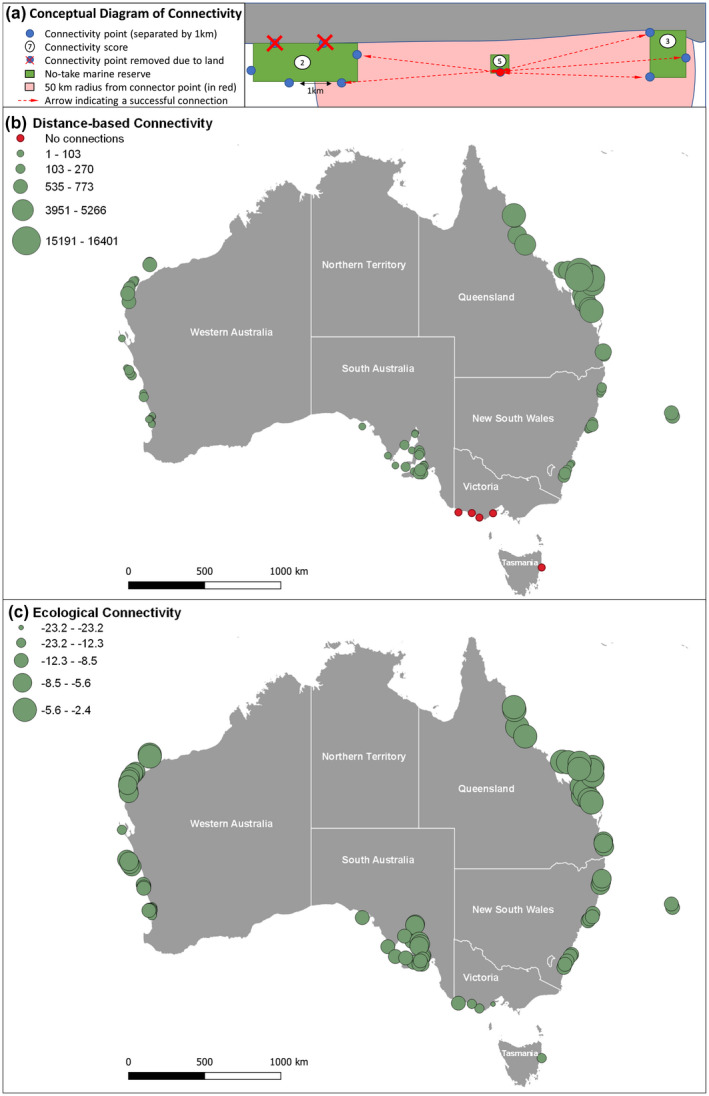
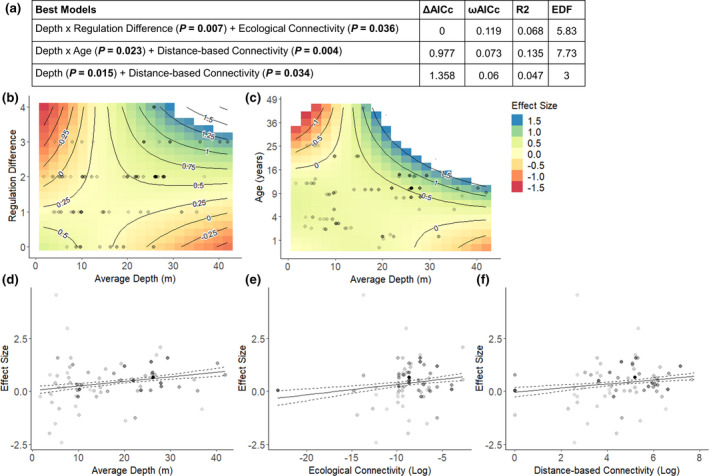
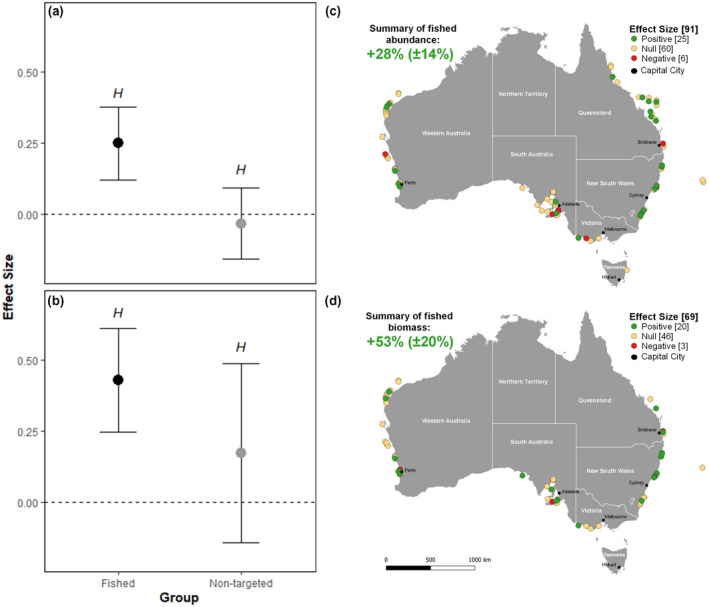
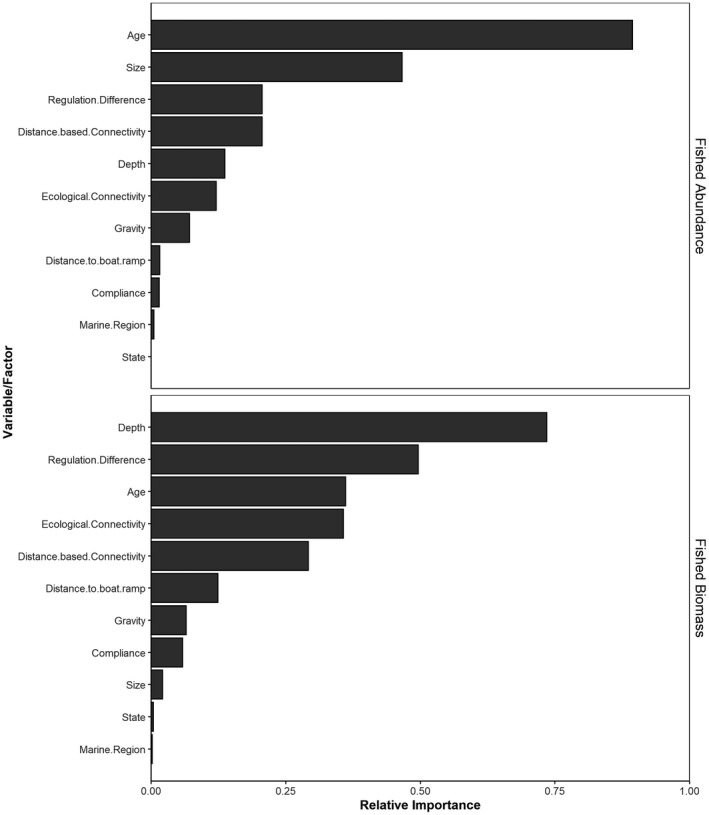
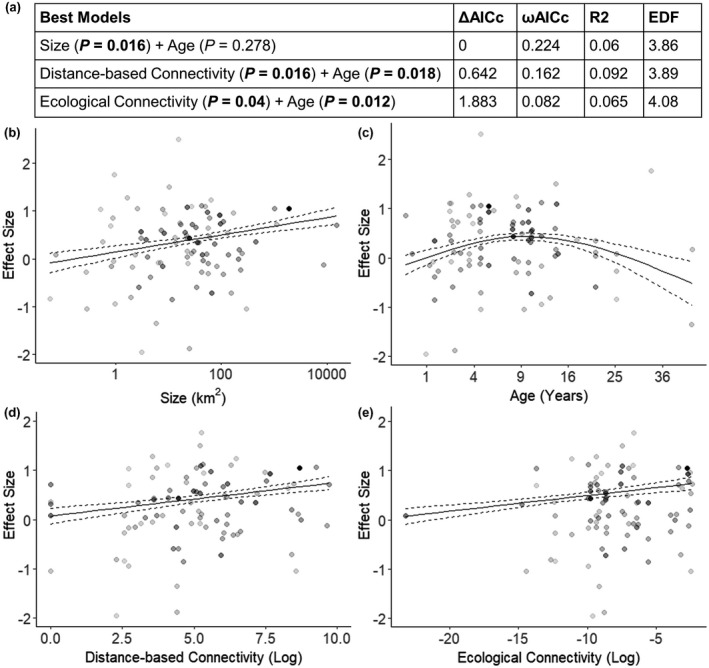
Marine reserves are a key tool for the conservation of marine biodiversity, yet only ~2.5% of the world's oceans are protected. The integration of marine reserves into connected networks representing all habitats has been encouraged by international agreements, yet the benefits of this design has not been tested empirically. Australia has one of the largest systems of marine reserves, providing a rare opportunity to assess how connectivity influences conservation success. An Australia-wide dataset was collected using baited remote underwater video systems deployed across a depth range from 0 to 100 m to assess the effectiveness of marine reserves for protecting teleosts subject to commercial and recreational fishing. A meta-analytical comparison of 73 fished species within 91 marine reserves found that, on average, marine reserves had 28% greater abundance and 53% greater biomass of fished species compared to adjacent areas open to fishing. However, benefits of protection were not observed across all reserves (heterogeneity), so full subsets generalized additive modelling was used to consider factors that influence marine reserve effectiveness, including distance-based and ecological metrics of connectivity among reserves. Our results suggest that increased connectivity and depth improve the aforementioned marine reserve benefits and that these factors should be considered to optimize such benefits over time. We provide important guidance on factors to consider when implementing marine reserves for the purpose of increasing the abundance and size of fished species, given the expected increase in coverage globally. We show that marine reserves that are highly protected (no-take) and designed to optimize connectivity, size and depth range can provide an effective conservation strategy for fished species in temperate and tropical waters within an overarching marine biodiversity conservation framework.
海洋保护区是保护海洋生物多样性的重要工具,但全球只有约 2.5%的海洋得到了保护。国际协议鼓励将海洋保护区纳入代表所有生境的连接网络,但这种设计的好处尚未经过实证检验。澳大利亚拥有最大的海洋保护区系统之一,为评估连通性如何影响保护成功提供了难得的机会。使用诱饵远程水下视频系统在 0 到 100 米的深度范围内进行了全国范围的数据收集,以评估海洋保护区对受商业和休闲捕捞影响的硬骨鱼类的保护效果。对 91 个海洋保护区内的 73 种捕捞物种进行的meta 分析比较发现,与开放捕捞的相邻区域相比,海洋保护区内的捕捞物种平均丰度增加了 28%,生物量增加了 53%。然而,并非所有保护区都观察到保护的好处(异质性),因此使用全子集广义加性模型来考虑影响海洋保护区效果的因素,包括保护区之间基于距离和生态连通性的度量。我们的研究结果表明,增加连通性和深度可以提高上述海洋保护区的效益,并且这些因素应该在实施海洋保护区时加以考虑,以随着时间的推移优化这些效益。考虑到全球覆盖范围的预期增加,我们为实施海洋保护区以增加捕捞物种的丰度和大小提供了重要的指导,以实现预期的效果。我们表明,高度保护(无捕捞)和旨在优化连通性、大小和深度范围的海洋保护区可以为温带和热带水域的捕捞物种提供有效的保护策略,作为海洋生物多样性保护框架的一部分。