Usher Institute, University of Edinburgh, Edinburgh, UK.
School of Biological Sciences, University of Edinburgh, Edinburgh, UK.
Philos Trans R Soc Lond B Biol Sci. 2021 Jul 19;376(1829):20200275. doi: 10.1098/rstb.2020.0275. Epub 2021 May 31.
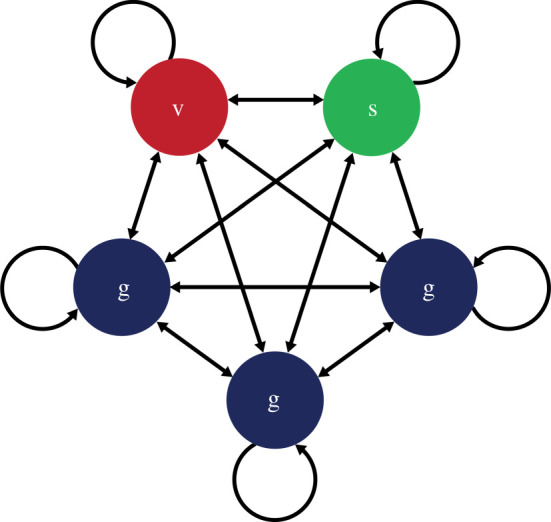
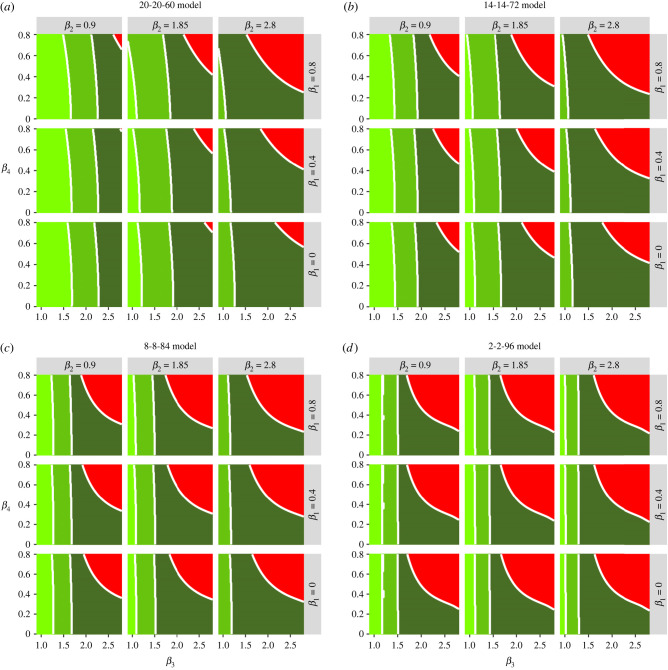
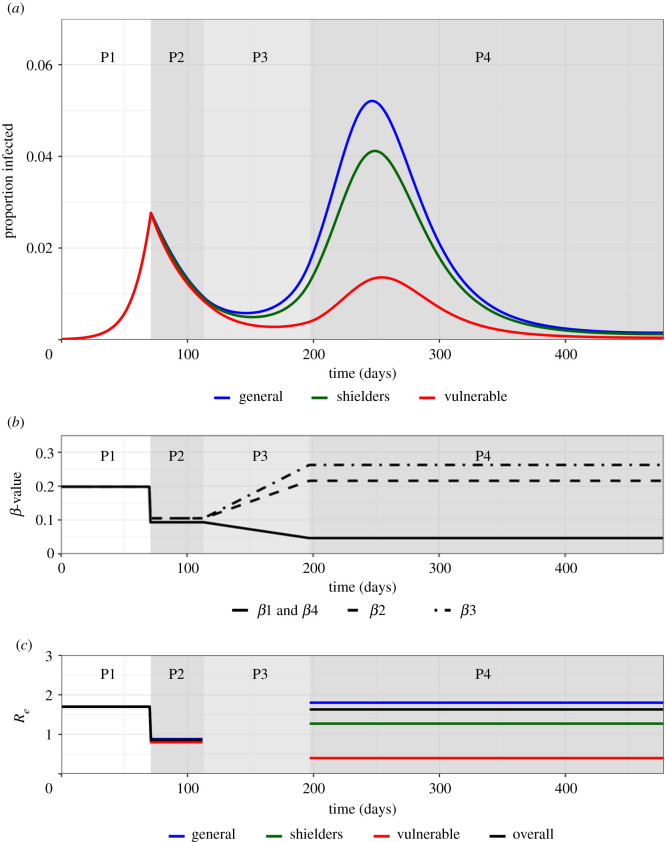
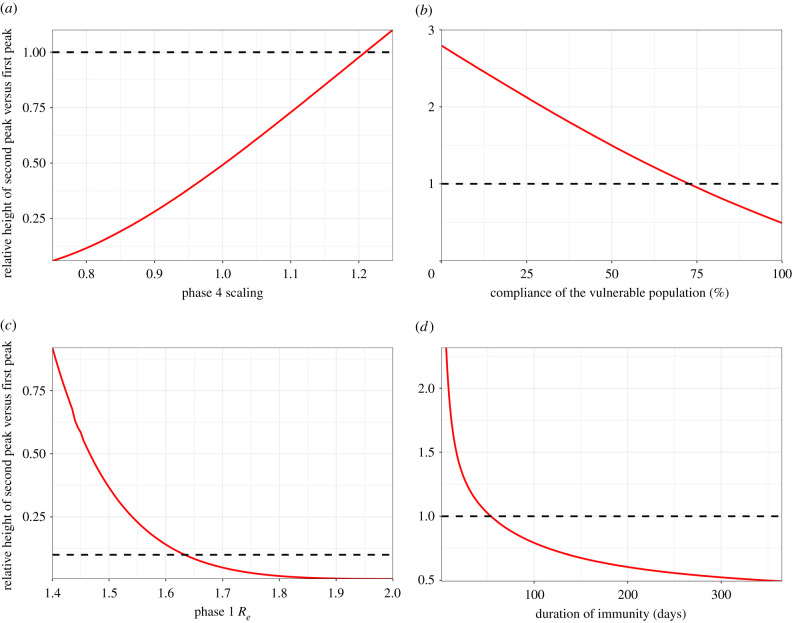
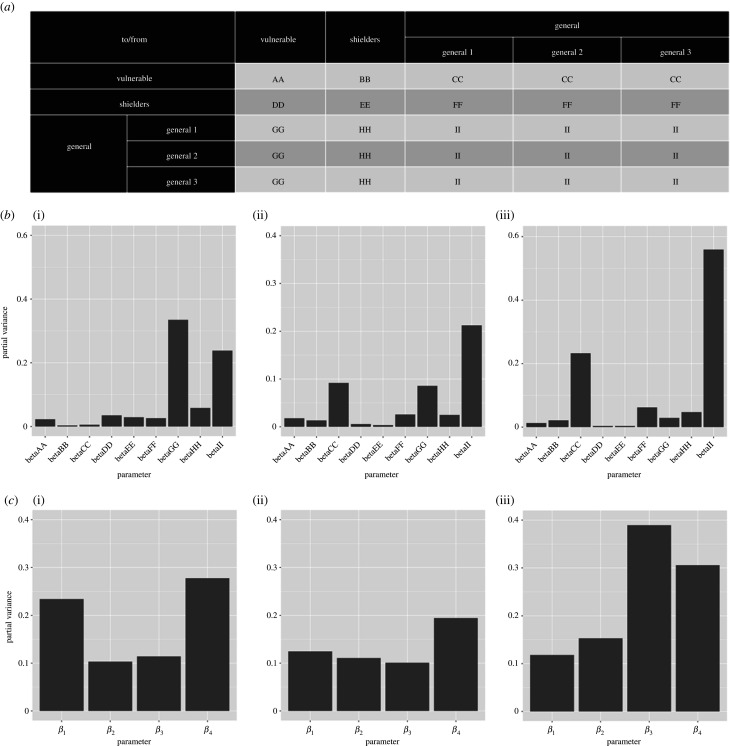
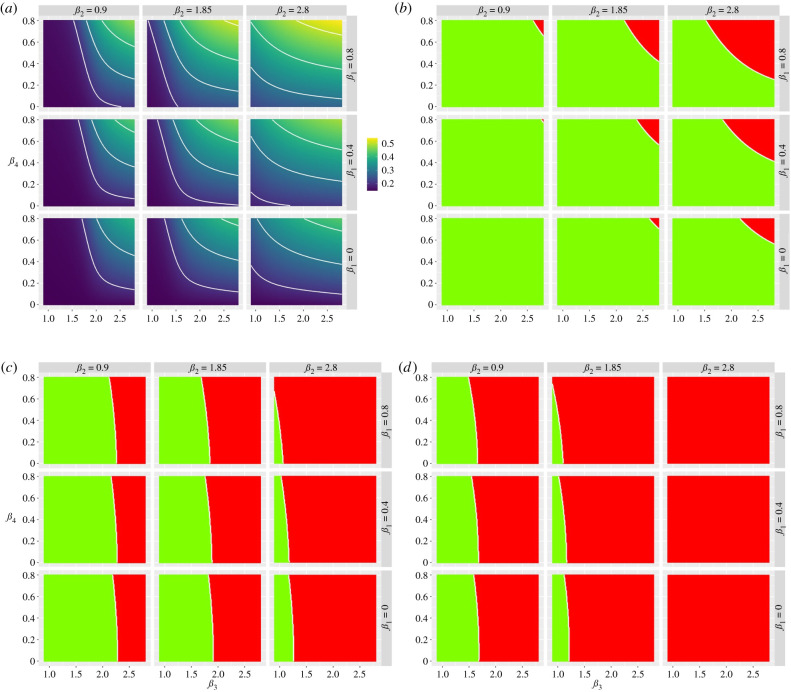
This study demonstrates that an adoption of a segmenting and shielding strategy could increase the scope to partially exit COVID-19 lockdown while limiting the risk of an overwhelming second wave of infection. We illustrate this using a mathematical model that segments the vulnerable population and their closest contacts, the 'shielders'. Effects of extending the duration of lockdown and faster or slower transition to post-lockdown conditions and, most importantly, the trade-off between increased protection of the vulnerable segment and fewer restrictions on the general population are explored. Our study shows that the most important determinants of outcome are: (i) post-lockdown transmission rates within the general and between the general and vulnerable segments; (ii) fractions of the population in the vulnerable and shielder segments; (iii) adherence to protective measures; and (iv) build-up of population immunity. Additionally, we found that effective measures in the shielder segment, e.g. intensive routine screening, allow further relaxations in the general population. We find that the outcome of any future policy is strongly influenced by the contact matrix between segments and the relationships between physical distancing measures and transmission rates. This strategy has potential applications for any infectious disease for which there are defined proportions of the population who cannot be treated or who are at risk of severe outcomes. This article is part of the theme issue 'Modelling that shaped the early COVID-19 pandemic response in the UK'.
本研究表明,采用分段和屏蔽策略可以增加部分解除 COVID-19 封锁的范围,同时限制感染第二波高峰的风险。我们使用一个将脆弱人群及其最密切接触者(“屏蔽者”)分段的数学模型来说明这一点。我们探讨了延长封锁期的持续时间以及更快或更慢地过渡到封锁后条件的影响,以及最重要的是,在保护脆弱人群和减少对一般人群的限制之间的权衡。我们的研究表明,结果的最重要决定因素是:(i)封锁后一般人群和一般人群与脆弱人群之间的传播率;(ii)脆弱人群和屏蔽者人群中的人口比例;(iii)遵守保护措施;以及(iv)人群免疫力的建立。此外,我们发现屏蔽者群体中的有效措施,例如密集的常规筛查,可以进一步放宽对一般人群的限制。我们发现,任何未来政策的结果都受到各群体之间的接触矩阵以及物理隔离措施和传播率之间的关系的强烈影响。这种策略对于任何存在无法治疗或处于严重后果风险的特定人群比例的传染病都具有潜在的应用价值。本文是“塑造英国早期 COVID-19 大流行应对措施的模型”主题特刊的一部分。