Zhang Zhiwang, Liao Qichao, Sun Yu, Pan Tingli, Liu Siqi, Miao Weiwei, Li Yixing, Zhou Lei, Xu Gaoxiao
State Key Laboratory for Conservation and Utilization of Subtropical Agro-Bioresources, College of Animal Science and Technology, Guangxi University, Nanning, China.
Teaching and Research Section of Biotechnology, Nanning University, Nanning, China.
Front Nutr. 2021 May 7;8:667622. doi: 10.3389/fnut.2021.667622. eCollection 2021.
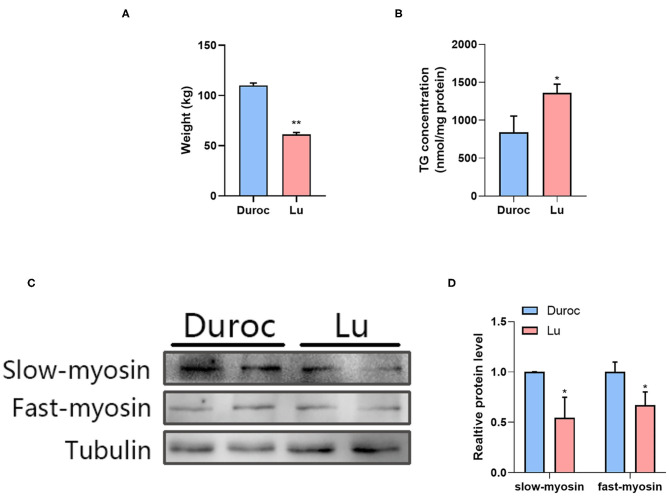
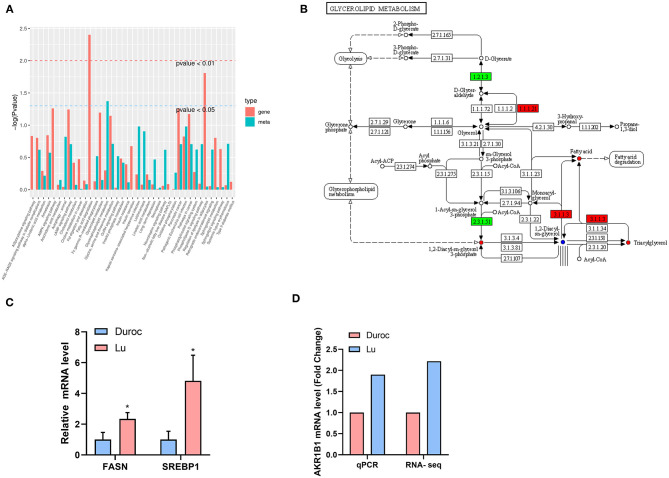
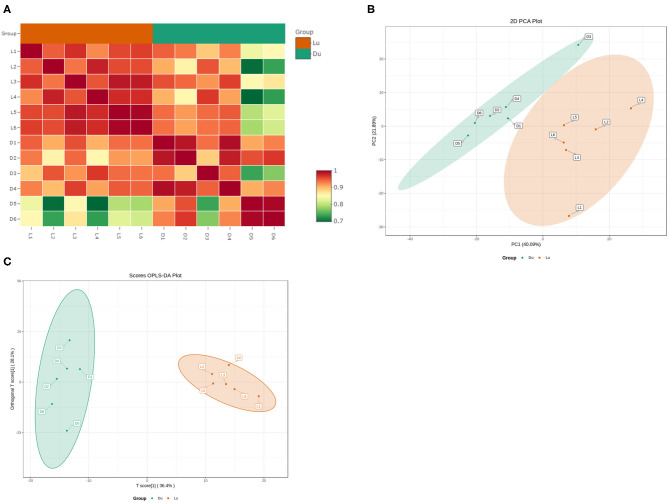
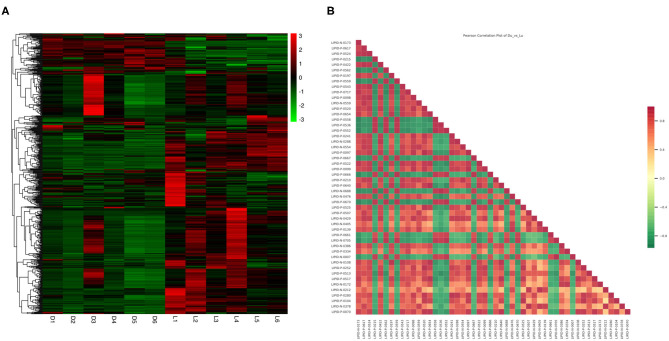
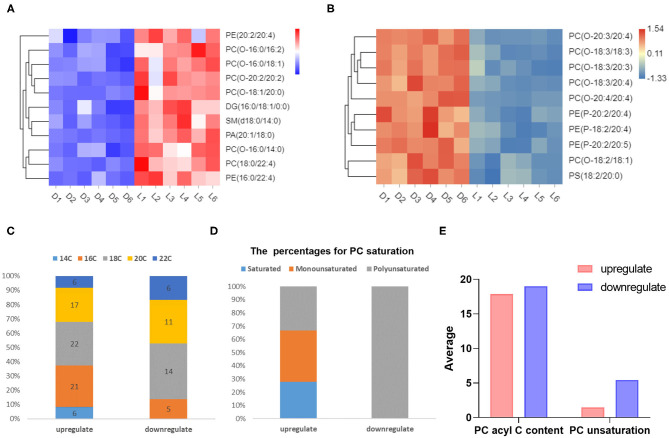
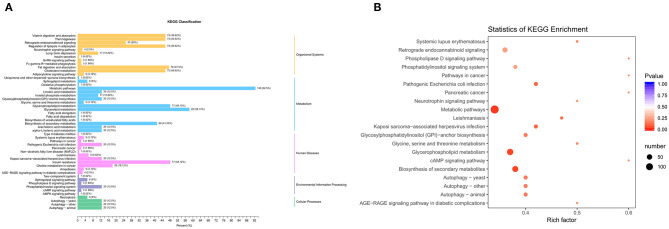
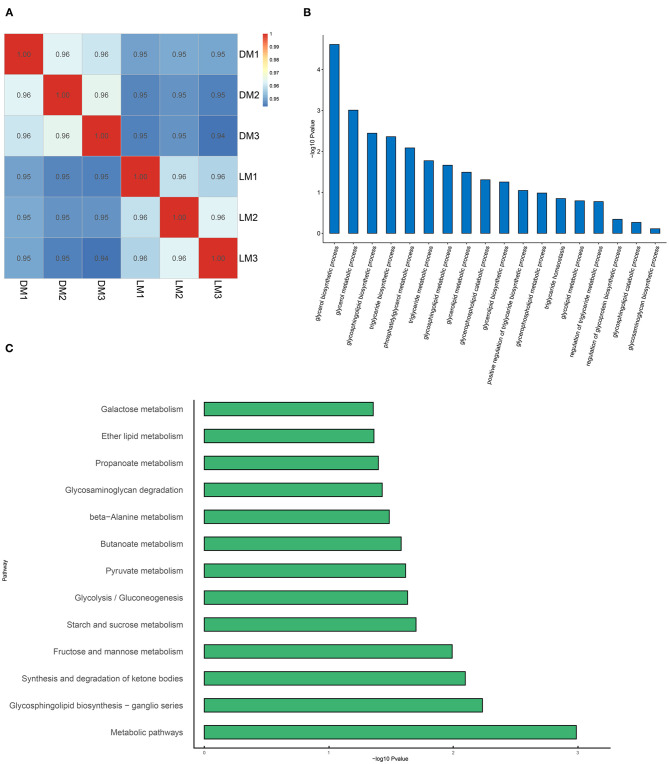
Meat is an essential food, and pork is the largest consumer meat product in China and the world. Intramuscular fat has always been the basis for people to select and judge meat products. Therefore, we selected the Duroc, a western lean pig breed, and the Luchuan, a Chinese obese pig breed, as models, and used the longissimus dorsi muscle for lipidomics testing and transcriptomics sequencing. The purpose of the study was to determine the differences in intramuscular fat between the two breeds and identify the reasons for the differences. We found that the intramuscular fat content of Luchuan pigs was significantly higher than that of Duroc pigs. The triglycerides and diglycerides related to flavor were higher in Luchuan pigs compared to Duroc pigs. This phenotype may be caused by the difference in the expression of key genes in the glycerolipid metabolism signaling pathway.
肉类是一种重要的食物,猪肉是中国乃至全球消费量最大的肉类产品。肌内脂肪一直是人们选择和评判肉类产品的依据。因此,我们选取了西方瘦肉型猪品种杜洛克和中国肥胖型猪品种陆川猪作为模型,采用背最长肌进行脂质组学检测和转录组学测序。本研究的目的是确定两个品种之间肌内脂肪的差异,并找出差异的原因。我们发现,陆川猪的肌内脂肪含量显著高于杜洛克猪。与风味相关的甘油三酯和甘油二酯在陆川猪中比杜洛克猪更高。这种表型可能是由甘油脂代谢信号通路中关键基因表达的差异所导致的。